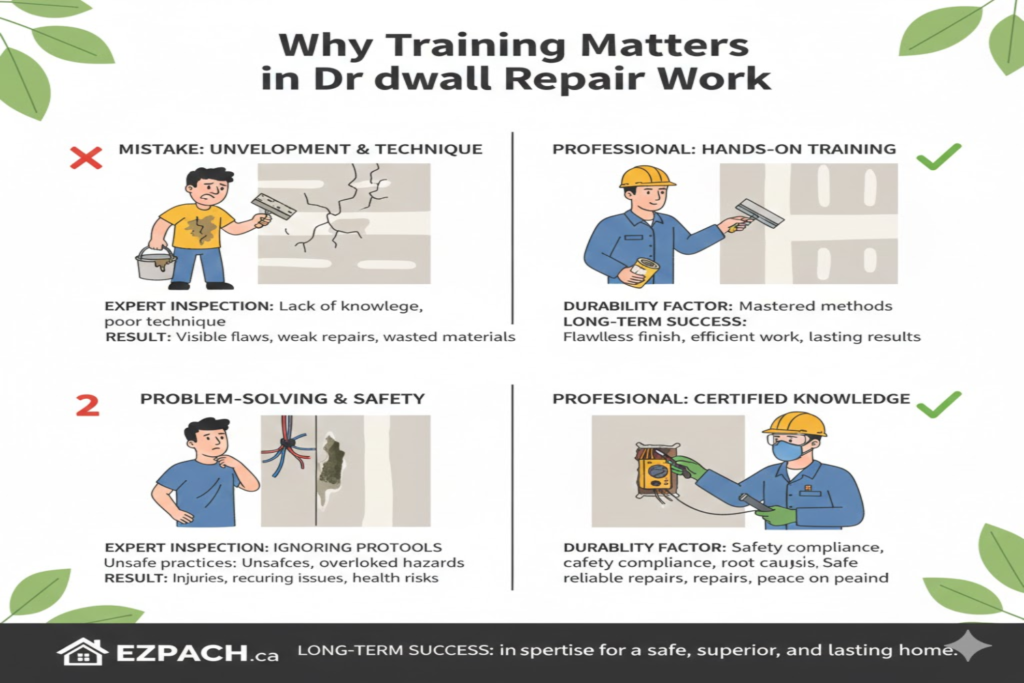
Proper training in drywall repair work is not just a formality—it is a crucial factor in ensuring high-quality results. Many homeowners and even some contractors underestimate the skill and precision required to achieve smooth, professional finishes. Without adequate training, mistakes like uneven surfaces, cracks, and weak joints become common, leading to costly repairs and rework.
Investing in training also improves efficiency on the job. Professionals who undergo proper training in drywall repair work can complete tasks faster and with greater accuracy. This reduces material wastage, saves time, and builds a reputation for reliability, which is essential for long-term success in the construction and renovation industry.
Understanding Drywall Repair Training
Training in drywall repair work equips individuals with the knowledge of different materials, tools, and techniques. Beginners often struggle to understand the nuances between patching a small hole and repairing water-damaged walls. Proper training ensures they can handle a wide variety of situations with confidence.
Additionally, trained professionals learn how to identify underlying issues that might not be immediately visible. This includes structural concerns, moisture damage, and improper installations. Addressing these problems early prevents future complications and ensures a durable repair.
Types of Drywall Repairs Covered in Training
Training programs cover a wide range of drywall repair techniques. These include patching holes, fixing cracks, sanding, and texturing surfaces. Learning these methods ensures repairs are seamless and long-lasting.
Benefits of Formal Training Programs
Formal training programs offer structured learning environments. Trainees gain hands-on experience under supervision, receive tips from experienced professionals, and learn industry standards. This structured approach reduces trial-and-error mistakes and builds confidence.
On-the-Job vs Classroom Training
On-the-job training provides practical exposure, while classroom training focuses on theory and problem-solving strategies. Both approaches are essential for mastering drywall repair work. Combining the two ensures comprehensive skill development.
Essential Tools and Techniques
Using the correct tools is vital in drywall repair work. Training teaches workers how to handle knives, trowels, sanding blocks, and drills effectively. Misuse of tools can damage walls, cause uneven finishes, and slow down the repair process.
Knowing the right techniques is equally important. For instance, applying joint compound requires patience and precision. Training emphasizes proper layering, drying times, and sanding methods, which significantly affect the outcome.
Knife Handling and Application
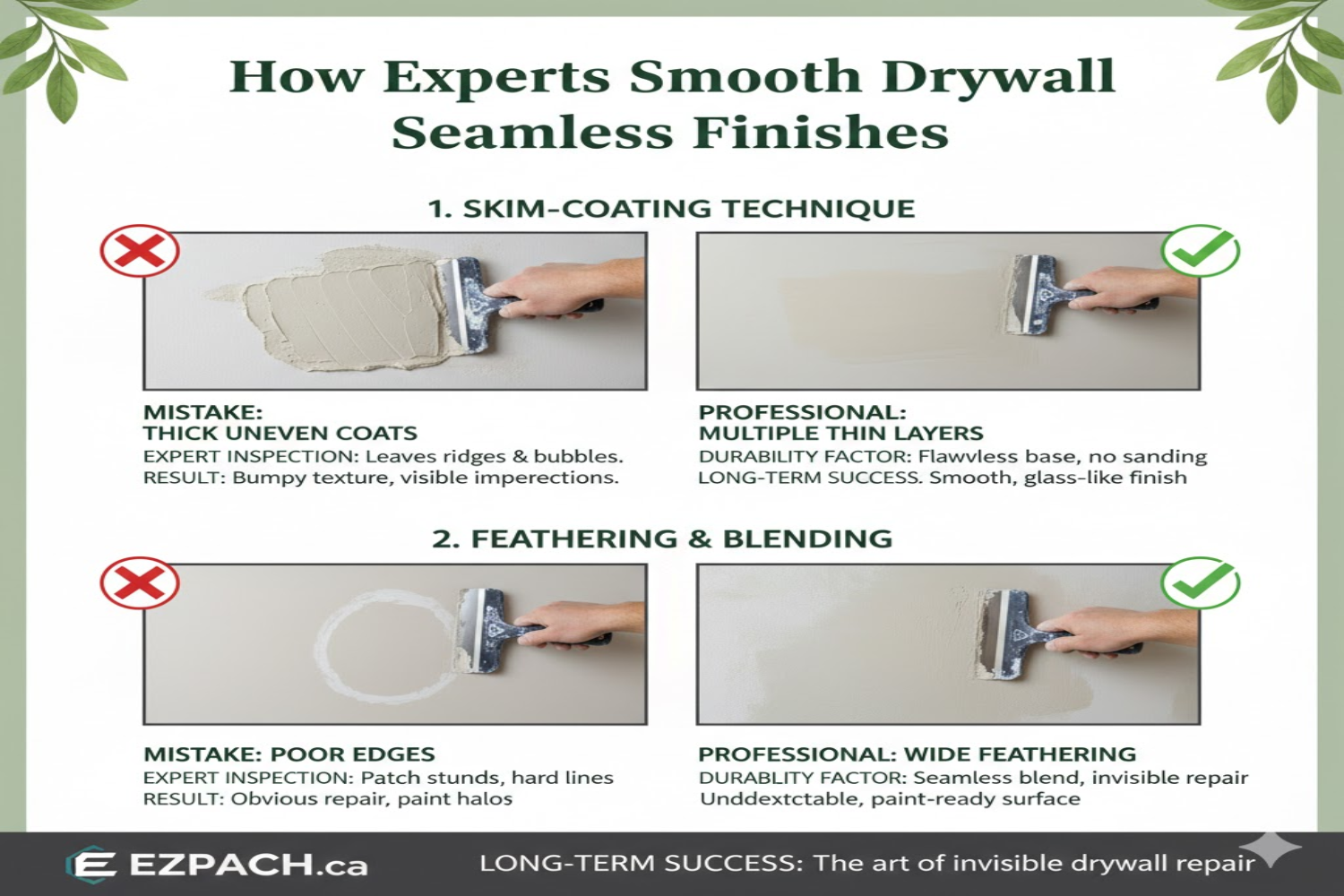
Proper knife handling ensures smooth application of joint compound. Trainees learn how to spread the compound evenly to prevent ridges and bubbles. This foundational skill is critical for achieving a professional finish.
Sanding and Smoothing
Sanding techniques can make or break a drywall repair. Training teaches the right pressure, motion, and grit selection for sanding. Over-sanding can weaken the repair, while under-sanding leaves an uneven surface.
Texturing Techniques
Different wall textures require different approaches. Training exposes learners to techniques like knockdown, orange peel, and skip trowel finishes. This knowledge allows them to match existing wall patterns accurately.
Safety Protocols in Drywall Repair
Safety is a major aspect of training in drywall repair work. Handling tools, dust, and chemicals improperly can lead to injuries or health hazards. Proper training emphasizes personal protective equipment (PPE), safe lifting practices, and dust management techniques.
Trainees also learn about electrical and structural safety. Understanding where wires, pipes, and studs are located prevents accidental damage and ensures repairs are conducted safely.
Protective Gear Essentials
Wearing gloves, masks, goggles, and knee pads is a basic safety requirement. Training programs demonstrate correct usage and maintenance of PPE.
Handling Materials Safely
Drywall sheets are heavy and unwieldy. Training teaches correct lifting techniques and the use of support tools like dollies and scaffolding.
Hazard Awareness
Being aware of hazards such as asbestos in older walls or mold in water-damaged areas is crucial. Training educates workers on identifying and mitigating these risks.
Common Mistakes Without Proper Training
Without proper training in drywall repair work, professionals often make repeated mistakes. Misaligned joints, excessive sanding, and improper taping are just a few examples. Such errors compromise the durability and aesthetics of repairs.
Training minimizes these mistakes by teaching the correct methods from the beginning. It also encourages problem-solving and attention to detail, both of which are essential for high-quality drywall repair.
Uneven Surfaces
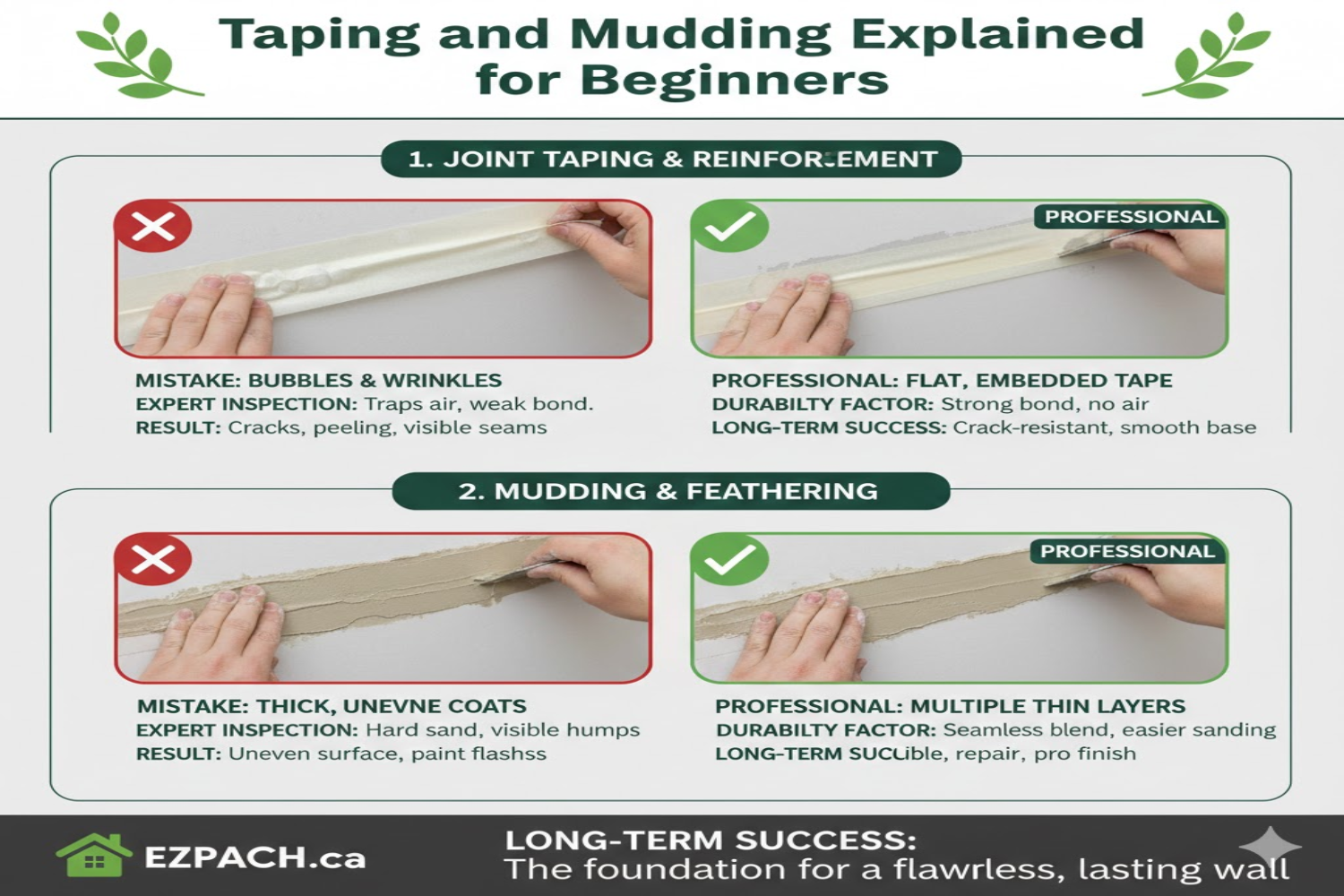
Uneven surfaces are a common complaint from untrained workers. Training emphasizes leveling techniques and the importance of multiple thin layers of compound.
Poor Joint Finishing
Joints that are poorly finished are prone to cracking. Proper training teaches techniques like feathering edges and consistent sanding to prevent visible seams.
Ignoring Moisture Damage
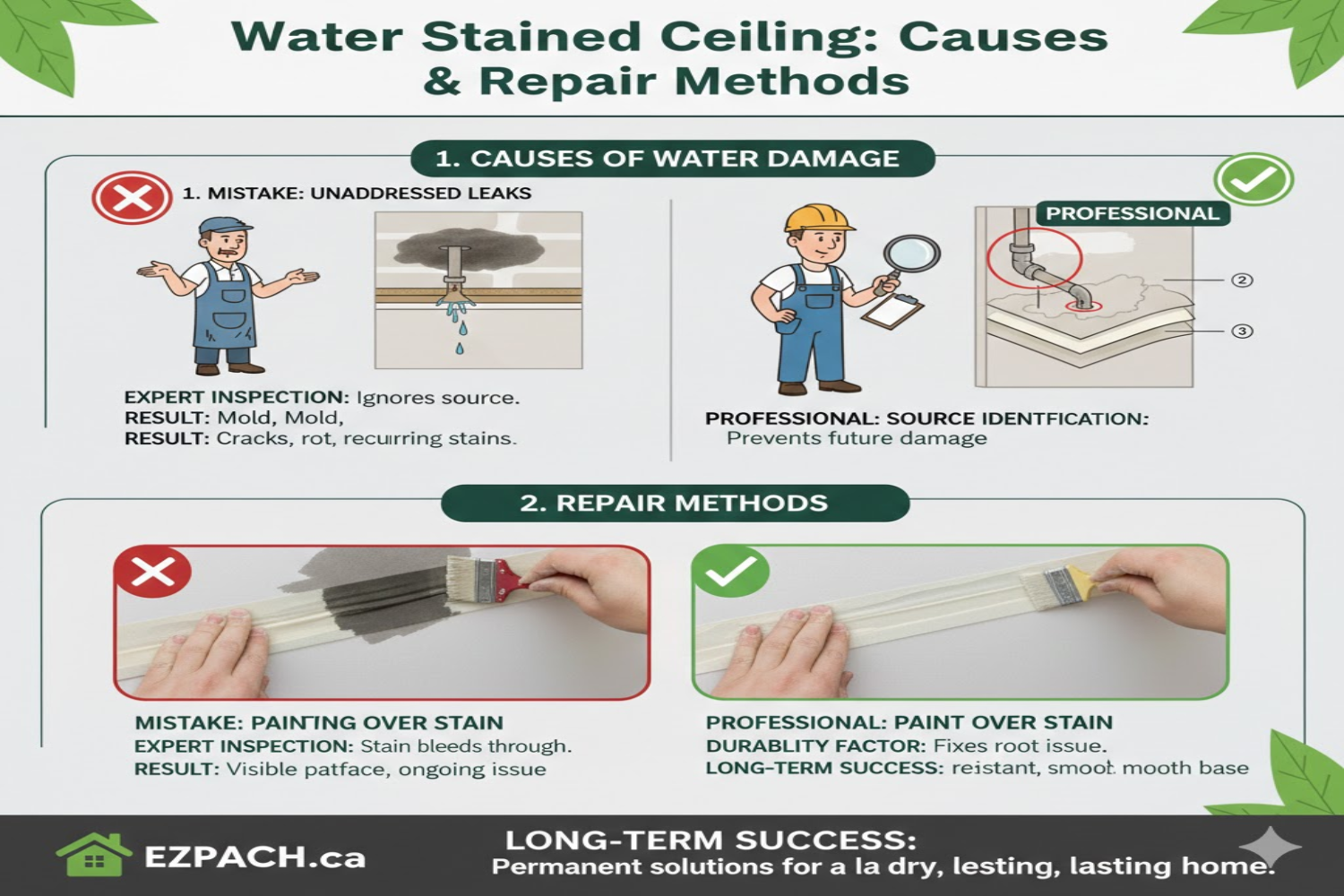
Untrained workers may overlook moisture damage behind the drywall. Training ensures professionals inspect, treat, and repair any hidden issues before proceeding.
Advancing Your Career Through Training
Training in drywall repair work not only improves skills but also enhances career prospects. Certified professionals often command higher rates, gain better employment opportunities, and are more likely to be trusted with complex projects.
Continued education, workshops, and certification programs allow experienced workers to stay updated with industry standards and innovative techniques. This professional growth is a key reason why ongoing training matters.
Cost Efficiency and Material Management
Proper training ensures cost-effective repairs. Skilled workers know the exact amount of joint compound, tape, and other materials required, reducing wastage.
Efficient material use also improves project timelines. Well-trained professionals complete repairs faster and more accurately, which benefits both the contractor and the client.
Calculating Material Needs
Training teaches how to estimate drywall sheets, joint compound, and tape accurately. This prevents overspending and minimizes leftover waste.
Reducing Rework Costs
Mistakes during repairs lead to rework, which consumes extra materials and time. Training reduces errors, ensuring projects stay within budget.
Equipment Maintenance
Proper care of tools prolongs their lifespan. Training emphasizes routine maintenance, cleaning, and storage practices.
Quality Control and Inspection
Training in drywall repair work also emphasizes quality control. Inspecting work at each stage helps catch minor issues before they become major problems.
This includes checking for smoothness, proper adhesion, correct thickness of compound layers, and seamless joints. Quality control ensures the repaired wall matches the original surface and meets professional standards.
Self-Inspection Techniques
Professionals learn how to evaluate their own work, identifying imperfections that need touch-ups.
Client-Focused Quality
Training instills the importance of meeting client expectations and maintaining professional standards.
Continuous Improvement
Feedback from inspections helps workers refine techniques and improve future repairs.
Training for Specialized Repairs
Some drywall repairs require specialized knowledge. Water-damaged walls, fire-damaged walls, and ceilings with texture or mold issues need advanced skills.
Training programs often include modules on these specialized scenarios. Workers learn how to remove damaged sections, treat underlying problems, and restore walls to their original condition.
Building Confidence and Professionalism
Confidence comes with competence. Proper training allows workers to tackle any repair with a calm, methodical approach.
Professionalism in drywall repair work also builds client trust. Trained workers communicate effectively, respect project timelines, and deliver high-quality finishes, enhancing their reputation in the industry.
Key Takeaways for Effective Drywall Repair Training
- Understand material types and their applications.
- Master tool handling and advanced techniques.
- Follow safety protocols and hazard awareness.
- Reduce common mistakes and rework costs.
- Enhance career growth and earning potential.
Conclusion
Training in drywall repair work is a vital investment for anyone in the construction or home improvement industry. It improves skill, efficiency, safety, and professionalism, resulting in higher-quality repairs. Properly trained workers minimize errors, reduce material waste, and gain the confidence needed to tackle complex projects.
Moreover, ongoing training ensures professionals remain updated with industry standards and evolving techniques. Whether for beginners or seasoned workers, structured training programs are essential for delivering consistent, reliable, and durable drywall repairs.
FAQs
Q1: How long does drywall repair training typically take?
Most formal programs last between a few days to several weeks, depending on skill level. Hands-on practice is usually included.
Q2: Can DIYers benefit from drywall repair training?
Yes, even basic courses help homeowners handle small repairs efficiently and avoid costly mistakes.
Q3: Are there certifications for drywall repair?
Yes, some organizations offer certifications that validate professional skills and knowledge.
Q4: Is online training effective for drywall repair?
Online training can teach theory, but hands-on practice is essential for skill mastery.
Q5: Do trained workers need supervision?
Experienced trainees often require minimal supervision once they demonstrate competence.
Q6: Does training include learning about wall textures?
Yes, most programs cover a variety of texture techniques to match existing surfaces.
Q7: How often should professionals update their training?
Continuous learning is recommended, especially when new tools or materials emerge.
Q8: Can training reduce project timelines?
Absolutely, skilled workers complete repairs faster while maintaining high-quality finishes.
Drywall Repair Halifax
EZ Patch offers clean, professional drywall, ceiling, plaster, and water damage repair services in Halifax with minimal mess and long-lasting results.
EZ Patch – Drywall Repair Experts
Trusted drywall repair professionals serving Halifax and nearby areas.
Drywall Patch & Repair
Seamless drywall repairs for holes, cracks, dents, and damaged walls.
Ceiling Repairs
Professional ceiling repair services for stains, cracks, and water damage.
Drywall Installation
Complete drywall installation services for renovations and new builds.
Taping & Mudding
Smooth, paint-ready wall finishes by expert drywall finishers.
Plaster Repair Experts
Precision plaster repair services while maintaining original wall texture.
Water Damage Repair
Drywall and ceiling restoration for properties affected by water damage.
Texture Matching
Accurate texture blending so repaired areas match existing finishes.
Installation, Repair & Removal
End-to-end drywall installation, repair, and removal solutions.