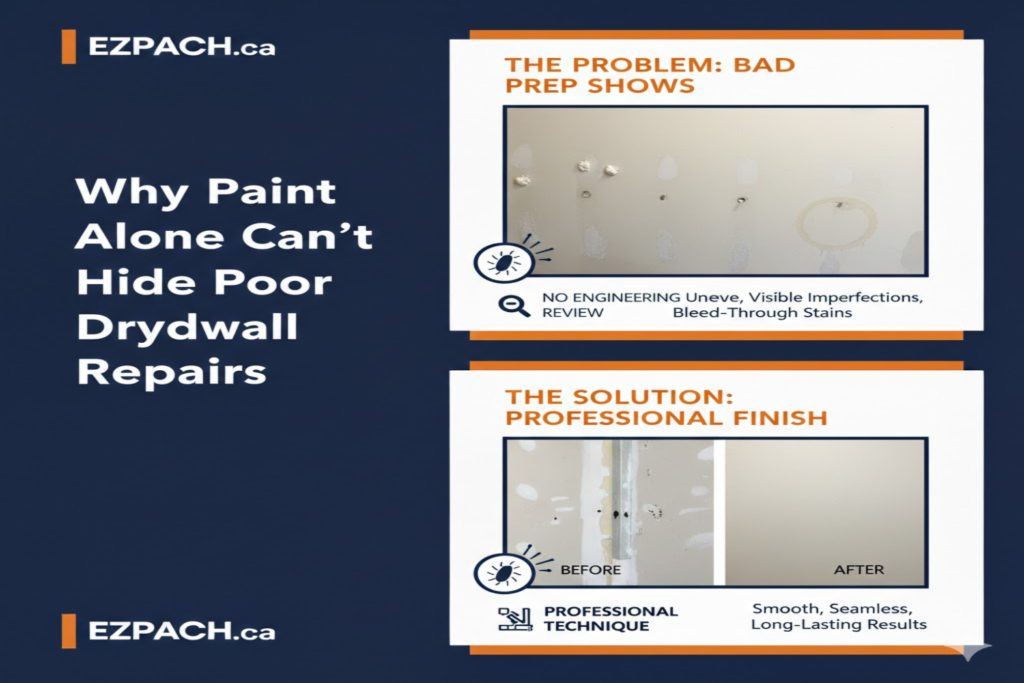
Drywall is the backbone of modern interiors, providing smooth, clean walls and ceilings that can be painted, wallpapered, or finished in other decorative ways. While paint can significantly enhance the appearance of a wall, it is not a solution for structural or repair issues within the drywall itself. Poor drywall repairs—whether due to improper patching, joint failures, sagging panels, or water damage—will inevitably show through paint over time.
Many homeowners assume that a fresh coat of paint can cover minor imperfections and restore a wall to its original condition. However, this is often a temporary and misleading solution. Even high-quality paint cannot correct problems like misaligned studs, uneven joints, or water-damaged panels. Without addressing the root causes, these issues will continue to reappear, undermining both the aesthetics and the durability of the wall.
Understanding the Limitations of Paint
Paint is primarily a cosmetic tool. It provides color, surface protection, and a uniform finish, but it does not offer structural support or repair underlying weaknesses in drywall. Attempting to hide major cracks, bulges, or sagging panels with paint is like putting a bandage over a broken bone—it looks fine initially, but fails under stress.
Even with multiple coats, paint cannot fix uneven seams, improperly sanded patches, or improperly secured panels. Over time, flaws in joint compound or low-quality repairs will become visible, especially in areas with natural light or high humidity. Paint may temporarily mask minor scratches or small imperfections, but without proper repair, these issues will eventually resurface, leading to frustration and repeated repair costs.
Cosmetic Solutions vs. Structural Problems
While paint can improve the visual appearance of a wall, it cannot solve structural problems. Proper drywall repair requires patching, sanding, reinforcing, and sometimes addressing the framing behind the wall. Cosmetic fixes are temporary, and paint alone cannot correct the underlying causes of drywall failure.
Temporary Concealment
Paint can hide minor scratches or blemishes initially, but repeated wall movement, moisture intrusion, or poorly adhered patches will reveal the problems over time. Only proper repair techniques, combined with reinforcement where necessary, will ensure that the wall remains smooth and durable under paint.
Common Causes of Poor Drywall Repairs
Several factors contribute to substandard drywall repairs, all of which paint alone cannot remedy. The most common causes include improper repair methods, use of low-quality materials, and unskilled labor.
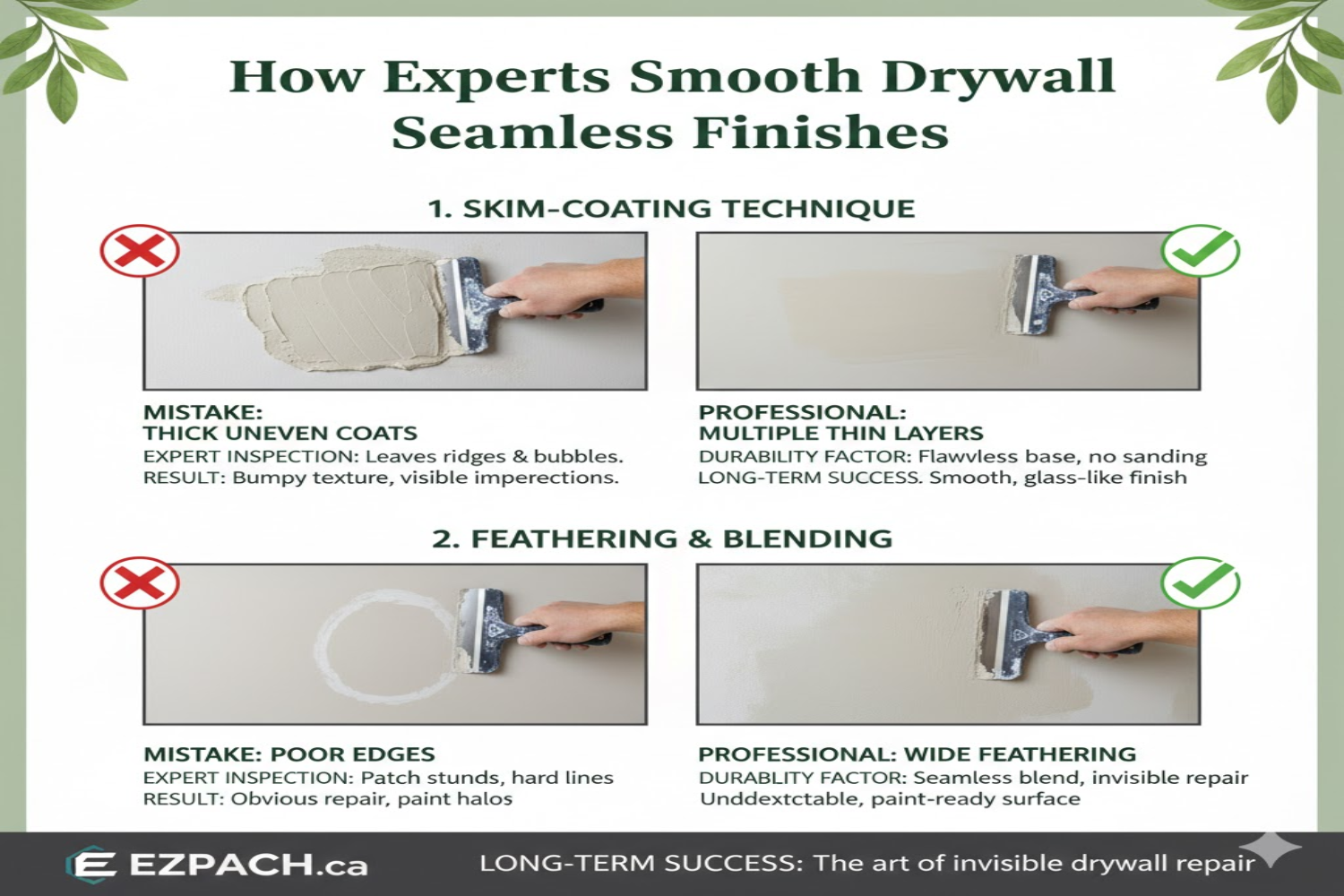
Shortcuts such as overfilling cracks, skipping sanding, or using the wrong joint compound may seem efficient but lead to reduced durability. Painting over these fixes does nothing to address the underlying structural weaknesses, which eventually cause cracks, bubbling, and peeling.
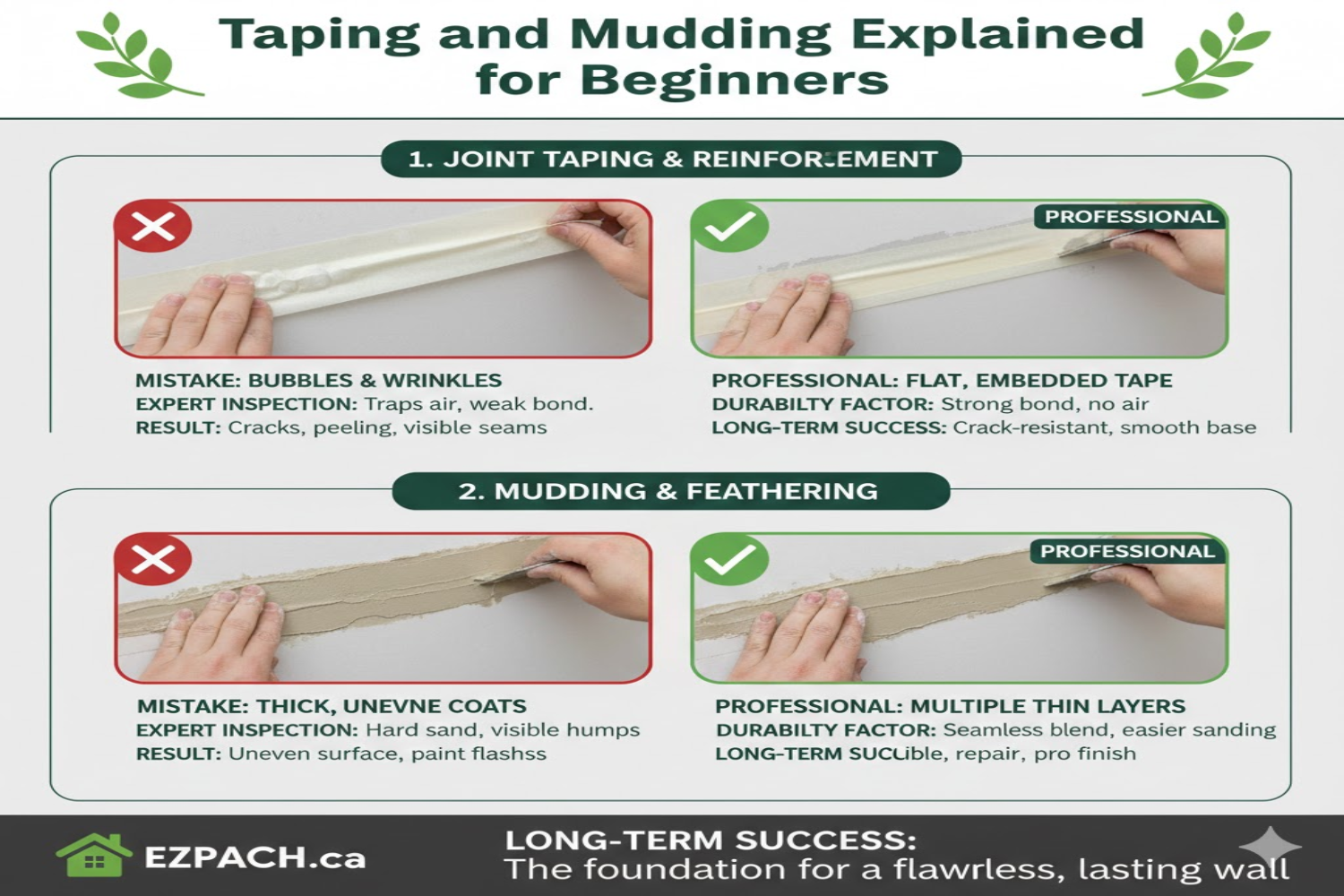
Improper Joint Taping
Incorrect application of joint tape often results in bubbling, visible seams, and uneven surfaces. These flaws are especially noticeable after painting, as paint highlights the imperfections rather than concealing them.
Substandard Patching Materials
Using low-quality compounds or mismatched patches compromises the integrity of the repair. Over time, these areas shrink, crack, or separate from the surrounding drywall, making the flaws visible even through several layers of paint.
Fastener and Stud Issues
Loose nails or screws, misaligned studs, or insufficient framing reinforcement create stress points on the drywall. Paint cannot stabilize these weak spots, and fastener pops or joint separation will appear, reducing both visual appeal and durability.
The Impact of Moisture on Drywall Repairs
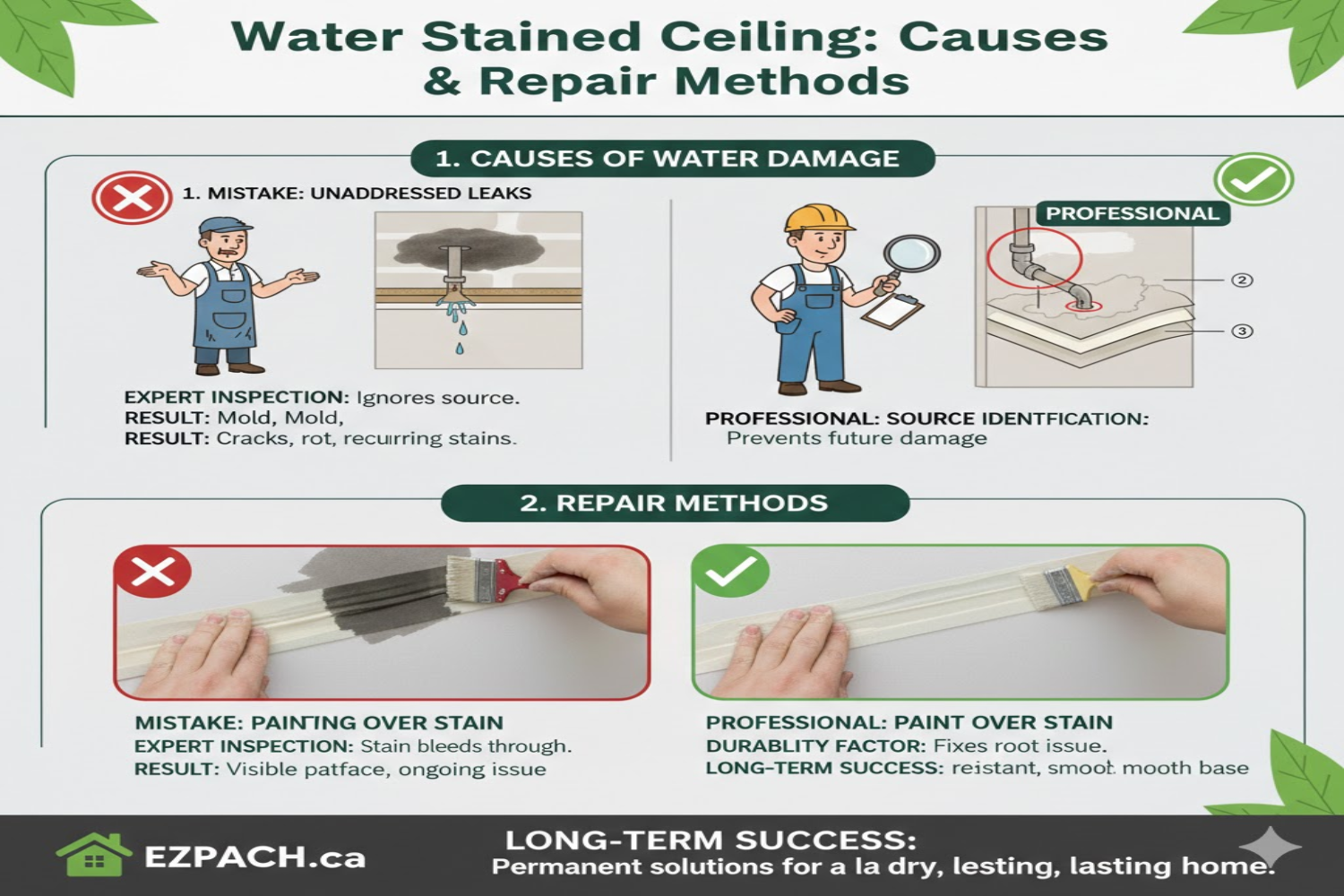
Moisture is one of the most common enemies of drywall repairs. Even minor exposure to water can weaken patched areas, causing paint to peel, crack, or bubble. Areas near bathrooms, kitchens, or leaky roofs are particularly vulnerable to this problem.
Paint alone cannot prevent moisture damage because it does not reinforce or seal the drywall behind it. Over time, water infiltration leads to warping, bulging, or mold growth, all of which become highly visible regardless of the number of paint coats applied.
Warping and Bulging
Water-damaged areas often warp or bulge, creating uneven surfaces. No amount of paint can restore the drywall to a flat, smooth state, and the flaws will become more apparent over time.
Mold Growth
Persistent moisture can lead to mold development, which paint cannot hide. Mold not only compromises the appearance of the wall but also poses serious health risks. Proper moisture-resistant drywall and correct repair techniques are essential before painting.
Structural Integrity and Framing Issues
The structural framing behind drywall plays a major role in the success of any repair. Weak, misaligned, or improperly spaced studs can place undue stress on patched areas, leading to cracks and joint separation. Paint will not correct these underlying structural issues; it merely sits on the surface of the problem.
Walls with poor framing may appear smooth immediately after painting, but can quickly develop hairline cracks, sagging panels, and visible seams. Reinforcing the framing or correcting misalignments is critical for long-lasting repairs that hold up under paint.
Signs That Paint Cannot Mask Problems
Recognizing the signs that paint cannot fix is crucial for homeowners and contractors. Common indicators include:
- Hairline cracks that reappear after repainting.
- Bubbling or peeling paint over repaired areas.
- Uneven wall surfaces or lumpy patches.
- Nail pops or screw backing along seams.
- Moisture stains or warped sections show through the paint.
Ignoring these signs and relying on paint alone leads to repeated repairs, wasted money, and decreased property value.
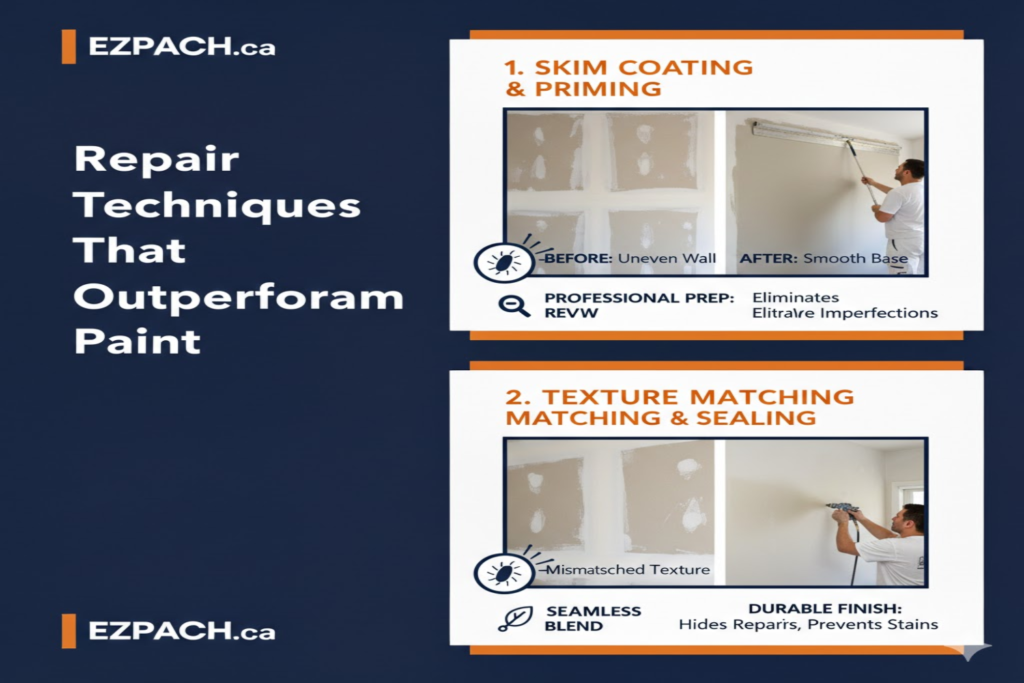
Repair Techniques That Outperform Paint
To ensure that drywall repairs are truly long-lasting, proper techniques must be employed:
- Complete Removal: Damaged drywall sections should be cut out rather than patched superficially.
- High-Quality Joint Compound: Use premium compounds for smooth, durable finishes.
- Sanding and Finishing: Proper sanding eliminates ridges and bumps, creating a surface that paint can truly enhance.
- Framing Reinforcement: Add blocking or realign studs to provide solid support behind patches.
- Moisture Protection: Use moisture-resistant drywall in high-humidity areas to prevent future damage.
These strategies ensure that repairs last longer and that paint enhances rather than temporarily masks imperfections.
The Cost of Relying on Paint Alone
Relying solely on paint to cover poor repairs is often more expensive in the long run. While a fresh coat may temporarily improve appearance, flaws reemerge, requiring repeated painting and patching.
Investing in proper drywall repair upfront is more economical, as it reduces the frequency of repairs, minimizes labor costs, and ensures that walls remain structurally sound. Paint should be the final step, not the primary method of repair.
Short-Term vs. Long-Term Solutions
Temporary fixes like painting over cracks do not address the root cause. Long-term solutions require structural repair, proper patching, and surface finishing.
Labor and Material Costs
Repeated painting increases both labor and material expenses. Correcting issues properly the first time is a smarter financial investment and results in more durable walls.
DIY vs. Professional Repairs
While DIY repairs may seem cost-effective, improper techniques often result in poor results that paint cannot conceal. Professionals have the tools, experience, and knowledge to identify structural weaknesses and apply repairs correctly.
- Professionals assess framing and structural integrity before repair.
- High-quality materials are used for adhesion and durability.
- Sanding and finishing techniques are applied for smooth, paint-ready surfaces.
- Framing reinforcement is provided when necessary, ensuring longevity.
Maintenance Tips to Preserve Drywall and Paint
Even after proper repair, ongoing maintenance is necessary to protect both drywall and paint:
- Avoid prolonged exposure to moisture.
- Inspect walls regularly for hairline cracks or joint separation.
- Reapply paint only after the wall is smooth and fully repaired.
- Reinforce high-stress areas to prevent joint failure.
- Address minor cracks promptly to prevent them from expanding.
These steps help maintain both the aesthetic and functional integrity of your walls.
Conclusion
Paint alone cannot hide poor drywall repairs. While it enhances appearance temporarily, it cannot correct structural weaknesses, moisture damage, or improperly patched areas. Proper repair methods—including patching, sanding, reinforcing, and framing correction—are essential for walls that are durable and visually appealing.
Investing in quality materials, professional techniques, and preventative maintenance ensures that your drywall remains smooth, strong, and ready for paint. Paint should serve to enhance repairs, not cover up unresolved problems. Addressing the root cause first ensures lasting beauty and structural integrity in your home.
FAQs
1. Can I just paint over small cracks in drywall?
Small cracks may appear temporarily concealed, but they often return. Proper patching ensures long-term durability.
2. How important is sanding before painting repaired drywall?
Sanding creates a smooth, level surface for paint adhesion. Skipping this step highlights imperfections under the paint.
3. Can moisture-resistant paint prevent drywall damage?
It helps slow moisture-related issues but does not fix weak or damaged drywall. Proper repairs are required first.
4. What is the role of framing in drywall repair longevity?
Framing provides structural support. Weak or misaligned studs can cause patched areas to crack regardless of paint.
5. How long should repaired drywall cure before painting?
Typically 24–48 hours, depending on joint compound thickness and humidity. Full curing prevents shrinkage cracks.
6. Are corner beads necessary for patched drywall?
Yes, they reinforce edges and prevent cracking. Paint alone cannot stabilize weak corners.
7. Can DIY drywall repairs last as long as professional ones?
With proper technique and materials, yes, but professionals are more likely to detect hidden structural issues.
8. How often should repaired walls be inspected?
Every few months for cracks, bubbling paint, or nail pops. Early intervention prevents larger issues.
Drywall Repair Halifax
EZ Patch offers clean, professional drywall, ceiling, plaster, and water damage repair services in Halifax with minimal mess and long-lasting results.
EZ Patch – Drywall Repair Experts
Trusted drywall repair professionals serving Halifax and nearby areas.
Drywall Patch & Repair
Seamless drywall repairs for holes, cracks, dents, and damaged walls.
Ceiling Repairs
Professional ceiling repair services for stains, cracks, and water damage.
Drywall Installation
Complete drywall installation services for renovations and new builds.
Taping & Mudding
Smooth, paint-ready wall finishes by expert drywall finishers.
Plaster Repair Experts
Precision plaster repair services while maintaining original wall texture.
Water Damage Repair
Drywall and ceiling restoration for properties affected by water damage.
Texture Matching
Accurate texture blending so repaired areas match existing finishes.
Installation, Repair & Removal
End-to-end drywall installation, repair, and removal solutions.