Drywall repairs are a common home improvement task, yet many homeowners experience frustration when fixes fail within months. Understanding why drywall repairs fail after a few months is essential to prevent recurring damage, wasted effort, and unnecessary costs. Many of these failures are due to improper techniques, material incompatibility, or underlying wall issues that go unnoticed during repairs.
Proper drywall repair requires more than just filling cracks or holes; it involves preparation, correct materials, and proper finishing. Failing to address the root causes of wall damage often results in peeling, cracking, or sagging. By identifying the reasons behind these common failures, homeowners can ensure long-lasting, durable repairs that maintain both function and appearance.
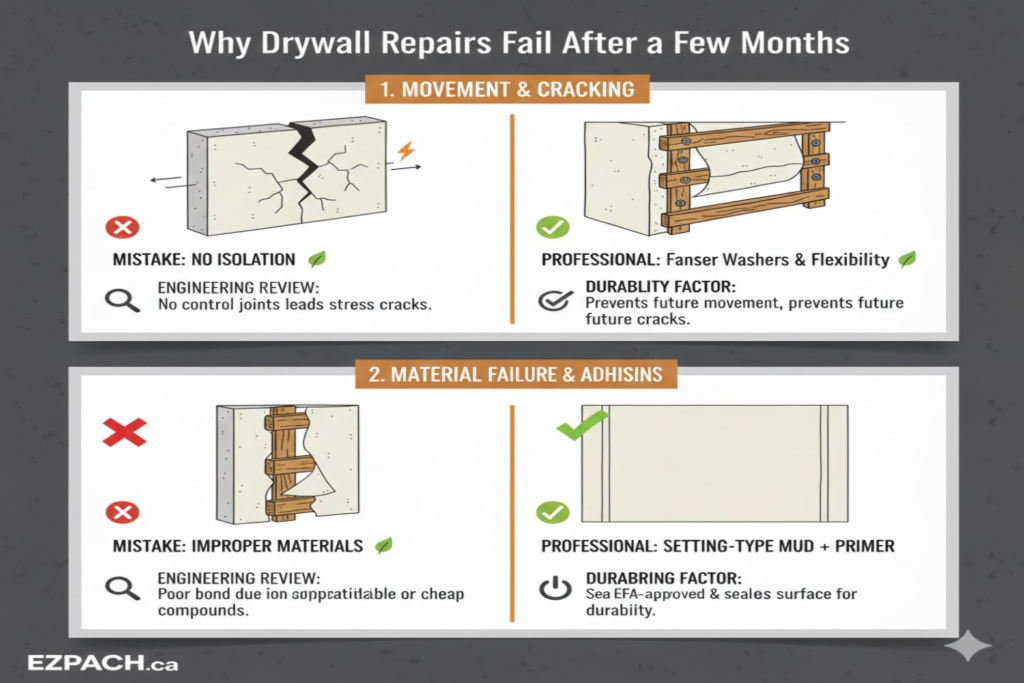
Common Causes of Drywall Repair Failures
Drywall repairs fail for a variety of reasons, most of which can be avoided with proper techniques and knowledge. Recognizing these common pitfalls allows homeowners and professionals to take preventive measures.
Poor Surface Preparation
The success of any drywall repair starts with preparing the surface. Dust, loose material, or moisture on the wall prevents joint compound from adhering properly. Without thorough cleaning and sanding, repairs will fail quickly and may develop cracks or peeling within weeks.
Incorrect Material Selection
Using the wrong type of joint compound or patching material is another frequent cause. Quick-dry compounds or lightweight fillers may not be suitable for larger holes or areas with structural stress. Matching materials to the repair type ensures adhesion, durability, and flexibility over time.
Ignoring Underlying Wall Damage
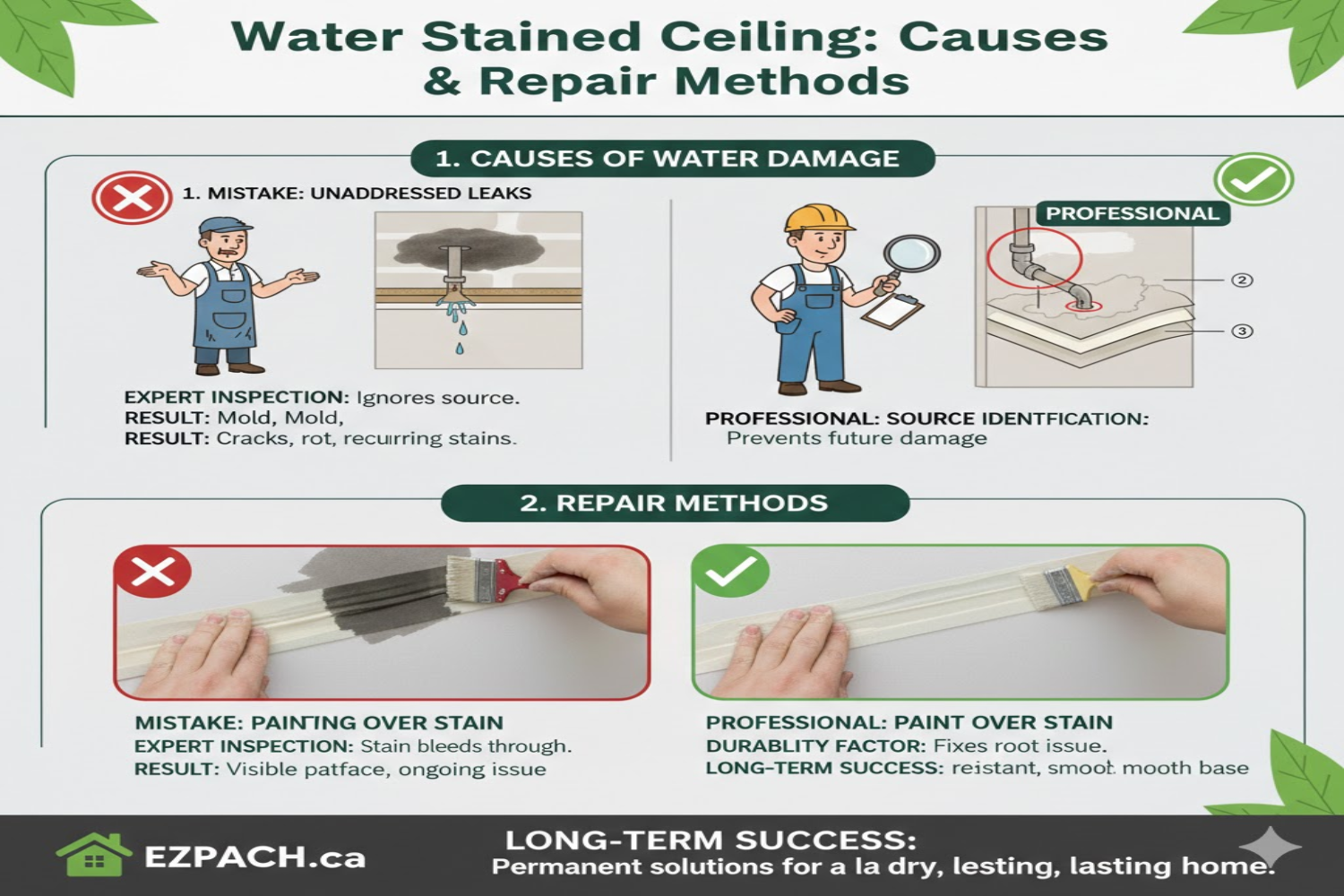
Repairing only the surface without addressing structural or moisture issues often leads to failure. Leaks, mold, or wall movement can compromise even the best patching work. Identifying and resolving these underlying problems is essential for a successful, long-lasting repair.
Installation and Technique Mistakes
Even with the correct materials, poor application techniques can cause repairs to fail prematurely.
Improper Taping and Jointing
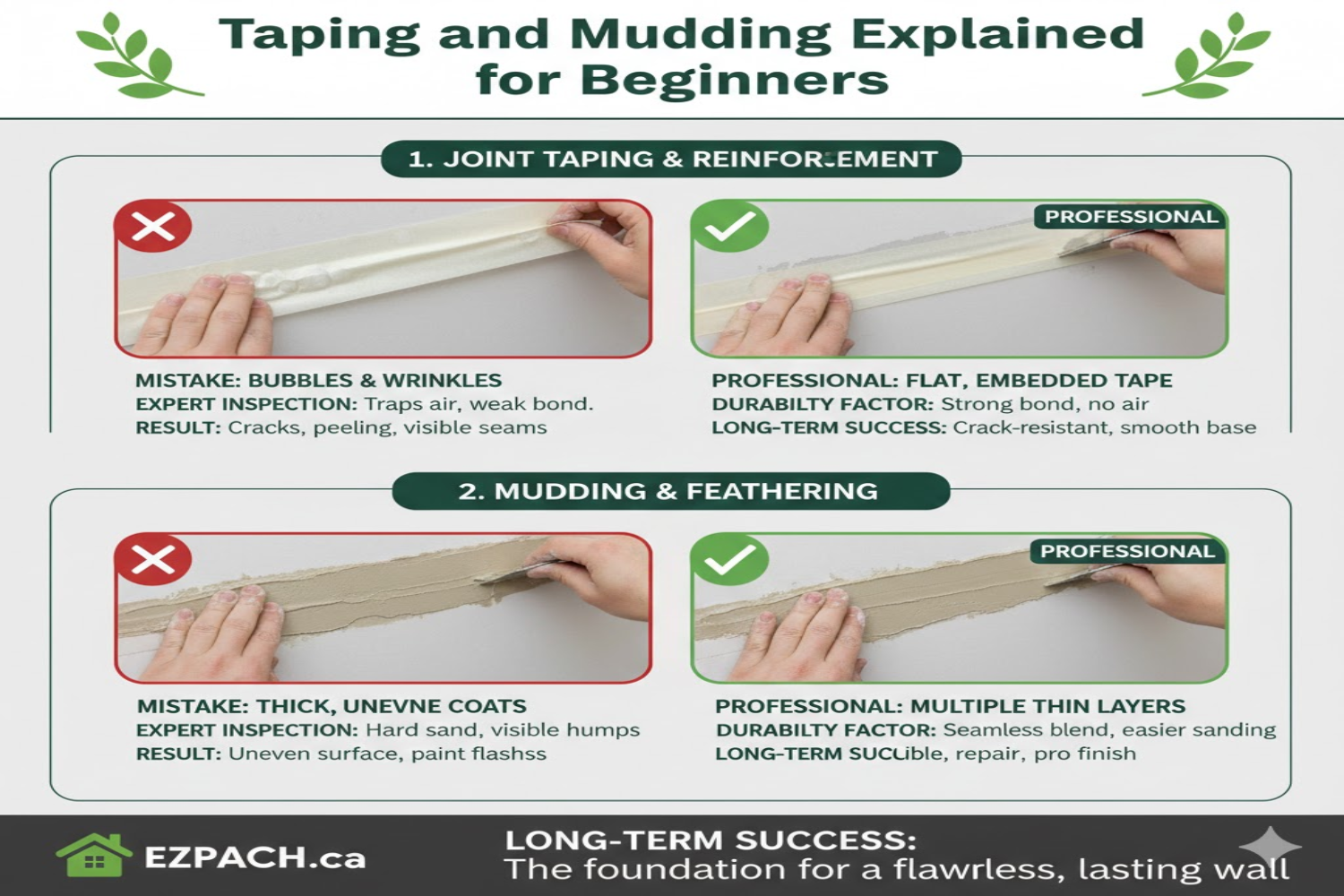
Incorrect taping or insufficient joint compound can leave seams weak. Overlapping or under-layered tape may result in cracks forming along the repaired area. Proper jointing techniques distribute stress evenly and prevent the repaired section from separating.
Inadequate Layering
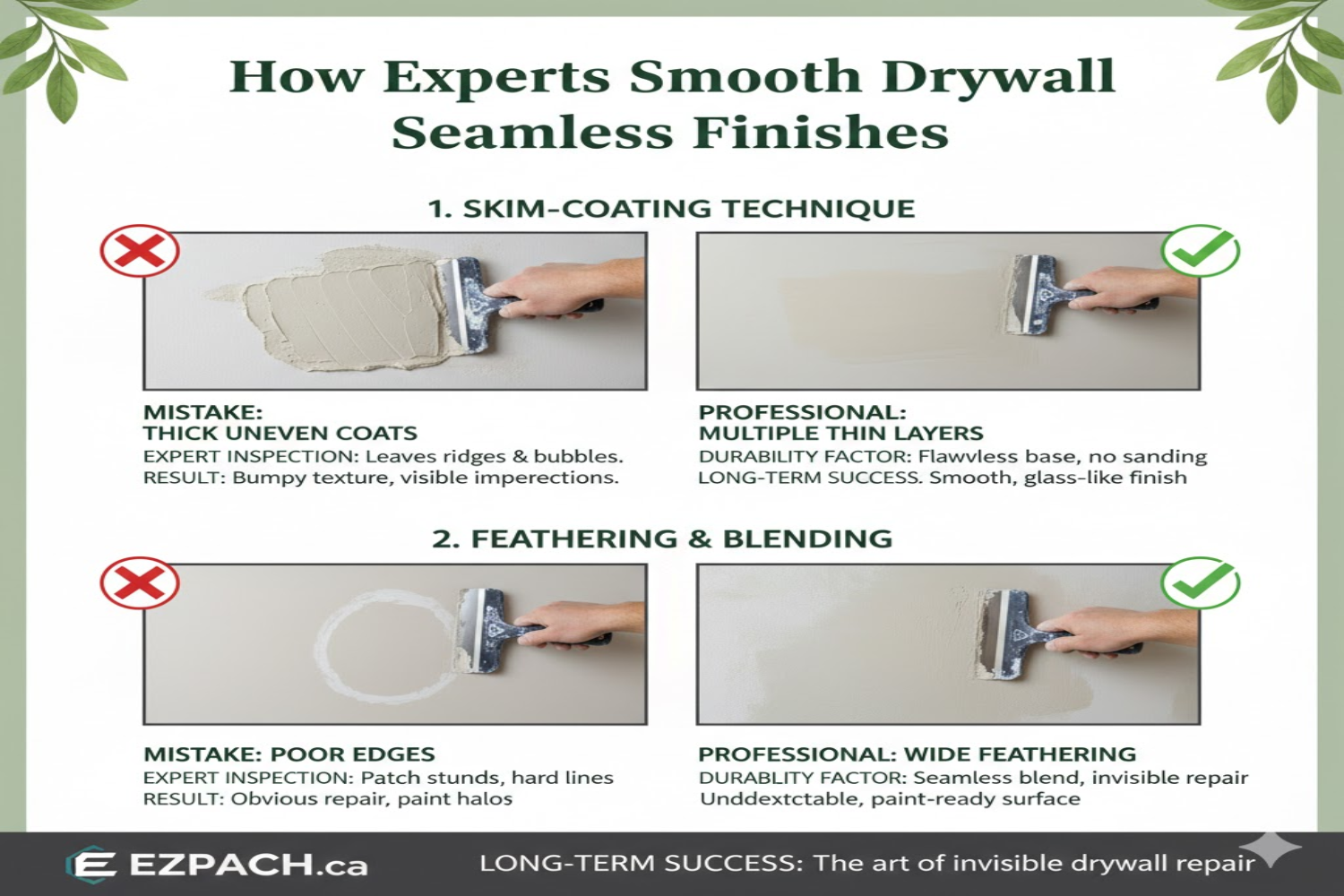
Drywall compound should be applied in multiple thin layers, allowing each layer to dry before adding the next. Skipping layers or applying thick coats can cause shrinkage, cracking, or bubbling. Patience and precision during layering significantly increase repair longevity.
Insufficient Sanding and Finishing
Finishing is often overlooked, yet it is critical for smooth, durable repairs. Rough surfaces or uneven sanding create weak points where cracks may appear. Proper finishing ensures the repaired area blends seamlessly and withstands regular wear and tear.
Environmental and Structural Factors
Beyond materials and techniques, environmental conditions and wall structure play a major role in repair success.
Moisture and Humidity
High humidity or water leaks weaken drywall, causing patches to bubble or delaminate. Repairing damp walls without addressing moisture sources almost guarantees failure. Proper ventilation and moisture control are crucial for repairs to last.
Wall Movement
Buildings naturally settle over time, and minor wall movement can cause previously repaired areas to crack. This is particularly common in homes with wood framing or old foundations. Accounting for wall movement with flexible joint compounds reduces the likelihood of failure.
Temperature Fluctuations
Extreme temperatures, especially rapid changes, can cause expansion and contraction in drywall. Repairs made during unsuitable conditions may not cure properly. Ensuring repairs are done in stable environments improves durability.
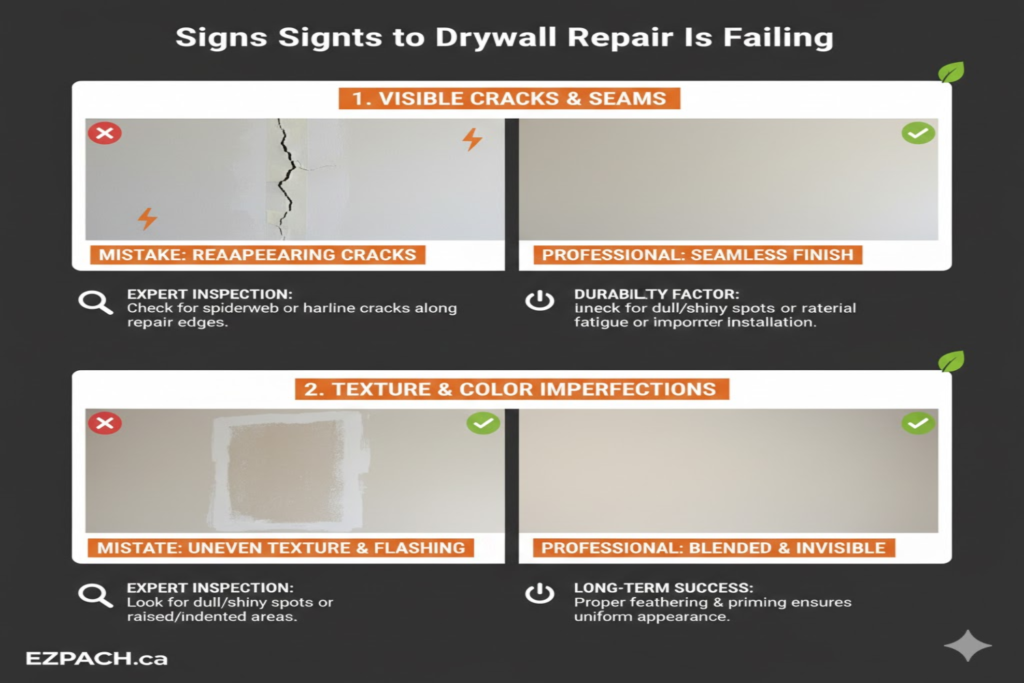
Signs That a Drywall Repair Is Failing
Recognizing early signs of failure helps prevent further damage.
Hairline Cracks
Small cracks appearing along repaired seams often indicate underlying movement or improper compound application. Monitoring these cracks allows early intervention.
Bubbling or Peeling
Bubbles or flaking paint over repaired areas are signs of moisture or poor adhesion. Immediate action can prevent larger patches of wall from failing.
Sagging Sections
A bulging or sagging repair indicates insufficient backing or inadequate compound layering. Reinforcing or replacing the repair is necessary to maintain wall integrity.
How to Ensure Drywall Repairs Last
Following best practices guarantees that repairs are durable and visually appealing.
- Thorough Surface Prep: Remove dust, grease, and loose material before applying compounds.
- Use Appropriate Materials: Match joint compound, mesh tape, and fillers to repair type.
- Address Underlying Problems: Fix leaks, mold, and structural weaknesses before patching.
- Multiple Thin Layers: Apply compound in thin coats, allowing each to dry fully.
- Proper Finishing: Sand evenly, prime, and paint to match the surrounding walls.
- Temperature and Humidity Control: Ensure stable conditions for curing.
- Corner and Edge Reinforcement: Use beads or tape to prevent cracks.
Common Misconceptions About Drywall Repairs
Many repair failures stem from homeowner misunderstandings about drywall.
Quick Fixes Work Long-Term
Temporary solutions like lightweight fillers or glue patches rarely last. Long-term durability requires proper technique, material, and attention to underlying issues.
All Wall Cracks Are Cosmetic
Not all cracks are superficial. Some indicate movement or moisture problems, which must be addressed to prevent recurring failures.
Painting Hides Imperfections
Paint can mask cracks and bubbles temporarily, but it does not reinforce the repair. Proper preparation, finishing, and material selection are essential for lasting repairs.
Conclusion
Understanding why drywall repairs fail after a few months is essential for homeowners and DIY enthusiasts. Common failures stem from poor surface preparation, incorrect materials, environmental factors, and overlooked underlying damage. Addressing these issues during repair ensures patches last longer and reduces maintenance costs.
By investing in proper techniques, materials, and inspection of wall conditions, repairs can remain strong, visually appealing, and durable. Patience, attention to detail, and proactive maintenance ultimately prevent recurring failures, preserving both the appearance and function of interior walls.
FAQs
1. Why do small cracks reappear after a drywall repair?
Reappearing cracks often result from wall movement or shrinkage of the joint compound. Proper layering and flexible materials reduce recurrence.
2. Can moisture cause a newly repaired drywall area to fail?
Yes, moisture weakens adhesion and causes bubbling or peeling. Repairing leaks before patching prevents this issue.
3. Are lightweight fillers reliable for large holes?
No, lightweight fillers are suitable for minor cracks only. Large holes require mesh backing and durable compounds.
4. How long should joint compound dry between layers?
Each layer should dry completely, typically 12–24 hours depending on thickness and humidity. Proper drying prevents shrinkage and cracking.
5. Does wall age affect drywall repair success?
Older walls may have more movement or degraded drywall, increasing the risk of patch failure. Reinforcement and proper prep are essential.
6. Can I paint immediately after drywall repair?
No, the repaired area should be primed and fully dry before painting. This ensures adhesion and a smooth finish.
7. Why do repaired corners crack faster than flat sections?
Corners experience more stress from movement, and insufficient reinforcement causes cracks. Use corner tape or corner bead for durability.
8. Is professional repair more reliable than DIY?
Yes, professionals have the skills and materials to ensure long-lasting repairs. Proper technique reduces the likelihood of early failure.
Drywall Repair Halifax
EZ Patch offers clean, professional drywall, ceiling, plaster, and water damage repair services in Halifax with minimal mess and long-lasting results.
EZ Patch – Drywall Repair Experts
Trusted drywall repair professionals serving Halifax and nearby areas.
Drywall Patch & Repair
Seamless drywall repairs for holes, cracks, dents, and damaged walls.
Ceiling Repairs
Professional ceiling repair services for stains, cracks, and water damage.
Drywall Installation
Complete drywall installation services for renovations and new builds.
Taping & Mudding
Smooth, paint-ready wall finishes by expert drywall finishers.
Plaster Repair Experts
Precision plaster repair services while maintaining original wall texture.
Water Damage Repair
Drywall and ceiling restoration for properties affected by water damage.
Texture Matching
Accurate texture blending so repaired areas match existing finishes.
Installation, Repair & Removal
End-to-end drywall installation, repair, and removal solutions.