Drywall repair may seem simple, but it involves much more than just filling holes in walls. Proper repair ensures structural integrity, seamless finishes, and long-lasting durability. Homeowners often underestimate the complexity involved in patching drywall, leading to cracks, uneven surfaces, or paint issues later on.
Beyond aesthetics, drywall plays a key role in insulation, fire resistance, and soundproofing. Effective repair addresses not just cosmetic imperfections but also potential underlying damage, ensuring the wall remains functional and safe.
What Makes Drywall Repair More Complex Than It Appears?
Many people assume a small hole can be patched quickly without expertise. However, even minor repairs require proper preparation, material selection, and finishing techniques to blend seamlessly with existing walls.
Factors such as drywall type, joint placement, and wall texture affect the repair process. Using the wrong filler or skipping sanding can result in uneven surfaces, visible seams, or weak patches that fail over time.
Wall Material Considerations
Different drywall types require specific compounds for proper adhesion.
Joint Placement
Seams near corners or studs need careful reinforcement to prevent cracks.
Surface Texture Matching
Matching the wall’s existing texture ensures invisible repairs.
How Does Proper Preparation Impact Drywall Repair?
Proper preparation is the foundation of a successful drywall repair. Without cleaning, sanding, and priming the damaged area, patches may not adhere properly, resulting in cracks or uneven surfaces. Taking the time to prepare ensures a smoother, longer-lasting repair that blends seamlessly with the surrounding wall.
- Cleaning the Area: Remove dust, debris, and loose drywall for better adhesion of fillers.
- Cutting and Shaping Edges: Create a clean, squared opening to support the patch securely.
- Sanding the Surface: Smooth rough edges to prevent visible bumps or ridges after patching.
- Priming Before Patching: Helps the joint compound bond properly and prevents future peeling.
- Protecting Surrounding Walls: Use tape or plastic to avoid accidental damage during repair.
What Are the Different Methods of Drywall Repair?
Drywall repair techniques vary depending on the size and type of damage. Small holes can be patched with spackling, while larger holes require mesh patches, tape, or replacement of entire sections.
Choosing the correct method ensures longevity and prevents future cracking. Improper methods may appear fine initially but can deteriorate over time, causing repeated repairs.
Small Hole Repairs
Use spackle or lightweight joint compound for holes up to 1/2 inch.
Medium Hole Repairs
Mesh or fiberglass patches provide additional strength.
Large Section Replacement
Cutting out and replacing the damaged drywall ensures structural integrity.
Why Finishing and Sanding Are Crucial
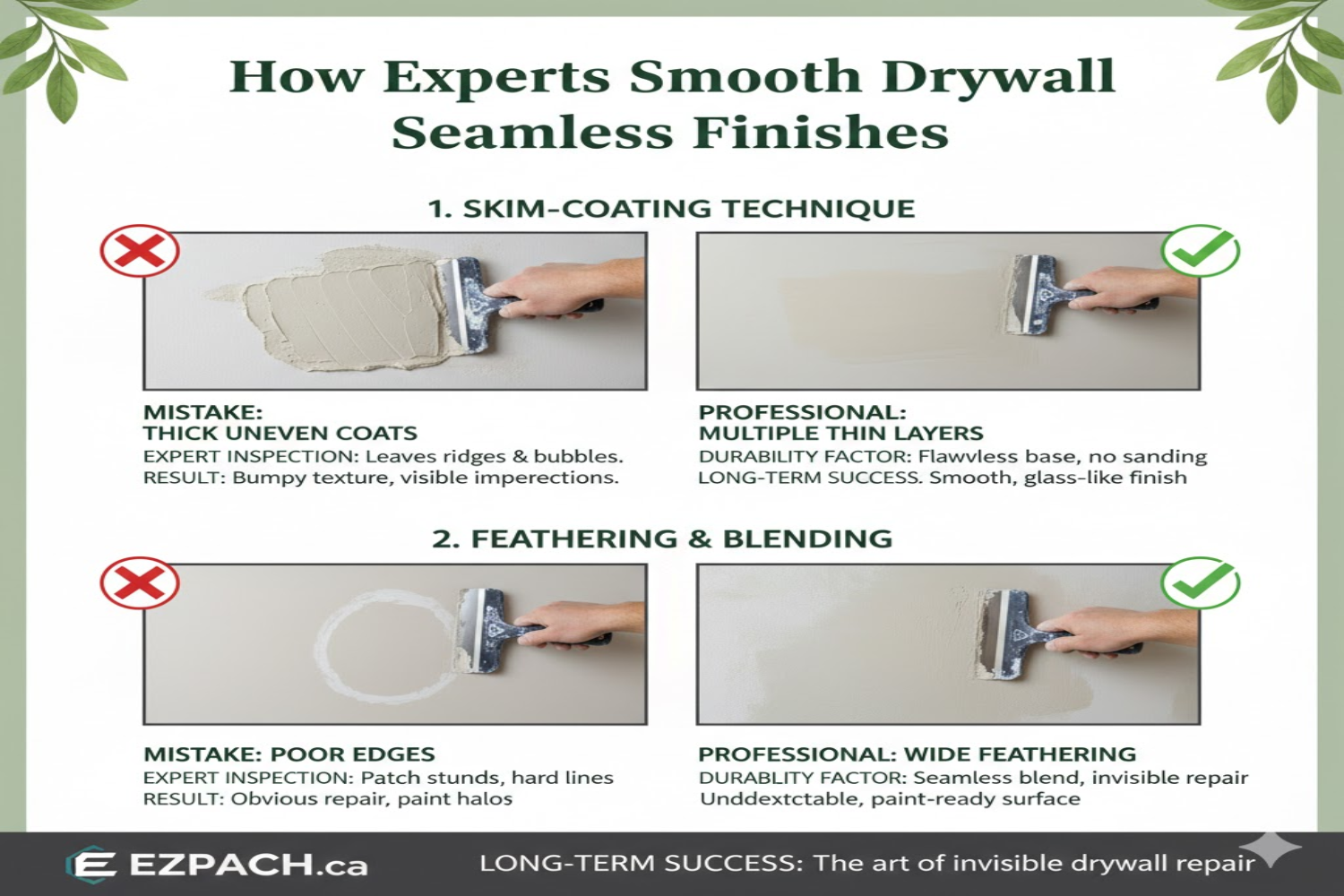
Finishing and sanding are essential steps in drywall repair that ensure a smooth, professional-looking wall. Without proper sanding, patches can appear uneven, textured, or noticeable after painting. Finishing techniques, including feathering and texture matching, help the repaired area blend seamlessly with the surrounding wall.
Sanding for Smooth Surfaces
Sanding removes excess joint compound and creates a flat, even surface. Proper sanding ensures there are no bumps or ridges left behind. This step is vital for achieving a professional finish before painting.
Feathering the Edges
Feathering softens the transition between the patched area and the existing wall. This technique prevents visible seams and creates a seamless appearance. Feathering is especially important for larger patches and textured walls.
Matching Wall Texture
Matching the existing wall texture ensures the repair is invisible to the eye. Techniques vary depending on whether the wall is smooth, stippled, or has a unique pattern. Proper texture replication enhances the overall aesthetic and makes the repair undetectable.
How Does Drywall Repair Affect Wall Strength and Longevity?
A poorly repaired wall may develop cracks, dents, or holes again. Correct repair restores the wall’s strength and can extend its lifespan significantly.
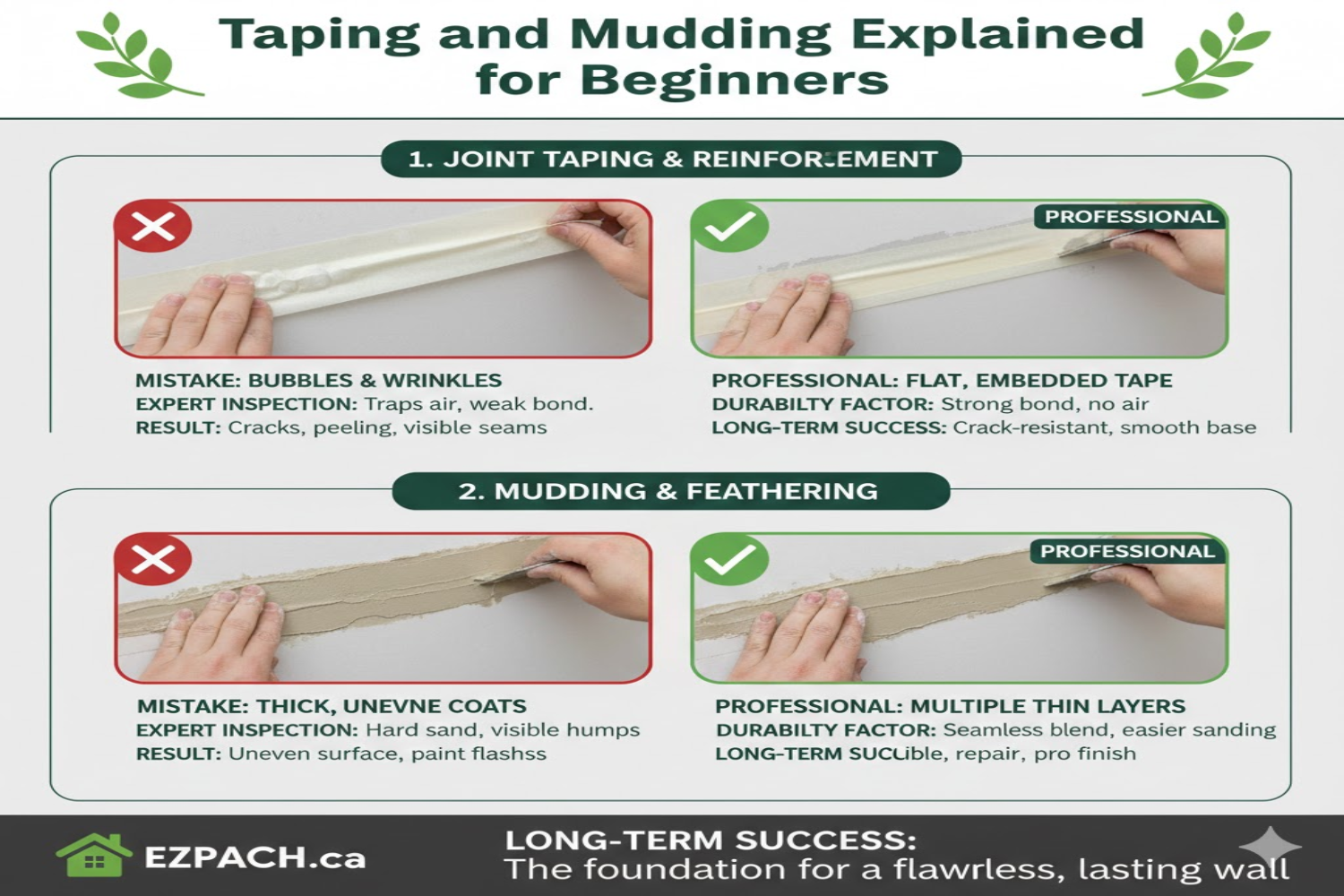
Using proper reinforcement techniques, such as mesh tape or backing, ensures that the repaired area can withstand normal wear and tear. Professionals consider the wall’s structural role, especially in load-bearing areas.
Reinforcement Materials
Mesh tape and joint compound prevent future cracking.
Load-Bearing Considerations
Repairs in structural areas require additional support for safety.
Moisture and Humidity Protection
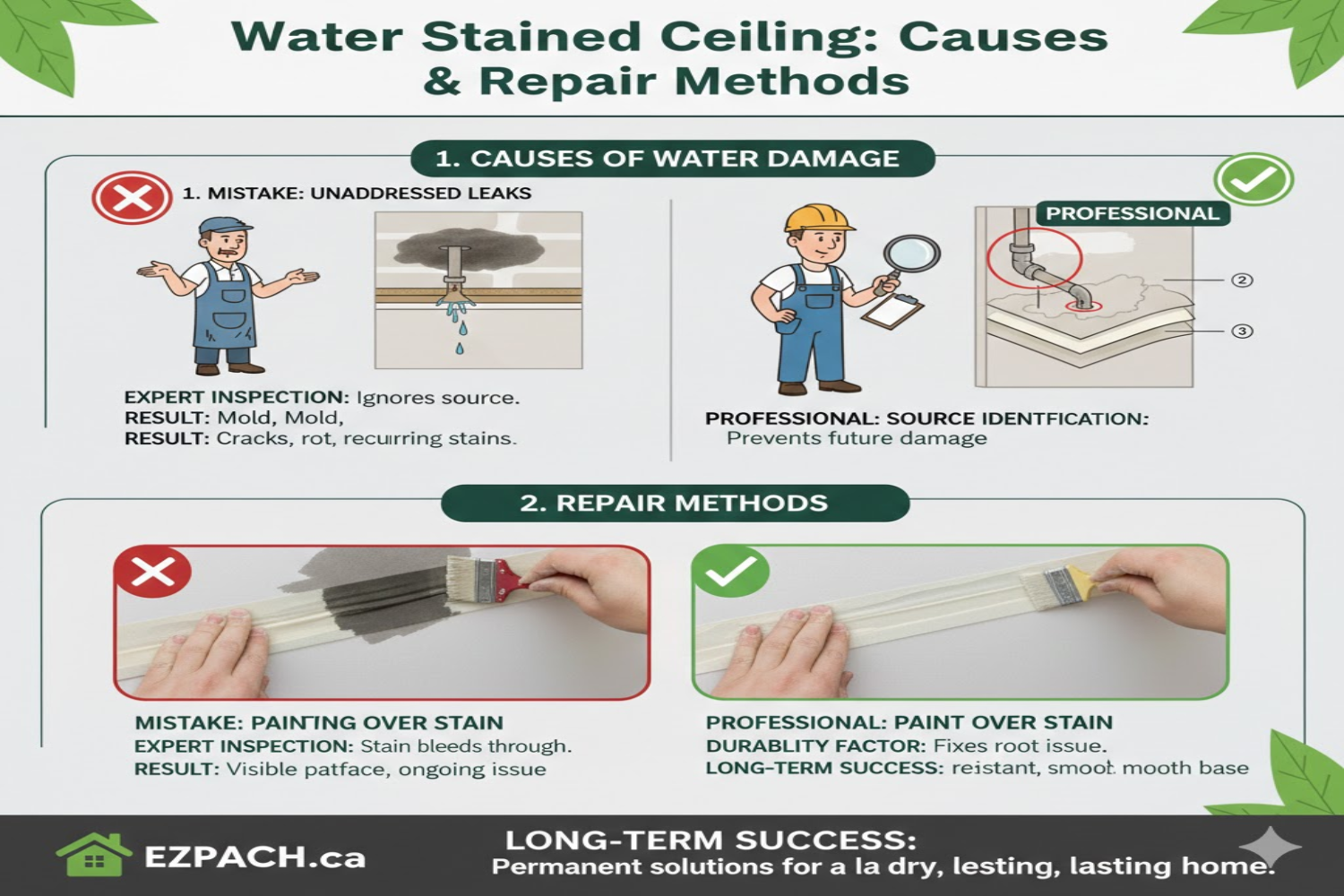
Proper materials prevent water damage and mold growth.
What Are Common Mistakes in Drywall Repair?
Many DIY repairs fail due to common mistakes. Overfilling holes, inadequate sanding, skipping primer, or using the wrong materials can all compromise results.
Correcting these mistakes often requires redoing the repair completely, which increases time and cost. Proper planning, technique, and material selection prevent these issues from occurring.
Overfilling and Underfilling
Leads to uneven surfaces and visible patches.
Skipping Primer
Paint may not adhere well, causing peeling or a color mismatch.
Using Wrong Compound
Not all fillers are suitable for all drywall types.
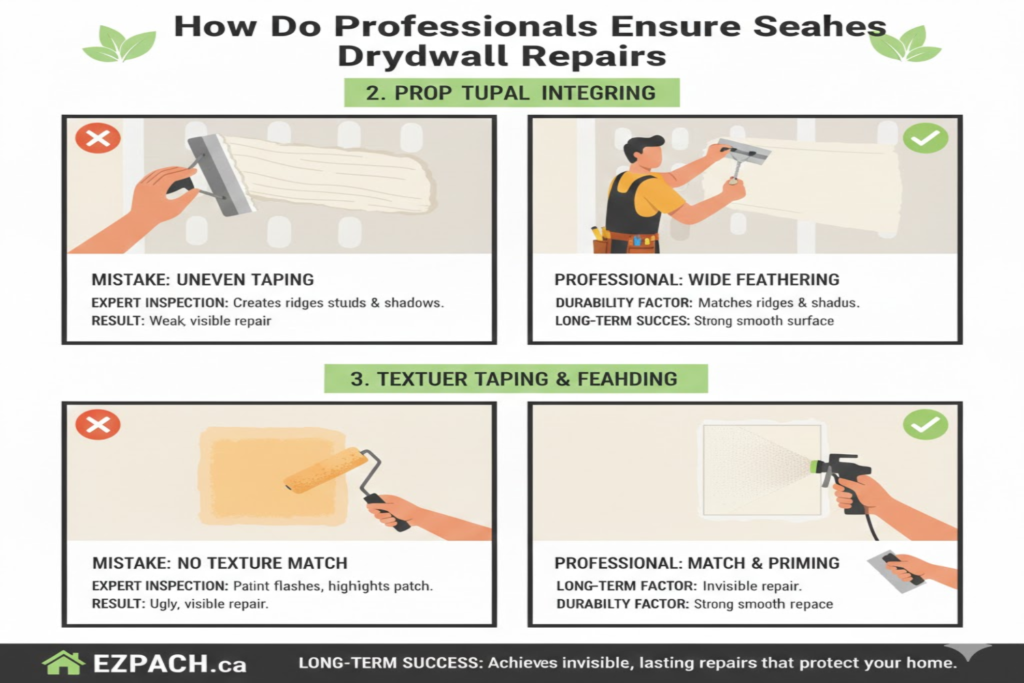
How Do Professionals Ensure Seamless Drywall Repairs?
Professionals follow a systematic process that includes preparation, patching, sanding, texturing, and finishing. This approach ensures that repairs are durable and visually seamless.
Experts also consider wall conditions, humidity, and material compatibility to prevent future damage. Hiring a professional guarantees a repair that is both structurally sound and aesthetically pleasing.
Can Drywall Repair Prevent Future Damage?
Yes, proper repair addresses not just the visible damage but the underlying weaknesses. Reinforcing patches, sealing edges, and protecting against moisture prevent recurring problems.
Preventive repairs save homeowners money in the long run by reducing the need for repeated fixes and minimizing structural damage.
Moisture Barriers: Using moisture-resistant drywall or primers prevents mold and rot.
Reinforced Patching: Mesh tape and multiple layers of compound increase durability.
Paint Protection: Proper priming and painting protect against wear and stains.
What Tools and Materials Are Essential for Quality Drywall Repair?
Successful drywall repair relies on proper tools and materials. Common essentials include putty knives, joint compounds, sandpaper, mesh tape, and primer.
Using the right products ensures adhesion, smooth finishes, and durability. Professionals often use advanced tools like corner trowels and sanding poles to streamline the process.
Putty Knives and Trowels: Essential for applying and smoothing joint compound.
Sandpaper and Sanding Blocks: For smoothing repaired areas.
Mesh Tape and Backing: Provide structural support for larger repairs.
Primer and Paint: Ensure color match and wall protection.
Quick Comparison Table: Drywall Repair Methods
| Damage Size | Method | Materials Needed | Durability |
| Small holes (<½”) | Spackling | Spackle, putty knife | Moderate, cosmetic only |
| Medium holes | Mesh patch | Joint compound, mesh tape | High, reinforced |
| Large holes | Section replacement | Drywall sheet, joint compound | Very high, structural |
| Cracks | Taping & mudding | Mesh tape, compound | High, prevents recurrence |
Mistakes to Avoid When Repairing Drywall
- Using the wrong compound for the drywall type
- Skipping surface preparation before patching
- Failing to sand and feather edges
- Ignoring texture matching with existing walls
- Overfilling or underfilling holes
Conclusion
Drywall repair is far more than just filling holes. Proper repair restores wall strength, maintains aesthetics, and prevents future damage. Attention to preparation, patching, sanding, and finishing ensures long-lasting results.
By understanding the complexities involved, homeowners and professionals can achieve repairs that are seamless, durable, and visually appealing. Proper drywall repair protects property value, ensures safety, and minimizes the need for repeated maintenance.
FAQs
1. Can I patch a large drywall hole myself?
Yes, but large holes require mesh reinforcement or section replacement for durability.
2. How long does a typical repair take?
Small repairs may take a few hours, while large patches may require 1–2 days, including drying and finishing.
3. Can spackling be used for cracks?
It works for small cracks, but larger cracks require joint compound and tape for long-term stability.
4. Is sanding really necessary?
Yes, sanding ensures smooth edges and seamless blending with existing walls.
5. Can I paint over the patch immediately?
No, primer should be applied first to ensure adhesion and color match.
6. What causes patched areas to crack again?
Improper prep, insufficient reinforcement, or moisture exposure can cause cracks.
7. Are mesh patches necessary for medium holes?
Yes, they reinforce the area and prevent future cracking.
8. Can drywall repair improve insulation or soundproofing?
Proper repair can restore wall integrity, helping maintain insulation and reducing sound leaks.
Drywall Repair Halifax
EZ Patch offers clean, professional drywall, ceiling, plaster, and water damage repair services in Halifax with minimal mess and long-lasting results.
EZ Patch – Drywall Repair Experts
Trusted drywall repair professionals serving Halifax and nearby areas.
Drywall Patch & Repair
Seamless drywall repairs for holes, cracks, dents, and damaged walls.
Ceiling Repairs
Professional ceiling repair services for stains, cracks, and water damage.
Drywall Installation
Complete drywall installation services for renovations and new builds.
Taping & Mudding
Smooth, paint-ready wall finishes by expert drywall finishers.
Plaster Repair Experts
Precision plaster repair services while maintaining original wall texture.
Water Damage Repair
Drywall and ceiling restoration for properties affected by water damage.
Texture Matching
Accurate texture blending so repaired areas match existing finishes.
Installation, Repair & Removal
End-to-end drywall installation, repair, and removal solutions.