The quality of drywall finishing directly impacts how long paint will last on interior walls. A poorly finished wall, even with high-quality paint, can develop cracks, peeling, or uneven surfaces in a short period. Understanding why drywall finishing quality affects paint lifespan helps homeowners and professionals achieve durable, visually appealing walls.
Proper drywall finishing is about more than aesthetics—it ensures smooth surfaces, proper adhesion, and long-term protection for the paint layer. Skipping steps or using inferior techniques can compromise paint performance, leading to frequent touch-ups or costly repaints. Focusing on finishing quality ensures that paint maintains its appearance and protects the underlying wall structure for years.
The Basics of Drywall Finishing
Drywall finishing is a multi-step process designed to create a smooth, uniform surface. This process prepares walls for paint while hiding seams, screws, and imperfections.
Layers of Drywall Finish
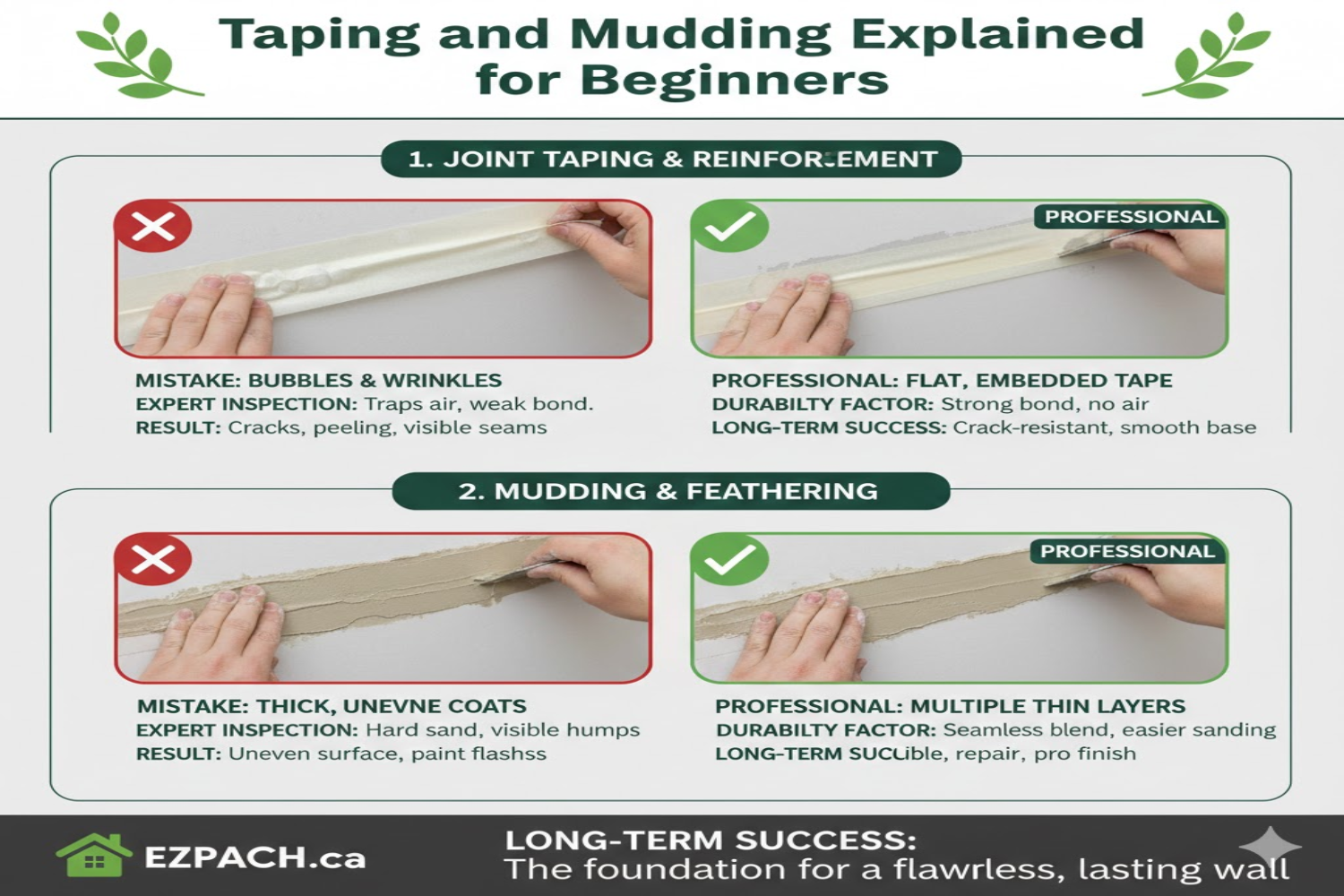
- Tape and Joint Compound: Hides seams and joints between panels.
- Multiple Coats of Compound: Builds smooth transitions and reinforces weak spots.
- Sanding and Feathering: Eliminates ridges and uneven surfaces.
- Priming: Ensures adhesion of paint and prevents moisture penetration.
Skipping or rushing any of these steps can result in an uneven finish that compromises paint durability.
Common Drywall Finishing Standards
- Level 3 Finish: Suitable for texture or flat paints; moderate surface smoothness.
- Level 4 Finish: Ideal for light textures or semi-gloss paints; smooth and even surfaces.
- Level 5 Finish: Highest quality for glossy paints; uniform, blemish-free surfaces.
Using the correct finishing level for the intended paint type is critical to achieving long-lasting results.
How Finishing Quality Impacts Paint Longevity
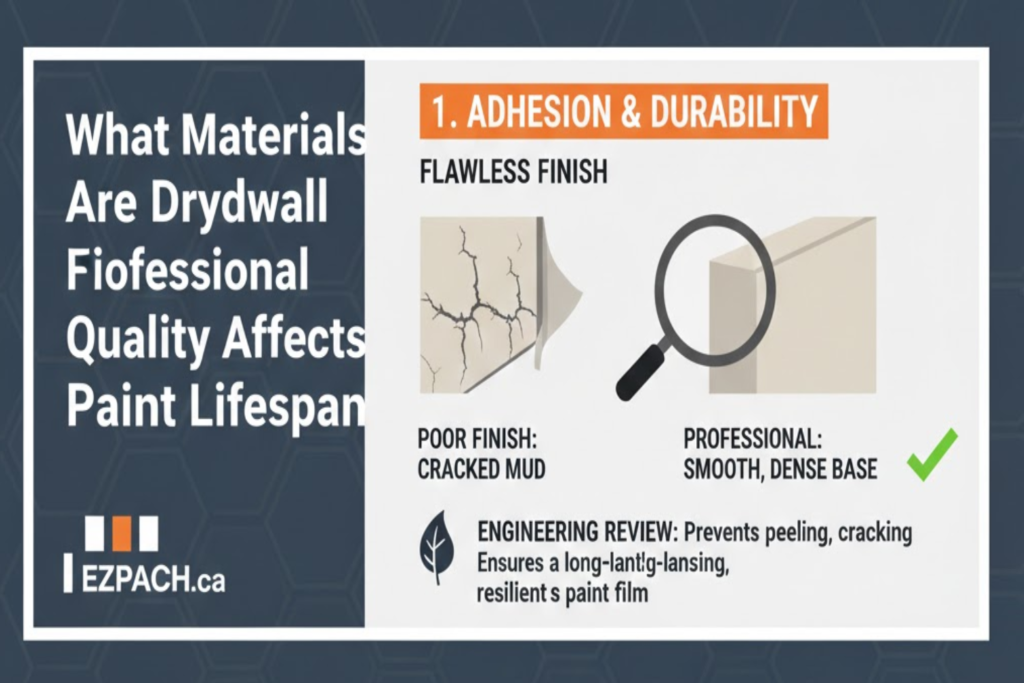
The finish of the drywall surface plays a key role in how paint adheres and performs over time. Imperfections in the drywall finish can lead to peeling, cracking, or uneven wear.
Adhesion Problems
Paint adheres poorly to rough or uneven surfaces. Loose joint compound or dust trapped under paint can prevent proper bonding, causing premature peeling.
Visible Seams and Defects
Poorly finished drywall often shows seams, screw indentations, or ridges under paint. These imperfections can worsen over time as paint expands and contracts with temperature and humidity changes.
Early Cracking and Flaking
Uneven or improperly sanded areas create stress points where paint is likely to crack or flake. Maintaining consistent surface smoothness reduces these issues and extends the life of the paint.
Common Mistakes in Drywall Finishing
Even small errors in finishing can drastically reduce paint lifespan.
- Skipping Primer: Paint applied directly on drywall may fail to bond or absorb unevenly.
- Insufficient Sanding: Rough patches can cause paint to lift or crack.
- Thin Compound Application: Seams and screw heads may show through the paint.
- Rushed Drying: Painting over a compound that hasn’t fully dried weakens adhesion.
- Ignoring Levelling Requirements: Using the wrong finish level for paint type creates surface flaws.
Real-Life Consequences
In many homes, these mistakes manifest as bubbling, peeling, or uneven gloss in high-traffic areas. Over time, walls may requirerepainting far earlier than expected, increasing maintenance costs.
Environmental Factors That Exacerbate Finishing Issues
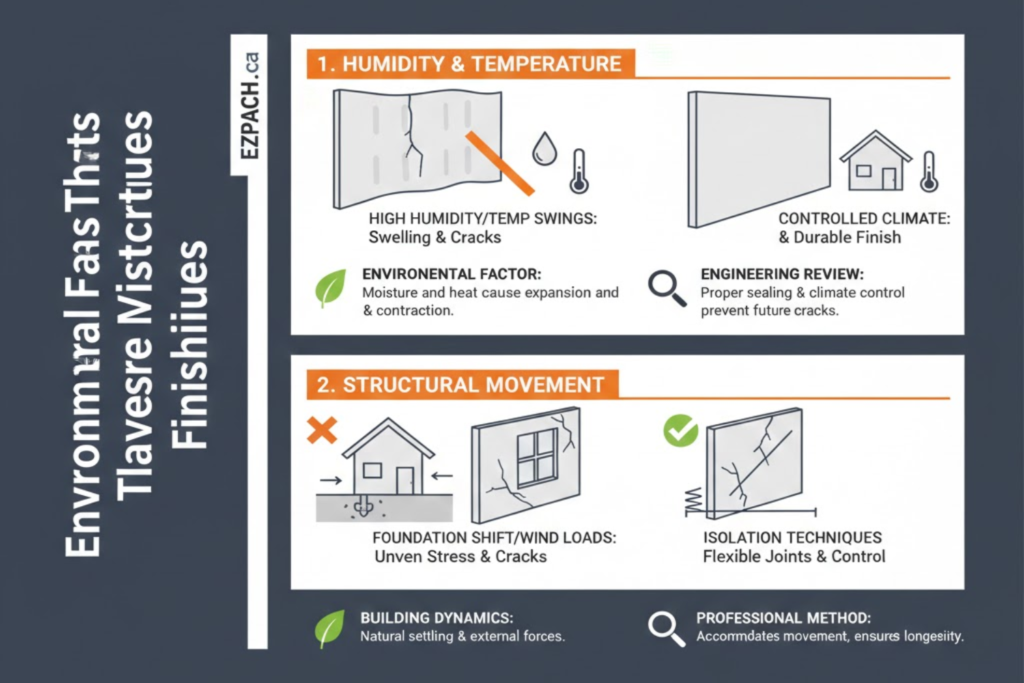
Temperature, humidity, and wall movement affect paint lifespan. Even perfectly applied paint can fail if finishing quality is compromised under challenging conditions.
Moisture and Humidity
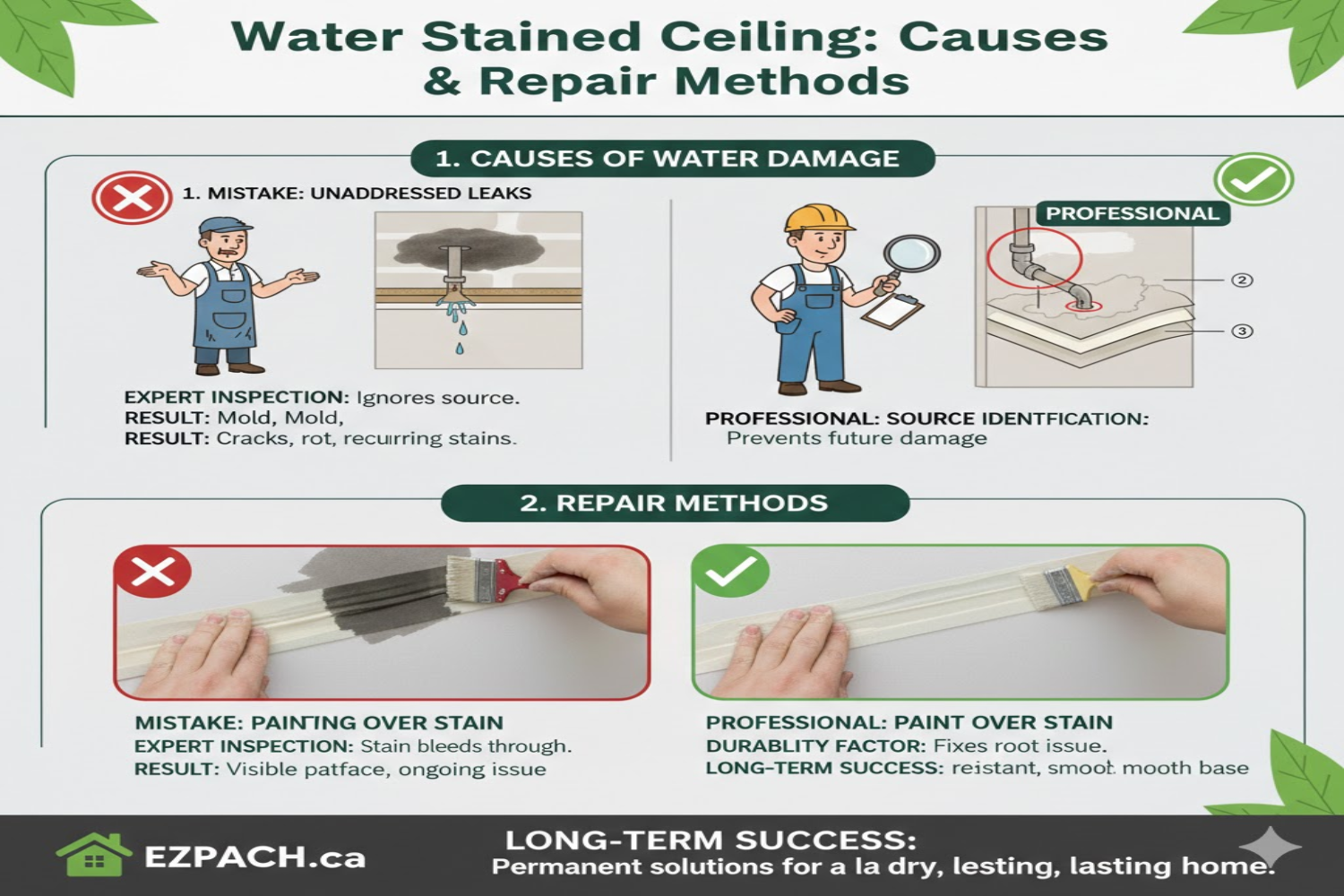
High humidity softens joint compounds and reduces paint adhesion. Bathrooms, kitchens, and basements are particularly susceptible to early paint failure.
Temperature Fluctuations
Expansion and contraction of wall surfaces under extreme temperatures stress both the drywall finish and the paint layer. Properly finished drywall absorbs these stresses more effectively than poorly finished surfaces.
Wall Movement
Even minor structural shifts can cause cracks in both drywall and paint. High-quality finishing distributes stress and minimises the likelihood of paint failure over time.
Best Practices for Drywall Finishing to Protect Paint
Ensuring a durable paint finish starts with proper drywall preparation and finishing techniques.
- Thorough Surface Preparation: Remove dust, debris, and imperfections.
- Choose Appropriate Joint Compounds: Use compounds designed for your wall type and paint.
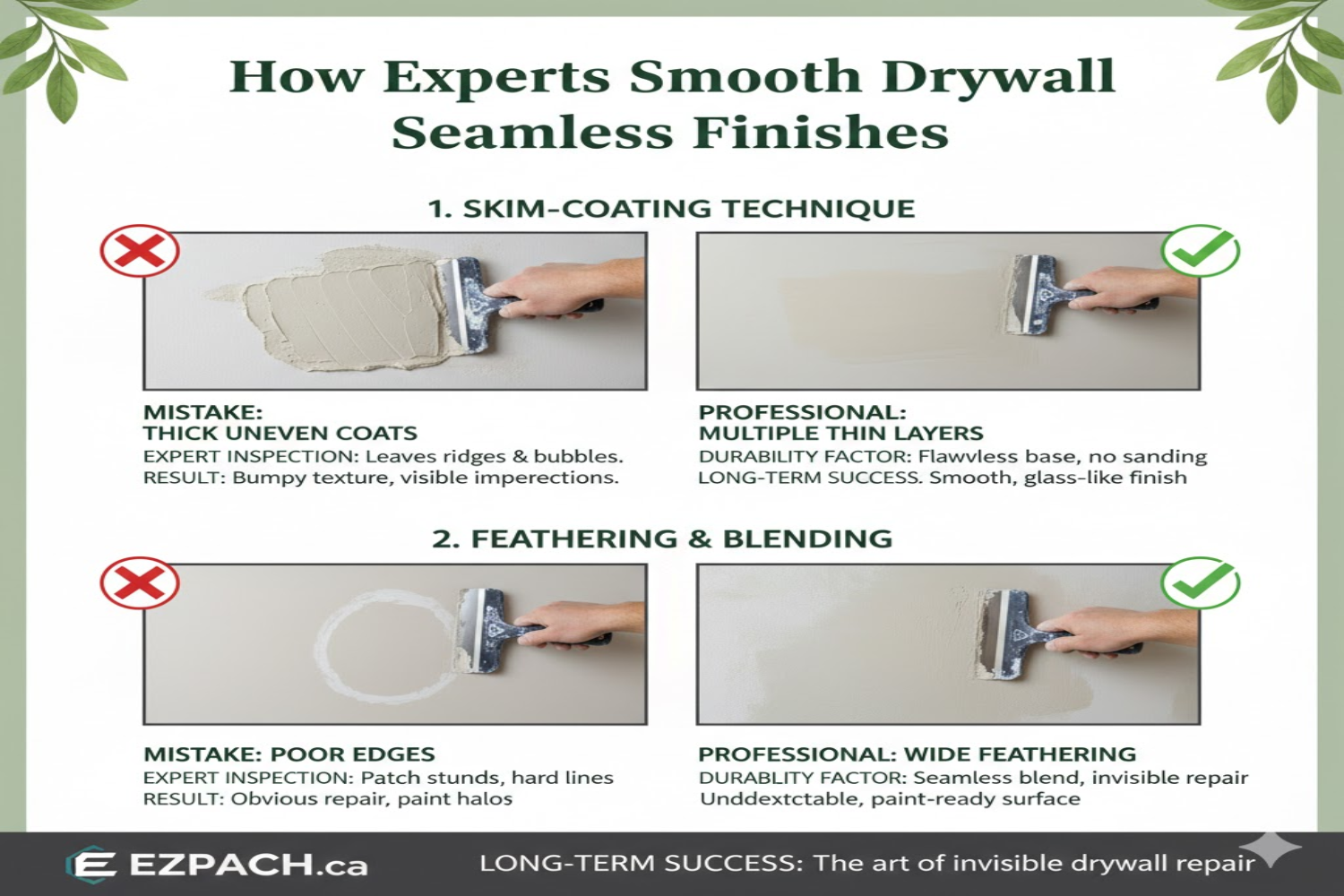
- Apply Multiple Thin Layers: Ensure even coverage and proper drying.
- Sand and Feather Between Coats: Achieve smooth transitions and hide seams.
- Use Primer: Enhance paint adhesion and longevity.
- Select the Right Finish Level: Match finish quality to paint type for optimal results.
- Maintain Stable Environment: Avoid painting in high humidity or extreme temperatures.
Advanced Drywall Techniques for Longevity
For homes seeking long-lasting, high-quality paint finishes, advanced finishing methods are recommended.
Level 5 Finish
- Provides a completely smooth surface suitable for high-sheen or glossy paints.
- Ideal for modern interiors where light reflections make imperfections more visible.
- Involves skim-coating the entire wall with a thin, final layer of joint compound.
Skim Coating
- Creates a uniform texture by applying a thin compound layer over the entire surface.
- Smooths out old drywall or patched areas, preventing paint inconsistencies.
- Especially useful in renovations or walls with visible seams.
Reinforcing Corners and Edges
- Use metal or plastic corner beads for high-traffic areas.
- Prevents chipping and cracking along vulnerable edges.
- Reinforcement improves paint adhesion and reduces long-term maintenance.
Signs That Drywall Finishing Is Poor
Identifying poor drywall finishing before painting saves time and money.
- Visible Seams or Screws: Indicates uneven compound application.
- Uneven Texture: Rough patches will reflect light differently and affect paint appearance.
- Peeling or Flaking Compound: A sign of insufficient adhesion.
- Cracks or Low Spots: Stress points that will lead to early paint failure.
Conclusion
The quality of drywall finishing significantly affects the lifespan of paint. Poor preparation, incorrect techniques, and substandard materials lead to peeling, cracking, and early deterioration of even the highest-quality paint. Understanding and implementing proper finishing practices ensures walls remain smooth, attractive, and protected for years.
Investing in skilled drywall finishing, including sanding, layering, and priming, is an investment in the durability and appearance of your paint. Homeowners who prioritise finishing quality save money, reduce maintenance, and enjoy longer-lasting, flawless walls.
FAQs
1. How does sanding affect paint longevity?
Proper sanding smooths imperfections, allowing paint to adhere evenly. Rough areas can cause peeling and uneven wear.
2. Can skipping primer shorten paint lifespan?
Yes, primer ensures proper adhesion and uniform coverage. Without it, paint may flake or absorb unevenly.
3. What finish level is best for high-gloss paint?
A Level 5 finish provides a smooth, blemish-free surface suitable for glossy paints. Lower levels may show seams or imperfections.
4. Does wall moisture affect paint life?
Yes, moisture weakens both joint compound and paint, leading to bubbling and peeling. Controlling humidity improves durability.
5. Can poor corner finishing cause paint failure?
Yes, corners are stress points; insufficient reinforcement can lead to cracks and chipping.
6. How many coats of compound are ideal?
Multiple thin layers are recommended, typically two to three coats, allowing each to dry fully.
7. Will skim coating improve paint performance?
Yes, skim coating creates a uniform surface, hiding old seams and imperfections for a flawless finish.
8. Does temperature affect paint adhesion?
Extreme temperatures or rapid changes can cause expansion/contraction, stressing both drywall and paint. Stable conditions prevent premature failure.
Drywall Repair Halifax
EZ Patch offers clean, professional drywall, ceiling, plaster, and water damage repair services in Halifax with minimal mess and long-lasting results.
EZ Patch – Drywall Repair Experts
Trusted drywall repair professionals serving Halifax and nearby areas.
Drywall Patch & Repair
Seamless drywall repairs for holes, cracks, dents, and damaged walls.
Ceiling Repairs
Professional ceiling repair services for stains, cracks, and water damage.
Drywall Installation
Complete drywall installation services for renovations and new builds.
Taping & Mudding
Smooth, paint-ready wall finishes by expert drywall finishers.
Plaster Repair Experts
Precision plaster repair services while maintaining original wall texture.
Water Damage Repair
Drywall and ceiling restoration for properties affected by water damage.
Texture Matching
Accurate texture blending so repaired areas match existing finishes.
Installation, Repair & Removal
End-to-end drywall installation, repair, and removal solutions.