Drywall installation is often associated with choosing the correct panel thickness to ensure strength, fire resistance, and soundproofing. However, panel thickness alone does not guarantee long-term durability or a smooth finish. Alignment during installation plays a far more crucial role in ensuring walls and ceilings perform as intended.
Poorly aligned drywall can lead to cracks, nail pops, and uneven surfaces, even if thicker panels are used. Proper alignment ensures stress is evenly distributed across panels, joints are supported correctly, and finishing processes such as taping, mudding, and painting are simplified. Understanding why drywall alignment matters more than thickness helps contractors, builders, and property owners achieve long-lasting, high-quality wall systems.
Understanding Drywall Alignment
Drywall alignment refers to how sheets are positioned relative to framing, seams, and adjacent panels. Correct alignment ensures that joints are staggered, panels are level, and fasteners are properly supported. Alignment affects both the structural performance and the aesthetic finish of the wall.
Poor alignment can compromise even high-quality or thick panels, creating weak spots where stress concentrates. Misaligned panels also make finishing processes more labor-intensive. Ultimately, the alignment determines the durability and overall appearance of the drywall system.
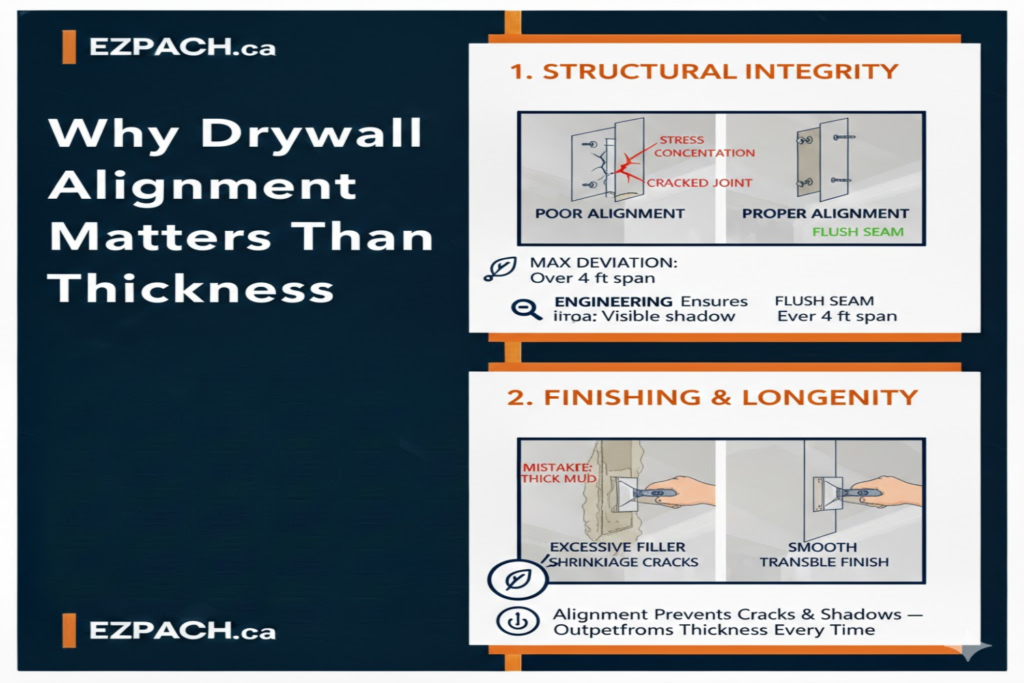
How Misalignment Compromises Wall Integrity
When drywall sheets are misaligned, the load on walls and ceilings becomes uneven. Misalignment causes stress to concentrate at seams, which increases the risk of cracks. Even thicker panels cannot compensate for these weak points.
Additionally, misalignment reduces fastener effectiveness and can lead to joint separation. Panels that are improperly aligned with framing may sag or bow over time. This clearly shows why drywall alignment matters more than thickness for long-term performance.
Types of Drywall Misalignment
Short paragraph: Drywall misalignment can manifest in several ways, each with unique consequences. Misaligned sheets increase the likelihood of structural and aesthetic problems.
Vertical Misalignment
Vertical misalignment occurs when panels are not properly aligned along stud lines. This creates gaps or ridges at joints, making finishing difficult. Cracking often occurs along these vertical seams.
Horizontal Misalignment
Horizontal misalignment happens when the top and bottom edges of panels do not line up evenly. This affects load distribution and can cause visible undulations. Painting over horizontal misalignment rarely hides the problem.
Rotational Misalignment
Rotational misalignment refers to the slight tilting or twisting of panels during installation. These rotations can magnify stress along joint lines. Small rotational errors often lead to long-term surface failures.
Why Panel Thickness Alone Cannot Ensure Durability
Thicker drywall panels may provide added soundproofing or fire resistance, but they do not guarantee structural integrity. Without proper alignment, stress concentrates at weak joints. Thick panels installed incorrectly are still prone to sagging, joint failure, and surface cracking.
Thicker panels also increase handling difficulty, making precise alignment even more critical. Misaligned thick panels are heavier and more likely to separate from framing. This reinforces why drywall alignment matters more than thickness for lasting performance.
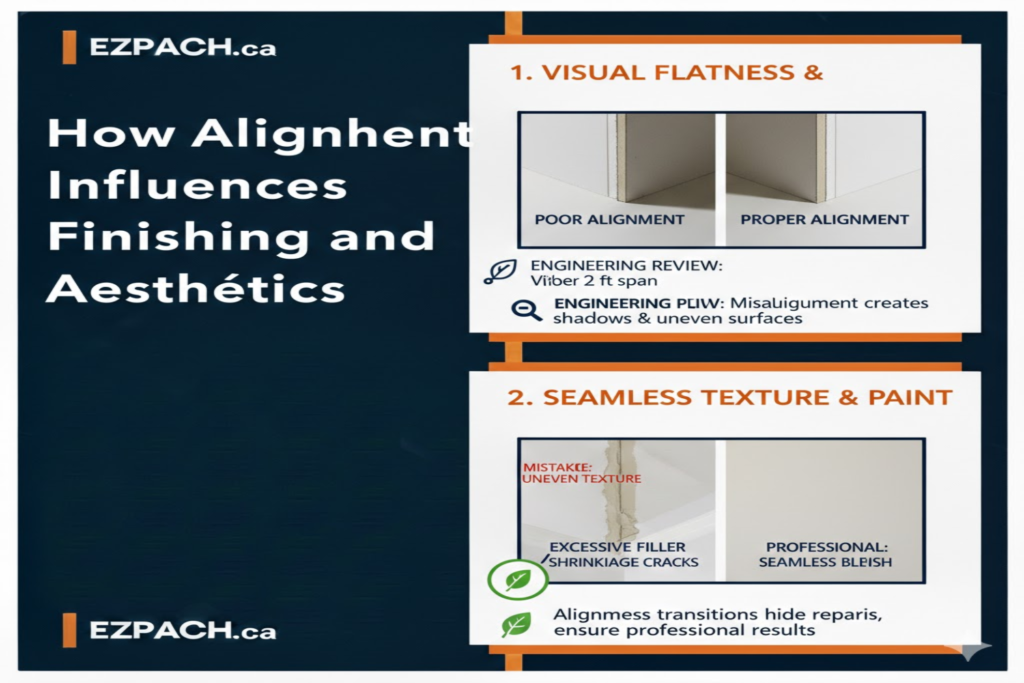
How Alignment Influences Finishing and Aesthetics
Short paragraph: Alignment directly affects the appearance and quality of the finished wall. Misaligned panels complicate joint taping, mudding, and sanding.
Joint Taping and Mudding
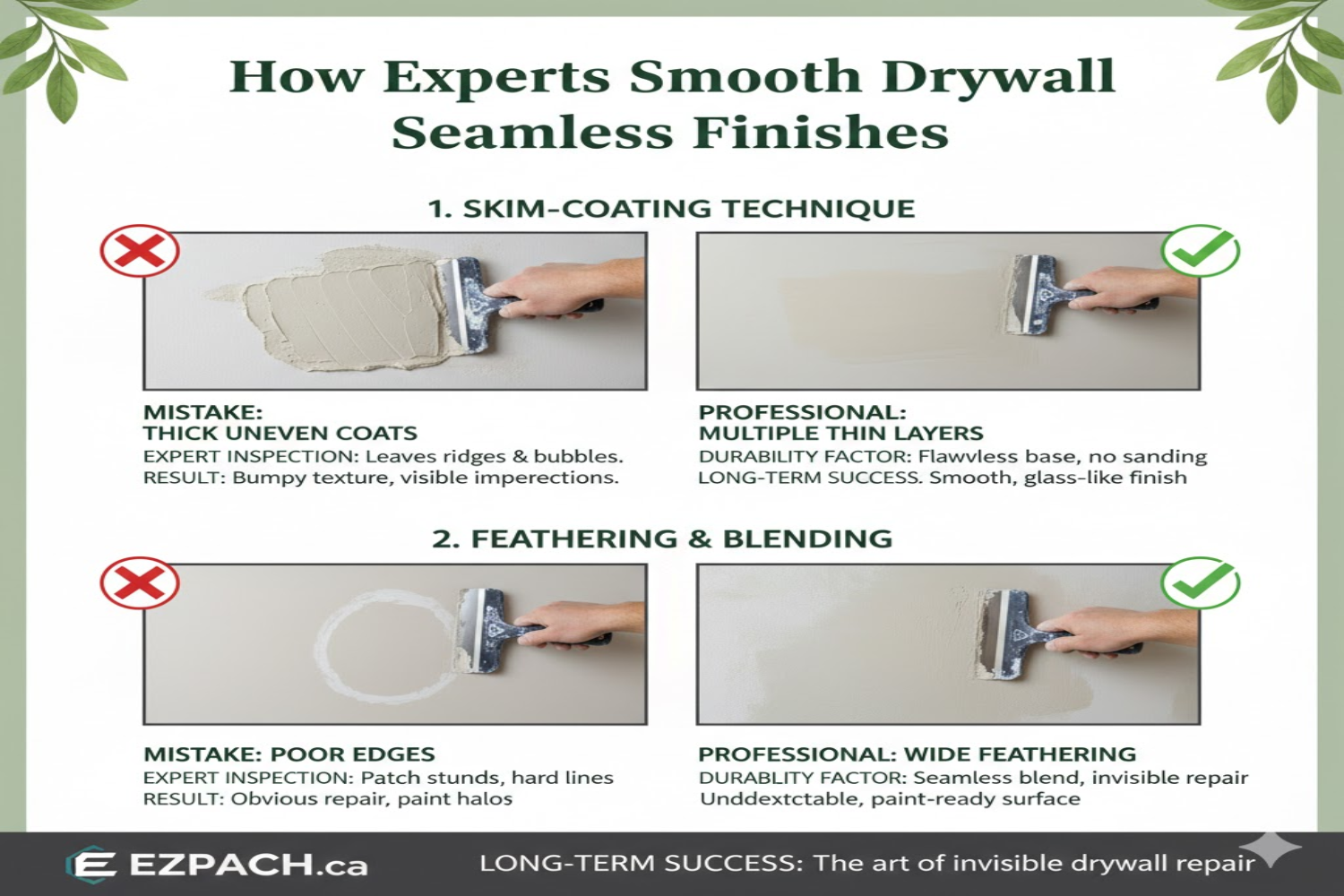
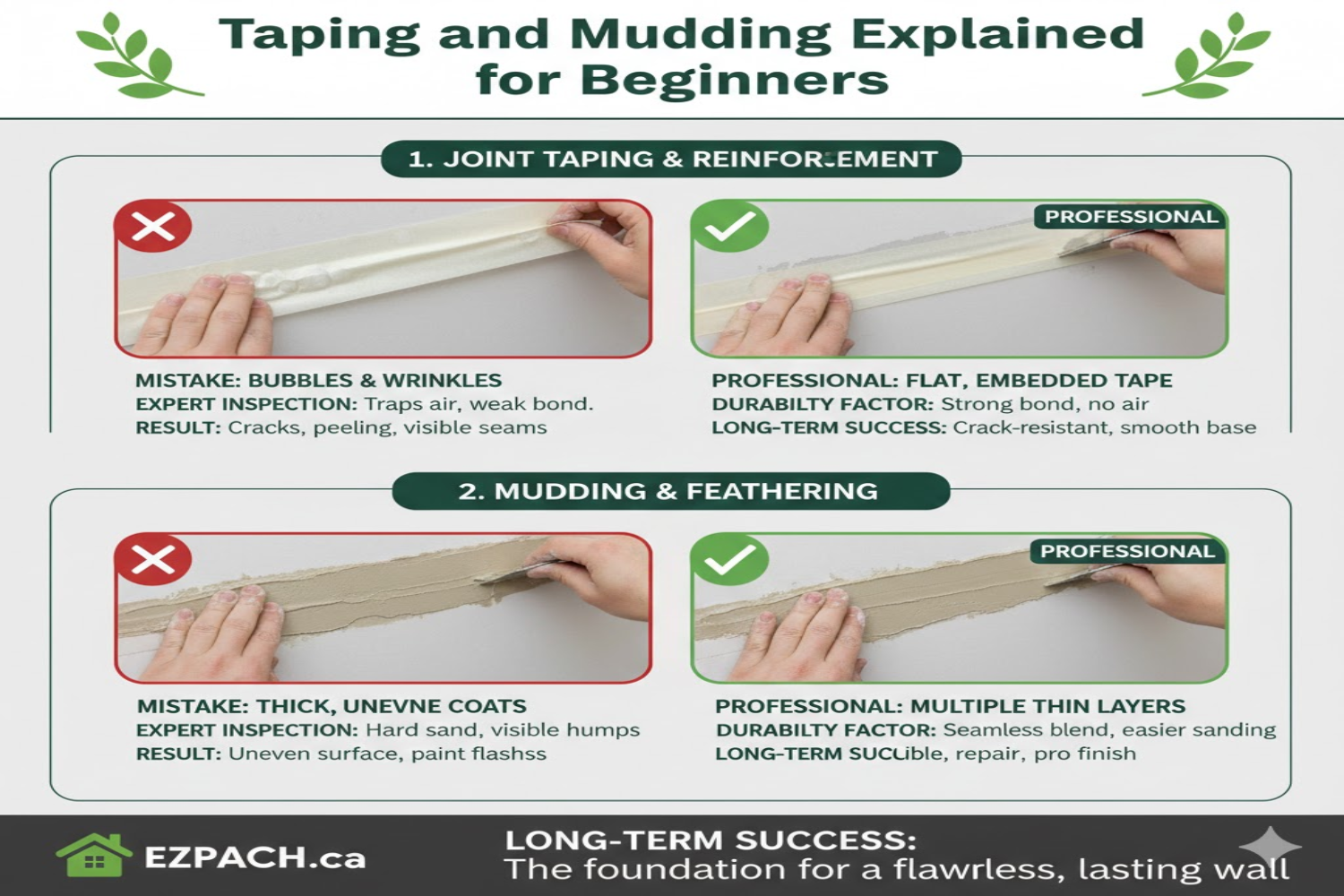
Proper alignment allows seamless tape application and consistent mud layers. Misalignment leads to uneven seams that are difficult to cover. Cracks frequently reappear along poorly aligned joints.
Sanding and Painting
Aligned panels simplify sanding and ensure a smooth painted surface. Misalignment increases effort and risks uneven sheen. Accurate panel placement reduces paint waste and touch-ups.
Texture Application
Textured walls or ceilings require even surfaces for consistency. Misalignment causes irregular patterns and visible defects. Proper alignment ensures textures are uniform and professional.
Drywall Alignment in Ceiling Applications
Ceiling drywall is especially sensitive to alignment issues. Gravity places constant stress on panels, and misalignment increases the risk of sagging. Even thick panels can fail if not properly aligned with ceiling joists.
Accurate alignment ensures weight is distributed evenly across support structures. It prevents joint separation and minimizes long-term maintenance costs. Contractors must prioritize ceiling alignment for both safety and aesthetics.
Tools and Techniques for Ensuring Proper Alignment
Short paragraph: Maintaining alignment requires skill, planning, and the right tools. Modern installers use laser levels, chalk lines, and furring strips to achieve straight panels.
Fastening Sequence
Correct screw placement and spacing help maintain alignment. Improper fastening can twist or bow panels. Following the proper sequence minimizes stress on joints.
Panel Handling
Careful lifting and positioning prevent rotational misalignment. Panels must be supported during installation to avoid sagging. This is particularly important with thicker sheets.
Framing Coordination
Drywall alignment depends on proper coordination with framing. Studs and joists must be evenly spaced and level. Misaligned framing creates additional challenges for installers.
Cost Implications of Drywall Alignment Issues
Short paragraph: Poor alignment increases labor, repair, and material costs over time. Correct alignment reduces long-term expenses by preventing recurring maintenance.
| Factor | Cost Impact | Notes |
| Joint Repairs | High | Cracked joints require taping and mud |
| Paint and Finishing | Moderate | Uneven surfaces need extra sanding |
| Material Waste | Low to Moderate | Trimming misaligned sheets |
| Ceiling Reinforcement | Moderate | Additional support may be needed |
| Long-Term Maintenance | High | Frequent touch-ups or panel replacement |
Signs of Misalignment in Existing Drywall
- Cracks along seams and joints
- Uneven surfaces or waves
- Nail or screw pops along panels.
- Gaps at corners or intersections
- Sagging ceiling panels
Conclusion
Understanding why drywall alignment matters more than thickness is essential for builders and property owners seeking long-lasting, high-quality walls. Proper alignment distributes stress evenly, prevents cracks, and simplifies finishing processes. Thickness alone cannot compensate for misalignment.
Investing in precise alignment ensures durability, aesthetic appeal, and reduced maintenance costs. Contractors and homeowners benefit from stronger, safer, and more visually appealing drywall systems. Prioritizing alignment during installation is key to achieving these outcomes.
Frequently Asked Questions (FAQs)
1. Can thicker drywall fix misalignment issues?
No, thicker drywall cannot compensate for poor alignment. Misaligned panels will still crack or sag over time.
2. Does alignment affect soundproofing?
Yes, misaligned panels create gaps that reduce acoustic performance. Properly aligned panels maintain better sound insulation.
3. Are ceilings more prone to alignment problems than walls?
Yes, ceilings are under constant stress from gravity. Misalignment causes sagging faster than wall panels.
4. How does alignment influence paint and finishing?
Misaligned drywall complicates sanding, painting, and joint finishing. Proper alignment ensures a smooth, professional finish.
5. Is proper alignment a building code requirement?
Yes, alignment is required in many regions to ensure structural integrity. It helps walls and ceilings meet safety standards.
6. Can misalignment be corrected after installation?
Minor adjustments are possible, but major misalignment often requires panel replacement. Prevention during installation is preferable.
7. Does alignment affect fire resistance?
Yes, gaps from misaligned panels reduce the effectiveness of fire-rated assemblies. Proper alignment ensures full coverage.
8. Are thicker panels harder to align?
Yes, thicker panels are heavier and more prone to sag if not carefully aligned. Proper support and tools are critical.
Drywall Repair Halifax
EZ Patch offers clean, professional drywall, ceiling, plaster, and water damage repair services in Halifax with minimal mess and long-lasting results.
EZ Patch – Drywall Repair Experts
Trusted drywall repair professionals serving Halifax and nearby areas.
Drywall Patch & Repair
Seamless drywall repairs for holes, cracks, dents, and damaged walls.
Ceiling Repairs
Professional ceiling repair services for stains, cracks, and water damage.
Drywall Installation
Complete drywall installation services for renovations and new builds.
Taping & Mudding
Smooth, paint-ready wall finishes by expert drywall finishers.
Plaster Repair Experts
Precision plaster repair services while maintaining original wall texture.
Water Damage Repair
Drywall and ceiling restoration for properties affected by water damage.
Texture Matching
Accurate texture blending so repaired areas match existing finishes.
Installation, Repair & Removal
End-to-end drywall installation, repair, and removal solutions.