Consistency plays a critical role in achieving durable and professional wall repair results. When wall repairs are performed with consistent methods, materials, and attention to detail, the final surface looks smooth, balanced, and long-lasting. Understanding why consistency matters in wall repair quality helps homeowners and professionals avoid recurring damage and visible imperfections.
Inconsistent wall repair techniques often lead to uneven textures, weak patches, and poor paint adhesion. These problems may not appear immediately, but can worsen over time, resulting in cracks, peeling, or discoloration. Learning why consistency matters in wall repair quality ensures better structural integrity, visual appeal, and long-term performance of repaired walls.
The Importance of Consistency in Wall Repair Quality
Consistency is essential because wall surfaces must look uniform from every angle and under different lighting conditions. Using the same repair approach across the entire wall prevents visible transitions between patched and original areas. When consistency is ignored, repaired spots often stand out, reducing the overall finish quality.
A consistent wall repair process also improves durability. Repeated use of the same materials and techniques ensures equal strength across the surface. This uniform strength reduces the risk of cracks reappearing and helps maintain wall stability over time.
Understanding why consistency matters in wall repair quality allows both DIYers and professionals to achieve predictable, high-quality results. Uniform repairs lead to smoother walls and fewer future touch-ups.
Consistency in Surface Preparation for Wall Repair
Consistent surface preparation ensures that joint compound and paint adhere evenly across the wall. Removing dust, grease, and loose material from every repair area prevents weak spots. When preparation varies, repaired sections may dry differently, causing uneven finishes.
Uniform sanding techniques are also crucial. Sanding too much in one area and too little in another creates dips and bumps that become noticeable under light. Maintaining the same sanding pressure and grit across the wall supports consistent wall repair quality.
Cleaning the Wall Surface Properly
Every repair area must be cleaned using the same method. Dust and debris prevent proper bonding of repair materials. Consistent cleaning ensures smooth compound application.
Uniform Sanding Techniques
Using the same grit and sanding motion across the wall avoids uneven textures. Over-sanding in one area weakens the surface. Balanced sanding improves wall repair quality.
Consistent Priming Before Repair
Primer creates a stable base for compounds and paint. Applying primer unevenly causes absorption differences. Consistent priming supports uniform results.
Why Consistency Matters in Wall Repair Materials
Consistency in wall repair materials ensures that all patched areas behave the same over time. When the same compound and tape are used, the wall expands and contracts uniformly. This reduces stress on repaired sections and improves longevity.
Switching materials mid-project can also affect texture and color. Different compounds absorb paint differently, leading to patchy finishes. Maintaining material consistency is a key reason why consistency matters in wall repair quality.
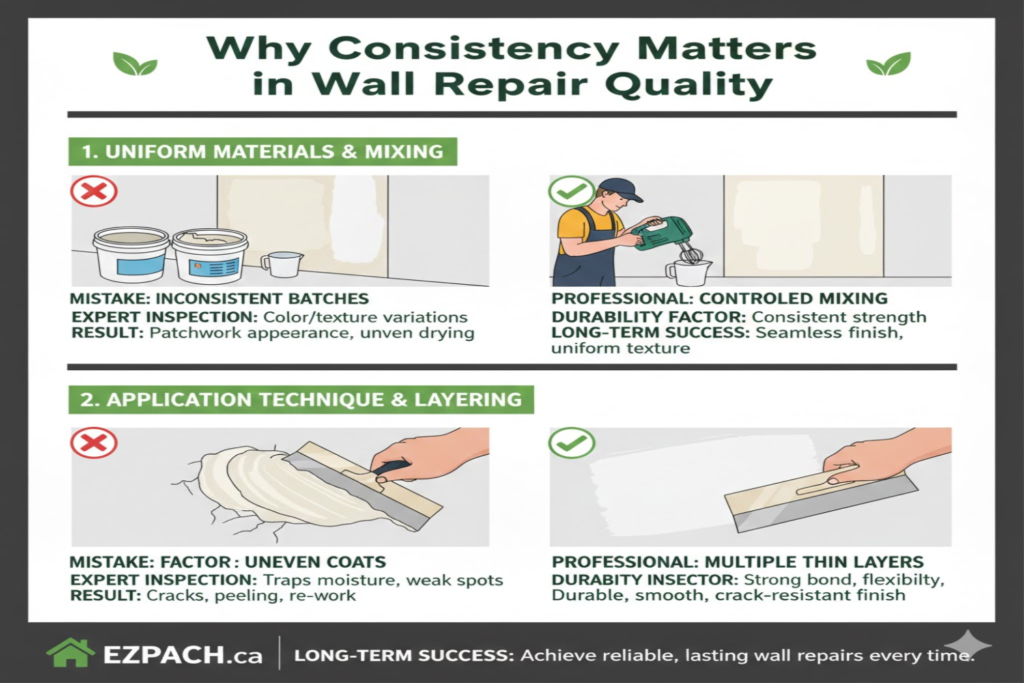
Consistent Application Techniques in Wall Repair
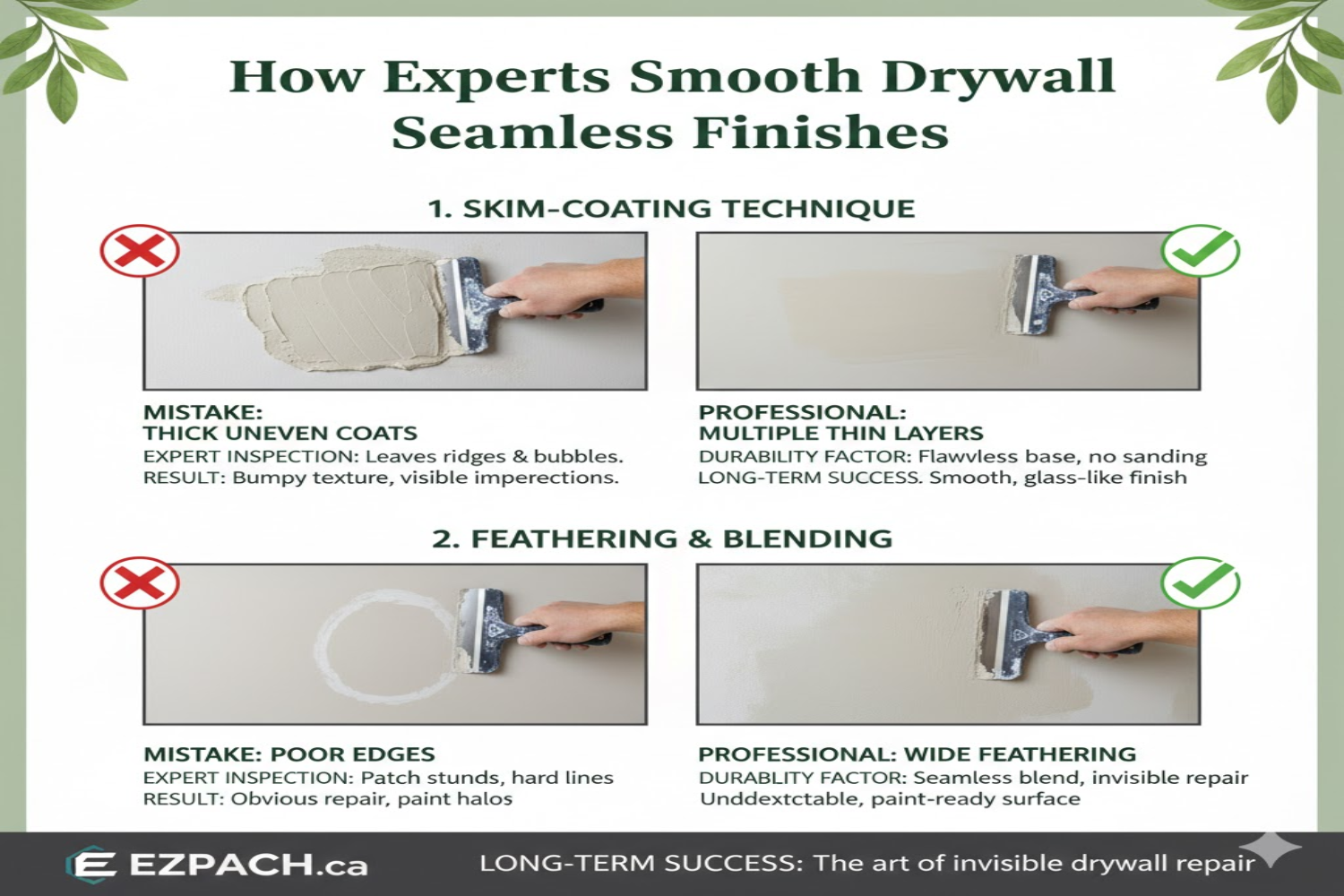
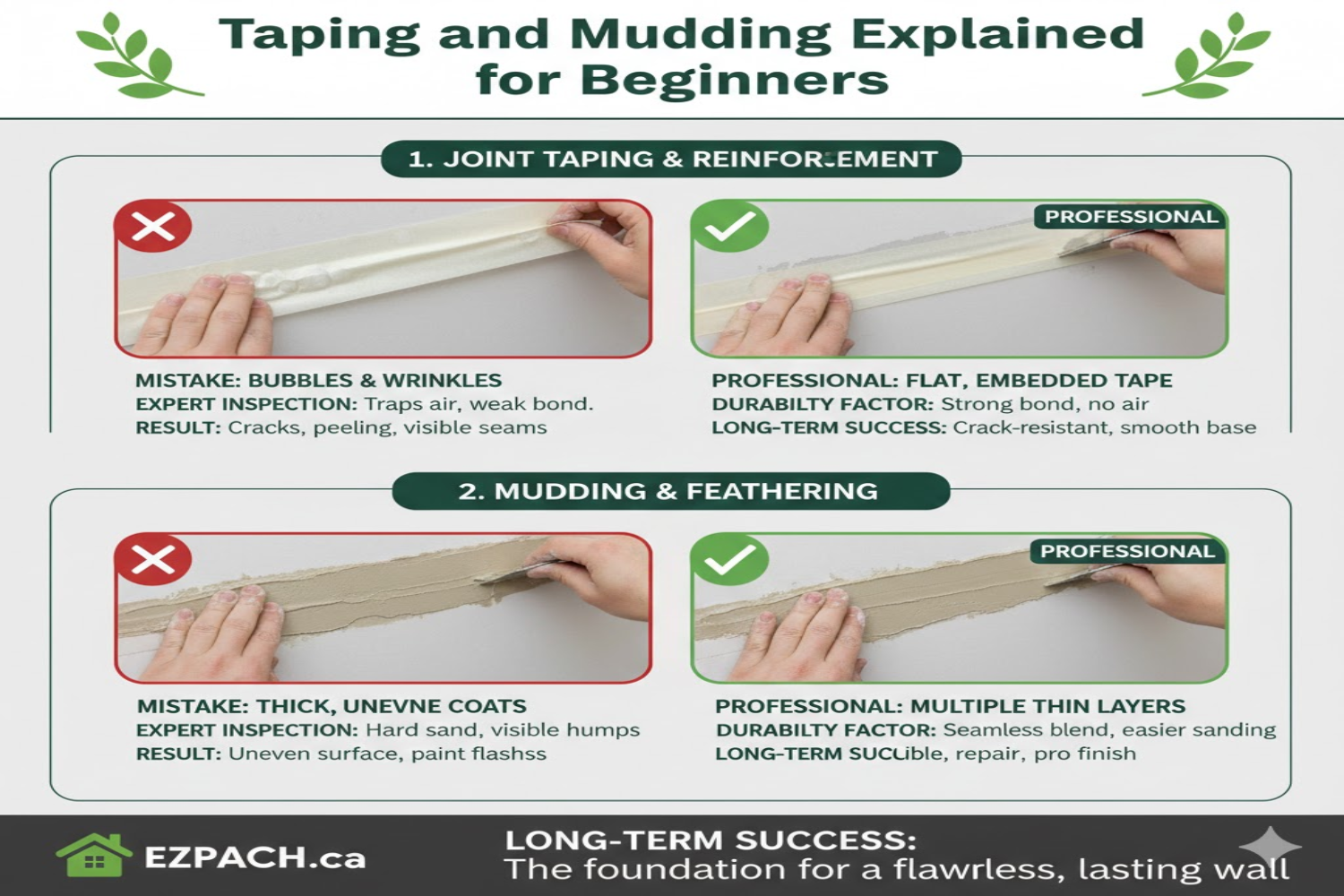
Consistent application thickness prevents shrinkage and cracking. Thin, even layers applied repeatedly dry more evenly than thick, uneven coats. When one area is overloaded, it often requires additional sanding and rework.
Timing also matters. Allowing each layer to dry fully before applying the next ensures structural strength. Inconsistent drying times lead to weak patches that fail sooner than properly repaired areas.
Layer Thickness Control
Each coat should be applied evenly across all repair areas. Thick spots shrink as they dry. Uniform layers ensure smooth finishes.
Drying Time Management
Rushing some areas while waiting on others creates inconsistency. Equal drying time ensures even strength. Patience improves repair quality.
Tool Handling Consistency
Using the same tools and angles throughout avoids texture variation. Switching tools mid-repair changes results. Consistent handling improves finish quality.
Texture Matching and Wall Repair Consistency
Texture inconsistencies are one of the most noticeable wall repair issues. When repaired areas do not match the surrounding texture, they stand out clearly. Matching texture consistently is essential for professional results.
Consistent texture application requires careful observation of the existing wall finish. Whether the wall is smooth, orange peel, knockdown, or skip trowel, the repair must replicate it exactly. Inconsistent texture depth or pattern creates visible repair marks.
Lighting makes texture flaws more obvious. Natural and artificial light highlights uneven surfaces. Maintaining texture consistency ensures repaired walls blend seamlessly under all lighting conditions.
Consistency in Wall Repair and Paint Adhesion
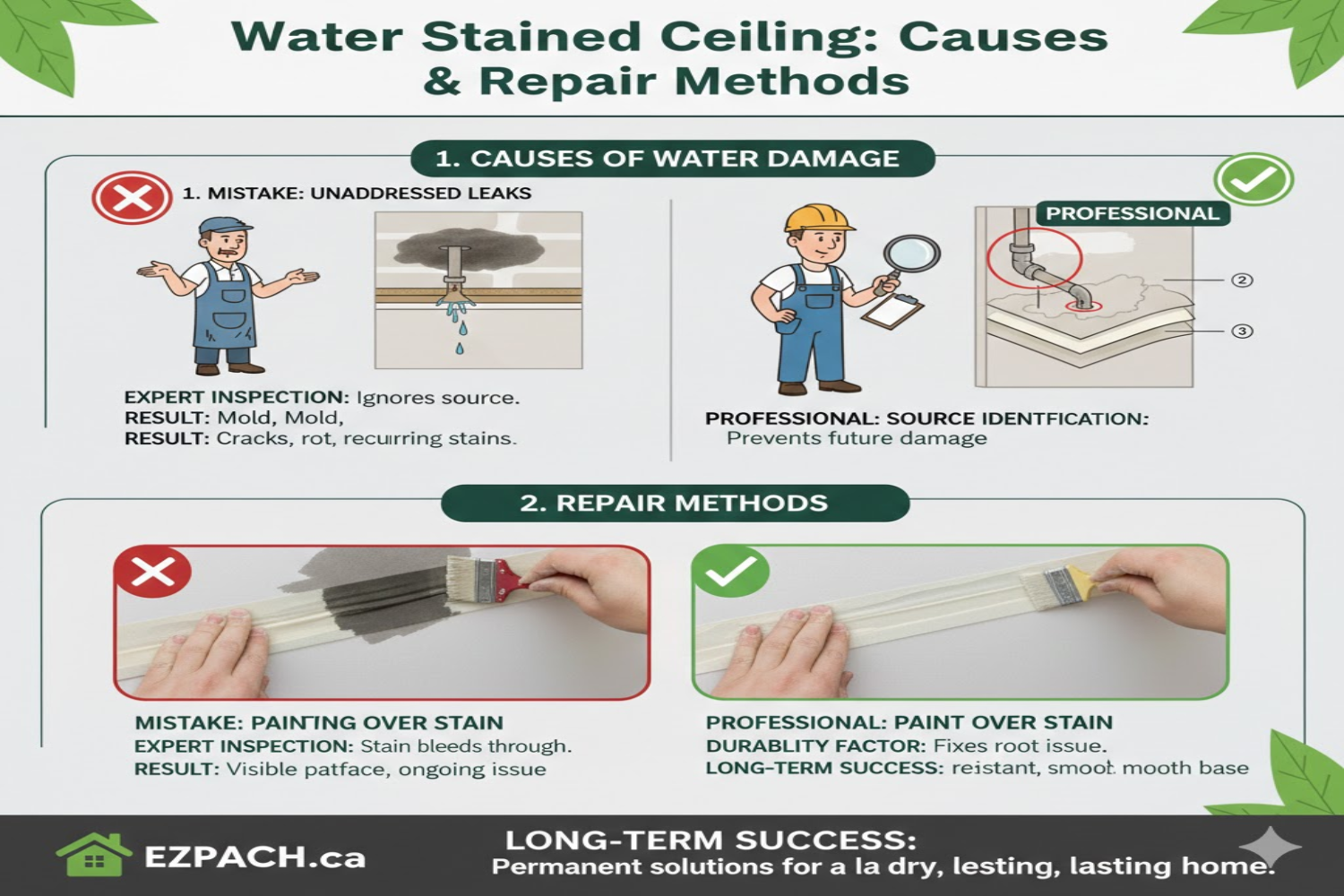
Paint adhesion depends heavily on the quality and consistency of the underlying repair. Uneven repairs absorb paint differently, causing flashing or dull spots. Consistent wall repairs create a uniform surface for paint application.
Primer plays a key role here. Applying primer consistently seals repaired areas evenly. This prevents blotchy finishes and improves paint durability.
Key Benefits of Consistent Repairs for Painting:
- Even paint absorption
- Reduced flashing and patchiness
- Fewer paint coats needed
- Improved color accuracy
- Longer-lasting finish
Structural Integrity and Consistent Wall Repair Quality
Consistency is not just about appearance; it also affects structural integrity. Uneven repairs create weak points that may crack or fail over time. Consistent reinforcement strengthens the entire wall surface.
Applying repair materials evenly distributes stress across the wall. This reduces movement in patched areas and prevents cracks from reappearing. Walls repaired consistently remain stable for longer periods.
Inconsistent repairs often fail under temperature changes or humidity fluctuations. Uniform materials and techniques help the wall expand and contract evenly, preserving repair quality.
DIY Wall Repair Consistency vs Professional Standards
DIY wall repairs often struggle with consistency due to limited experience. Professionals follow standardized processes that ensure uniform results. Understanding this difference helps homeowners set realistic expectations.
DIY repairs can succeed if consistency is maintained throughout the project. However, small variations in technique often lead to noticeable flaws. Professionals minimize these risks through training and repetition.
Hiring a professional ensures consistent quality across large or complex repairs. For critical areas, professional consistency often justifies the higher cost.
Common Wall Repair Mistakes Caused by Inconsistency
Many wall repair failures stem from inconsistent practices. These mistakes reduce durability and visual appeal. Identifying them helps prevent future issues.
Avoiding inconsistent methods improves overall repair success.
Common Inconsistency-Related Mistakes:
- Mixing different joint compounds
- Uneven sanding pressure
- Skipping primer in some areas
- Varying drying times
- Inconsistent texture application
How to Maintain Consistency in Wall Repair Projects
Consistency requires planning and discipline. Following a structured process helps maintain uniform results from start to finish. Simple habits can greatly improve wall repair quality.
Using the same materials, tools, and techniques throughout the project reduces variation. Keeping track of drying times and application methods ensures repeatable results. Consistency also improves efficiency and reduces rework.
Documenting your process can help maintain consistency in future repairs. Professionals rely on repeatable systems for a reason. Adopting similar habits improves long-term repair quality.
Conclusion
Wall repair is not just about fixing damage; it is about doing it correctly and consistently. Uniform methods ensure seamless finishes, strong repairs, and reliable paint results. Skipping steps or changing techniques compromises quality.
Recognizing why consistency matters in wall repair quality helps prevent common failures and unnecessary expenses. Consistent repairs deliver lasting beauty and durability. A disciplined approach always produces better walls.
FAQs
1. Why do inconsistent wall repairs crack over time?
Inconsistent materials and thickness create weak spots. These areas fail under stress and movement.
2. Can inconsistent sanding affect paint results?
Yes, uneven sanding causes paint absorption issues. This leads to visible patches and flashing.
3. Does consistency matter for small wall repairs?
Yes, even small repairs can stand out if inconsistent. Uniform methods ensure seamless blending.
4. How does consistency improve wall durability?
Uniform repairs distribute stress evenly. This reduces cracking and long-term damage.
5. Can DIY repairs match professional consistency?
Yes, but it requires careful planning and patience. Professionals achieve consistency through experience.
6. Why does texture matching require consistency?
Inconsistent texture patterns are easily visible. Matching depth and pattern ensures seamless results.
7. Does primer help with repair consistency?
Yes, primer seals surfaces evenly. This improves paint adhesion and finish uniformity.
8. How can I maintain consistency across multiple repair days?
Use the same materials and tools each day. Follow the same process and drying times consistently.
Drywall Repair Halifax
EZ Patch offers clean, professional drywall, ceiling, plaster, and water damage repair services in Halifax with minimal mess and long-lasting results.
EZ Patch – Drywall Repair Experts
Trusted drywall repair professionals serving Halifax and nearby areas.
Drywall Patch & Repair
Seamless drywall repairs for holes, cracks, dents, and damaged walls.
Ceiling Repairs
Professional ceiling repair services for stains, cracks, and water damage.
Drywall Installation
Complete drywall installation services for renovations and new builds.
Taping & Mudding
Smooth, paint-ready wall finishes by expert drywall finishers.
Plaster Repair Experts
Precision plaster repair services while maintaining original wall texture.
Water Damage Repair
Drywall and ceiling restoration for properties affected by water damage.
Texture Matching
Accurate texture blending so repaired areas match existing finishes.
Installation, Repair & Removal
End-to-end drywall installation, repair, and removal solutions.