Ceiling cracks are a common household issue that many homeowners attempt to fix on their own. While DIY solutions can provide temporary relief, cracks often reappear due to underlying structural or environmental factors. Understanding why this happens is essential for achieving long-lasting repairs and preventing recurring damage.
Many homeowners underestimate the complexity of ceiling repair. Incorrect preparation, improper materials, or failure to address root causes can all lead to cracks resurfacing. Identifying the true reasons behind ceiling cracks helps both DIYers and professionals achieve stable, lasting results.
What Causes Ceiling Cracks to Return
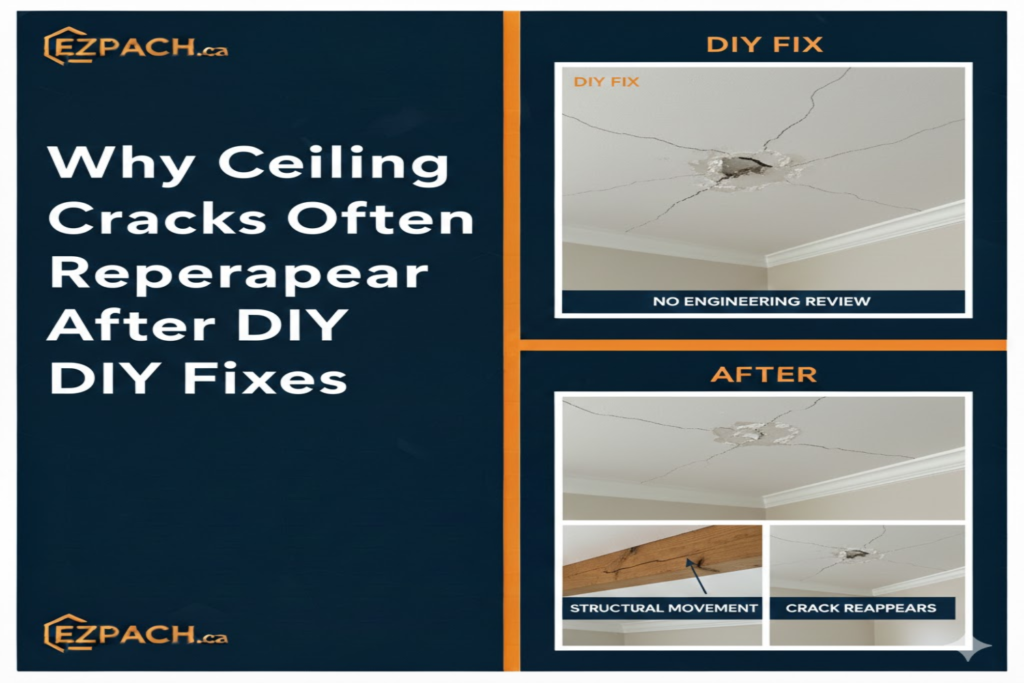
Ceiling cracks often reappear because initial repairs fail to address the root cause.
Structural shifts in the home, such as settling foundations or joist movement, create recurring stress on the ceiling. Temperature and humidity fluctuations can expand and contract materials, opening repaired cracks. DIY fixes frequently address only the cosmetic surface, leaving the underlying problems untreated.
In addition, poor material choice contributes to recurring cracks. Low-quality joint compound or improper drywall tape cannot handle repeated stress. Using professional-grade materials ensures better adhesion and flexibility, reducing the chance of failure.
How DIY Techniques Contribute to Recurring Cracks
Many common DIY methods inadvertently lead to cracks reappearing.
Insufficient Surface Preparation
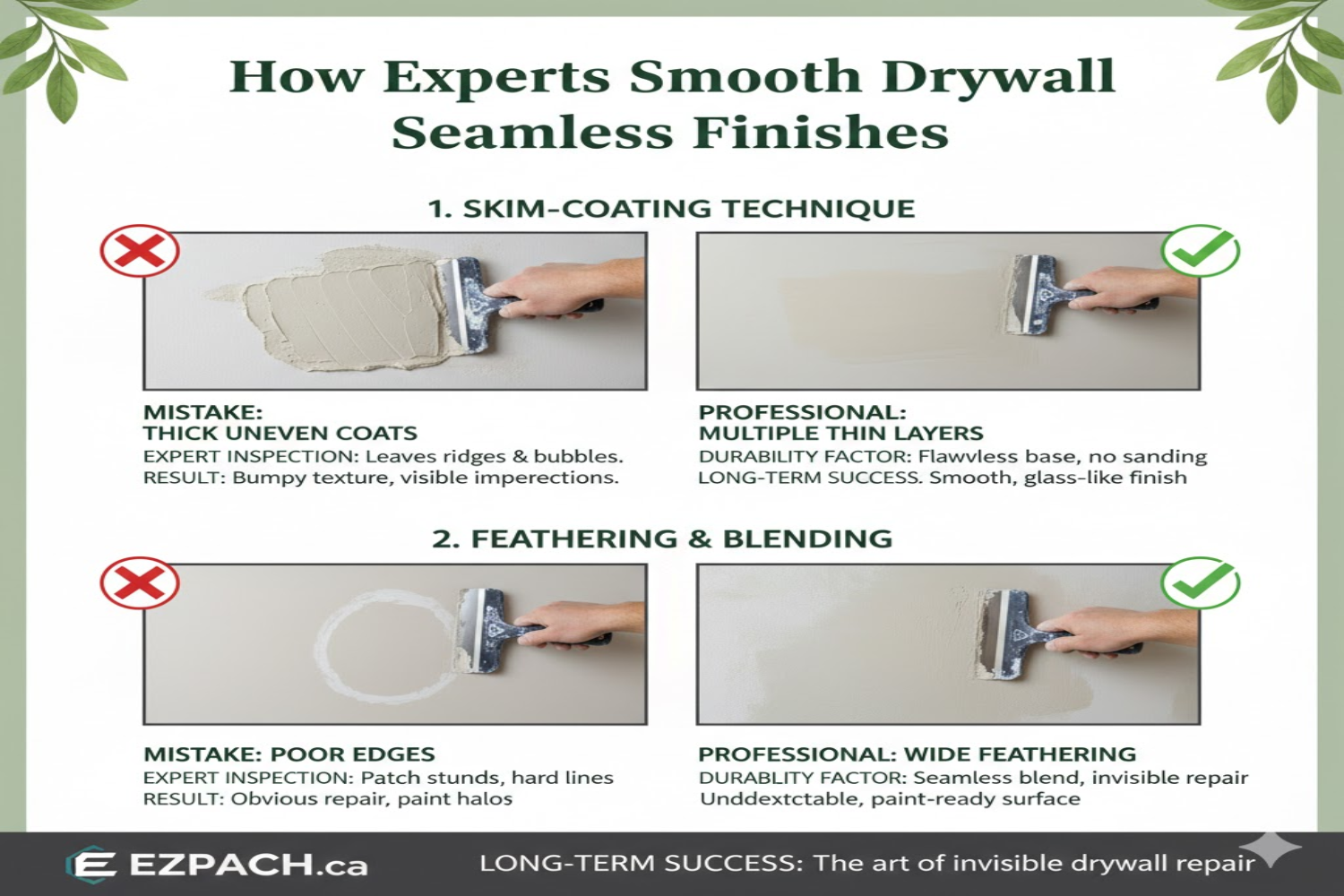
DIYers often fail to remove loose debris, dust, or peeling paint before applying patching material. This lack of preparation prevents proper adhesion, causing the repair to crack again. Proper cleaning, sanding, and priming are essential steps for a long-lasting fix.
Overuse of Joint Compound
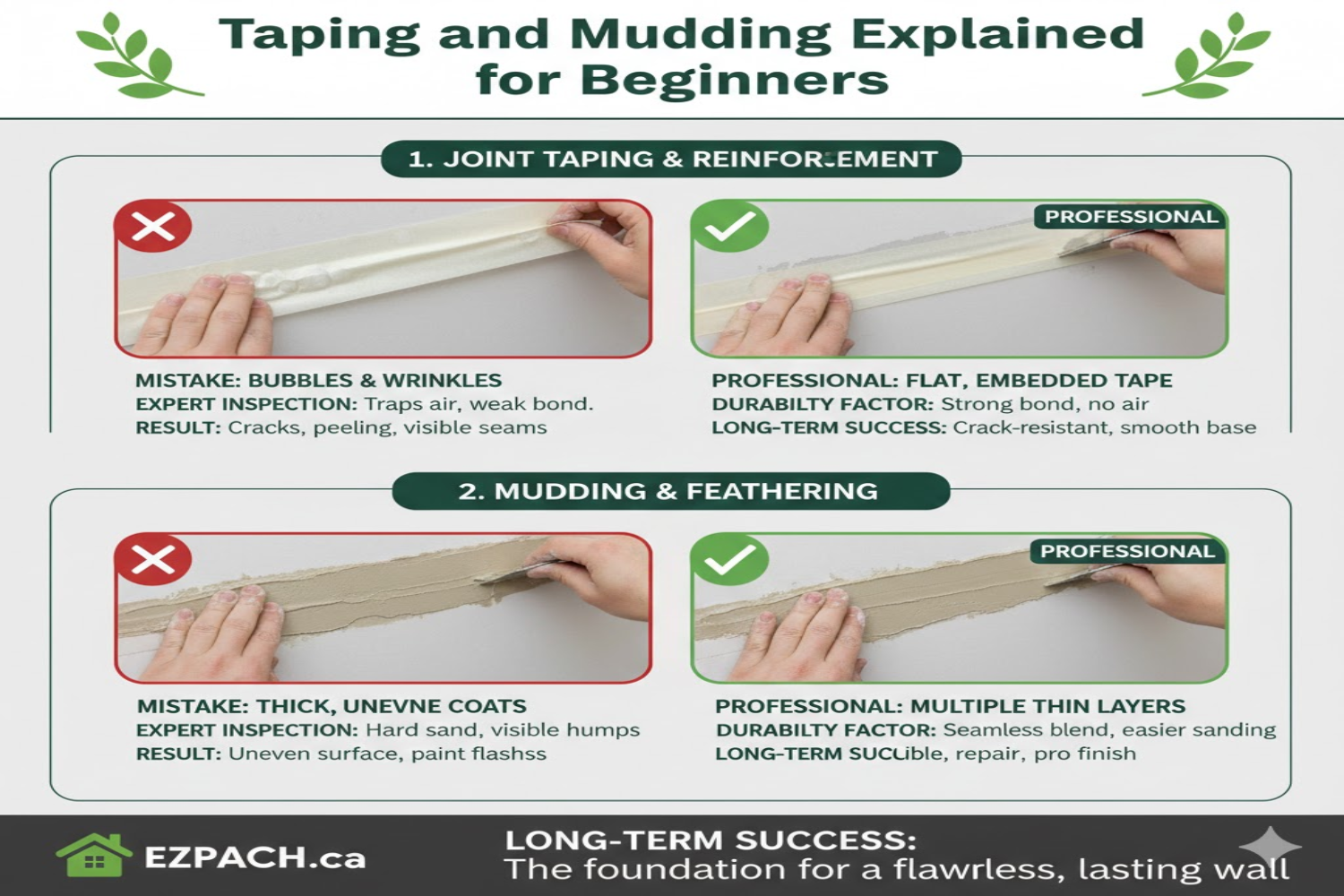
Applying too many compound or multiple thick layers can lead to shrinkage as it dries. Shrinkage pulls the compound away from the edges, causing cracks to reappear. Controlled, thin layers reduce the risk of this common problem.
Incorrect Tape Application
Taping is critical for reinforcing cracks. Using the wrong type of tape or applying it incorrectly prevents proper stress distribution. Fiber mesh or paper tape, applied carefully, ensures the repair remains intact over time.
Poor Drying and Curing
DIY repairs often neglect proper drying times between coats. Rushing the process can trap moisture, causing the compound to crack as it contracts. Allowing adequate drying ensures a stable and durable repair.
Common Types of Ceiling Cracks That Reappear
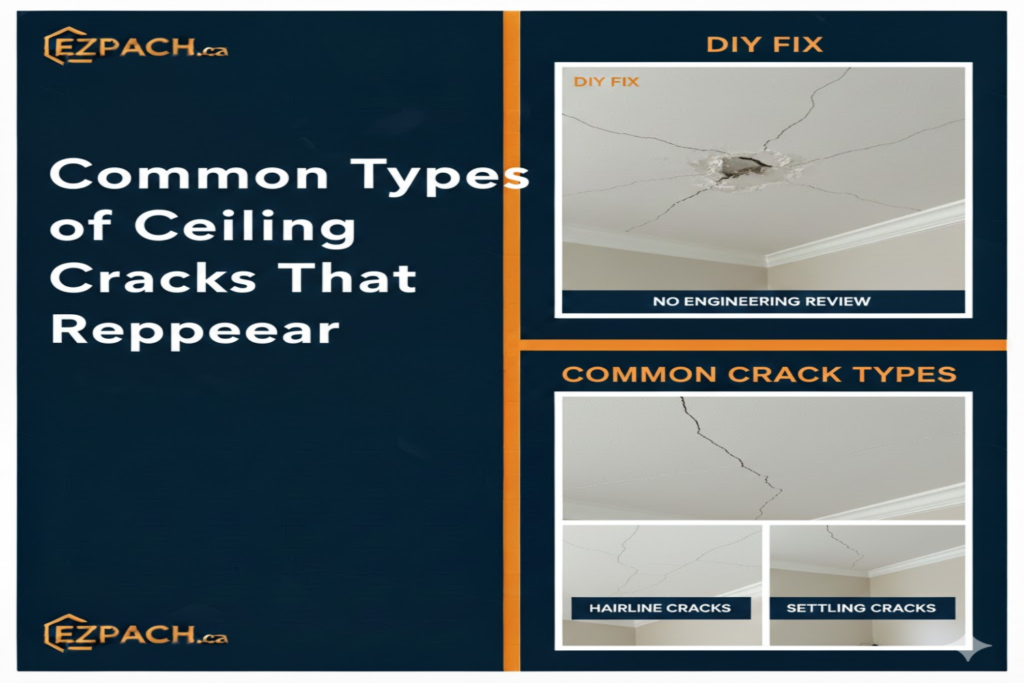
Short paragraph: Not all cracks are created equal, and certain types are more likely to return after DIY fixes.
- Hairline cracks: Often caused by settling or shrinkage; they reappear easily if not reinforced.
- Stress cracks: Result from structural movement and require proper support.
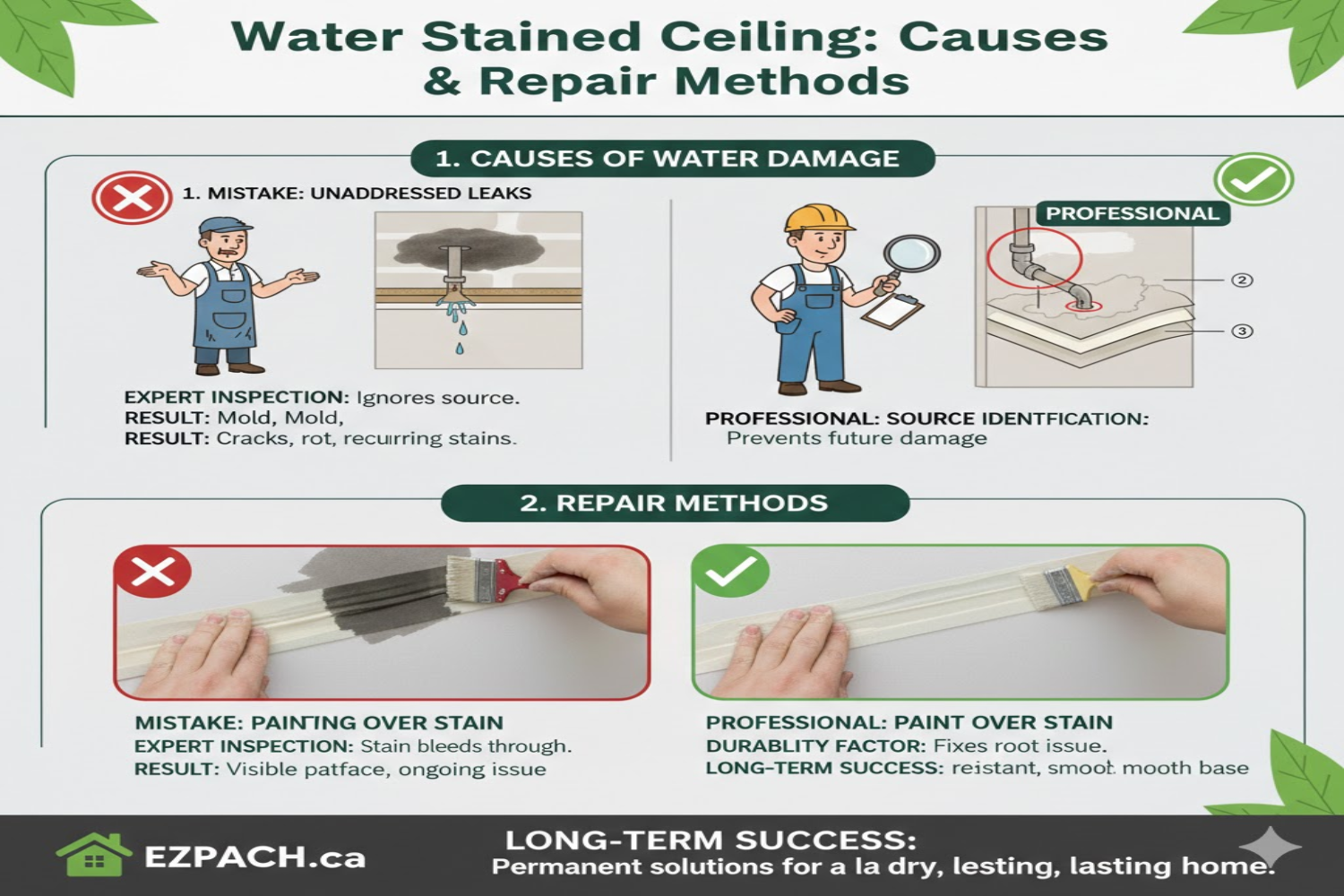
- Water damage cracks: Caused by leaks; cosmetic repairs alone will not suffice.
- Expansion cracks: From temperature changes; need flexible materials to prevent recurrence.
Key Factors Affecting Repair Longevity
Several factors influence whether a ceiling repair will last or fail.
- Structural stability: Movement in the ceiling frame increases crack recurrence.
- Material quality: High-quality joint compound and tape reduce failure rates.
- Environmental conditions: Humidity, temperature, and moisture impact drying and adhesion.
- DIY skill level: Improper techniques often lead to short-lived repairs.
- Inspection and prep: Failing to identify underlying damage causes repeat issues.
Proper consideration of these factors improves repair longevity and prevents recurring problems.
When Professional Intervention Is Necessary
Cracks caused by structural issues, water damage, or severe settling often need expert evaluation. Professionals can reinforce ceilings, replace damaged drywall, and apply high-grade materials to prevent future cracking.
Structural Reinforcement
For large or recurring cracks, reinforcing ceiling joists or installing support beams may be necessary. Professionals can assess load distribution to ensure the ceiling remains stable. Proper reinforcement reduces stress on repaired areas and prevents cracks from returning.
Water Damage Remediation
Water-damaged areas require full replacement of compromised drywall or plaster. Mold remediation may also be necessary to maintain a safe indoor environment. Addressing the source of moisture prevents recurring cracks caused by continued water intrusion.
Advanced Finishing Techniques
Professionals use techniques such as multiple thin compound layers, flexible tapes, and texturing to create durable repairs. These methods accommodate material expansion and contraction over time. Advanced finishes minimize visible imperfections and crack recurrence.
How Material Choice Impacts Recurrence
The materials used during ceiling repairs play a critical role in preventing cracks from reappearing. Low-quality joint compounds and tape often lack the flexibility needed to handle natural building movement, causing repairs to fail over time. Selecting professional-grade compounds ensures better adhesion and resistance to shrinkage, resulting in longer-lasting repairs.
In addition to joint compound, the type of tape and finishing products also affect durability. Fiber mesh or reinforced paper tape distributes stress evenly across cracks, reducing the likelihood of recurrence. Using compatible primers and paints further stabilizes the surface and protects against environmental factors like humidity and temperature fluctuations.
Cost of Professional vs DIY Repairs
Short paragraph: Understanding cost differences can help homeowners decide whether to attempt DIY fixes or hire professionals. While DIY repairs are cheaper initially, recurring cracks often lead to repeated expenses.
| Repair Type | DIY Material Cost (CAD) | Professional Labor Cost (CAD) | Total Estimated Cost (CAD) |
| Small hairline crack | 10–30 | 50–100 | 60–130 |
| Medium stress crack | 20–50 | 100–250 | 120–300 |
| Water-damaged ceiling | 50–150 | 200–700 | 250–850 |
| Large structural cracks | 100–250 | 500–1,500 | 600–1,750 |
| Textured ceiling repair | 30–100 | 150–500 | 180–600 |
Tips to Prevent Cracks from Returning
- Always prepare the surface thoroughly before repairs.
- Use high-quality joint compound and tape.
- Apply thin, multiple layers instead of one thick layer.
- Ensure proper drying and curing between coats.
- Address underlying causes such as leaks or structural shifts
Following these practices increases repair longevity and reduces repeated costs.
Conclusion
Ceiling cracks often reappear after DIY fixes due to improper techniques, poor material choices, and unaddressed underlying issues. Temporary solutions may look acceptable initially, but without proper preparation and attention to root causes, cracks are likely to return.
Investing in high-quality materials, proper drying, and professional assessment when necessary ensures lasting repairs. By understanding the reasons behind recurring ceiling cracks, homeowners can make informed decisions and avoid repeated maintenance costs.
FAQs
1. Why do DIY ceiling repairs often fail?
DIY repairs often neglect surface prep, proper tape application, and drying time, leading to recurring cracks.
2. Can hairline cracks become larger if ignored?
Yes, small cracks can expand over time due to structural shifts or humidity changes.
3. How can I tell if a crack is structural?
Structural cracks are typically wider, follow a pattern along joists, and may be accompanied by sagging ceilings.
4. Is professional repair always necessary?
Not always; minor hairline cracks can be DIY-fixed properly. Severe, recurring, or water-related cracks need professional attention.
5. Can water damage cause cracks to return after repair?
Yes, if the source of water intrusion is not addressed, cracks will reappear.
6. What materials are best for long-lasting repairs?
High-quality joint compounds, fiber mesh or paper tape, and low-VOC finishes ensure durability.
7. How long should I wait between compound layers?
Allow at least 24 hours for each layer to dry completely to prevent shrinkage cracks.
8. Can temperature and humidity affect repair success?
Yes, extreme temperatures or high humidity can cause joint compound to expand, contract, and crack.
Drywall Repair Halifax
EZ Patch offers clean, professional drywall, ceiling, plaster, and water damage repair services in Halifax with minimal mess and long-lasting results.
EZ Patch – Drywall Repair Experts
Trusted drywall repair professionals serving Halifax and nearby areas.
Drywall Patch & Repair
Seamless drywall repairs for holes, cracks, dents, and damaged walls.
Ceiling Repairs
Professional ceiling repair services for stains, cracks, and water damage.
Drywall Installation
Complete drywall installation services for renovations and new builds.
Taping & Mudding
Smooth, paint-ready wall finishes by expert drywall finishers.
Plaster Repair Experts
Precision plaster repair services while maintaining original wall texture.
Water Damage Repair
Drywall and ceiling restoration for properties affected by water damage.
Texture Matching
Accurate texture blending so repaired areas match existing finishes.
Installation, Repair & Removal
End-to-end drywall installation, repair, and removal solutions.