Plaster repairs are often viewed as purely cosmetic improvements to walls and ceilings. Homeowners may patch cracks or holes without realizing that these minor repairs can sometimes mask or contribute to more serious structural issues. While plaster itself is a surface finish, it is closely tied to the underlying support structure, such as lath, drywall, or masonry, which provides strength and stability to walls.
Ignoring the signs of structural compromise when repairing plaster can lead to significant safety hazards. Visible cracks, sagging areas, or repeated failures may indicate weakened framing, water damage, or foundation issues. Understanding when plaster repairs impact structural integrity is essential for homeowners, contractors, and even DIY enthusiasts to ensure both safety and longevity of the property.
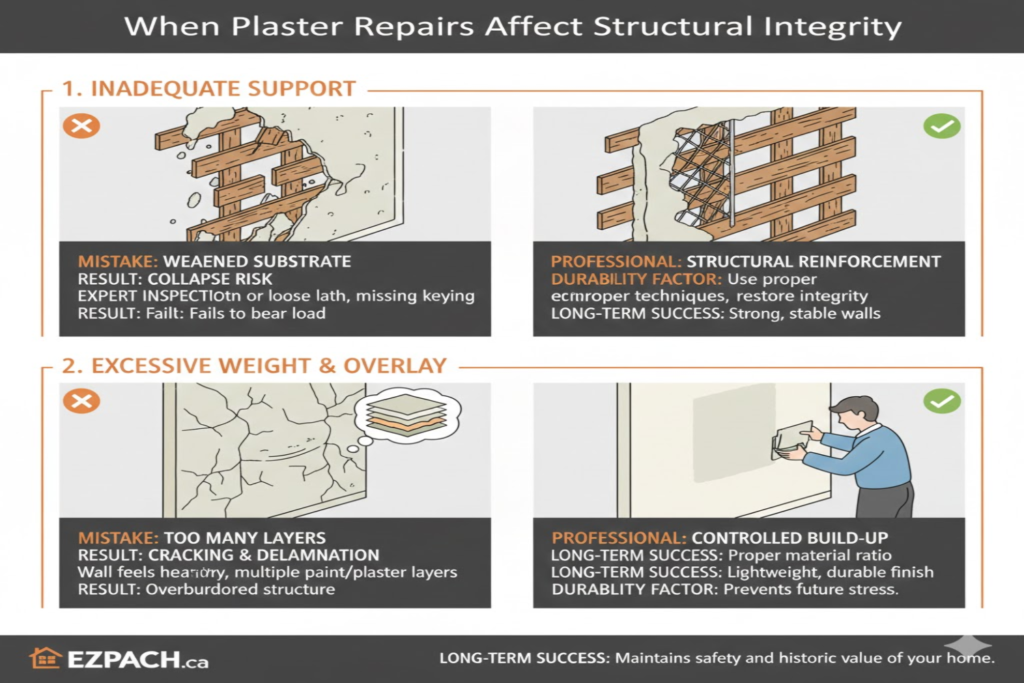
Understanding Plaster and Its Role in Wall Stability
Plaster is more than just a smooth, decorative surface—it also contributes to the rigidity of walls and ceilings. Traditional plaster, especially when applied over lath or masonry, helps distribute loads and reinforce the structure. Modern drywall plaster acts as a protective layer, but improper application can compromise its role.
While plaster itself does not bear significant structural weight, it adheres to surfaces that do. Weak adhesion, gaps, or cracks can reduce the effectiveness of the wall’s overall stability. A seemingly minor plaster repair can hide deeper issues such as framing movement, moisture infiltration, or settling, making it critical to approach repairs thoughtfully.
Common Scenarios Where Plaster Repairs Affect Structural Integrity
Not all plaster issues are dangerous, but certain patterns and conditions signal potential risks. Homeowners should be alert to the following scenarios:
Deep or Wide Cracks
- Vertical or stair-step cracks often indicate foundation settling.
- Horizontal cracks near corners or windows may suggest wall shifting.
- Patching these cracks without addressing the cause may mask structural problems.
Sagging or Bowing Ceilings
- Plaster over unsupported areas may continue to sag over time.
- Large ceiling panels that bulge or feel soft require professional assessment.
- Cosmetic repair alone cannot correct underlying structural weakness.
Repeated Cracking in the Same Area
- Recurring cracks suggest ongoing movement in the framing or foundation.
- Temporary plaster patches may conceal symptoms without solving the root cause.
- Addressing the structural issue first is crucial to prevent future repairs.
Moisture-Compromised Plaster
- Water infiltration weakens plaster and the materials beneath.
- Moisture can cause lath decay, mold, or sagging.
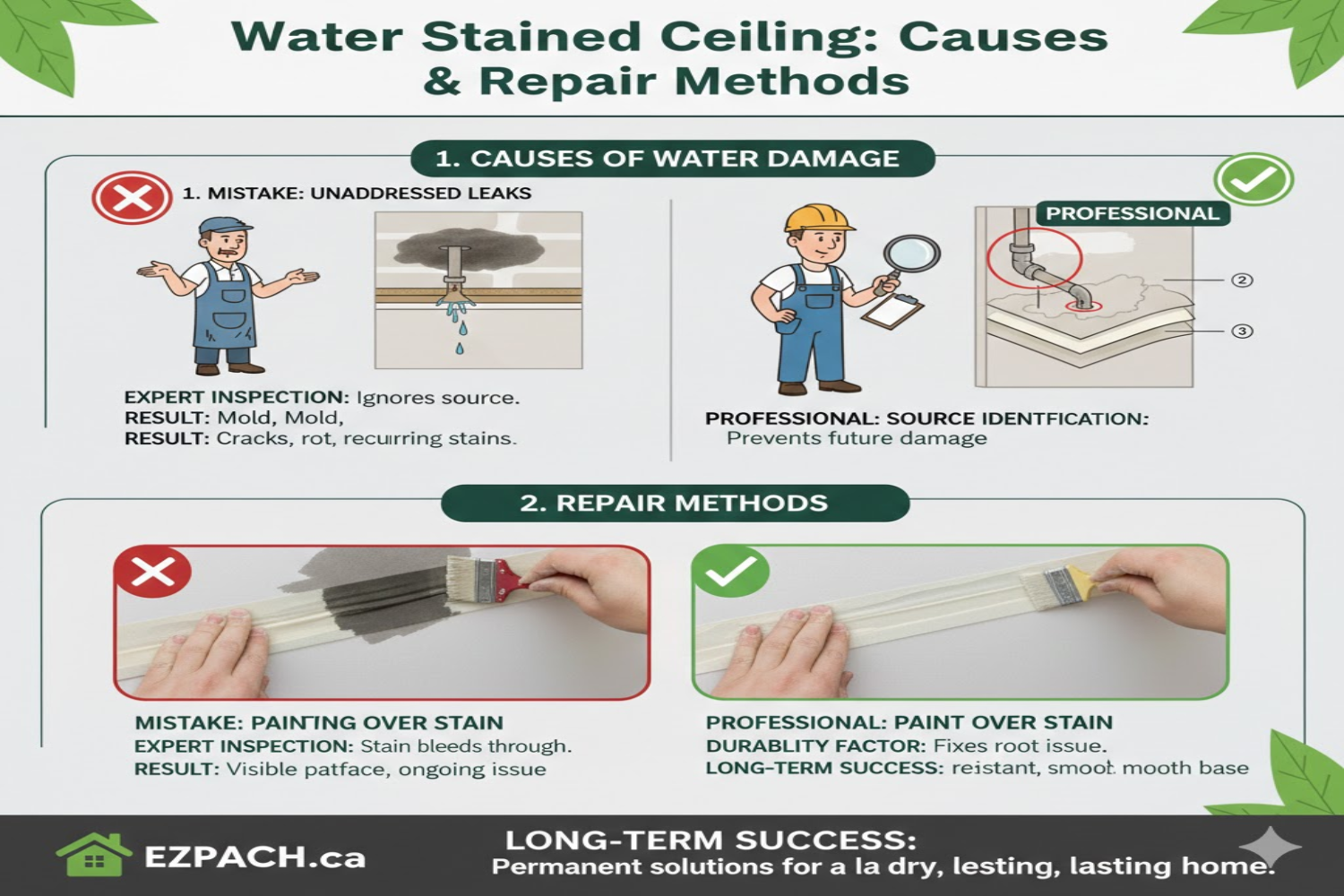
- Repairing plaster without resolving the source of moisture will only provide a temporary fix.
How to Identify Structural Issues Behind Plaster Damage
Proper evaluation is critical before attempting any repair. Identifying whether the damage is superficial or structural can prevent further problems.
- Observe Crack Patterns: Large horizontal, stair-step, or vertical cracks are more concerning than hairline cracks.
- Feel for Soft or Spongy Areas: Plaster that gives under pressure may indicate decayed lath or moisture damage.
- Check Alignment: Doors and windows that stick, uneven floors, or walls out of plumb often correlate with structural movement.
- Inspect the Surrounding Material: Remove small areas of plaster to examine lath, drywall, or masonry for decay or weakness.
- Professional Evaluation: Structural engineers or experienced contractors can provide a detailed assessment and recommend corrective measures.
Why Poor Plaster Repairs Can Worsen Structural Integrity
Improper repairs not only fail to address the root problem but can actually make the situation worse. Common issues include:
- Superficial Patching: Filling cracks without stabilizing framing may hide damage while structural stress continues.
- Wrong Materials: Lightweight or incompatible plaster compounds may fail to bond with old surfaces.
- Ignoring Moisture: Water-damaged areas that are simply patched will continue to weaken underlying structures.
- Over-Sanding or Excessive Removal: Improper sanding may remove structural support from the edges of lath or drywall.
These mistakes reduce both durability and safety, emphasizing the importance of professional-grade techniques for serious repairs.
Step-by-Step Guide to Safe Plaster Repairs
Correcting plaster with structural considerations in mind involves careful preparation, the right materials, and proper techniques.
Step 1: Assess the Damage
- Identify cracks, soft areas, and sagging.
- Determine if issues are cosmetic or structural.
- Evaluate surrounding framing, lath, or drywall.
Step 2: Address Underlying Problems
- Fix leaks, water damage, or foundation issues before repair.
- Replace or reinforce decayed lath, framing, or support beams.
- Ensure the wall or ceiling is stable before cosmetic repair.
Step 3: Choose Appropriate Materials
- Use plaster type compatible with the original wall construction.
- Consider reinforced plaster or mesh in areas prone to movement.
- Avoid quick-setting or lightweight compounds for structural areas.
Step 4: Apply Plaster Correctly
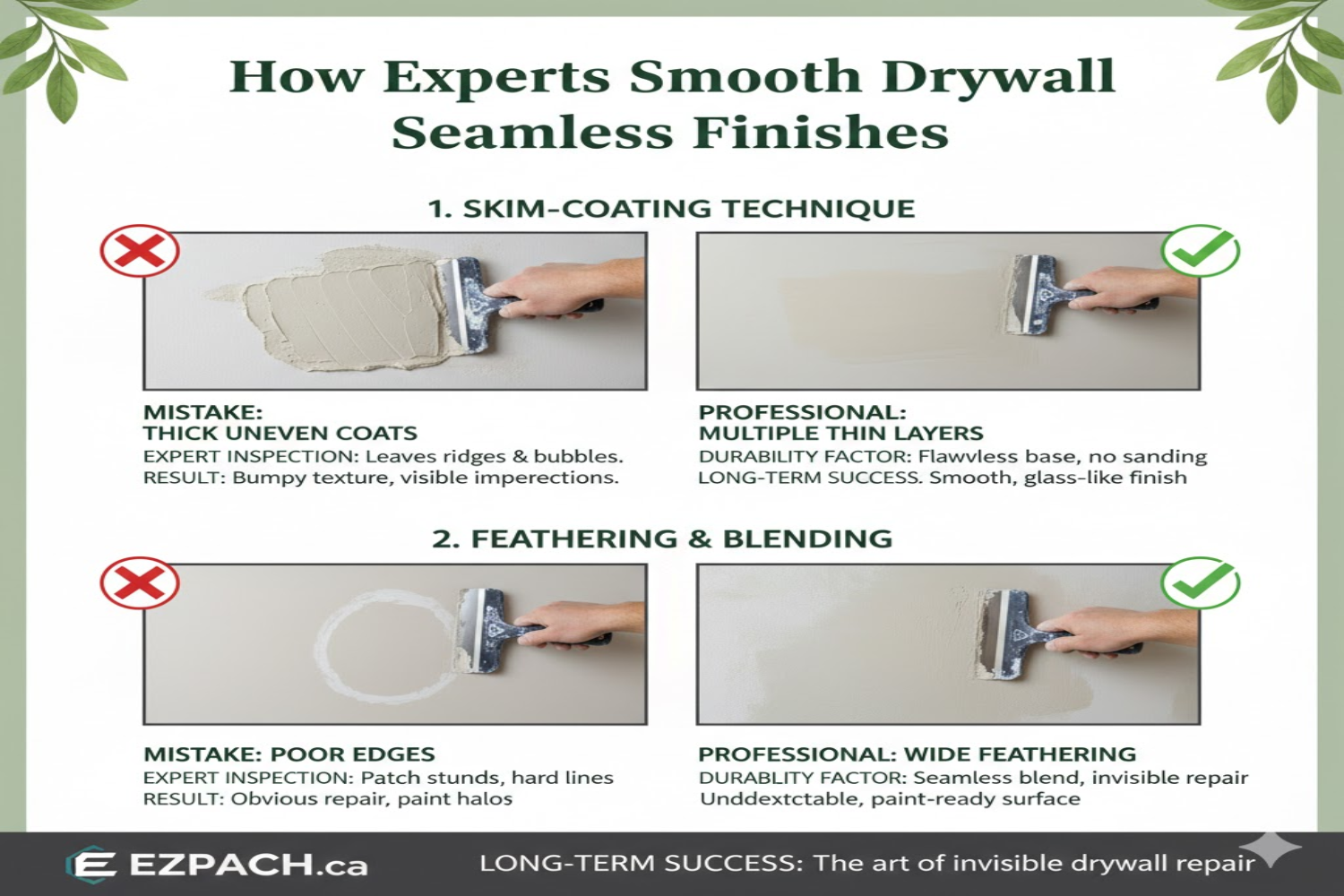
- Layer plaster gradually, allowing each coat to dry completely.
- Feather edges to blend with surrounding surfaces.
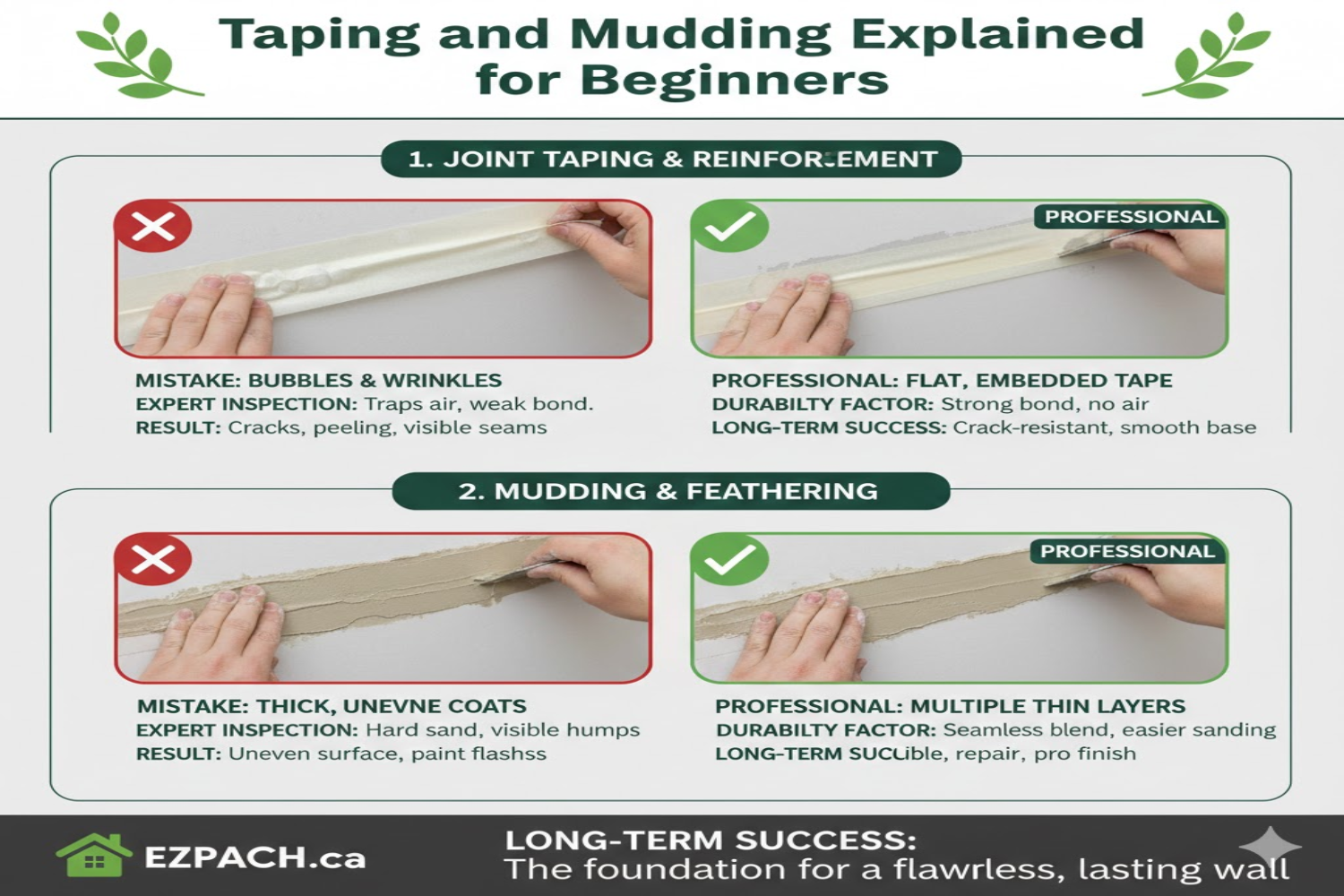
- Embed reinforcing mesh or tape where necessary for stability.
Step 5: Finish and Protect
- Sand carefully between coats to achieve smooth transitions.
- Apply primer to seal the surface and prevent moisture penetration.
- Paint with quality finishes that do not trap moisture behind the plaster.
Tools and Materials for Structurally-Sound Plaster Repairs
Having the right tools ensures effective repairs while protecting structural integrity:
- Joint Compound/Plaster: Pre-mixed or powder form, suitable for structural repairs.
- Fiberglass or Metal Mesh: Reinforces joints and cracks.
- Taping Knives & Floats: For smooth, even application.
- Sanders and Sponges: For feathering edges and smoothing surfaces.
- Primer & Paint: To seal and finish the wall.
- Protective Gear: Dust masks, goggles, and gloves for safety.
Preventive Measures to Protect Structural Integrity
Preventive care helps avoid serious structural problems in the first place:
- Inspect walls and ceilings regularly for cracks or moisture.
- Fix leaks, condensation, or drainage issues promptly.
- Reinforce plaster in high-risk areas with mesh or lath.
- Avoid covering structural cracks with cosmetic plaster alone.
- Track recurring damage to identify patterns of movement or stress.
DIY vs Professional Repairs
While minor plaster touch-ups can be handled by DIYers, repairs affecting structural integrity should always involve professionals.
- DIY repairs are suitable for hairline cracks and surface imperfections.
- Professional intervention is recommended for deep cracks, sagging ceilings, or moisture-damaged areas.
- Structural assessment ensures repairs are safe, durable, and long-lasting.
Long-Term Implications of Ignoring Structural Issues
Ignoring structural problems when repairing plaster can lead to:
- Increasingly visible cracks and cosmetic issues.
- Weakening of walls or ceilings, risking collapse in extreme cases.
- Mold and mildew grow from ongoing moisture problems.
- Higher repair costs when temporary fixes fail.
Preventive assessment and proper repair methods save both time and money in the long term.
Conclusion
Plaster repairs are not merely cosmetic—they can affect structural integrity if underlying issues are ignored. Proper assessment, use of compatible materials, and professional repair techniques are essential for safe and durable results. Homeowners must distinguish between superficial cracks and structural damage to avoid future hazards.
Addressing structural issues before or during plaster repair ensures a long-lasting finish that is both visually appealing and safe. Consistent inspection, proper maintenance, and adherence to best practices protect your home’s stability while enhancing its aesthetic appeal.
Frequently Asked Questions (FAQs)
1. Can minor plaster cracks compromise wall integrity?
Small cracks are usually cosmetic, but wide, recurring, or deep cracks may indicate structural issues.
2. How do I know if plaster damage is structural?
Look for sagging ceilings, soft areas, or cracks that extend through plaster layers.
3. Is water-damaged plaster a structural risk?
Yes, moisture weakens plaster and the underlying lath or drywall, reducing wall strength.
4. Can I patch structural cracks myself?
DIY repairs are safe only for cosmetic cracks; structural cracks need professional evaluation.
5. What materials should I use for structural plaster repair?
Use reinforced plaster, mesh, or compound suitable for load-bearing areas.
6. How long should plaster dry between coats?
Allow 12–24 hours or longer, depending on humidity, to prevent shrinkage and cracking.
7. Does sagging plaster always mean a serious problem?
Not always, but sagging combined with cracks or moisture often indicates structural compromise.
8. When should I call a structural engineer?
If cracks are large, repeated, or accompanied by foundation movement or ceiling sag, professional assessment is critical.
Drywall Repair Halifax
EZ Patch offers clean, professional drywall, ceiling, plaster, and water damage repair services in Halifax with minimal mess and long-lasting results.
EZ Patch – Drywall Repair Experts
Trusted drywall repair professionals serving Halifax and nearby areas.
Drywall Patch & Repair
Seamless drywall repairs for holes, cracks, dents, and damaged walls.
Ceiling Repairs
Professional ceiling repair services for stains, cracks, and water damage.
Drywall Installation
Complete drywall installation services for renovations and new builds.
Taping & Mudding
Smooth, paint-ready wall finishes by expert drywall finishers.
Plaster Repair Experts
Precision plaster repair services while maintaining original wall texture.
Water Damage Repair
Drywall and ceiling restoration for properties affected by water damage.
Texture Matching
Accurate texture blending so repaired areas match existing finishes.
Installation, Repair & Removal
End-to-end drywall installation, repair, and removal solutions.