Repairing a property goes far beyond simply fixing visible damage. While average repairs may temporarily solve a problem, high-end repairs focus on long-lasting quality, precision, and aesthetics. Understanding the difference between the two approaches helps homeowners invest wisely and ensures repairs stand the test of time.
High-end repairs incorporate premium materials, skilled craftsmanship, and attention to detail, producing results that are nearly indistinguishable from the original surface. They prevent recurring issues, enhance property value, and provide a professional finish that average repairs rarely achieve. Recognizing these differences can save both time and money in the long term.
Key Features of High-End Repairs
High-end repairs are defined by several unique characteristics that distinguish them from average fixes. One of the most important aspects is material quality. Using premium materials ensures durability and visual appeal.
Equally critical is skilled craftsmanship. Professionals executing high-end repairs address both visible damage and underlying issues, delivering flawless results. The combination of quality materials and expertise sets these repairs apart from average alternatives.
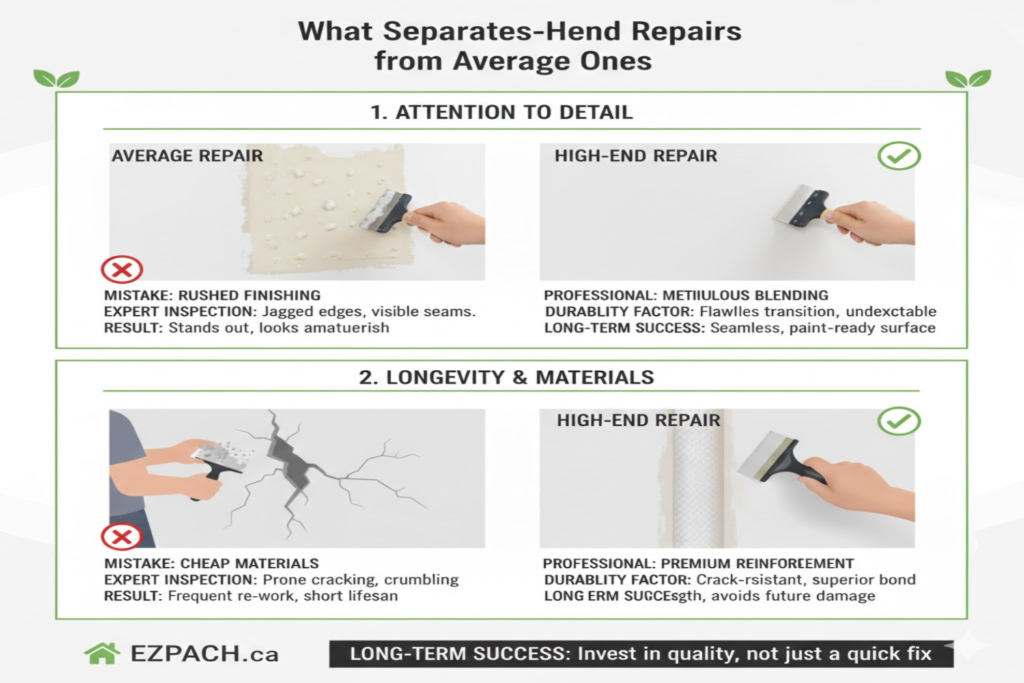
Material Quality in High-End Repairs
Using the right materials is the foundation of high-end repairs. Premium-grade drywall, adhesives, and finishing compounds resist wear and tear far better than standard alternatives.
High-end materials also contribute to the overall aesthetic, creating seamless blends that are hard to detect. While costlier upfront, these materials reduce the need for future repairs.
Skilled Craftsmanship
Craftsmanship plays a pivotal role in the longevity and appearance of repairs. Experts pay attention to subtle details like edges, corners, and texture consistency.
Average repairs often overlook these nuances, resulting in visible imperfections. Skilled technicians ensure every aspect of the repair blends perfectly with the surrounding area.
Advanced Techniques for High-End Repairs
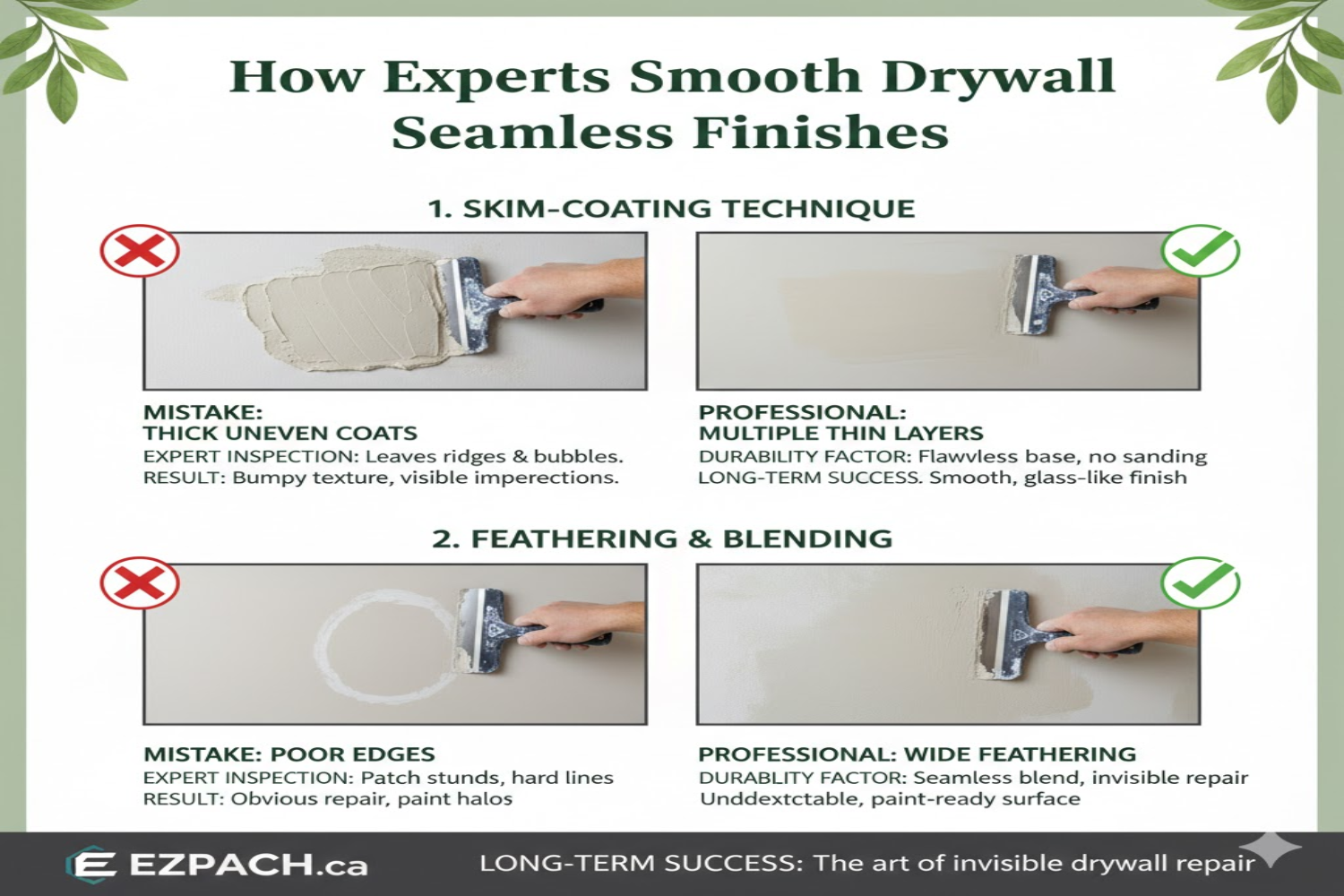
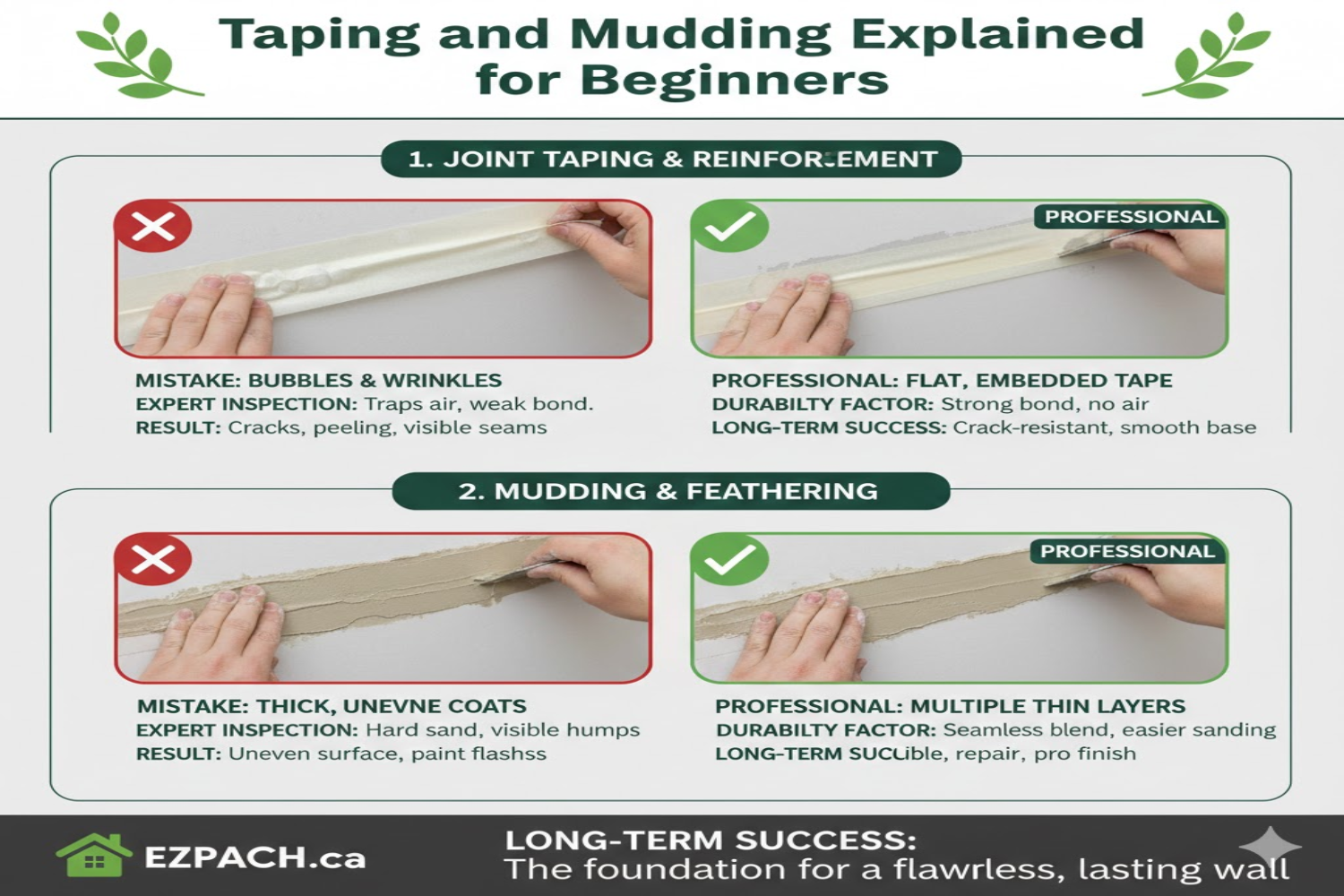
High-end repairs often utilize advanced methods not seen in average work. Techniques like multi-layer mudding, precision sanding, and specialized finishing create a smooth and durable surface.
Average repairs may skip these processes due to time or cost constraints, which can lead to cracks, uneven textures, or peeling. Incorporating advanced techniques ensures repairs remain strong and visually flawless.
Multi-Layer Mudding
Applying multiple layers of mud ensures a smooth and even wall surface. Each layer is carefully sanded and inspected before the next is applied.
This technique prevents cracking and provides a stable foundation for paint or texture. It is a standard in high-end repairs but often skipped in average fixes.
Precision Sanding and Finishing
High-end repairs require meticulous sanding to achieve a perfectly smooth finish. Specialized tools help eliminate bumps, ridges, or uneven textures.
Finishing touches, such as fine detailing and edge smoothing, make high-end repairs visually seamless. These small steps greatly affect the overall appearance and longevity.
Preparation Steps That Make a Difference
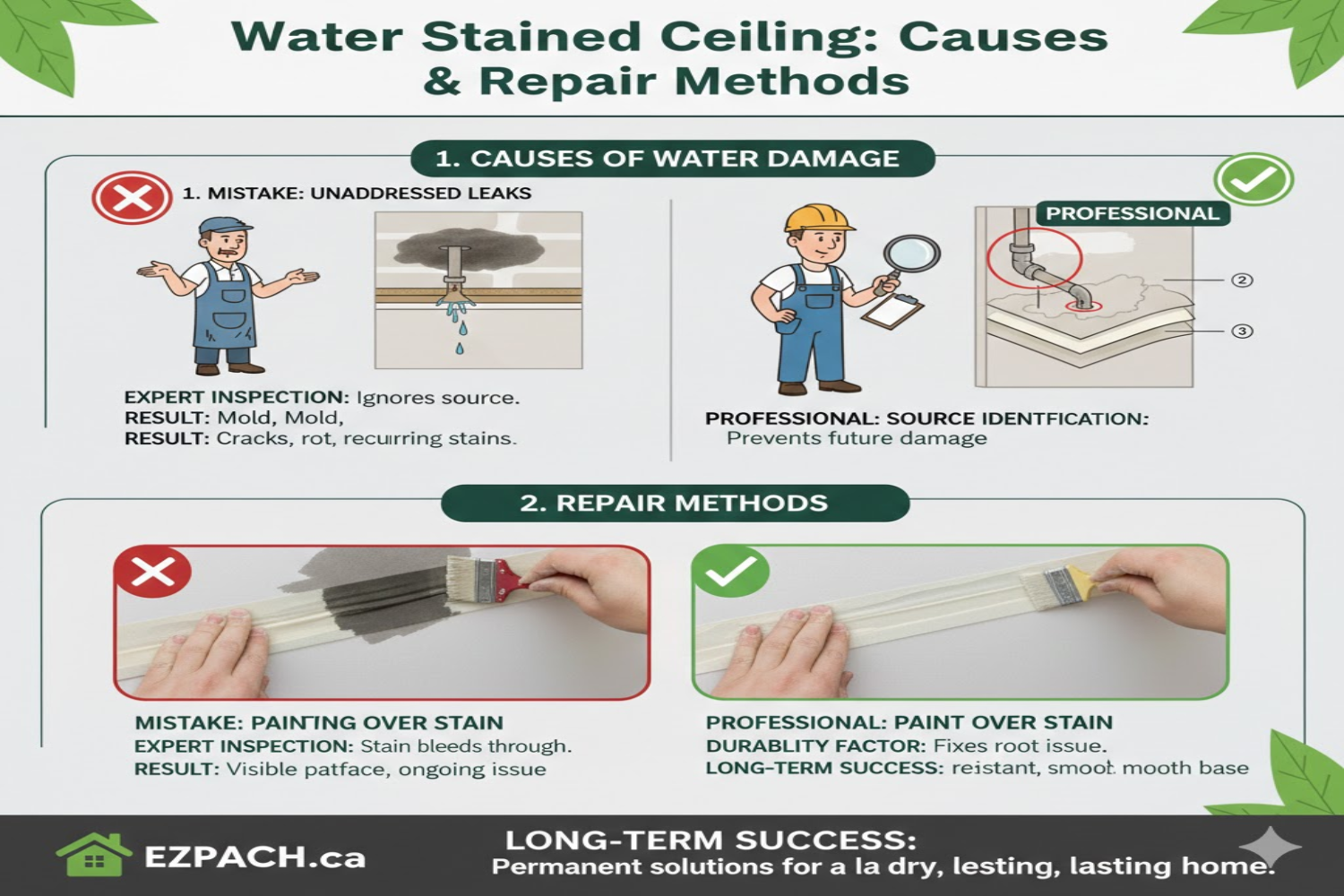
High-end repairs are built on thorough preparation, which ensures the repair’s durability and aesthetic appeal. Technicians assess underlying issues like moisture, mold, and structural weaknesses before beginning work.
Average repairs often address only visible problems, leaving hidden issues untreated. Proper preparation prevents recurring damage and guarantees long-lasting results.
Pre-Repair Inspection
A detailed inspection identifies both visible and hidden damage. Professionals check for cracks, moisture intrusion, and potential structural concerns.
This assessment ensures that repairs address the root cause rather than temporary symptoms. Skipping this step is common in average repairs and can result in repeated problems.
Surface Preparation
High-end repairs involve cleaning, sanding, and priming the affected area. This creates a smooth, even surface ready for a repair application.
Average repairs often skip these steps, leading to poor adhesion and uneven finishes. Proper surface preparation is essential for durability and a professional look.
Attention to Detail in High-End Repairs
High-end repairs emphasize aesthetic quality as much as functionality. Every aspect of the repair, from color matching to texture replication, is carefully executed.
Average repairs may fix the functional issue but leave noticeable imperfections. High-end repairs focus on creating a seamless, professional appearance.
Color Matching Techniques
Accurate color matching ensures the repaired area blends with the existing surface. Technicians use specialized tools to replicate hues precisely.
Even slight mismatches are avoided, which enhances the visual quality and reduces the likelihood of repainting.
Texture Consistency
Matching the existing wall or ceiling texture is crucial. High-end repairs replicate patterns exactly, whether it’s smooth, knockdown, or popcorn textures.
Average repairs often overlook this step, leaving noticeable differences that reveal the repair.
Trim and Edge Detailing
Attention to corners, moldings, and edges sets high-end repairs apart. Clean, precise lines provide a polished and professional finish.
Average repairs may leave edges rough or uneven, diminishing the overall quality of the repair.
Cost Factors in High-End Repairs
Investing in high-end repairs typically involves higher upfront costs, but the long-term benefits justify the expense. They reduce future maintenance, increase property value, and provide lasting durability.
Average repairs may seem cheaper initially, but often require repeat work, leading to higher cumulative costs.
| Repair Type | Average Cost (USD) | High-End Cost (USD) | Notes |
| Drywall Patch | $150 – $300 | $400 – $700 | Premium materials and expert finishing |
| Ceiling Repair | $200 – $500 | $600 – $1,200 | Advanced techniques and texture matching |
| Plaster Wall Repair | $250 – $600 | $700 – $1,500 | Skilled craftsmanship included |
| Water Damage Repair | $300 – $800 | $900 – $2,000 | Comprehensive assessment and repair |
| Wood Trim Replacement | $100 – $400 | $500 – $1,000 | Precision cutting and high-quality material |
Benefits of High-End Repairs
High-end repairs offer more than just a quick fix—they improve longevity, aesthetics, and functionality. Below are some key benefits:
- Durability: Premium materials and expert craftsmanship extend the life of repairs.
- Visual Appeal: Seamless finishes enhance the overall look of a property.
- Reduced Maintenance: Proper techniques reduce the need for repeat repairs.
- Increased Property Value: High-quality repairs can increase resale value.
- Environmental Consideration: Eco-friendly materials and proper waste management are often used.
- Peace of Mind: Warranties and professional service provide confidence in the repair work.
Tools and Technology in High-End Repairs
High-end repairs leverage modern tools and technology to ensure precision and efficiency. These tools allow technicians to perform work more accurately than with basic hand tools.
Average repairs typically rely on standard tools, which limit the level of finish and accuracy achievable.
Specialty Tools for Precision
Tools such as laser levels, texture sprayers, and drywall lifts are essential in high-end repairs. They allow accurate alignment, smoother finishes, and faster work without sacrificing quality.
Average repairs rarely use these tools, often resulting in minor imperfections.
Safety and Cleanliness
High-end repair teams prioritize safety and cleanliness, using containment systems, protective gear, and proper debris disposal.
These practices prevent damage to surrounding areas and ensure a safer environment for homeowners and workers.
Warranty and After-Service Support
High-end repairs often come with warranties covering materials and labor. This level of service provides peace of mind that any future issues will be addressed professionally.
Average repairs may offer limited or no warranty, leaving homeowners responsible for potential problems.
Warranty Coverage
Warranties in high-end repairs reflect confidence in the work quality. They cover defects in both materials and workmanship.
This ensures homeowners do not face unexpected costs for repairs that should have lasted longer.
Customer Support
Professional repair companies provide responsive customer support. They address concerns promptly and guide if follow-up service is required.
Average repair services may lack this support, leaving homeowners frustrated if issues arise.
High-End vs. Average Repairs: Common Misconceptions
- High-end repairs are only for luxury homes.
- They always require excessive time.
- Average repairs are sufficient for all damage types.
- High-end repairs are purely aesthetic, not functional.
- Premium repairs are unnecessarily expensive.
Understanding these misconceptions helps homeowners make informed decisions when choosing repair services.
Conclusion
High-end repairs distinguish themselves through superior materials, expert craftsmanship, advanced techniques, and meticulous attention to detail. They offer long-lasting durability, seamless finishes, and enhanced property value.
Investing in high-end repairs reduces future maintenance, improves visual appeal, and ensures functional longevity. Recognizing the difference between high-end and average repairs allows homeowners to make informed, cost-effective decisions.
High-end repairs are not merely fixes—they are enhancements that maintain both function and aesthetics for years to come, providing peace of mind and professional results that average repairs cannot match.
FAQs
1. Are high-end repairs more expensive than average ones?
Yes, they use premium materials and skilled labor, but they reduce long-term maintenance costs.
2. How long do high-end repairs take?
They take longer due to meticulous preparation, finishing, and curing processes.
3. Can average repairs be upgraded to high-end?
Yes, but it usually requires additional labor and materials, increasing the cost.
4. Do high-end repairs include warranties?
Yes, most include warranties covering both materials and workmanship.
5. Are specialized tools necessary for high-end repairs?
Yes, they ensure precision and professional-quality results.
6. Do high-end repairs increase property value?
Absolutely, they enhance durability, appearance, and market appeal.
7. Can high-end repairs be eco-friendly?
Yes, premium repairs often use sustainable materials and proper waste management.
8. What is the main difference between high-end and average repairs?
High-end repairs focus on materials, craftsmanship, and detail, while average repairs are quick fixes with lower durability.
Drywall Repair Halifax
EZ Patch offers clean, professional drywall, ceiling, plaster, and water damage repair services in Halifax with minimal mess and long-lasting results.
EZ Patch – Drywall Repair Experts
Trusted drywall repair professionals serving Halifax and nearby areas.
Drywall Patch & Repair
Seamless drywall repairs for holes, cracks, dents, and damaged walls.
Ceiling Repairs
Professional ceiling repair services for stains, cracks, and water damage.
Drywall Installation
Complete drywall installation services for renovations and new builds.
Taping & Mudding
Smooth, paint-ready wall finishes by expert drywall finishers.
Plaster Repair Experts
Precision plaster repair services while maintaining original wall texture.
Water Damage Repair
Drywall and ceiling restoration for properties affected by water damage.
Texture Matching
Accurate texture blending so repaired areas match existing finishes.
Installation, Repair & Removal
End-to-end drywall installation, repair, and removal solutions.