Understanding what professional drywall repair standards actually mean is crucial for both homeowners and contractors aiming for high-quality wall finishes. These standards define the methods, materials, and techniques that ensure repairs are safe, durable, and visually seamless. Without adhering to them, repairs may appear uneven, fail prematurely, or even cause structural issues.
Professional drywall standards cover every step of the repair process, from preparation and taping to mudding, sanding, and finishing. Knowing what professional drywall repair standards actually mean helps set realistic expectations, ensures compliance with building codes, and guarantees results that withstand wear and tear over time. Following these guidelines reduces errors and increases the overall aesthetic value of a property.
What Professional Drywall Repair Standards Entail
What professional drywall repair standards actually mean encompasses precise guidelines for installation and repair. Standards define the correct materials, tool usage, and techniques for creating smooth, structurally sound walls and ceilings. Adhering to these standards reduces imperfections such as visible seams, bumps, and cracks.
They also establish consistency across projects. Professionals rely on these standards to maintain uniform finishes, whether working on small residential repairs or large commercial projects. Using approved methods ensures long-term durability and reduces maintenance needs.
When Following Drywall Repair Standards Is Most Important
Following standards is critical in high-visibility areas or during structural repairs. Wall surfaces in living rooms, hallways, and offices demand seamless finishes. Failing to meet standards in these areas can affect both aesthetics and property value.
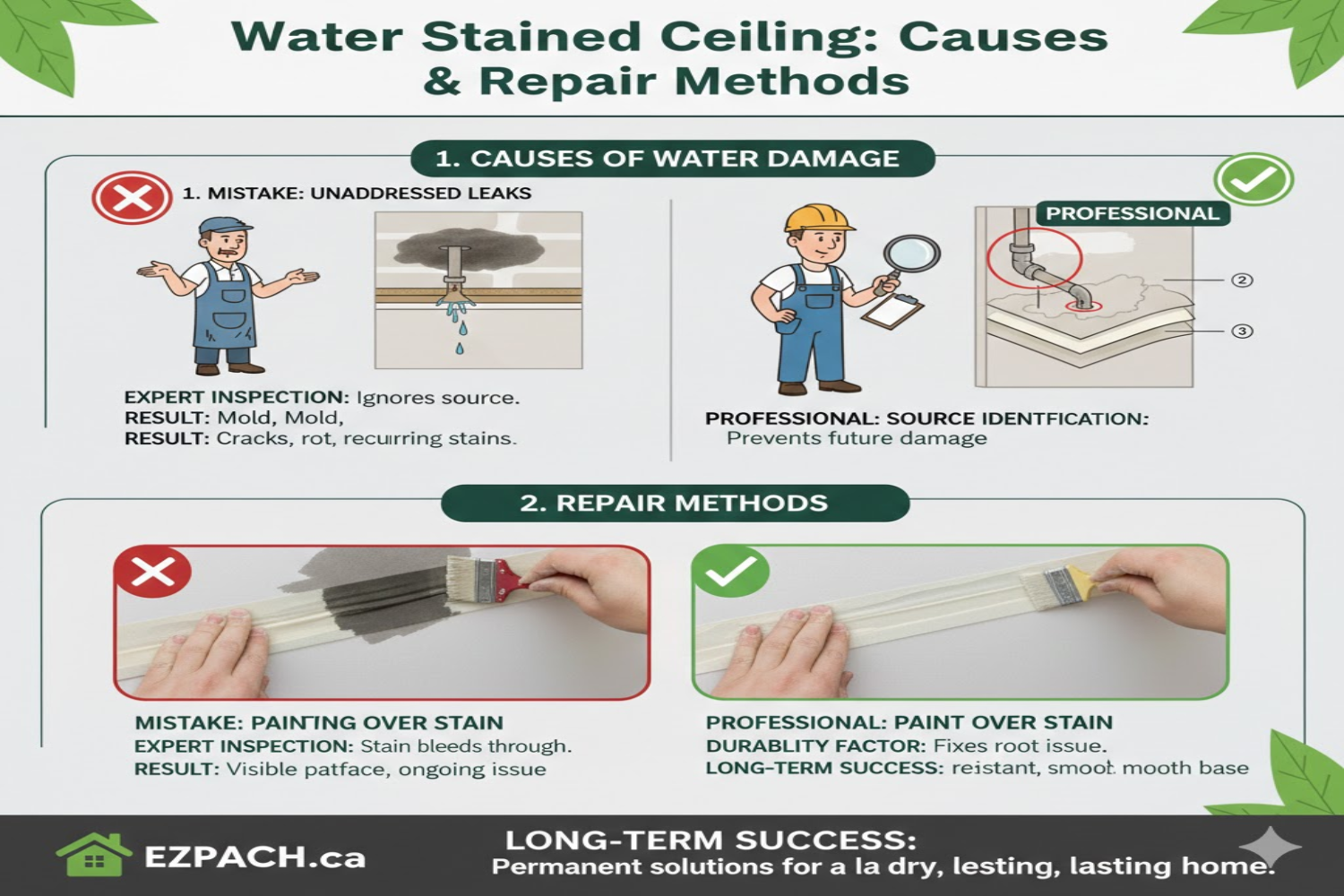
What professional drywall repair standards actually mean is especially important during renovations, water damage repair, or ceiling restoration. Proper adherence ensures repaired sections blend seamlessly with existing surfaces, preventing future cracks and defects.
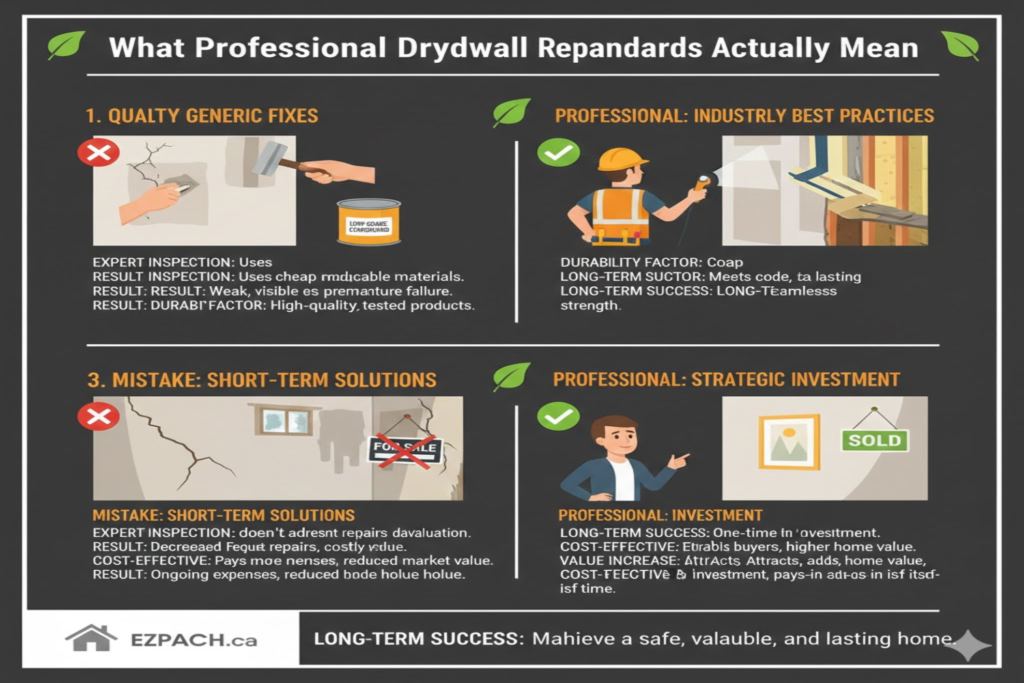
How Professionals Apply Drywall Repair Standards
Professionals apply drywall repair standards through meticulous preparation, precise compound application, and careful finishing. Each stage is governed by specific guidelines, from taping to sanding. Experts also choose materials that match the original drywall in texture and performance.
How professionals apply drywall repair standards starts with surface assessment. Loose drywall, moisture damage, or uneven surfaces are corrected before joint compound application. Proper layering, drying, and sanding follow standardized procedures to achieve smooth, durable results.
Surface Preparation Techniques
Surface prep is critical for adherence. Professionals remove dust, nails, or loose material. Sanding uneven areas ensures consistent compound bonding. Moisture-resistant primers may be used where necessary.
Tape and Fastener Standards
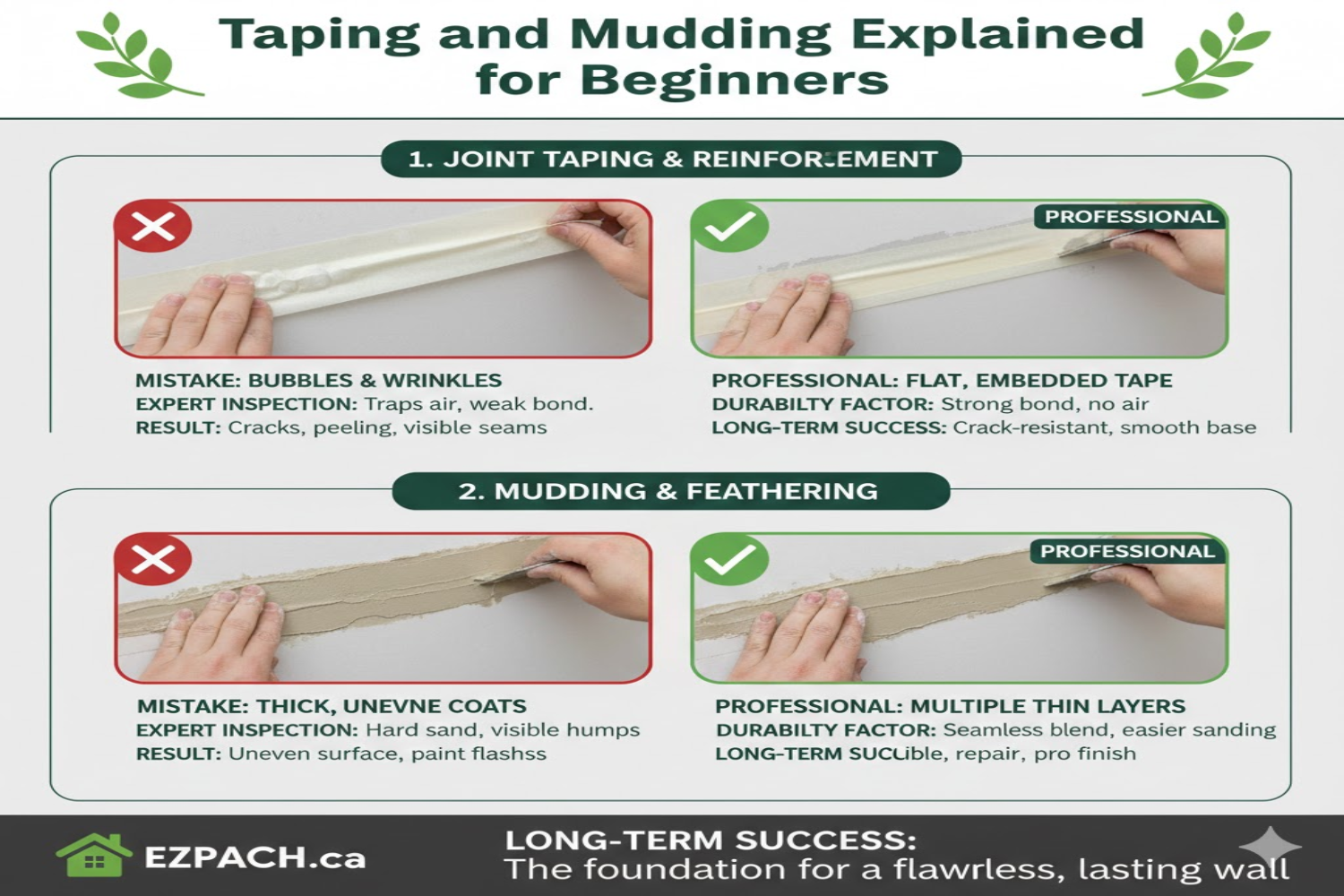
Paper or mesh tape is selected based on the type of seam. Fasteners must be properly spaced to prevent bulging or nail pops. Proper embedding techniques reduce future cracking.
Compound Application
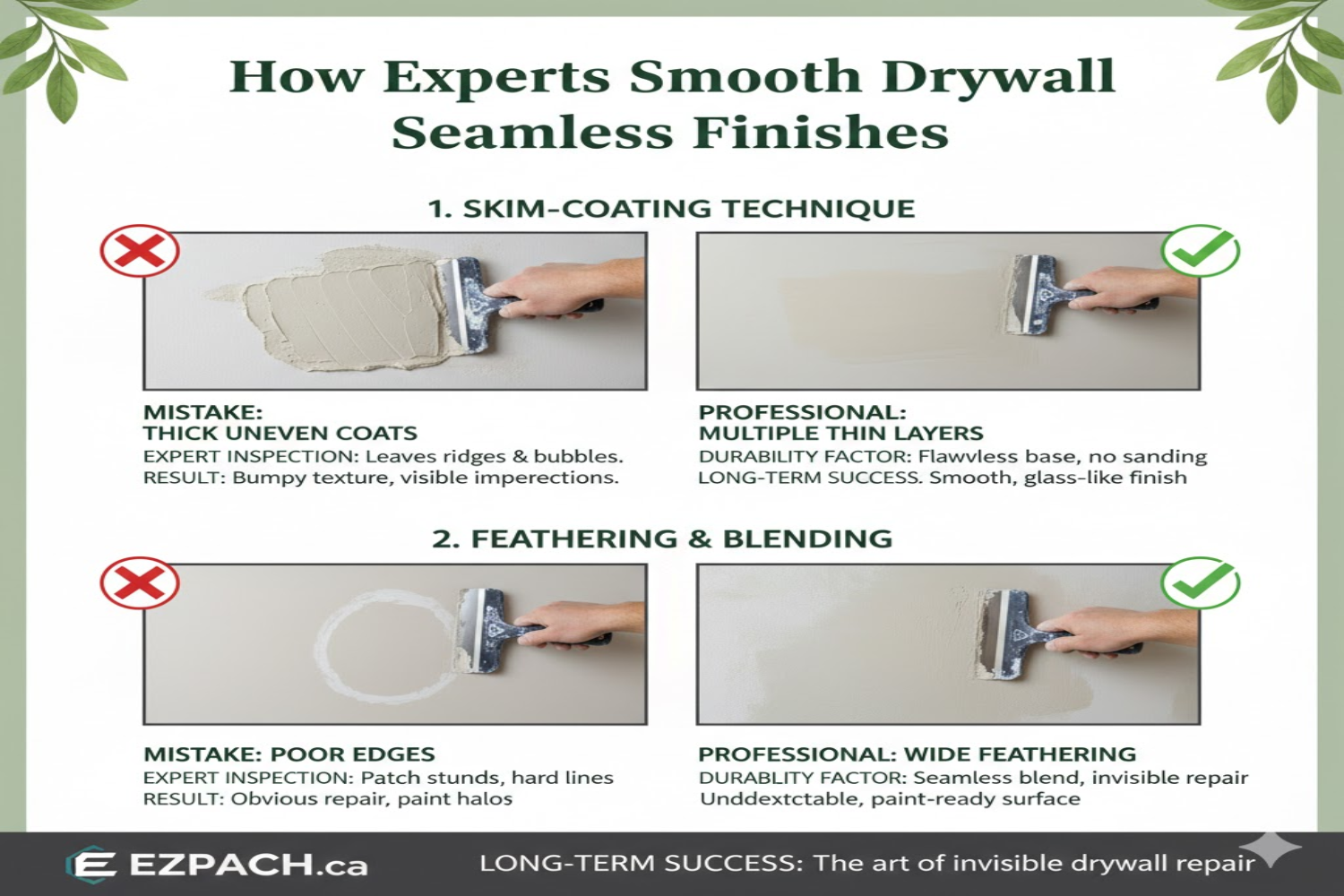
Thin, multiple layers of joint compound are applied. Feathering the edges prevents visible lines. Each layer is allowed to dry completely before sanding.
Types of Professional Drywall Repair Standards
Standards can vary slightly depending on project scope. Residential standards differ from commercial or institutional requirements. They define minimum quality, material specifications, and acceptable finish levels.
Residential Drywall Standards
Residential standards focus on visual quality and safety. Seamless walls, minimal joint visibility, and smooth surfaces are prioritized. Lightweight joint compounds are commonly used for ease of sanding.
Commercial Drywall Standards
Commercial projects require higher durability. Fire-rated materials, thicker compounds, and stricter tolerances are common. Finishes must withstand frequent contact and cleaning.
Specialty Standards
Specialty drywall standards cover areas like moisture-prone rooms, ceilings, or acoustic applications. Materials and techniques are adjusted to meet environmental and structural demands.
Common Tips to Meet Professional Drywall Standards
Following standards consistently requires attention to detail. Even small deviations can compromise the finish. Professionals rely on best practices to meet standards efficiently.
Knife and Tool Techniques
Wide taping knives spread the compound evenly. Controlled pressure and feathered strokes produce seamless joints. Tools must be kept clean to prevent lumps.
Sanding Procedures
Sanding removes ridges and bumps. Fine-grit sandpaper prevents damaging drywall paper. Circular and light strokes maintain smoothness.
Drying and Layering
Allow each compound layer to dry fully. Rushing leads to cracking. Multiple thin layers are superior to a single thick coat.
Where Professional Standards Are Most Visible
Standards are most noticeable in high-traffic and high-visibility areas. Walls, ceilings, and trim reveal deviations quickly. Proper adherence ensures repairs are virtually invisible after painting.
Large-scale commercial or multi-story projects benefit from strict compliance. What professional drywall repair standards actually mean in these cases guarantees uniformity across multiple rooms or floors.
Safety & Compliance in Drywall Repair
Safety and building code compliance are integral to professional standards. Dust, drywall debris, and tools pose hazards if not handled properly. Professionals follow OSHA guidelines and local regulations.
- Always wear respiratory and eye protection.
- Ensure proper ventilation during sanding.
- Follow fire and moisture-resistance codes
- Check fastener spacing and compound thickness.
- Keep tools organized to prevent accidents
Cost Implications of Meeting Standards
Adhering to professional standards may increase labor and material costs. However, it reduces long-term repair needs. Investing in proper materials, tools, and techniques ensures durable results.
| Item | Estimated Cost Range |
| Joint Compound | $15 – $50 per bucket |
| Tape | $5 – $15 per roll |
| Tools (Knives, Trowels) | $20 – $100 |
| Safety Equipment | $20 – $50 |
| Professional Labor | $30 – $70/hour |
Maintenance After Professional Drywall Repair
Maintenance ensures long-lasting results. What professional drywall repair standards actually mean extends beyond installation. Careful upkeep prevents damage to seams and surfaces.
- Avoid abrasive cleaning, too.
- Inspect for moisture damage.
- Repair minor cracks immediately.
- Dust surfaces gently
- Repaint with matching finish.
Conclusion
Professional drywall standards are more than guidelines—they are a framework for successful, long-lasting repairs. What professional drywall repair standards actually mean ensures walls remain smooth, safe, and aesthetically pleasing. Ignoring these standards often results in visible seams, cracks, or structural issues.
Adhering to established techniques and materials allows both DIYers and contractors to achieve professional results. Proper methods, tools, and maintenance prolong the quality of drywall surfaces. Understanding and applying these standards guarantees superior finishes and reduces costly rework.
FAQs
1. Are professional drywall standards required by law?
Standards ensure compliance with building codes, though some may not be legally required. Following them reduces defects and safety risks.
2. Can I achieve professional standards as a DIYer?
Yes, with practice, proper tools, and materials. Attention to detail is essential.
3. How do standards differ for ceilings vs walls?
Ceilings require sturdier compound application and often wider taping knives. Drying and sanding may take longer.
4. Do professional standards include paint finish?
Yes, seamless appearance and smooth surfaces are part of quality standards. Paint application is the final step.
5. How often should drywall be inspected?
Annual inspections help detect moisture or settling issues early. Early repairs maintain professional standards.
6. Are special compounds required to meet standards?
Not always, but selecting high-quality or setting compounds improves durability.
7. How can I ensure my repair meets professional standards?
Follow layering, taping, sanding, and drying protocols. Testing and observation ensure uniformity.
8. Is training necessary to meet these standards?
Training helps understand techniques and materials. Experienced contractors consistently meet standards.
Drywall Repair Halifax
EZ Patch offers clean, professional drywall, ceiling, plaster, and water damage repair services in Halifax with minimal mess and long-lasting results.
EZ Patch – Drywall Repair Experts
Trusted drywall repair professionals serving Halifax and nearby areas.
Drywall Patch & Repair
Seamless drywall repairs for holes, cracks, dents, and damaged walls.
Ceiling Repairs
Professional ceiling repair services for stains, cracks, and water damage.
Drywall Installation
Complete drywall installation services for renovations and new builds.
Taping & Mudding
Smooth, paint-ready wall finishes by expert drywall finishers.
Plaster Repair Experts
Precision plaster repair services while maintaining original wall texture.
Water Damage Repair
Drywall and ceiling restoration for properties affected by water damage.
Texture Matching
Accurate texture blending so repaired areas match existing finishes.
Installation, Repair & Removal
End-to-end drywall installation, repair, and removal solutions.