Drywall repair is a crucial skill for homeowners, contractors, and DIY enthusiasts alike. Whether you are fixing minor dents or repairing large holes, having the right tools and materials ensures a smooth, professional finish. Without proper preparation, even simple repairs can become frustrating and time-consuming.
Understanding the tools and materials required is not just about efficiency; it’s about achieving quality results that last. From basic hand tools to specialized compounds, knowing what each item does can significantly improve the repair process. This guide outlines the essential tools and materials every drywall repairer needs to tackle common problems effectively.
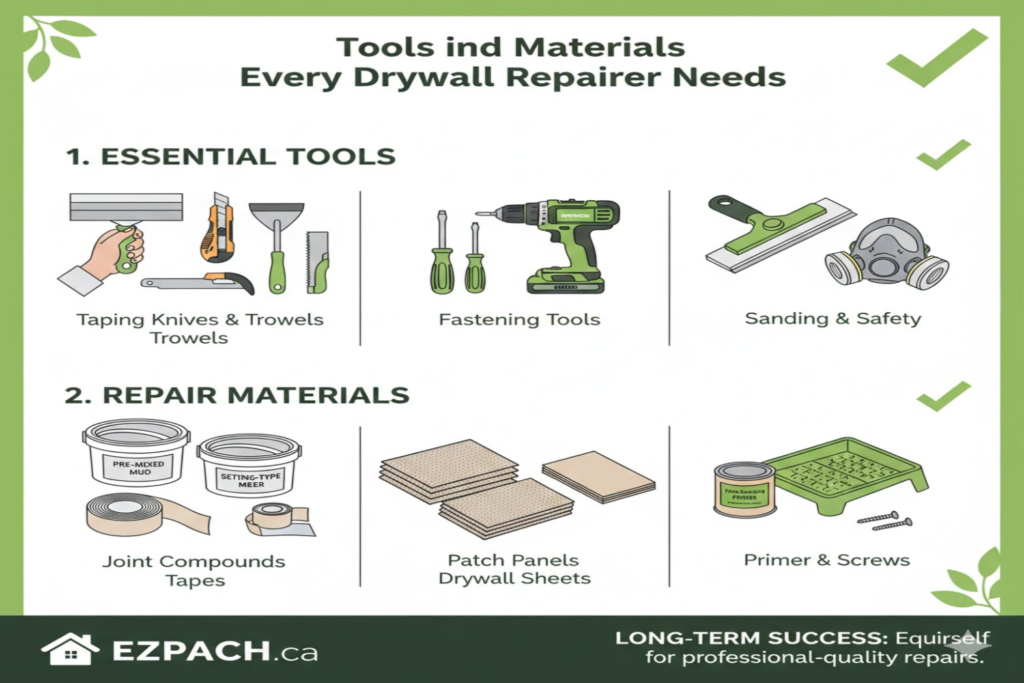
Hand Tools for Drywall Repair
Hand tools are the foundation of any drywall repair project. These are used for measuring, cutting, smoothing, and finishing drywall surfaces. Investing in quality hand tools can make repairs faster and produce better results.
Reliable hand tools include utility knives, taping knives, sanders, and hammers. Each tool plays a unique role in cutting, shaping, or finishing the drywall. Using the correct tool ensures precise repairs and prevents further damage to the wall.
Utility Knife
A utility knife is essential for cutting drywall panels, trimming edges, or removing damaged sections. High-quality blades provide clean, straight cuts, which are vital for seamless patching. Keeping extra blades on hand ensures continuous work without interruptions.
Drywall Taping Knife
Taping knives are used for spreading joint compound smoothly over seams and holes. They come in various widths to accommodate small patches or large areas. Proper technique with a taping knife reduces uneven surfaces and visible lines.
Sanding Tools
Sanding is a critical step to ensure a smooth finish. Sanding blocks or power sanders remove excess compound and prepare the wall for painting. Fine-grit sandpaper is preferred to avoid scratches.
Hammers & Pliers
Hammers are used to remove nails or tap in drywall fasteners. Pliers help in gripping and pulling staples or damaged material. Having multiple sizes improves versatility during repairs.
Power Tools for Efficiency
While hand tools are sufficient for small repairs, power tools speed up the process, especially for larger projects. They offer precision, save time, and reduce physical strain.
Drills, rotary tools, and power sanders are particularly useful for cutting, fastening, and smoothing drywall. Proper usage ensures consistent results and allows the repairer to handle multiple repairs in less time.
Cordless Drill
A cordless drill is used for installing screws in drywall panels. Adjustable torque settings prevent overdriving fasteners. Drill bits of various sizes are essential for different tasks.
Oscillating Multi-Tool
Multi-tools can cut, sand, and scrape with ease. They are versatile for repairing corners, trimming edges, or removing damaged sections. Using the right attachment ensures clean cuts and minimal dust.
Power Sander
Electric sanders provide a smooth finish quickly. They are ideal for large areas where hand sanding would be time-consuming. Dust collection features help maintain a cleaner workspace.
Drywall Screw Gun
A drywall screw gun is designed to drive screws efficiently without damaging the wall surface. It increases speed and ensures uniform fastening. This tool is especially valuable for professionals handling multiple projects.
Essential Materials for Drywall Repair
Materials are as important as tools in drywall repair. They provide the structure, bonding, and finishing needed for a professional result. Using high-quality materials prevents recurring damage and ensures durability.
The basic materials include joint compounds, drywall sheets, tape, fasteners, and patch kits. Each material has a specific purpose, from filling cracks to securing panels. Proper selection based on the type of repair is crucial for long-lasting results.
Joint Compound
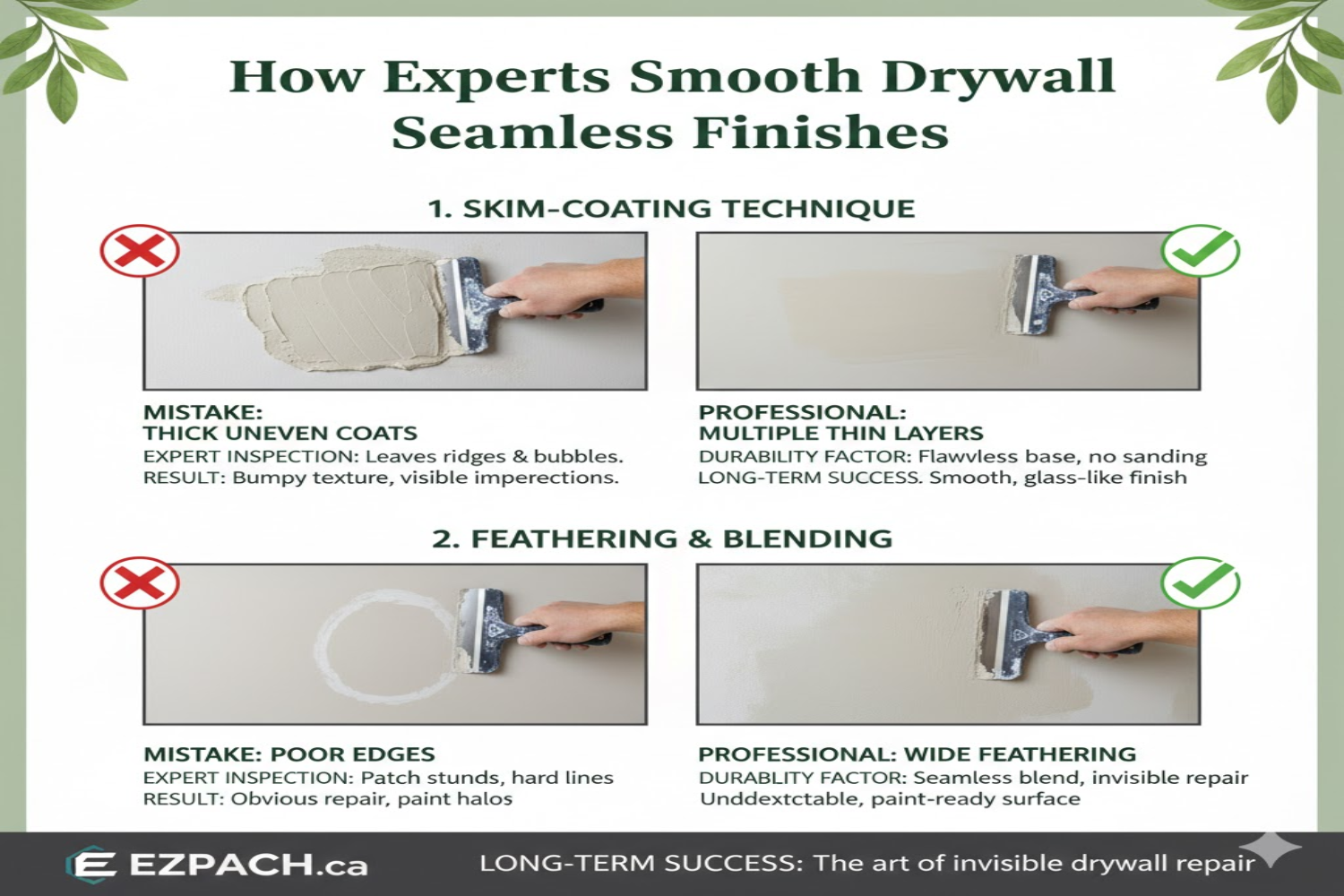
Joint compound, also known as “mud,” fills seams, cracks, and holes. Ready-mixed or powder forms are available depending on the project size. Multiple thin layers produce a smooth finish without cracking.
Drywall Tape
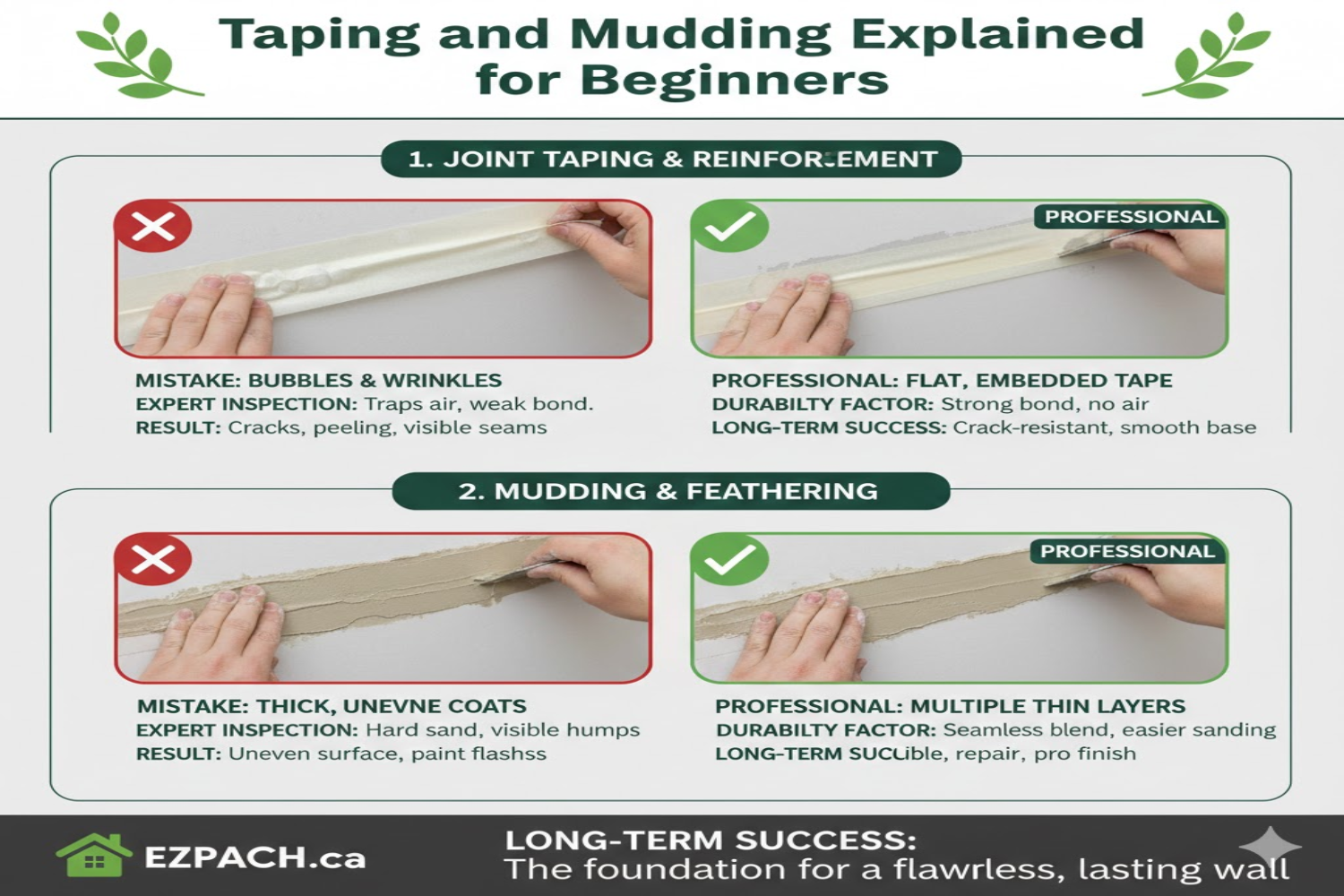
Tape reinforces seams and prevents cracks. Paper tape is durable, while fiberglass mesh tape is easier to handle for small repairs. Proper taping technique reduces the chances of visible seam lines.
Fasteners
Drywall screws or nails secure panels to the framing. Screws provide better holding strength than nails and reduce nail pops. Using the correct fastener size ensures panel stability.
Drywall Sheets
New sheets are sometimes required for extensive damage. Standard 4×8-foot sheets are common, with thicknesses of ½ inch or ⅝ inch. Proper cutting and fitting prevent uneven seams.
Patch Kits
Patch kits simplify small hole repairs. They include pre-cut patches, compound, and sometimes tape. They are ideal for beginners and quick fixes.
Finishing and Safety Supplies
Finishing materials enhance the wall’s appearance and protect the repairer during work. Sanding blocks, primer, paint, and protective gear are part of every repair toolkit.
Using protective equipment reduces health risks associated with dust, mold, or sharp tools. Proper finishing ensures the repaired area blends seamlessly with the rest of the wall.
Sanding Blocks & Sponges
Blocks or sponges allow for controlled sanding. Fine textures provide smooth surfaces without damaging the wall. They are reusable and durable for multiple projects.
Primer & Paint
Primer prepares the surface for paint, ensuring proper adhesion. Paint restores the wall’s final appearance. Using matching paint colors prevents noticeable differences between repaired and original areas.
Protective Gear
Dust masks, gloves, and goggles are essential for safety. They protect against inhalation of dust, mold spores, or chemical fumes. Consistent use minimizes health hazards during repair projects.
Specialty Tools
Some repairs require specialty tools that improve precision and efficiency. These tools are less common but highly valuable for professionals.
Examples include corner trowels, sanding poles, and contour gauges. They provide solutions for hard-to-reach areas, curved surfaces, or repeated repairs.
Corner Trowels
Corner trowels ensure smooth finishes in wall corners. They reduce joint visibility and speed up finishing. They are particularly useful for tight or uneven corners.
Contour Gauges
Contour gauges replicate shapes or profiles. They are used for custom cuts and unusual angles. Using a gauge ensures precise fitting and less material wastage.
Sanding Poles
Poles help sand high ceilings or walls without ladders. They provide extended reach and maintain control. Adjustable handles improve comfort during long projects.
Maintenance and Organization Tools
Keeping tools organized improves efficiency and prevents loss or damage. Storage solutions and maintenance routines are part of every repairer’s workflow.
Organized toolkits allow quick access, while maintenance ensures tools remain functional. Routine sharpening, cleaning, and inventory checks extend tool lifespan.
Tool Boxes & Caddies
Organized boxes or caddies store hand tools, screws, and tapes. Easy access prevents delays. Durable storage protects against wear and tear.
Sharpening and Cleaning
Regular maintenance of blades and sanding surfaces ensures effectiveness. Cleaning removes debris that could impact performance. Proper upkeep prolongs tool life.
Inventory Management
Keeping a checklist ensures necessary materials are always available. This prevents mid-project shortages. Tracking usage helps budget for future repairs.
Comparison of Tools & Materials
| Tool/Material | Primary Use | Best For | Maintenance | Price Range |
| Utility Knife | Cutting drywall | Small and medium cuts | Replace blades regularly | Low |
| Taping Knife | Applying compound | Seams & holes | Clean after use | Medium |
| Sanding Block | Smoothing surfaces | Small patches | Wash and dry | Low |
| Drywall Screw Gun | Installing screws | Large panels | Lubricate occasionally | High |
| Joint Compound | Filling cracks & seams | All repairs | Store in a sealed container | Low |
| Drywall Tape | Reinforcing seams | Seams & cracks | Avoid moisture | Low |
| Patch Kits | Small holes | Quick fixes | Store dry | Low |
| Corner Trowel | Corners finishing | Internal/external corners | Clean thoroughly | Medium |
Quick Reference for Small Repairs
Small drywall repairs often only require a subset of tools and materials. For minor holes and cracks:
- Utility knife
- Sanding block
- Joint compound
- Drywall tape
- Patch kit
These items are sufficient for cosmetic repairs and quick fixes, making them essential for any DIYer.
Conclusion
Having the right tools and materials is critical for successful drywall repair. From hand and power tools to joint compounds and tapes, every item plays a specific role in achieving professional results. Proper selection, maintenance, and organization ensure efficiency and long-lasting repairs.
By understanding the purpose of each tool and material, both beginners and experienced repairers can complete projects faster and with better quality. Investing in high-quality items minimizes frustration, improves safety, and ensures that repaired walls remain durable and visually appealing.
Frequently Asked Questions (FAQs)
1. Can beginners repair drywall with basic tools?
Yes, small repairs like nail holes or minor cracks can be done with basic hand tools and a patch kit. Advanced tools are helpful but not essential for simple fixes.
2. Is a power drill necessary for drywall repair?
A power drill speeds up screw installation, but it is optional for small repairs. Manual screwdrivers can be used for minor projects.
3. How long does joint compound take to dry?
Drying time varies from 2 to 24 hours, depending on thickness and humidity. Multiple thin layers dry faster than one thick application.
4. Can drywall tape prevent all cracks?
While tape reinforces seams, it cannot prevent cracks caused by structural movement. Proper installation and wall preparation are also crucial.
5. Are patch kits suitable for ceiling repairs?
Yes, patch kits can be used on ceilings for small holes. For large sagging areas, full sheet replacement may be necessary.
6. Should sanding always be done by hand?
Hand sanding is ideal for small areas, but power sanders are faster for large surfaces. Both methods require fine-grit paper for smooth results.
7. How often should tools be maintained?
Tools should be cleaned and inspected after every project. Regular maintenance ensures efficiency and extends lifespan.
8. Can I use regular paint over joint compound?
Yes, but priming first is recommended for proper adhesion and uniform finish. Primer prevents uneven sheen or discoloration.
Drywall Repair Halifax
EZ Patch offers clean, professional drywall, ceiling, plaster, and water damage repair services in Halifax with minimal mess and long-lasting results.
EZ Patch – Drywall Repair Experts
Trusted drywall repair professionals serving Halifax and nearby areas.
Drywall Patch & Repair
Seamless drywall repairs for holes, cracks, dents, and damaged walls.
Ceiling Repairs
Professional ceiling repair services for stains, cracks, and water damage.
Drywall Installation
Complete drywall installation services for renovations and new builds.
Taping & Mudding
Smooth, paint-ready wall finishes by expert drywall finishers.
Plaster Repair Experts
Precision plaster repair services while maintaining original wall texture.
Water Damage Repair
Drywall and ceiling restoration for properties affected by water damage.
Texture Matching
Accurate texture blending so repaired areas match existing finishes.
Installation, Repair & Removal
End-to-end drywall installation, repair, and removal solutions.