Drywall is one of the most commonly used materials in modern construction due to its cost-effectiveness and ease of installation. Despite its widespread use, homeowners and builders often encounter a persistent problem: joint cracking. These cracks not only affect the aesthetics of walls but also raise questions about structural integrity and material performance.
Understanding the science behind drywall joint cracking requires a closer look at the interactions between materials, environmental conditions, and construction techniques. Factors such as moisture levels, structural movement, and improper installation contribute significantly to the formation of cracks. By analyzing these elements, we can better prevent and manage joint issues in drywall applications.
Causes of Drywall Joint Cracking
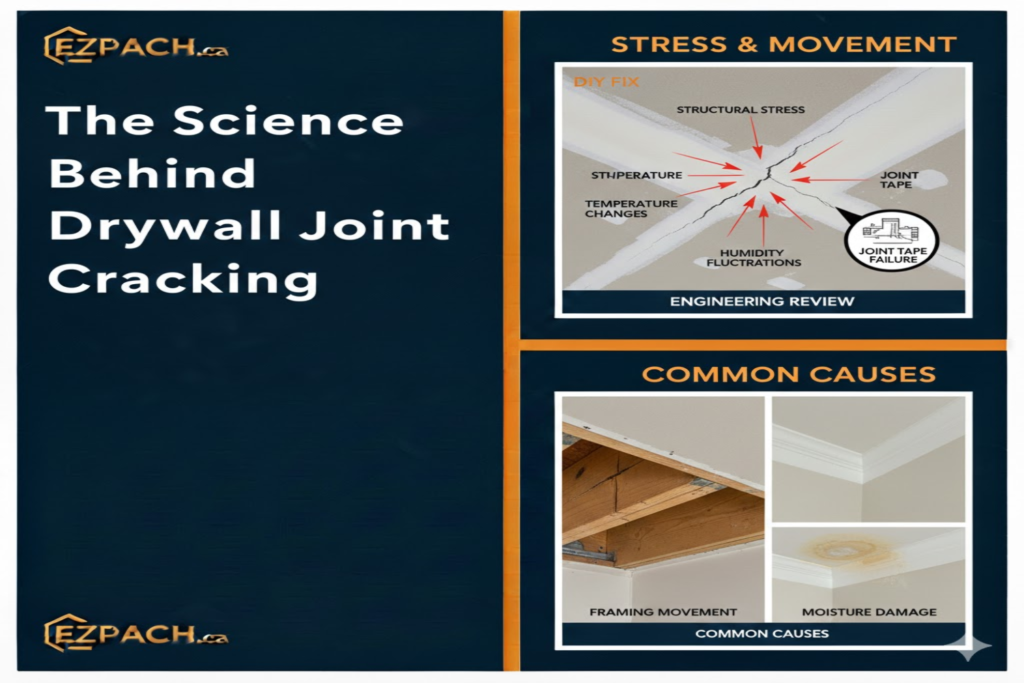
Drywall joint cracking occurs when the wallboard and joint compound fail to move cohesively under stress. Various physical and chemical factors contribute to this phenomenon. Understanding these causes is critical for both builders and homeowners aiming for long-lasting wall finishes.
Structural Movement and Settling
Buildings are not static; they shift and settle over time due to weight distribution and foundation movement. When the underlying structure moves, drywall, being rigid, experiences stress at the joints. This stress often results in hairline cracks, particularly along seams where two boards meet.
Temperature fluctuations can exacerbate this issue. Expansion during heat and contraction during cold create repeated stress on drywall joints. Over time, these small stresses accumulate, causing visible cracks and weakened seams.
Moisture and Humidity Effects
Moisture is a silent but potent cause of drywall joint cracking. Drywall absorbs humidity, leading to expansion and contraction cycles. Areas with poor ventilation or high humidity are particularly prone to joint separation.
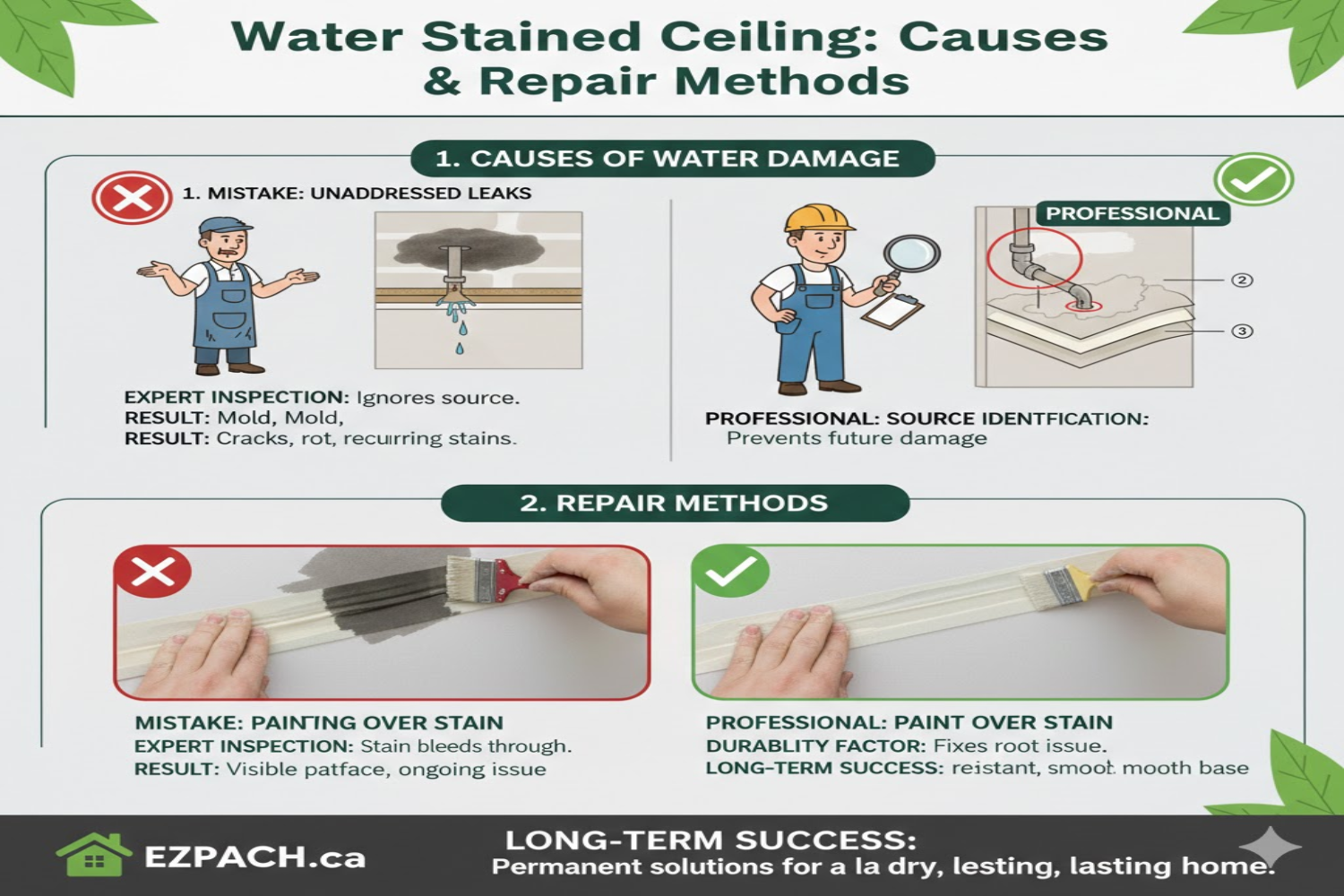
Water infiltration, whether from leaks or condensation, can weaken joint compounds. This weakening reduces adhesion between drywall sheets, resulting in cracks. Proper moisture control is therefore essential for maintaining joint integrity.
Improper Installation Practices
Even minor errors during installation can trigger joint issues. For example, applying joint compound too thickly or failing to tape seams correctly reduces wall flexibility. These mistakes can cause compound shrinkage as it dries, leaving cracks.
Similarly, improper screw placement can compromise drywall stability. Fasteners too close to joints create stress points, while uneven attachment allows panels to move independently. Correct installation techniques are crucial for long-term durability.
Material Quality and Its Role
Not all drywall and joint compounds are created equal. Material quality directly influences the wall’s ability to withstand stress without cracking. High-grade drywall paired with premium compounds tends to resist cracking longer.
Low-quality or expired joint compounds may shrink excessively during drying. These inconsistencies amplify stress at joints, accelerating crack formation. Builders should prioritize material standards for both performance and longevity.
Drywall Board Composition
Drywall is composed of gypsum sandwiched between paper layers. Gypsum’s natural brittleness can lead to cracking if external stress exceeds tolerance levels. Additionally, variations in board thickness can create uneven surfaces at joints.
When boards are improperly aligned, tension accumulates along the seam. Over time, even minor misalignments result in joint cracks that are visible to the naked eye. Proper alignment and consistent board selection minimize these risks.
Joint Compound Characteristics
Joint compound, also known as mud, fills seams and creates smooth wall finishes. Its composition affects flexibility, adhesion, and shrinkage behavior. Standard compounds often shrink slightly during curing, which can contribute to hairline cracks.
High-quality compounds designed for joint flexibility reduce this risk. Some modern formulations incorporate fibers or polymers that absorb minor movements, maintaining joint integrity under stress. Selecting the right compound is a preventive measure against cracking.
Environmental Influences on Drywall Cracks
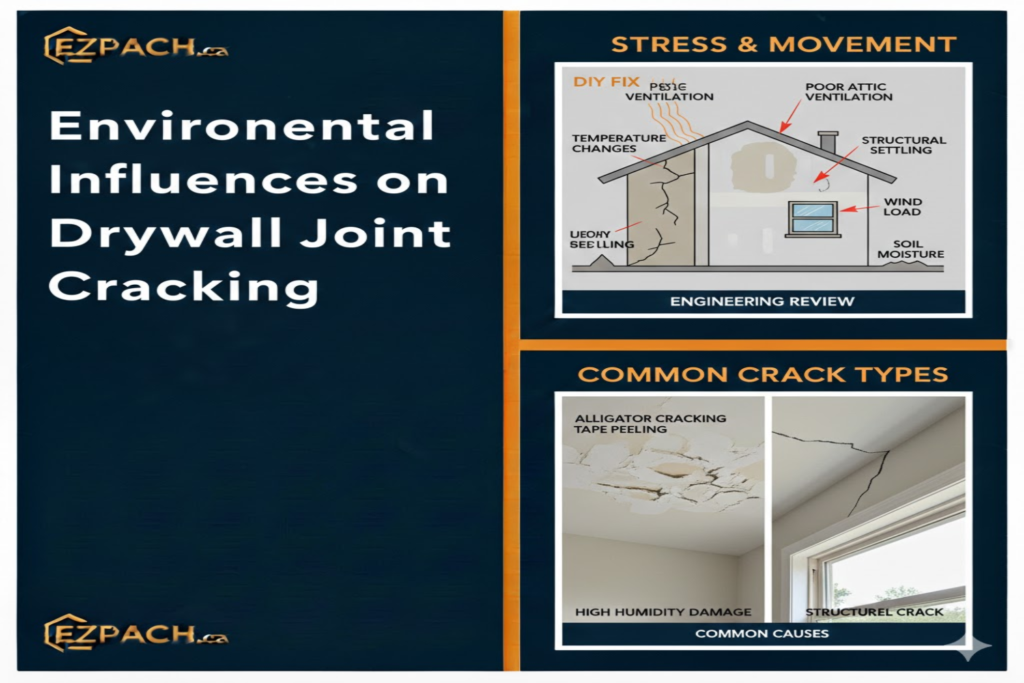
The environment in which drywall is installed has a significant impact on its durability. Factors like temperature, humidity, and even seismic activity influence the occurrence of joint cracks.
Temperature Fluctuations
Daily and seasonal temperature changes cause building materials to expand and contract. Drywall joints, being rigid, cannot fully absorb these movements without cracking. Extreme temperature swings amplify stress on seams.
Thermal insulation and climate control help reduce cracking by stabilizing wallboard movement. Consistent indoor temperature is therefore a key factor in maintaining wall integrity.
Humidity Variations
Rapid changes in indoor humidity can lead to joint separation. When drywall absorbs moisture, it swells; when it dries, it contracts. Repeated cycles over months or years cause stress fractures at joints.
Maintaining humidity levels between 30–50% can reduce joint cracking. Use of dehumidifiers or proper ventilation in bathrooms and kitchens is recommended.
Seismic and Vibrational Impact
Even minor earthquakes or vibrations from nearby traffic can stress drywall joints. Vibrations create small, repeated flexing at seams, gradually leading to cracks. Areas prone to seismic activity often require specialized joint treatments.
Flexible joint compounds and reinforced taping techniques are effective preventive measures. Identifying environmental risks allows for proactive solutions in drywall installation.
Common Areas Prone to Cracking
Certain areas of a home are more susceptible to drywall joint cracking due to structural or environmental stressors. Recognizing these areas helps target preventive strategies.
Corners and Ceiling Joints
Corners, especially external ones, are natural stress concentrators. Movement of adjoining walls and ceiling weight can create cracks along these joints. Reinforcing corners with metal or plastic corner beads reduces the likelihood of cracking.
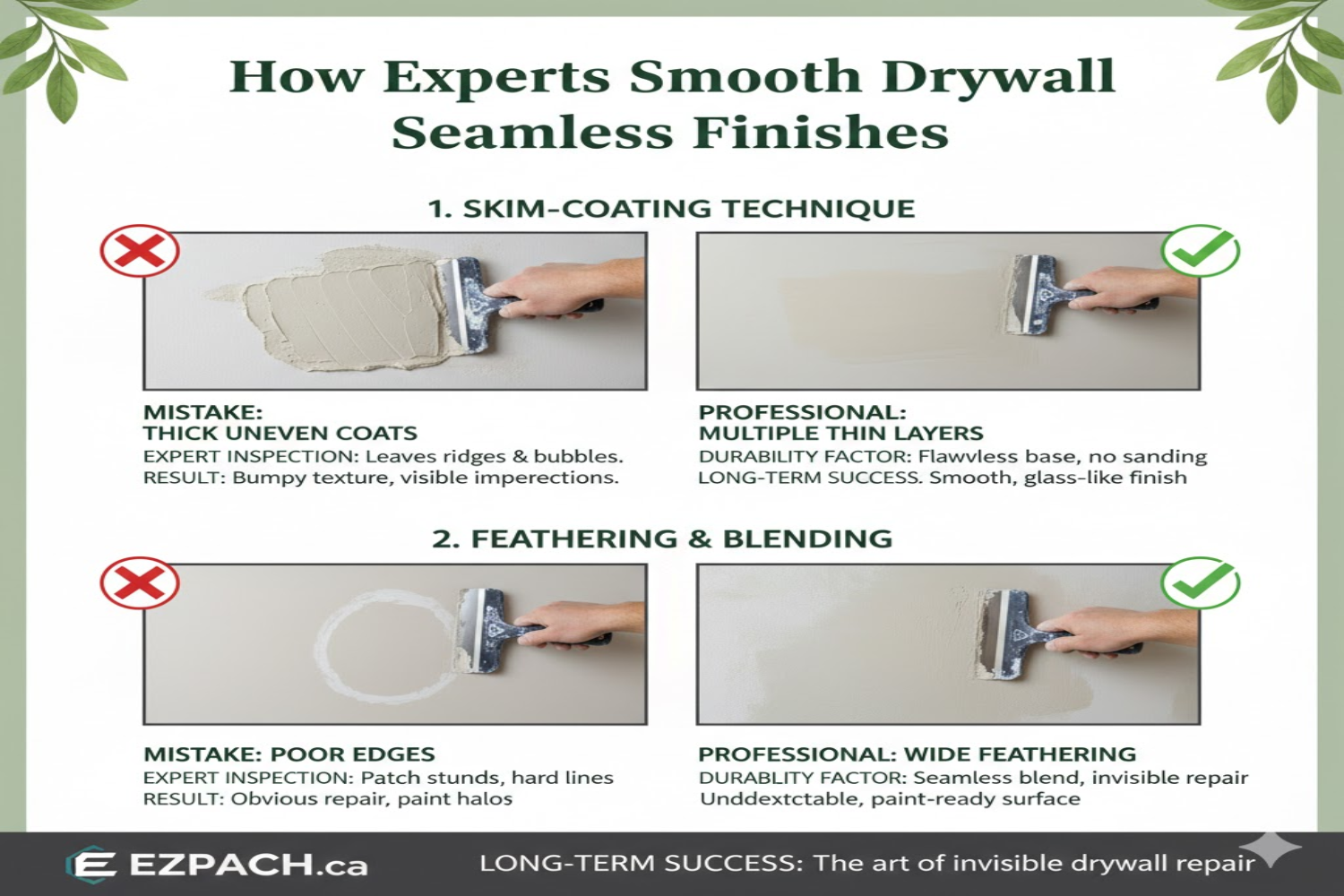
Ceiling joints are also vulnerable due to gravity and building settlement. Applying multiple thin layers of joint compound rather than one thick layer improves joint strength and flexibility.
Around Windows and Doors
Openings in walls introduce stress points where drywall panels terminate. Expansion and contraction around window and door frames often lead to cracks. Proper taping, caulking, and compound application mitigate these effects.
Adjusting frame alignment and using flexible fillers around openings prevents cracks from propagating. Maintenance inspections help catch early signs of stress before extensive damage occurs.
High Traffic Areas
Walls in high-traffic zones are more likely to experience bumps or vibrations. Even minor impacts over time can create hairline cracks at joints. Protective measures like chair rails or wall guards may reduce physical stress.
Monitoring and repairing small cracks quickly prevents them from widening, maintaining both aesthetics and structural health. Reinforcing drywall with additional fasteners in these areas also helps.
Techniques to Prevent Drywall Joint Cracking
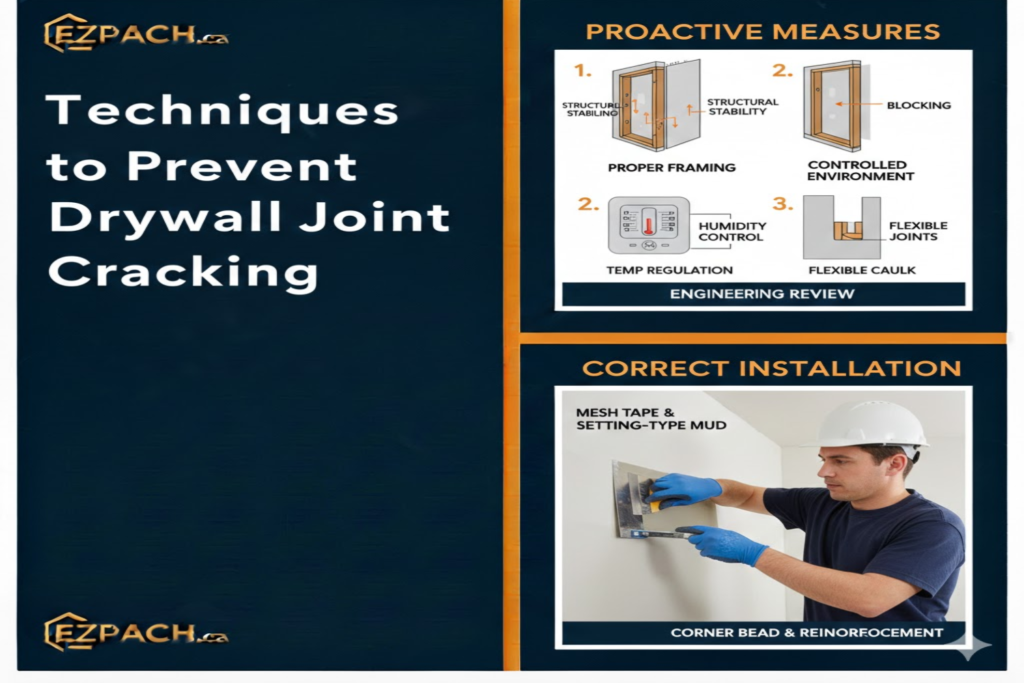
Preventive measures are essential to minimize joint cracking. Proper techniques during installation and finishing can significantly extend drywall longevity.
Taping and Mudding
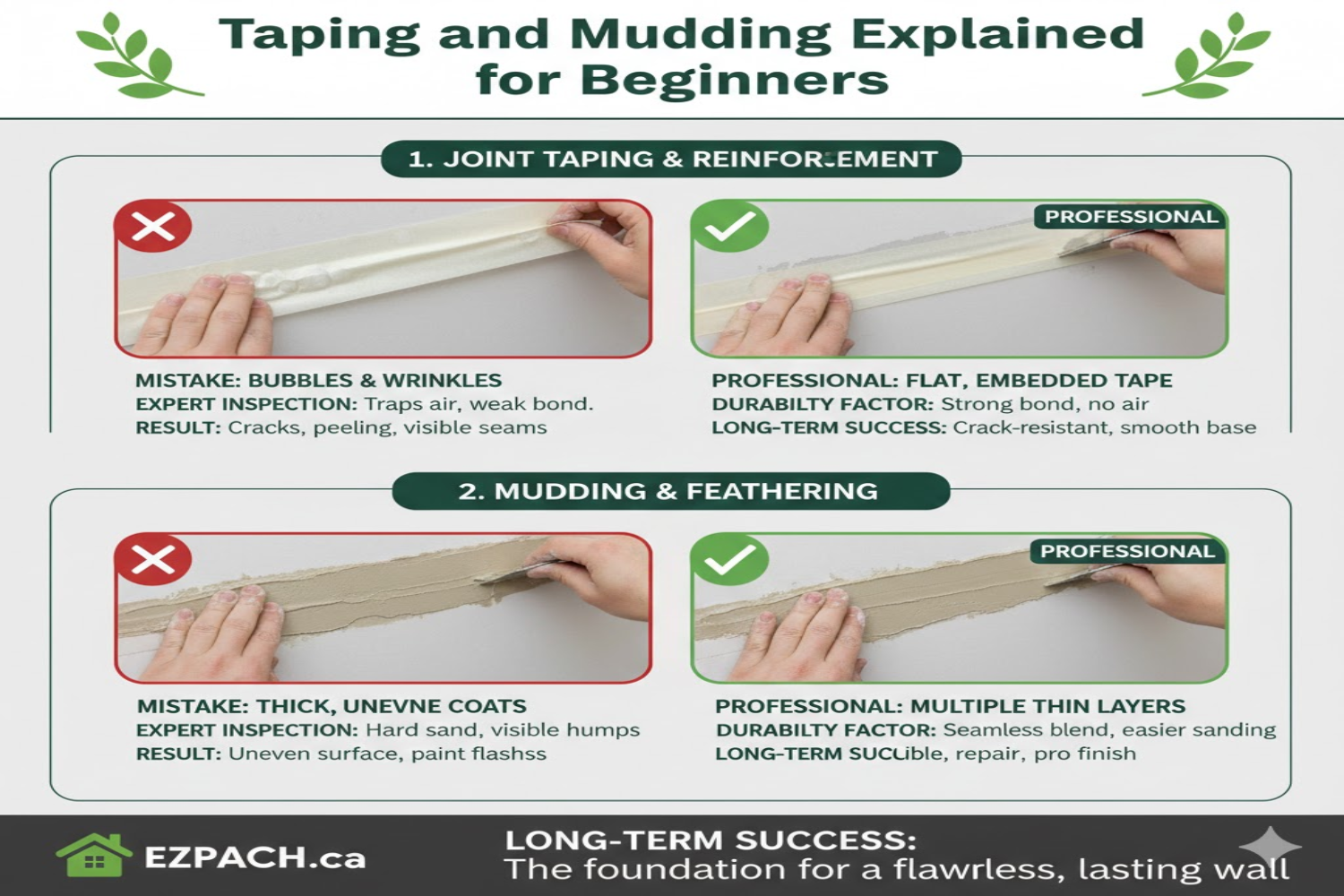
Correct taping is critical. Paper tape provides strength to joints, while fiberglass tape offers flexibility. Combining the right tape with quality joint compound creates a crack-resistant seam.
Applying multiple thin layers of mud rather than a single thick coat ensures even drying. Sanding between layers removes imperfections and prevents stress points from forming.
Proper Fastening
Fasteners should be evenly spaced and correctly positioned to avoid panel movement. Screws should be placed slightly away from the joint to reduce stress concentration.
Overdriving or underdriving screws can compromise joint stability. Using proper fastening techniques improves overall wall resilience and reduces the risk of cracking.
Reinforcement Materials
Corner beads, mesh tapes, and polymer additives strengthen vulnerable areas. These reinforcements absorb minor movements, preventing cracks from appearing prematurely.
They are especially useful in high-stress zones such as corners, ceiling joints, and around openings. Selecting the appropriate reinforcement based on location and stress levels enhances drywall durability.
Repairing Drywall Cracks
Even with preventive measures, cracks may still appear. Timely repair ensures the wall’s integrity and appearance are maintained.
Minor Hairline Cracks
Hairline cracks are usually cosmetic. They can be repaired using lightweight joint compound and sanding for a smooth finish. Repainting the affected area restores aesthetics.
Regular inspection allows early detection. Preventive touch-ups prevent minor cracks from developing into more significant issues.
Significant Structural Cracks
Structural cracks require a more in-depth approach. Removing damaged compound, reinforcing the joint with mesh tape, and applying multiple compound layers ensures durability.
Severe or recurring cracks may indicate underlying structural issues. Consulting a professional ensures that repairs address the root cause, not just the symptom.
Key Considerations to Prevent Cracks
- Maintain indoor humidity between 3 50% to minimize expansion and contraction.
- Use high-quality drywall boards and joint compounds for better resilience.
- Apply multiple thin layers of joint compound for even drying.
- Reinforce corners, ceiling joints, and high-traffic areas with tapes or corner beads.
- Inspect walls regularly and repair minor cracks promptly to prevent worsening.
Advanced Factors in Drywall Cracking
Sometimes, cracking is influenced by less obvious factors such as chemical reactions in compounds or subtle structural shifts. Monitoring these advanced factors allows for targeted preventive measures.
Chemical Shrinkage
Joint compounds shrink as they dry due to water loss. Excessive shrinkage can pull apart seams, especially in thick applications. Using compounds with reduced shrinkage formulas minimizes this effect.
Modern compounds often include polymer or fiber additives. These additions provide flexibility, reducing stress accumulation along joints.
Thermal Expansion
Gypsum and paper layers expand and contract differently with temperature changes. This differential movement stresses the joint compound. Controlled indoor climate reduces temperature-induced cracking.
Thermal insulation behind drywall further minimizes temperature fluctuations, promoting wall stability. Consistency in environmental conditions is crucial for long-term crack prevention.
Structural Settlement Over Time
Even well-built homes settle, creating stress at joints. This slow movement may not be noticeable initially, but manifests as cracks over the years. Regular monitoring of cracks helps distinguish between cosmetic and structural issues.
Addressing foundational or framing concerns early can prevent repeated drywall repairs. Understanding settlement patterns allows for proactive drywall reinforcement strategies.
Conclusion
Drywall joint cracking is a complex issue influenced by materials, installation techniques, environmental factors, and structural dynamics. Understanding the science behind these cracks allows homeowners, builders, and contractors to implement preventive strategies effectively. From proper installation to environmental control, each step contributes to the longevity of drywall finishes.
By addressing both visible and hidden causes of cracking, it is possible to maintain walls that are both aesthetically pleasing and structurally sound. Utilizing quality materials, correct techniques, and timely repairs ensures that drywall joints remain intact, minimizing the need for repeated maintenance. The science behind drywall joint cracking is clear: knowledge, preparation, and proactive care are key to achieving crack-free walls.
FAQs
1. Can drywall cracks indicate a structural problem?
Yes, while minor hairline cracks are usually cosmetic, larger or recurring cracks may signal underlying structural movement. It’s important to inspect and consult a professional if cracks widen.
2. How long does it take for new drywall to settle without cracking?
New drywall can settle within 6–12 months as the building adjusts to environmental conditions. Proper joint treatment and humidity control reduce cracking risk during this period.
3. Does paint quality affect joint cracking?
High-quality flexible paint can accommodate minor wall movements. Low-quality paint may crack along drywall joints, highlighting underlying compound issues.
4. Can drywall tape prevent all cracks?
While tape significantly reduces cracking, it cannot prevent cracks caused by severe structural shifts or moisture damage. Proper installation and reinforcement are also necessary.
5. Is it better to use fiberglass or paper tape?
Paper tape is stronger for flat joints, while fiberglass tape provides flexibility in high-stress areas. Choosing the right tape depends on the location and expected movement.
6. Do ceiling cracks need different repair methods?
Yes, ceiling cracks often require reinforced taping and multiple mud layers due to gravity and stress from above. Quick cosmetic fixes may not last.
7. Can temperature fluctuations cause drywall to crack in a short time?
Extreme and rapid temperature changes can cause immediate stress, leading to cracks, especially in poorly insulated walls. Consistent indoor climate helps prevent this.
8. How often should drywall joints be inspected?
At least twice a year, or after events like heavy rains, earthquakes, or structural modifications. Early detection prevents small cracks from expanding.
Drywall Repair Halifax
EZ Patch offers clean, professional drywall, ceiling, plaster, and water damage repair services in Halifax with minimal mess and long-lasting results.
EZ Patch – Drywall Repair Experts
Trusted drywall repair professionals serving Halifax and nearby areas.
Drywall Patch & Repair
Seamless drywall repairs for holes, cracks, dents, and damaged walls.
Ceiling Repairs
Professional ceiling repair services for stains, cracks, and water damage.
Drywall Installation
Complete drywall installation services for renovations and new builds.
Taping & Mudding
Smooth, paint-ready wall finishes by expert drywall finishers.
Plaster Repair Experts
Precision plaster repair services while maintaining original wall texture.
Water Damage Repair
Drywall and ceiling restoration for properties affected by water damage.
Texture Matching
Accurate texture blending so repaired areas match existing finishes.
Installation, Repair & Removal
End-to-end drywall installation, repair, and removal solutions.