Backing boards are a critical component in achieving durable and seamless wall and surface repairs. They provide structural support for damaged areas, ensuring that patching materials adhere properly and last over time. Without a solid backing, even minor repairs can lead to cracks, sagging, or uneven surfaces, compromising both aesthetics and functionality.
In addition to structural reinforcement, backing boards help maintain the integrity of the surrounding material, making the repaired section virtually invisible. They allow repair professionals and DIY enthusiasts to create smooth, seamless finishes that blend with the existing surface. Understanding the role of backing boards in seamless repairs is essential for anyone looking to achieve professional-quality results.
How Backing Boards Provide Structural Support
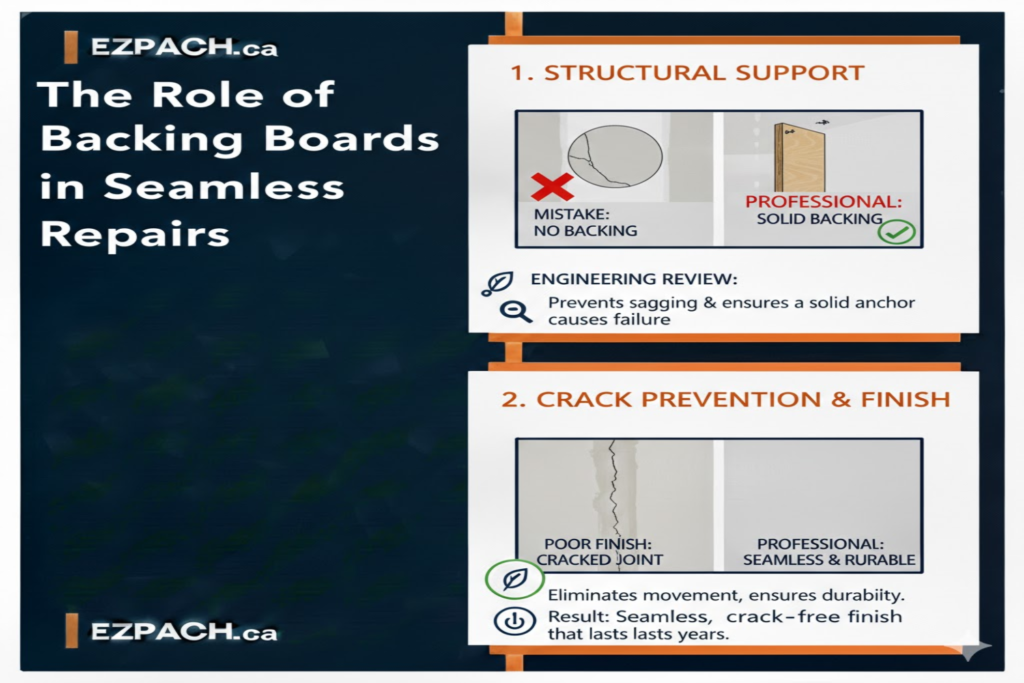
Backing boards act as a stable foundation behind damaged surfaces. When holes, cracks, or weakened sections appear in drywall, plaster, or wood panels, backing boards restore strength and prevent further deterioration.
The material used for backing boards can vary—commonly plywood, medium-density fiberboard (MDF), or specialized repair boards. Proper installation ensures that patching materials like joint compound, plaster, or fillers bond effectively. A reinforced repair not only lasts longer but also maintains the appearance of a seamless surface.
What Types of Damage Require Backing Boards
Not all surface damage necessitates a backing board, but certain types do for optimal results. Large holes, structural cracks, or areas where the substrate has weakened are prime candidates.
Minor surface scratches or small dents can often be repaired without additional support. Identifying the type of damage ensures that the repair method and backing board selection match the needs of the project. Proper evaluation reduces material waste and prevents unnecessary labor.
Large Holes and Cracks
Holes larger than two inches generally require backing for stability. Cracks in drywall or plaster that extend deep into the wall structure benefit from reinforcement. Backing boards provide a surface for patching compounds to adhere firmly.
Weakened Structures
Aging plaster or thin wallboards may not hold filler without support. Backing boards prevent further sagging or splitting. They distribute pressure evenly across the repaired area.
How Backing Boards Ensure Seamless Finishes
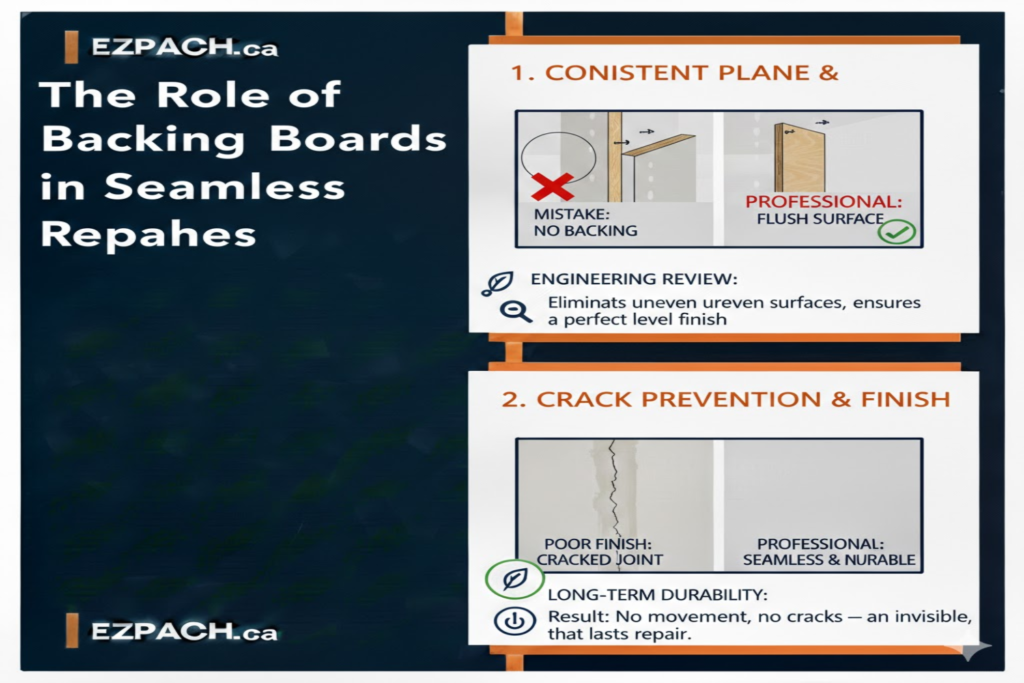
Seamless repairs depend on the ability to level the patched area flush with the surrounding surface. Backing boards create a stable base, allowing joint compounds or fillers to be applied smoothly.
When the repair surface is unsupported, even professional techniques can result in uneven or sunken areas. Proper backing ensures that sanding, priming, and painting produce a continuous, professional-looking finish.
Supporting Joint Compound
Joint compound adheres better to a secure backing. Even large repairs can be feathered seamlessly into the surrounding wall. This reduces visible seams and improves overall aesthetics.
Preventing Sagging
Unsupported patches may sag under gravity, leaving uneven surfaces. Backing boards eliminate the risk of settling or cracking over time. The repaired area remains structurally sound and visually consistent.
Key Factors in Selecting the Right Backing Board
Choosing the right type of backing board depends on the material being repaired, the size of the damage, and environmental conditions. For example, moisture-prone areas may require moisture-resistant materials, while interior walls may prioritize ease of cutting and shaping.
The thickness of the backing board is also crucial—too thin, and it won’t support the patch; too thick, and it may create bulges. Proper selection ensures long-lasting repairs and minimizes the likelihood of future damage.
- Material durability based on expected load or pressure.
- Thickness appropriate for the surface and size of the damage.
- Compatibility with patching compounds or adhesives.
- Moisture resistance is required if used in bathrooms or kitchens.
- Ease of cutting and fitting for precise installation.
When to Use Backing Boards for Plaster Repairs
Older homes with plaster walls often experience cracks or areas of delamination. Backing boards are particularly useful in these situations, providing stability to brittle or weakened surfaces.
By installing backing boards, repair professionals can anchor plaster patches effectively. This minimizes the risk of the new plaster cracking or separating from the existing wall. Backing boards also allow repairs to be sanded and finished smoothly for a near-invisible result.
Plaster Cracks
Cracks larger than a quarter-inch may require reinforcement behind the plaster. Backing boards prevent the movement of brittle surfaces during repairs. They improve adhesion and create a consistent base for finishing compounds.
Delaminated Sections
Sections of plaster that have separated from the lath benefit from reinforcement. Backing boards fill voids and restore structural integrity. They allow seamless blending with the surrounding plaster for professional results.
How to Install Backing Boards Correctly
Proper installation of backing boards is essential for the repair to be effective. The board must fit securely within the damaged area, often requiring precise cutting and shaping.
Fasteners like screws, nails, or adhesive help secure the board to the existing substrate. Ensuring a flush fit and tight attachment provides a stable base for applying patching compounds. Mistakes during installation can lead to bulges, cracks, or uneven surfaces.
Measuring and Cutting
Accurate measurement prevents gaps or overhangs. Use appropriate cutting tools to fit boards precisely. Test-fit the board before securing it in place.
Securing the Board
Screws or nails hold the board firmly against the wall cavity. Adhesives can be used for lightweight materials or areas difficult to fasten mechanically. Ensure fasteners are flush to prevent interference with the patching material.
What Finishing Techniques Complement Backing Boards
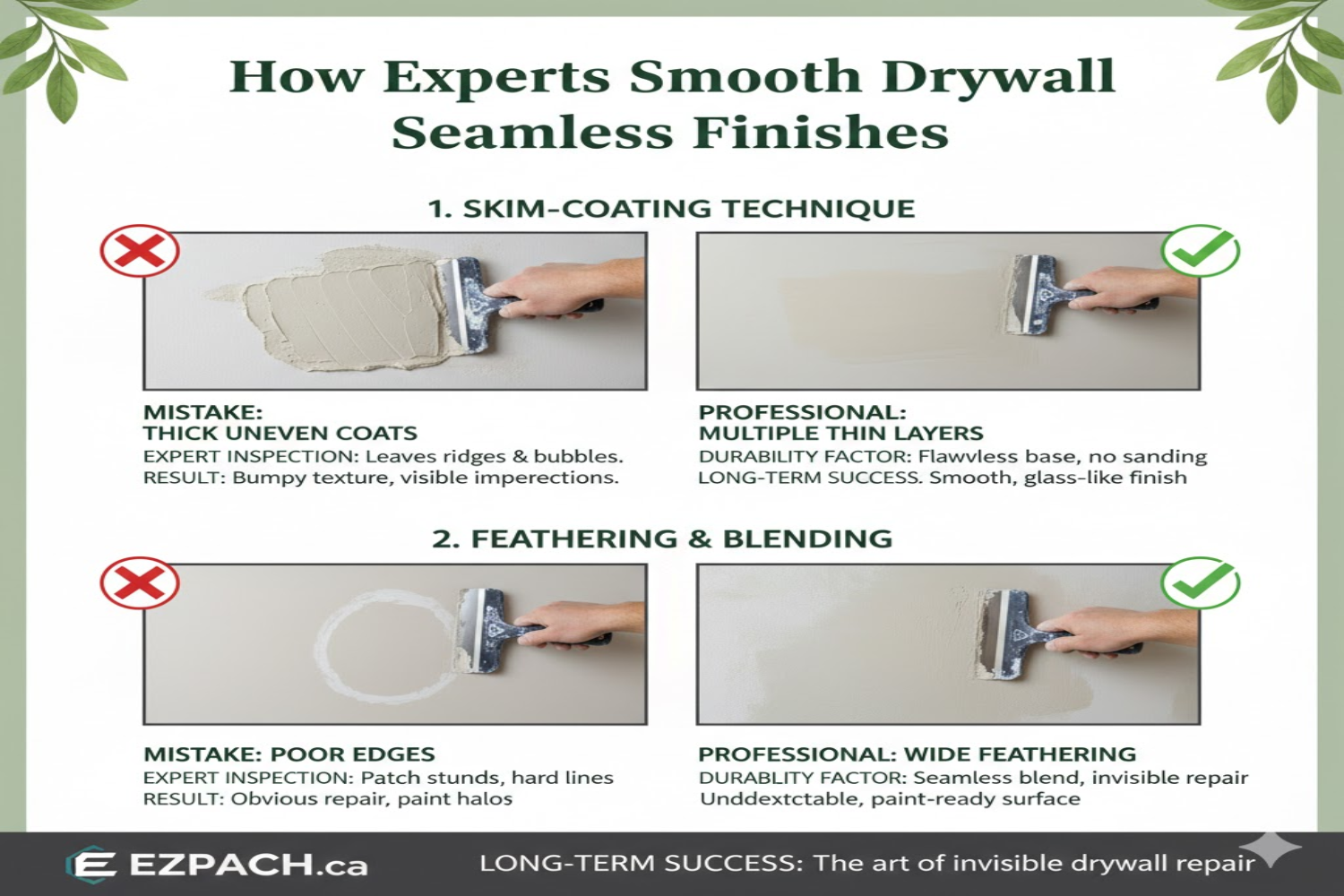
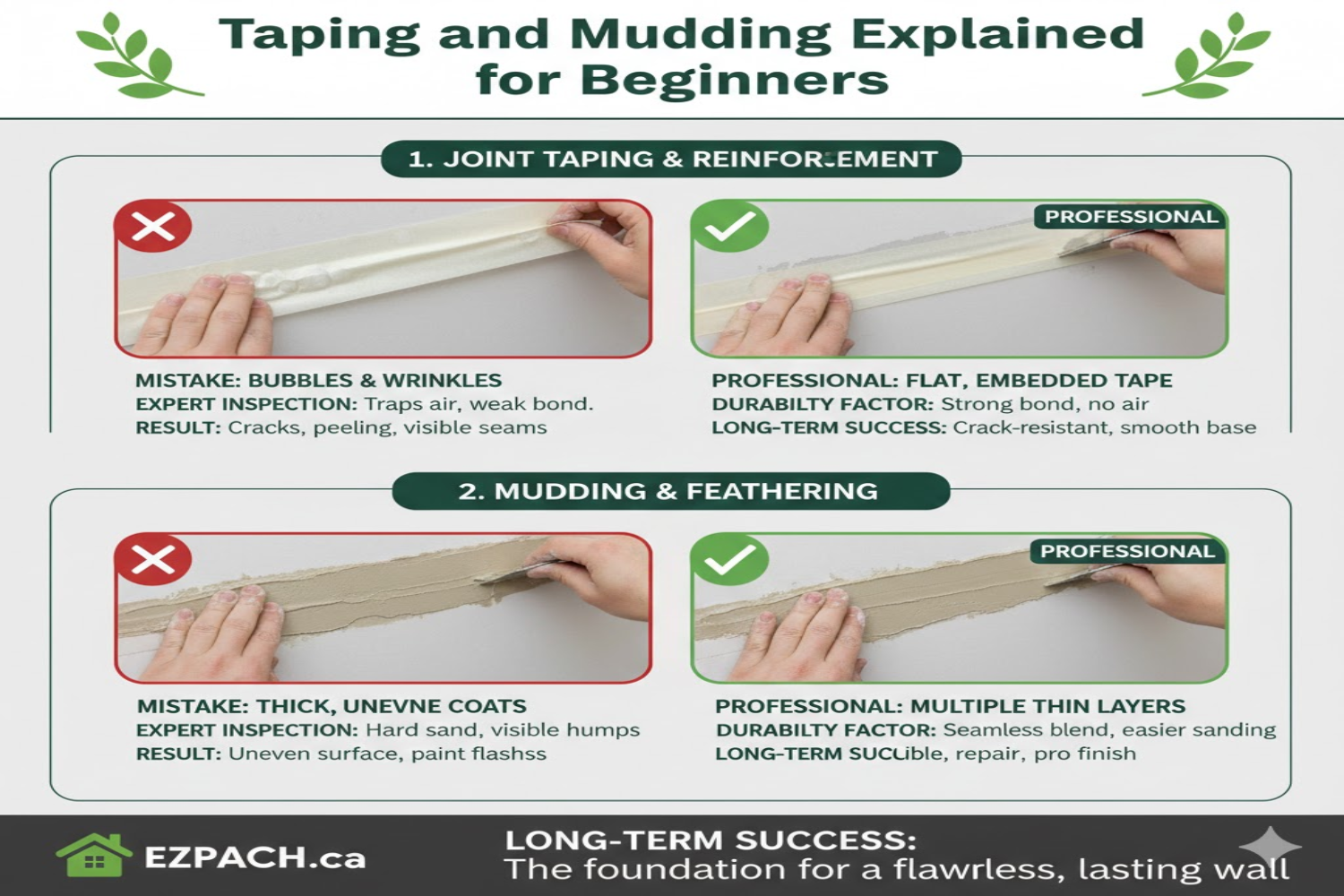
Finishing techniques such as feathering joint compound, sanding, priming, and painting are all enhanced by the presence of backing boards. The stable base ensures that finishing layers adhere uniformly and maintain a smooth texture.
For larger repairs, multiple layers of compound may be applied, each requiring proper curing. Backing boards support these layers, allowing for a professional-quality finish that blends seamlessly with the surrounding wall or surface.
Feathering and Sanding
Feathering edges over a backing board prevents visible transitions. Sanding creates a smooth, even surface ready for paint or wallpaper. The underlying board ensures the patch does not depress during finishing.
Priming and Painting
Priming adheres better to a reinforced surface. Even paint coverage is easier to achieve. The final result is a visually seamless repair.
Key Factors in Maintaining Backing Board Repairs
Maintenance after installation ensures long-term durability. Monitor repaired areas for signs of movement, moisture, or structural stress. Backing boards generally extend the lifespan of repairs, but proper care prolongs effectiveness.
Inspect repairs periodically, particularly in high-traffic areas or places prone to vibration or water exposure. Prompt attention to minor issues prevents more extensive repairs later.
- Avoid excessive moisture exposure.
- Repaint or touch up if cracking appears.
- Inspect fasteners for loosening.
- Check the surrounding substrate for damage.
- Apply sealants if necessary for protection.
When to Seek Professional Help
While backing boards can be installed by skilled DIYers, some situations require professional expertise. Large structural repairs, specialized plaster walls, or areas prone to moisture may benefit from professional evaluation.
Experienced repair technicians ensure proper material selection, precise installation, and seamless finishing. Professional involvement increases the likelihood of long-lasting, invisible repairs, particularly in challenging or visible areas of the home.
FAQs
1. Can small drywall holes be repaired without a backing board?
Yes, holes smaller than two inches can usually be patched with mesh tape or compound alone.
2. What types of wood are best for backing boards?
Plywood or MDF is commonly used due to its durability and ease of cutting.
3. Do backing boards prevent cracking permanently?
They greatly reduce the likelihood of cracks but cannot guarantee against all future movement.
4. Can backing boards be used behind plaster?
Yes, they provide reinforcement and support for brittle or weakened plaster.
5. Are screws or adhesive better for securing boards?
Both can work; screws provide stronger mechanical attachment, while adhesives are useful for lightweight boards.
6. How thick should a backing board be?
Thickness depends on hole size and wall material; ¼-inch to ½-inch is common for drywall.
7. Is sanding easier with a backing board installed?
Yes, the stable surface prevents depressions and uneven spots during sanding.
8. Can backing boards be used for ceiling repairs?
Absolutely, they provide essential support for plaster or drywall patches overhead.
Conclusion
Backing boards play a vital role in achieving seamless, long-lasting repairs. They provide structural support, prevent sagging or cracking, and allow patching compounds to adhere effectively. Proper material selection and installation techniques are essential for professional-quality results.
By understanding their function, homeowners and professionals can ensure repairs are durable, visually seamless, and capable of withstanding everyday wear. The role of backing boards in seamless repairs cannot be overstated—they are the foundation for stability, aesthetics, and long-term success in wall and surface restoration projects.
Drywall Repair Halifax
EZ Patch offers clean, professional drywall, ceiling, plaster, and water damage repair services in Halifax with minimal mess and long-lasting results.
EZ Patch – Drywall Repair Experts
Trusted drywall repair professionals serving Halifax and nearby areas.
Drywall Patch & Repair
Seamless drywall repairs for holes, cracks, dents, and damaged walls.
Ceiling Repairs
Professional ceiling repair services for stains, cracks, and water damage.
Drywall Installation
Complete drywall installation services for renovations and new builds.
Taping & Mudding
Smooth, paint-ready wall finishes by expert drywall finishers.
Plaster Repair Experts
Precision plaster repair services while maintaining original wall texture.
Water Damage Repair
Drywall and ceiling restoration for properties affected by water damage.
Texture Matching
Accurate texture blending so repaired areas match existing finishes.
Installation, Repair & Removal
End-to-end drywall installation, repair, and removal solutions.