Mixing plaster and drywall materials is a widespread issue in both residential renovations and repair projects. Many people assume that because plaster and drywall serve similar purposes, they can be used interchangeably without consequences. In reality, these materials behave very differently, and improper mixing often leads to visible defects, repeated repairs, and long-term durability problems.
Understanding the risks of mixing plaster and drywall materials is critical for homeowners, contractors, and DIY renovators. What may seem like a cost-saving shortcut can create structural stress, adhesion failure, moisture issues, and ongoing cracking. This article explains why mixing these materials is problematic, where failures commonly occur, and how to avoid costly mistakes.
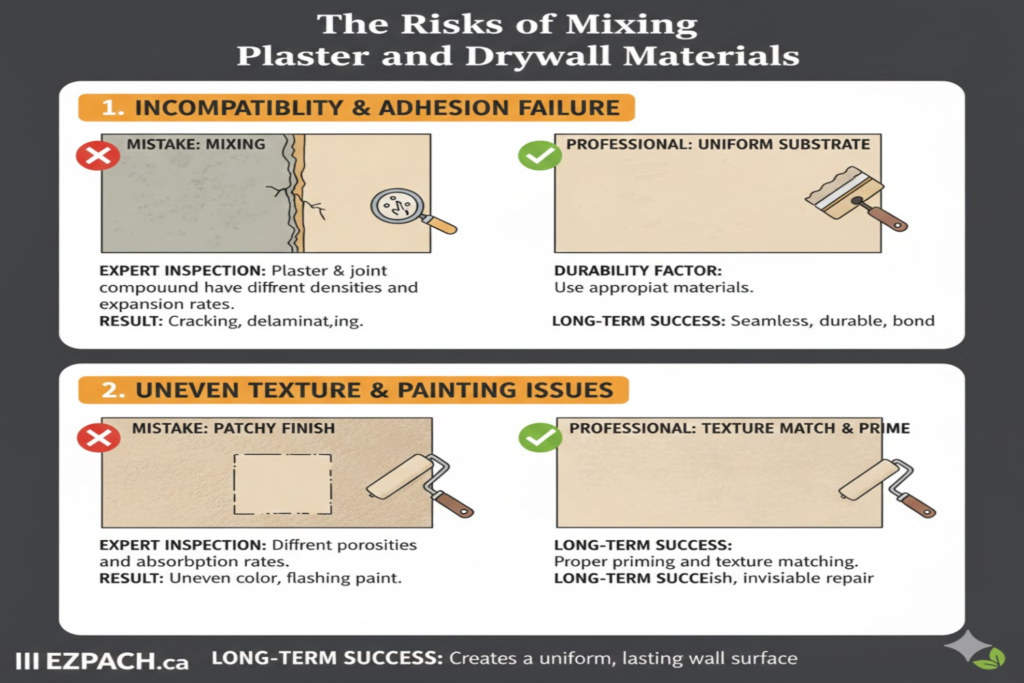
Understanding Plaster and Drywall as Separate Systems
Plaster and drywall are not simply different wall finishes—they are complete systems designed to work independently. Traditional plaster consists of lime, gypsum, or cement applied in multiple coats over wood lath or masonry. Drywall, by contrast, is a manufactured gypsum panel with a paper facing designed for fast installation.
Plaster walls are denser, harder, and less flexible than drywall. They resist impact better but are more brittle when movement occurs. Drywall offers flexibility and speed but relies heavily on joint compound and tape for strength. These differences become critical when repairs or transitions combine both materials improperly.
Why Mixing Plaster and Drywall Materials Is So Common
Mixing materials often happens during partial renovations or repairs in older homes. A house built decades ago may have plaster walls, while newer additions or patches use drywall. Contractors may choose drywall products because they are cheaper, faster, and easier to source.
Another common reason is a lack of awareness. Many DIYers do not realize that drywall joint compound is not designed to perform like plaster. While the surface may look acceptable immediately after repair, problems usually appear months later once movement, humidity, or temperature changes take effect.
Structural Movement and Material Incompatibility
One of the most serious risks of mixing plaster and drywall materials is how they react differently to movement. Buildings naturally expand, contract, and settle over time. Plaster is rigid and cracks under stress, while drywall compound flexes slightly.
When these materials meet, stress concentrates at the joint. Over time, this leads to cracking, seam visibility, and separation. These failures are especially common around doors, windows, ceilings, and corners where movement is most pronounced.
Adhesion and Bonding Failures
Poor bonding is a primary reason mixed plaster and drywall repairs fail prematurely. Each material requires a different surface profile and bonding method to adhere correctly.
Drywall Compound on Old Plaster
Drywall joint compound is designed to bond to paper-faced drywall, not dense plaster. When applied directly to plaster without proper preparation, adhesion is weak and unreliable. This often results in peeling, flaking, or hollow-sounding patches.
Over time, temperature changes cause the compound to release from the plaster surface. Even paint cannot compensate for poor bonding underneath, leading to visible defects that require full rework.
Plaster Over Drywall Surfaces
Applying plaster directly over drywall can also create problems. Drywall paper absorbs moisture unevenly, which affects plaster curing. This may cause cracking, uneven hardness, or delayed drying.
Without a bonding agent or proper base coat, plaster may fail to anchor securely. This weak bond compromises both appearance and durability, especially in high-traffic or high-humidity areas.
Transition Areas Without Reinforcement
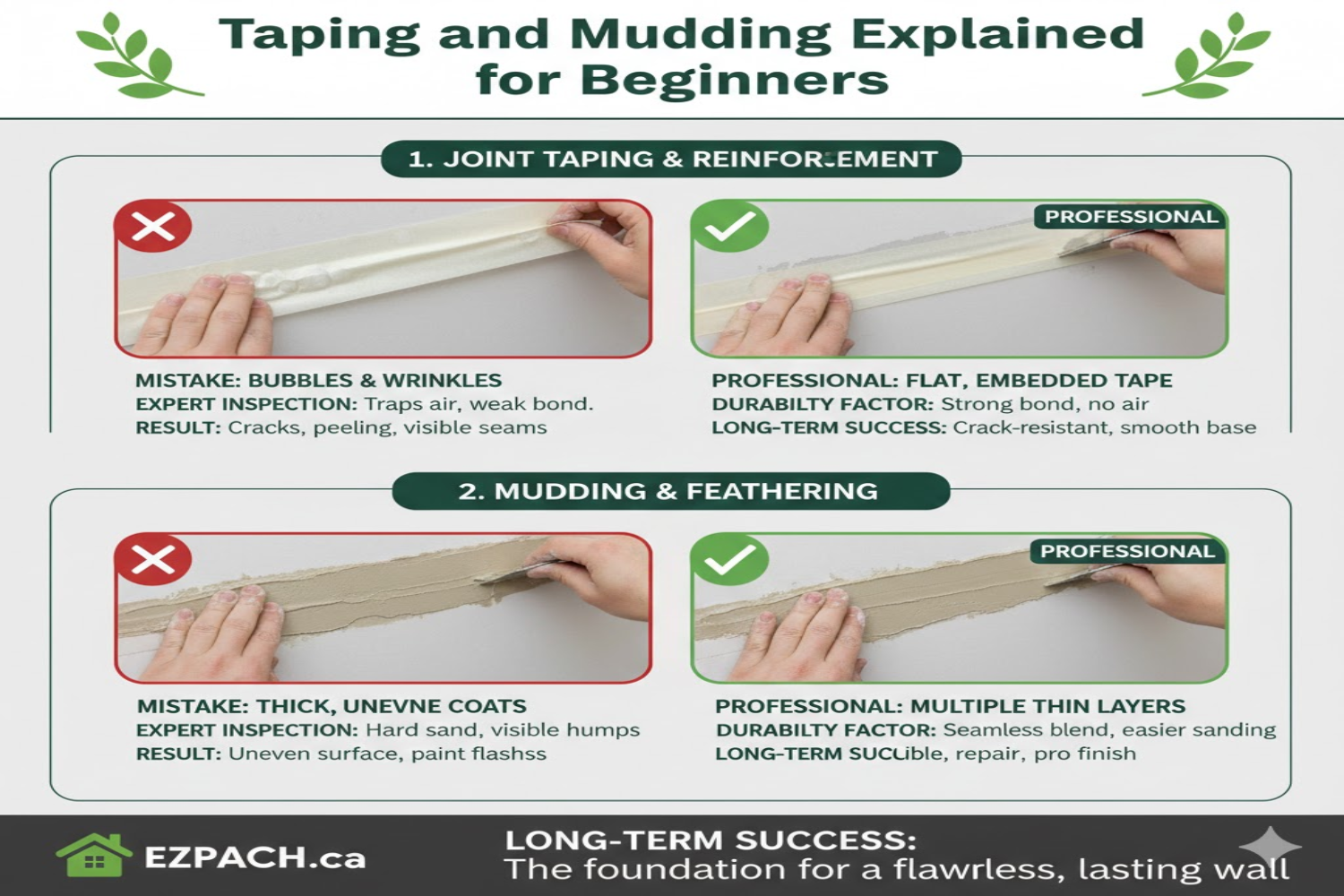
Transitions between plaster and drywall are particularly vulnerable. Without mesh, control joints, or reinforcement tape, cracks almost always develop. These seams become more visible over time, especially after painting.
Moisture Behavior and Water Damage Risks
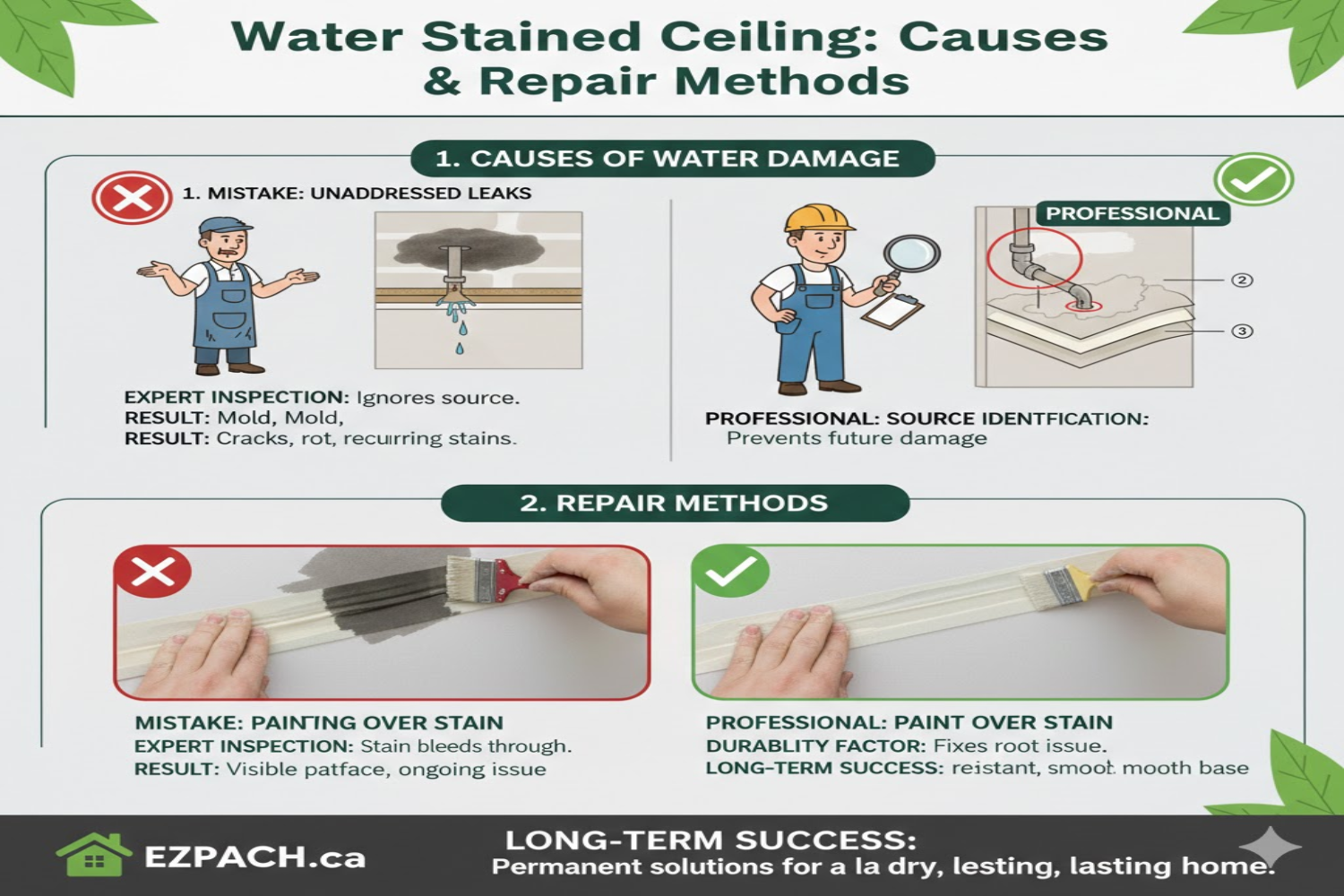
Plaster and drywall respond very differently to moisture exposure. Plaster can tolerate limited moisture but deteriorates with prolonged exposure. Drywall absorbs water quickly and loses strength almost immediately.
When mixed, the moisture does not distribute evenly across the surface. This creates hidden damp zones where mold can grow. Trapped moisture behind incompatible materials accelerates the deterioration of lath, framing, and insulation.
Cracking, Shrinkage, and Surface Failure
Cracking is the most visible sign that plaster and drywall materials were mixed incorrectly. These cracks often reappear even after multiple repairs.
Shrinkage Differences
Drywall joint compound shrinks significantly as it dries, while plaster shrinks very little. When used together, this difference creates depressions and stress fractures. These flaws become more noticeable once painted.
Repeated shrinkage causes patched areas to sink below the surrounding surface, creating uneven walls and ceilings.
Thermal Expansion and Contraction
Plaster and drywall expand and contract at different rates due to temperature changes. This mismatch stresses joints and patches. Seasonal movement often reveals cracks that were not visible immediately after repair.
Over time, these small cracks widen and multiply, requiring increasingly invasive repairs.
Recurring Repairs in the Same Area
When cracks keep returning in the same location, it is often due to incompatible materials. Each repair adds more layers, worsening the problem. Eventually, full removal and proper material replacement become necessary.
Surface Texture and Finish Inconsistencies
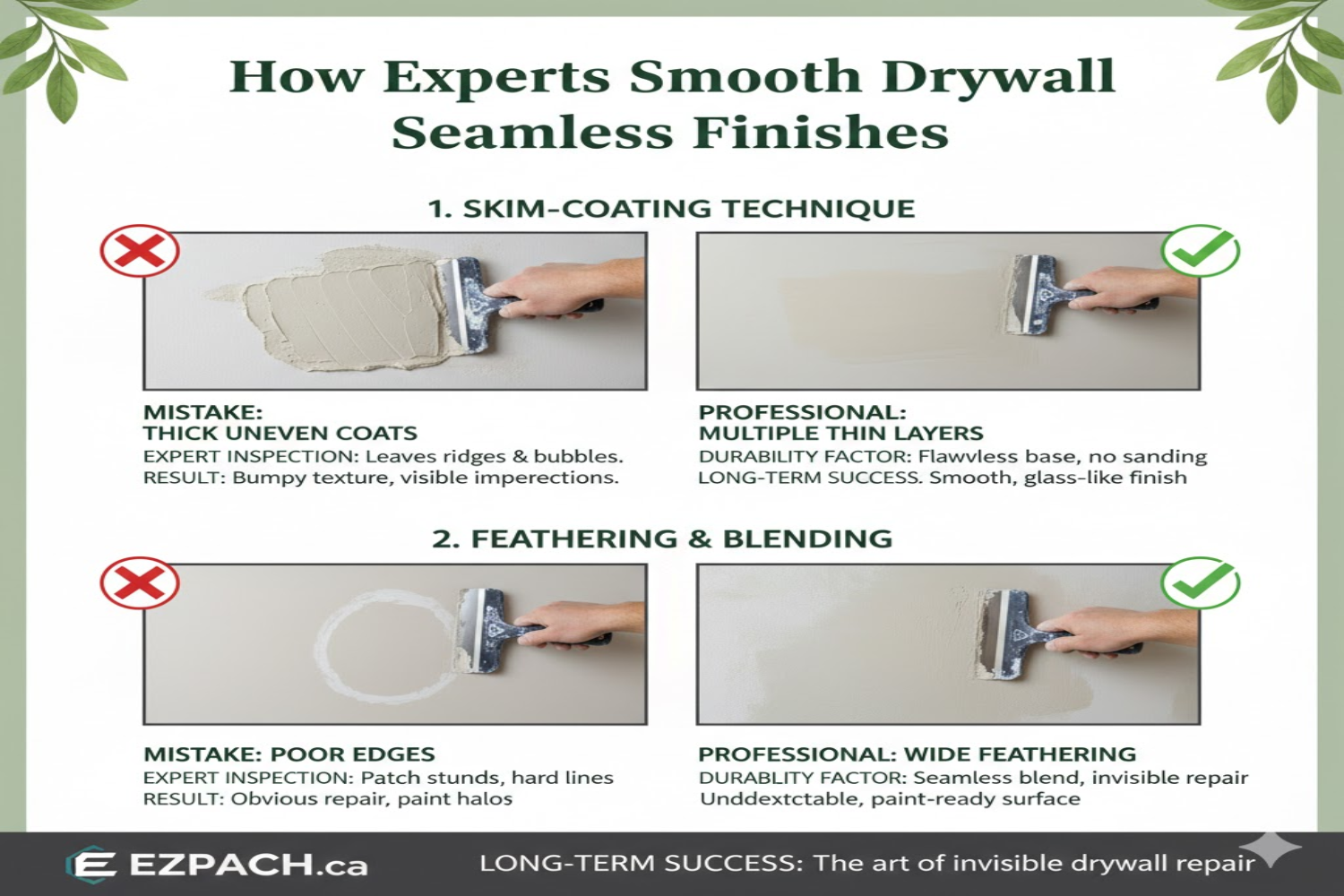
Achieving a seamless finish when mixing plaster and drywall materials is extremely difficult. Plaster cures hard and smooth, while drywall compound sands more softly and absorbs paint differently.
Lighting conditions, especially from windows or ceiling fixtures, exaggerate these differences. Even well-painted surfaces can reveal ridges, seams, or texture variations that reduce visual quality.
Glossy or semi-gloss paints make these issues even more noticeable, highlighting every imperfection along mixed-material seams.
Long-Term Structural and Safety Concerns
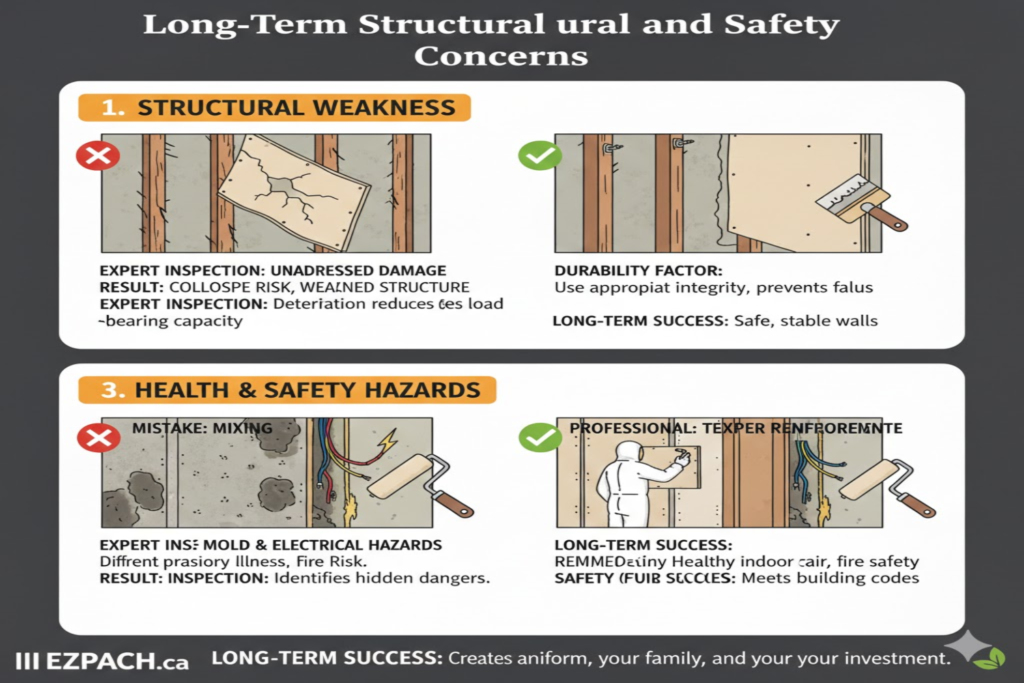
While plaster and drywall are not load-bearing, their failure can expose deeper structural issues. Cosmetic defects often signal hidden damage beneath the surface.
Hidden Framing and Lath Damage
Cracks and separation allow air and moisture to reach the framing and lath. Over time, wood components may rot or weaken. These issues often remain hidden until major repairs are required.
Plaster repairs that mask structural movement delay necessary intervention, increasing long-term risk.
Ceiling Collapse Risks
Ceilings are especially vulnerable when materials are mixed improperly. Poor adhesion combined with gravity increases the risk of sagging or detachment. In extreme cases, sections may fall, posing safety hazards.
Mold and Indoor Air Quality
Moisture trapped behind mixed materials creates ideal conditions for mold growth. Mold affects indoor air quality and can cause health issues. Cosmetic repairs that ignore moisture problems worsen the situation.
Common Situations Where Mixing Causes Failure
Mixing plaster and drywall materials commonly fails in these scenarios:
- Patching plaster walls with drywall compound
- Repairing plaster ceilings using drywall mud
- Skim coating plaster with drywall materials.
- Installing drywall next to existing plaster without control joints
- Using incompatible primers or paints
Each situation increases the likelihood of cracking, peeling, or moisture damage.
Best Practices Instead of Mixing Materials
Professionals recommend maintaining material consistency whenever possible. If repairing plaster, use plaster-based products. For drywall systems, usedrywall throughout the repair.
When transitions are unavoidable, proper preparation is essential. This includes cleaning, priming, reinforcement mesh, and allowing extended drying times. Even then, transitions remain higher-risk areas requiring careful execution.
Key Risks of Mixing Plaster and Drywall Materials
- Different movement rates cause cracking.
- Poor adhesion leads to peeling and delamination.
- Uneven moisture absorption increases mold risk.
- Visible seams reduce aesthetic quality.
- Repeated repairs increase long-term costs.
Cost Implications of Improper Mixing
Initial savings from using drywall materials on plaster often disappear quickly. Failed repairs require repainting, resurfacing, or full replacement. In severe cases, moisture damage leads to mold remediation or structural repairs.
Correcting mixed-material failures typically costs more than repairing correctly from the start. Investing in compatible materials improves durability and reduces long-term expenses.
Conclusion
The risks of mixing plaster and drywall materials are significant and often underestimated. Differences in bonding, movement, moisture behavior, and texture make these materials incompatible without specialized techniques. What begins as a simple repair can quickly turn into a recurring problem.
Understanding these risks allows homeowners and professionals to make informed decisions. Using the correct materials, reinforcing transition areas, and addressing underlying issues ensures long-lasting, visually clean, and structurally sound results.
Frequently Asked Questions (FAQs)
1. Can drywall joint compound be safely used on plaster walls?
It can be used with proper preparation, but failure is common without bonding agents and reinforcement.
2. Why do cracks keep coming back after repairs?
Recurring cracks usually indicate incompatible materials or unresolved movement.
3. Is mixing plaster and drywall ever recommended?
Only in limited cases with professional methods, such as control joints and reinforcement.
4. Does material mixing affect resale value?
Yes, visible defects and repeated repairs can reduce buyer confidence.
5. Can paint hide mixed-material problems?
Paint may hide issues temporarily, but it often highlights them under certain lighting.
6. Are ceilings more vulnerable than walls?
Yes, gravity increases the risk of adhesion failure and sagging.
7. Should old plaster be replaced instead of patched?
In many cases, full replacement is more durable than repeated mixed repairs.
8. How do professionals manage plaster-to-drywall transitions?
They use reinforcement, bonding agents, control joints, and extended curing times.
Drywall Repair Halifax
EZ Patch offers clean, professional drywall, ceiling, plaster, and water damage repair services in Halifax with minimal mess and long-lasting results.
EZ Patch – Drywall Repair Experts
Trusted drywall repair professionals serving Halifax and nearby areas.
Drywall Patch & Repair
Seamless drywall repairs for holes, cracks, dents, and damaged walls.
Ceiling Repairs
Professional ceiling repair services for stains, cracks, and water damage.
Drywall Installation
Complete drywall installation services for renovations and new builds.
Taping & Mudding
Smooth, paint-ready wall finishes by expert drywall finishers.
Plaster Repair Experts
Precision plaster repair services while maintaining original wall texture.
Water Damage Repair
Drywall and ceiling restoration for properties affected by water damage.
Texture Matching
Accurate texture blending so repaired areas match existing finishes.
Installation, Repair & Removal
End-to-end drywall installation, repair, and removal solutions.