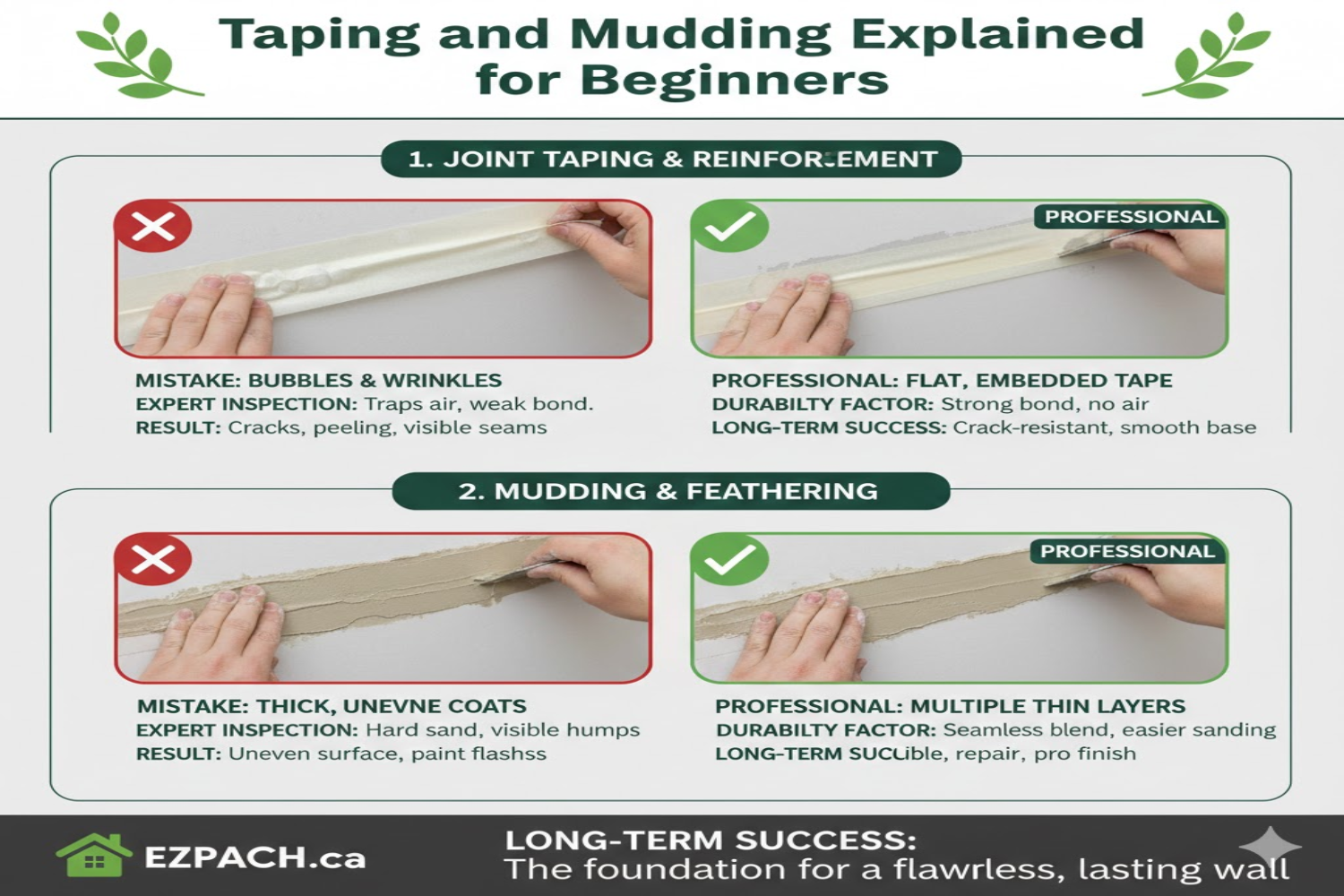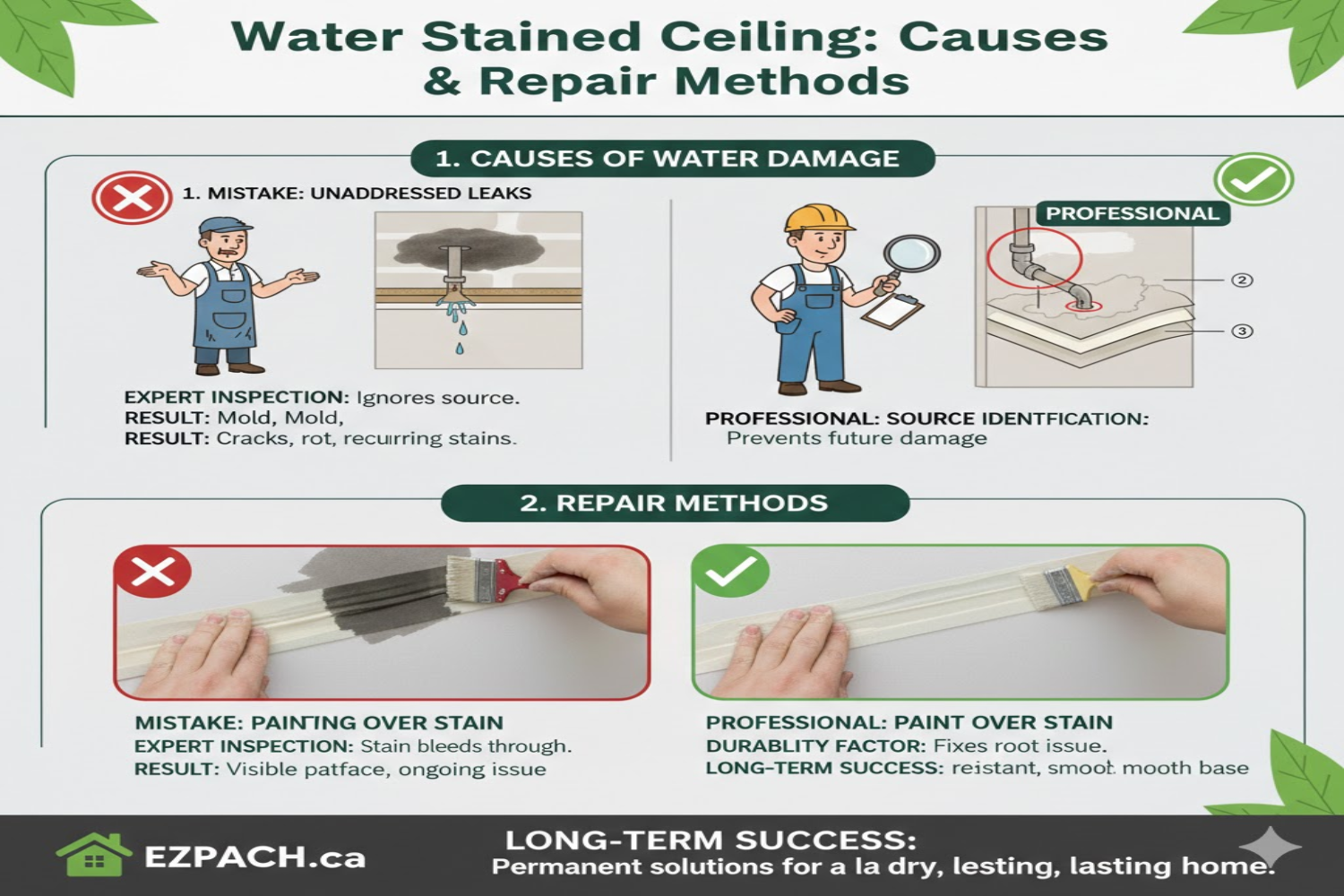
The most overlooked areas for drywall damage in homes are often hidden behind furniture, appliances, or daily routines, making the problem hard to notice until it becomes serious. Homeowners usually focus on visible areas and forget the spots that quietly deteriorate over time. This lack of attention leads to unexpected repairs, increased costs, and interior maintenance issues.
Understanding the most overlooked areas for drywall damage in homes helps you prevent future structural and cosmetic problems. Many of these areas experience constant pressure, moisture exposure, or subtle movement that slowly damages the drywall. When homeowners understand why these spots are ignored, they can tackle issues before they turn into expensive repairs.
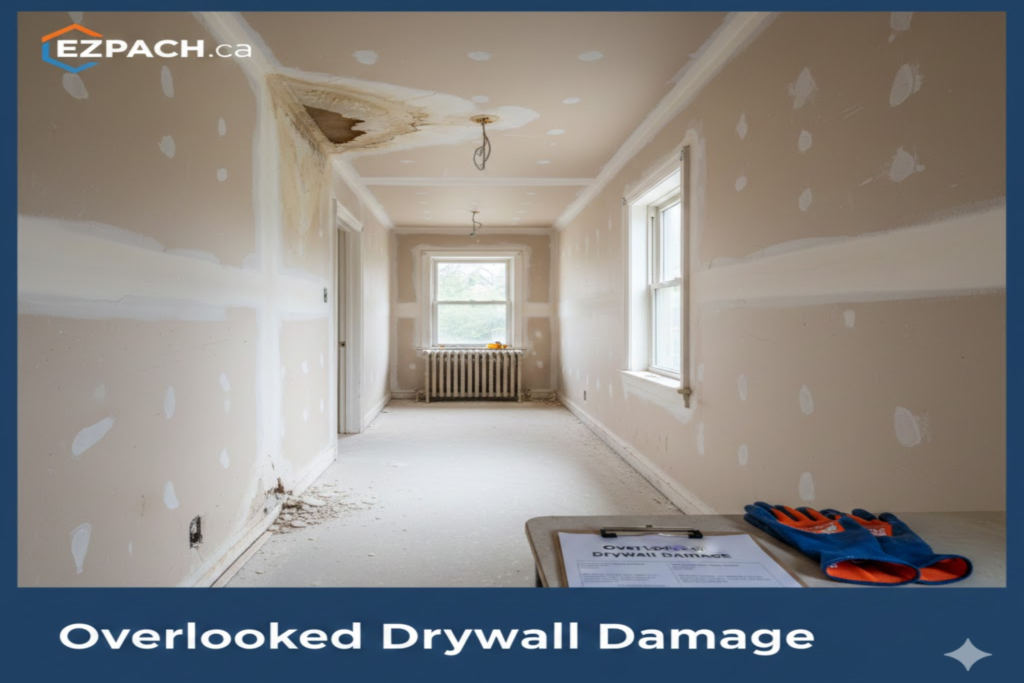
Behind Large Furniture and Appliances
One of the most overlooked areas for drywall damage in homes is the space behind large furniture such as cabinets, dressers, and wardrobes. These heavy pieces block the view and make it difficult to notice early signs of stress. As furniture rubs or leans against the wall, it creates dents, scuffs, or small cracks. Because these sections remain unseen, the damage continues quietly for years.
The same happens behind appliances like refrigerators, washing machines, and freezers. Vibration, moisture, and heat contribute to drywall deterioration, but homeowners rarely check behind these units. As a result, moisture buildup or wall friction worsens damage that could have been prevented with simple inspections. This makes these hidden spots one of the most overlooked areas for drywall damage in homes.
Doors and Doorstops
Behind doors is one of the most overlooked areas for drywall damage in homes because people rarely check behind the door fully. Door handles and faulty doorstops constantly impact the drywall, causing dents or punctures. Over time, this unnoticed pressure leads to significant wall damage.
Missing or Broken Doorstops
When doorstops are missing, loose, or broken, the doorknob slams directly into the drywall. This impact causes round holes that become bigger with repeated force. Homeowners often discover this damage only when moving furniture or repainting.
Heavy Doors with Strong Hinges
Doors that swing aggressively put more pressure on drywall. The heavier the door, the stronger the impact each time it opens. This constant motion leads to wear that homeowners rarely notice.
High-Traffic Rooms
Bedrooms, bathrooms, and kitchens are high-traffic areas where doors open frequently. Frequent door movement increases the chance of drywall dents. Because people use these areas regularly, they overlook the growing damage behind the door.
Lower Wall Sections Near the Floor
Thelower wall section near the floor is among the most overlooked areas for drywall damage in homes. Children, pets, and vacuum cleaners frequently hit these portions, but the damage is easy to miss unless you bend down. Over time, scuff marks, dents, or small cracks appear and worsen. These low sections accumulate unnoticed damage until a major repair becomes necessary.
Even water damage from mopping or accidental spills affects this lower drywall portion. Moisture weakens drywall much faster than homeowners realize. Without regular inspection, the base of walls becomes soft, warped, or stained. This makes it clear why this section is one of the most overlooked areas for drywall damage in homes.
Behind Curtains, Blinds, and Window Frames
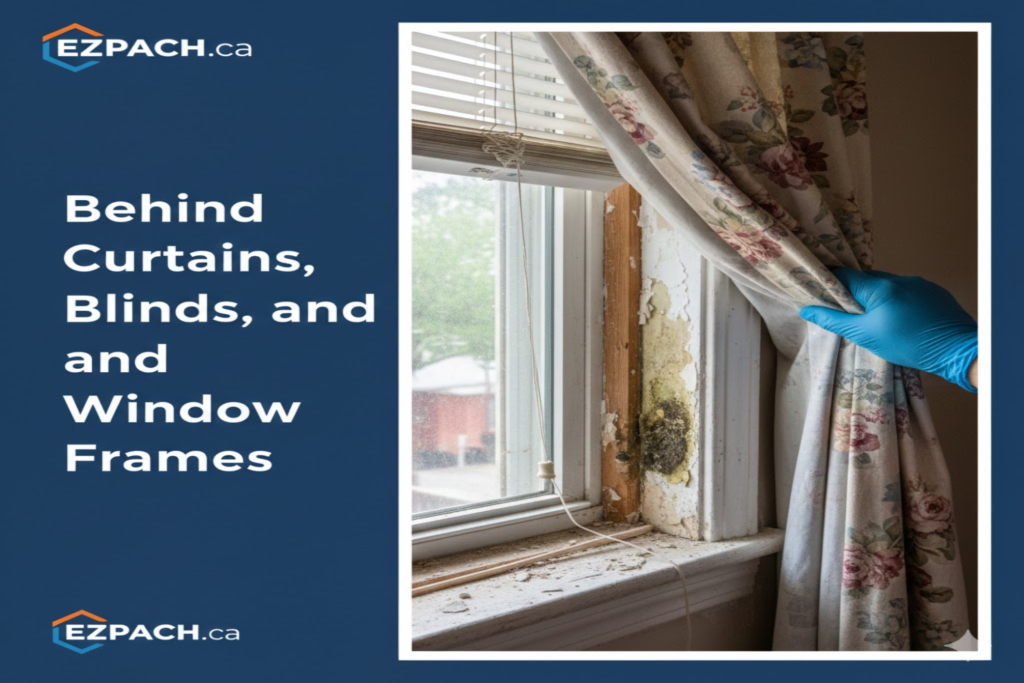
Drywall surrounding windows is often hidden by heavy curtains and blinds, making it one of the most overlooked areas for drywall damage in homes. Moisture, sunlight, and condensation quietly weaken the wall.
Window Condensation Damage
Condensation drips down and soaks into nearby drywall. This leads to bubbling, softness, or mold growth. Because curtains hide these signs, the damage grows unnoticed.
UV Exposure from Direct Sunlight
Sunlight causes paint fading and weakens the drywall surface. Over time, UV rays cause cracking and dryness. Most homeowners never check behind window coverings unless cleaning.
Poorly Insulated Window Frames
Gaps around windows allow drafts and moisture to enter. This weakens the surrounding drywall slowly. The frames hide these issues until visible damage spreads.
Water Heater Closets and Utility Rooms
These rooms contain heat, humidity, and pipes, making them one of the most overlooked areas for drywall damage in homes. People rarely check them until something leaks.
- Frequent moisture exposure
- Pipe condensation dripping on drywall
- Poor ventilation
- Hidden mold development
- Heat expansion is causing cracks
Behind Toilets and Bathroom Vanities
Bathrooms contain some of the most overlooked areas for drywall damage in homes because moisture works silently. The space behind toilets is especially vulnerable due to condensation from cold water lines. Water droplets drip down the wall, causing soft spots or mold. Because this area is hidden, homeowners often miss the early signs.

Bathroom vanities also hide drywall damage from sink splashes or plumbing leaks. Even a slow drip can damage drywall over time. Without regularly checking under and behind the vanity, the drywall weakens. This makes bathrooms a key contributor to hidden drywall deterioration.
Behind Headboards and Bed Frames
Bedrooms also contain the most overlooked areas for drywall damage in homes, especially behind bed frames and headboards. These structures press against the wall, causing friction and stress.
Metal Bed Frames Scratching the Wall
Metal frames move slightly as people get in and out of bed. This repeated motion scrapes the drywall surface. Over time, the damage becomes deeper and more noticeable.
Headboards Rubbing Against Paint
Wooden or upholstered headboards shift with body weight. This constant rubbing weakens drywall and removes paint. Unsuspecting homeowners rarely check behind the bed.
Wall Movement from Leaning Back
When people sit up in bed and lean on the wall, pressure builds. Repeated leaning weakens the drywall behind the headboard. This unnoticed pressure leads to hidden cracks.
Hallway Corners and Entryways
Hallway corners are one of the most overlooked areas for drywall damage in homes because they take constant impact from movement. Furniture, bags, and daily traffic easily bump into corners. These small impacts chip paint or damage the drywall corner bead. Most people don’t inspect these areas closely, so damage grows slowly.
Entryways also receive heavy traffic and accidental bumps when carrying groceries or luggage. Shoes, backpacks, and pets frequently touch the walls. Over time, abrasions and dents weaken the drywall. These high-activity zones remain some of the biggest hidden problem areas in homes.
Behind TVs and Wall-Mounted Electronics
Mounting electronics exposes the most overlooked areas for drywall damage in homes because the mounting points weaken over time. The weight and vibration affect drywall strength.
- Loose mounting screws
- Stress around anchor points.
- Heat from electronics
- Cable pulling strain
- Hidden cracks behind the monitor
Under Staircases or Low-Ceiling Sections
The underside of staircases is one of the most overlooked areas for drywall damage in homes since people rarely pay attention to tight or low spaces. These areas often experience movement as the stairs shift or settle over time. This causes hairline cracks that continue spreading. Without regular inspection, these cracks become structural problems.
Low-ceiling sections, such as basement stairwells or attic entries, are also prone to unnoticed drywall damage. People bump their heads, move boxes, and scrape objects against the ceiling. These actions gradually damage the drywall surface. Because homeowners seldom look up in tight areas, the damage often remains unseen for years.
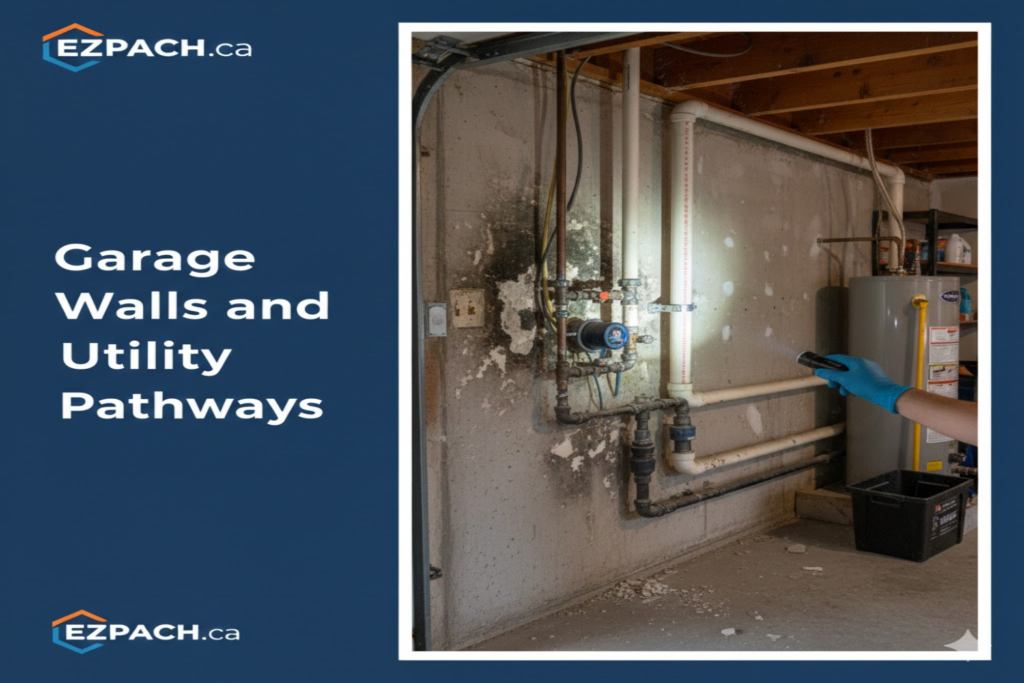
Garage Walls and Utility Pathways
Garages contain several of the most overlooked areas for drywall damage in homes because of constant movement, storage pressure, and temperature changes. These walls take more abuse than interior rooms.
- Vehicle door impacts
- Heavy storage leaning on walls
- Temperature and humidity swings
- Tools scraping the surface
- Water exposure from rain or wet tires
Laundry Rooms and Dryer Vent Areas
Laundry rooms are among the most overlooked areas for drywall damage in homes because moisture and vibration cause progressive deterioration. The washing machine shakes during spin cycles, creating tiny cracks behind it. Over time, these cracks widen due to repetitive movement. With dryers, the heat and vent moisture further weaken the drywall.
Dryer vent leaks also create hidden moisture pockets behind walls. Mold grows quietly in these damp, warm spaces. Because few people check behind laundry appliances, the damage goes unnoticed until it becomes severe. This makes laundry rooms a major hotspot for hidden drywall issues.
Attic Entries and Crawl Spaces
Attic hatch areas are also part of the most overlooked areas for drywall damage in homes. These spaces often suffer from moisture changes, temperature swings, and foot traffic from above.
Footstep Pressure from Attic Flooring
When people walk in the attic, weight pushes down on the ceiling drywall. This creates cracks and nail pops. Homeowners rarely notice ceiling damage until it becomes significant.
Poor Insulation Around the Entry
Weak insulation allows warm and cool air to collide. This leads to condensation and drywall softness. The attic entry becomes a hidden moisture pocket.
Rodent or Pest Activity
Pests chew or scratch at drywall surfaces. Over time, this causes holes or thin spots. Homeowners often discover this damage far too late.
Conclusion
Understanding the most overlooked areas for drywall damage in homes helps prevent expensive repairs and long-term structural issues. Many of these areas remain hidden behind furniture, appliances, and daily movement, making them easy to ignore. When homeowners fail to inspect these spots regularly, moisture, friction, and pressure slowly deteriorate the drywall. What looks like a small issue today can turn into a major repair later.
By actively checking these hidden places, homeowners can spot the early signs of moisture, cracks, dents, or structural stress. Preventive care is always cheaper and easier than large-scale drywall repairs. When people understand the most overlooked areas for drywall damage in homes, they protect their property and maintain long-term interior quality. Regular inspections save time, money, and stress in the future.
FAQs
1. Why does drywall behind furniture get damaged so easily?
Because the wall experiences constant pressure and friction that people don’t see. Over time, this leads to dents and cracks.
2. How does moisture cause hidden drywall damage?
Moisture softens drywall and creates mold behind the surface. The damage grows silently until it becomes severe.
3. Are garage walls more fragile than indoor walls?
Garage walls face harsher conditions like temperature swings and impact. This makes them more prone to unnoticed damage.
4. Why does drywall behind appliances deteriorate faster?
Vibration, heat, and moisture weaken drywall over time. These appliances often hide the early signs.
5. Should I check behind curtains and blinds regularly?
Yes, because window areas are exposed to condensation and sunlight. These factors weaken paint and drywall.
6. Why do hallway corners get damaged so often?
Because they experience constant contact and bumps. These small impacts accumulate into bigger issues.
7. Can attic pressure really damage drywall ceilings?
Yes, walking in the attic creates downward force on the ceilings. This leads to cracks and nail pops.
8. How do pets contribute to unnoticed drywall damage?
Pets scratch, rub, or bump into walls without homeowners noticing. These repeated actions degrade drywall gradually.
Drywall Repair Halifax
EZ Patch offers clean, professional drywall, ceiling, plaster, and water damage repair services in Halifax with minimal mess and long-lasting results.
EZ Patch – Drywall Repair Experts
Trusted drywall repair professionals serving Halifax and nearby areas.
Drywall Patch & Repair
Seamless drywall repairs for holes, cracks, dents, and damaged walls.
Ceiling Repairs
Professional ceiling repair services for stains, cracks, and water damage.
Drywall Installation
Complete drywall installation services for renovations and new builds.
Taping & Mudding
Smooth, paint-ready wall finishes by expert drywall finishers.
Plaster Repair Experts
Precision plaster repair services while maintaining original wall texture.
Water Damage Repair
Drywall and ceiling restoration for properties affected by water damage.
Texture Matching
Accurate texture blending so repaired areas match existing finishes.
Installation, Repair & Removal
End-to-end drywall installation, repair, and removal solutions.