When homeowners face repair or maintenance issues, the first question is often whether to hire a general handyman or a specialized professional. At first glance, both seem to offer similar services, but the reality is very different. Understanding the difference between handyman repairs and specialists helps you save money, avoid future damage, and ensure long-lasting results.
Many people choose based on price or availability, without considering the complexity of the job. However, the quality, safety, and durability of the repair largely depend on who performs the work. This article breaks down the difference between handyman repairs and specialists in detail so you can make informed decisions for your home or property.
Understanding Handyman Repairs
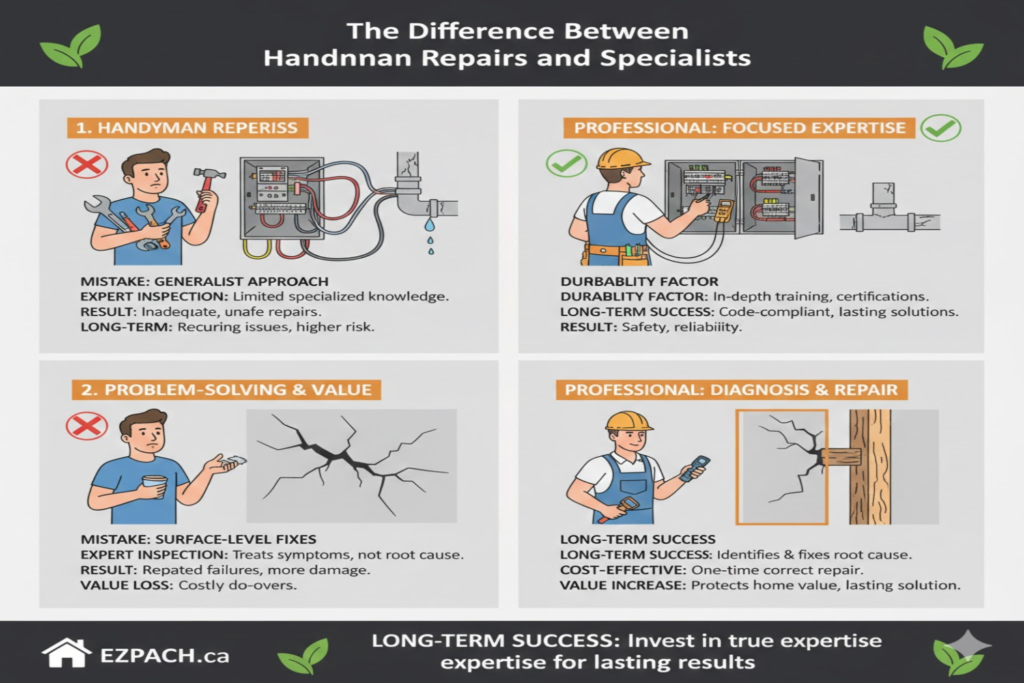
Handyman repairs usually involve general maintenance and small fixes around a home or office. A handyman is typically a multi-skilled worker who handles a wide variety of basic tasks. These services are ideal for minor issues that do not require advanced training or certifications.
Most handyman repairs are quick, affordable, and convenient. They are commonly used for routine maintenance rather than technical or high-risk work. Knowing the limits of handyman services is crucial when comparing them to specialists.
What Handyman Repairs Typically Include
Handyman repairs focus on simple, low-risk tasks that don’t require deep technical expertise. These jobs are often cosmetic or preventive in nature. While they may improve appearance and functionality, they are not meant to replace professional-grade solutions.
Common handyman tasks include fixing loose fixtures, patching small holes, and performing general upkeep. These services are best for homeowners who need quick solutions without extensive structural or system changes.
Skill Level and Training of a Handyman
A handyman usually learns skills through experience rather than formal education. Many are self-taught or trained on the job, which gives them flexibility across multiple repair areas. However, this also means their knowledge may be limited in specialized fields.
Because of this, handyman repairs are best suited for tasks that don’t require permits, inspections, or compliance with strict building codes. This distinction is key when evaluating the difference between handyman repairs and specialists.
Cost Structure of Handyman Repairs
Handyman services are generally more affordable than specialist services. They often charge hourly rates or flat fees for small jobs. This makes handyman repairs appealing for budget-conscious homeowners.
However, lower upfront costs may lead to higher expenses later if the repair fails. Understanding the difference between handyman repairs and specialists helps avoid paying twice for the same problem.
Who Are Repair Specialists?
Repair specialists are professionals trained and certified in a specific trade. Examples include electricians, plumbers, HVAC technicians, drywall specialists, and structural engineers. Their work focuses on complex systems and long-term solutions.
Specialists bring in-depth knowledge and advanced tools to handle tasks that require precision and compliance. This expertise sets them apart clearly when discussing the difference between handyman repairs and specialists.
Specialized Training and Certifications
Specialists undergo formal education, apprenticeships, and licensing processes. This ensures they understand safety standards, building codes, and technical requirements. Their training allows them to diagnose problems accurately and fix root causes.
Unlike handyman repairs, specialist work is often regulated by local authorities. This adds an extra layer of accountability and professionalism.
Scope of Work for Specialists
Specialists handle tasks that go beyond surface-level repairs. Their work often involves critical systems such as electrical wiring, plumbing lines, or structural components. These repairs directly affect safety and property value.
Because of their expertise, specialists are usually required for large-scale renovations or insurance-related repairs. This is a major point in the difference between handyman repairs and specialists.
Tools and Technology Used by Specialists
Specialists use advanced tools designed for their specific trade. These tools allow for accurate measurements, diagnostics, and long-lasting repairs. Their equipment is often expensive and requires proper training to operate.
This technical advantage ensures higher-quality outcomes compared to general handyman repairs.
Quality of Work: Handyman vs Specialists
Quality is one of the most important factors when comparing handyman repairs and specialists. While both aim to fix problems, the results can vary significantly. The level of detail and durability often depends on expertise.
Specialists focus on precision and long-term performance. Handyman repairs, on the other hand, prioritize speed and convenience.
Durability and Longevity of Repairs
Handyman repairs may solve an issue temporarily, especially if it’s minor. However, they may not address underlying problems. This can lead to recurring issues over time.
Specialist repairs are designed to last. Their approach ensures that the problem is resolved at its core, highlighting the difference between handyman repairs and specialists.
Attention to Detail
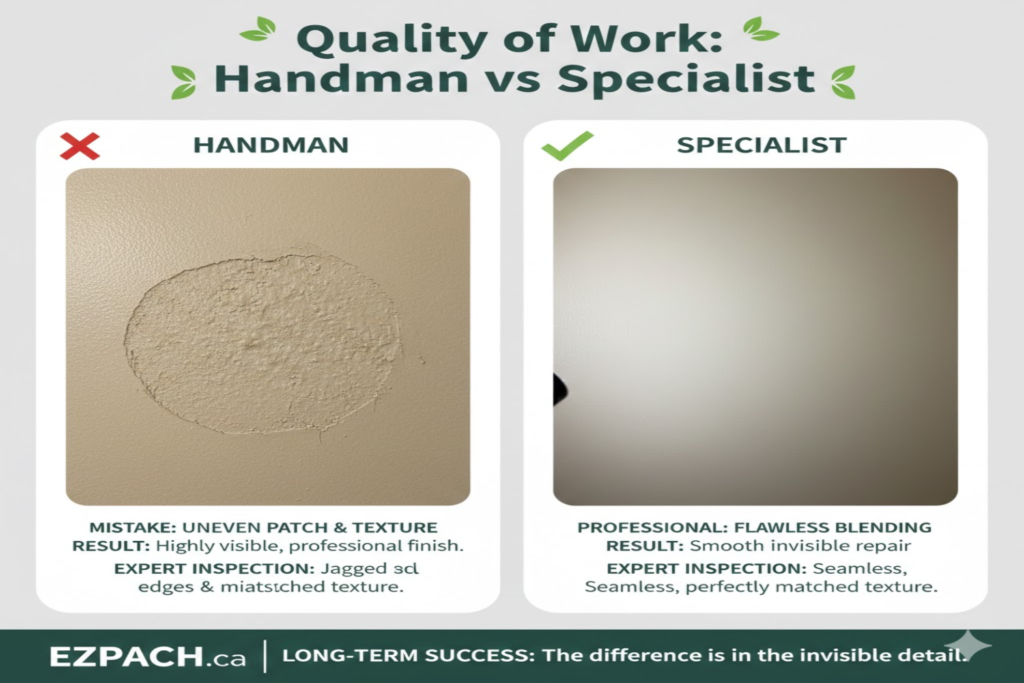
Specialists are trained to notice small details that can impact performance. They follow industry standards and best practices. This results in cleaner finishes and safer installations.
Handyman repairs may lack this level of detail, especially in technical areas. This difference becomes obvious in complex projects.
Warranty and Guarantees
Many specialists offer warranties on their work. This provides peace of mind and protects your investment. Handyman repairs rarely include formal guarantees.
This factor alone makes a strong case when evaluating the difference between handyman repairs and specialists.
Safety Considerations
Safety is a critical concern in any repair work. Mistakes can lead to injuries, property damage, or legal issues. The level of risk varies depending on who performs the work.
Understanding safety standards is a major point in the difference between handyman repairs and specialists.
Compliance With Building Codes
Specialists are required to follow local building codes and regulations. Their work is often inspected to ensure compliance. This is essential for electrical, plumbing, and structural projects.
Handyman repairs may not always meet these standards. This can create problems during inspections or property sales.
Risk of Accidents and Errors
Specialists are trained to manage risks effectively. They know how to work safely with tools, materials, and systems. This reduces the likelihood of accidents.
Handyman repairs may carry higher risks, especially when dealing with complex systems. This difference should not be overlooked.
Insurance and Liability Coverage
Most specialists carry professional insurance. This protects homeowners if something goes wrong. Handyman services may not always have adequate coverage.
This is another key factor in the difference between handyman repairs and specialists.
Cost Comparison and Long-Term Value
Cost is often the deciding factor for homeowners. While handyman repairs are cheaper upfront, specialists may offer better value over time. Evaluating long-term benefits is essential.
The true cost becomes clear when you compare durability, safety, and future maintenance needs.
Short-Term Savings vs Long-Term Investment
Handyman repairs save money initially. They are ideal for small, non-critical tasks. However, repeated fixes can add up over time.
Specialists may charge more, but their work often eliminates the need for future repairs. This highlights the difference between handyman repairs and specialists clearly.
Impact on Property Value
High-quality specialist repairs can increase property value. Buyers and inspectors recognize professional work. This is especially important during resale.
Poor handyman repairs may reduce value or require corrections. This can become costly in the long run.
Hidden Costs of Improper Repairs
Improper repairs can cause additional damage. Fixing these mistakes often requires specialist intervention. This results in higher overall costs.
Understanding the difference between handyman repairs and specialists helps avoid these hidden expenses.
When to Choose a Handyman
Handyman repairs are not inherently bad. They serve a specific purpose and can be very useful. The key is knowing when they are appropriate.
Choosing wisely ensures efficiency and cost-effectiveness.
Ideal Situations for Handyman Repairs
Handyman repairs work best for minor cosmetic issues. These include small fixes that don’t affect safety or structure. They are perfect for routine maintenance.
Tasks like replacing hardware or fixing small cracks are ideal examples. In such cases, specialists may be unnecessary.
Time-Sensitive and Small Jobs
Handyman services are often more flexible and available quickly. For urgent but simple tasks, they offer convenience. This is beneficial for busy homeowners.
Understanding the difference between handyman repairs and specialists helps match the right service to the job.
Budget-Conscious Maintenance
For landlords or property managers, handyman repairs can reduce maintenance costs. They are useful for ongoing upkeep across multiple properties. This approach works well when tasks are repetitive and low-risk.
When to Hire a Specialist
Specialists should be hired for complex, technical, or high-risk repairs. These jobs require precision and compliance with regulations. Safety and durability are top priorities.
Knowing when to call a specialist is crucial in understanding the difference between handyman repairs and specialists.
Complex or Technical Repairs
Electrical, plumbing, and HVAC issues should always be handled by specialists. These systems are critical to safety and functionality. Mistakes can have serious consequences.
Specialists ensure proper installation and long-term performance.
Structural and Load-Bearing Work
Structural repairs affect the integrity of a building. These tasks require expert knowledge and precise execution. Specialists are trained to handle such responsibilities.
Handyman repairs are not suitable for these types of projects.
Permits and Inspections Required
If a job requires permits or inspections, a specialist is necessary. They understand the legal requirements and processes involved. This ensures compliance and avoids fines.
This is a major point in the difference between handyman repairs and specialists.
Key Differences at a Glance
The distinction between handyman repairs and specialists becomes clear when comparing multiple factors. Each has strengths and limitations. Making the right choice depends on the nature of the task.
Below are key points summarizing the difference between handyman repairs and specialists:
- Skill Level: Handyman repairs involve general skills, while specialists have advanced, trade-specific expertise.
- Safety Standards: Specialists follow strict safety and building codes, unlike most handyman services.
- Cost Structure: Handyman repairs are cheaper upfront, but specialists offer better long-term value.
- Quality Assurance: Specialists often provide warranties, ensuring durable results.
- Scope of Work: Handyman repairs suit minor tasks, while specialists handle complex systems.
Conclusion
Understanding the difference between handyman repairs and specialists is essential for making smart home maintenance decisions. While handyman repairs are convenient and affordable, they are best suited for small, low-risk tasks. Specialists, on the other hand, provide expertise, safety, and long-term reliability for complex repairs.
Choosing the wrong service can lead to recurring problems, safety hazards, and higher costs over time. By evaluating the scope, risk, and importance of each task, homeowners can select the right professional. Ultimately, balancing cost with quality ensures better outcomes and peace of mind.
Frequently Asked Questions (FAQs)
1. Can a handyman legally perform electrical repairs?
In many areas, handymen are limited to very minor electrical tasks. Major electrical work usually requires a licensed specialist to meet legal and safety standards.
2. Are handyman repairs suitable for rental properties?
Yes, for routine maintenance and cosmetic fixes. However, critical systems should still be handled by specialists to avoid liability issues.
3. Do specialists always cost more than handymen?
Specialists typically charge higher rates, but their work often lasts longer. This can reduce overall costs over time.
4. Can poor handyman repairs affect home insurance claims?
Yes, insurance companies may deny claims if repairs were not done by licensed specialists. Proper documentation is often required.
5. How do I know if a repair requires a permit?
Repairs involving electrical, plumbing, or structural changes usually need permits. A specialist can guide you through this process.
6. Is it safe to use a handyman for bathroom renovations?
Minor updates may be fine, but plumbing and waterproofing should be done by specialists. This prevents leaks and future damage.
7. Do specialists offer maintenance services too?
Many specialists provide maintenance plans in addition to repairs. These services help extend the life of systems and equipment.
8. Can handyman repairs reduce property resale value?
Poor-quality repairs can negatively impact resale value. Buyers often prefer documented specialist work for major systems.
Drywall Repair Halifax
EZ Patch offers clean, professional drywall, ceiling, plaster, and water damage repair services in Halifax with minimal mess and long-lasting results.
EZ Patch – Drywall Repair Experts
Trusted drywall repair professionals serving Halifax and nearby areas.
Drywall Patch & Repair
Seamless drywall repairs for holes, cracks, dents, and damaged walls.
Ceiling Repairs
Professional ceiling repair services for stains, cracks, and water damage.
Drywall Installation
Complete drywall installation services for renovations and new builds.
Taping & Mudding
Smooth, paint-ready wall finishes by expert drywall finishers.
Plaster Repair Experts
Precision plaster repair services while maintaining original wall texture.
Water Damage Repair
Drywall and ceiling restoration for properties affected by water damage.
Texture Matching
Accurate texture blending so repaired areas match existing finishes.
Installation, Repair & Removal
End-to-end drywall installation, repair, and removal solutions.