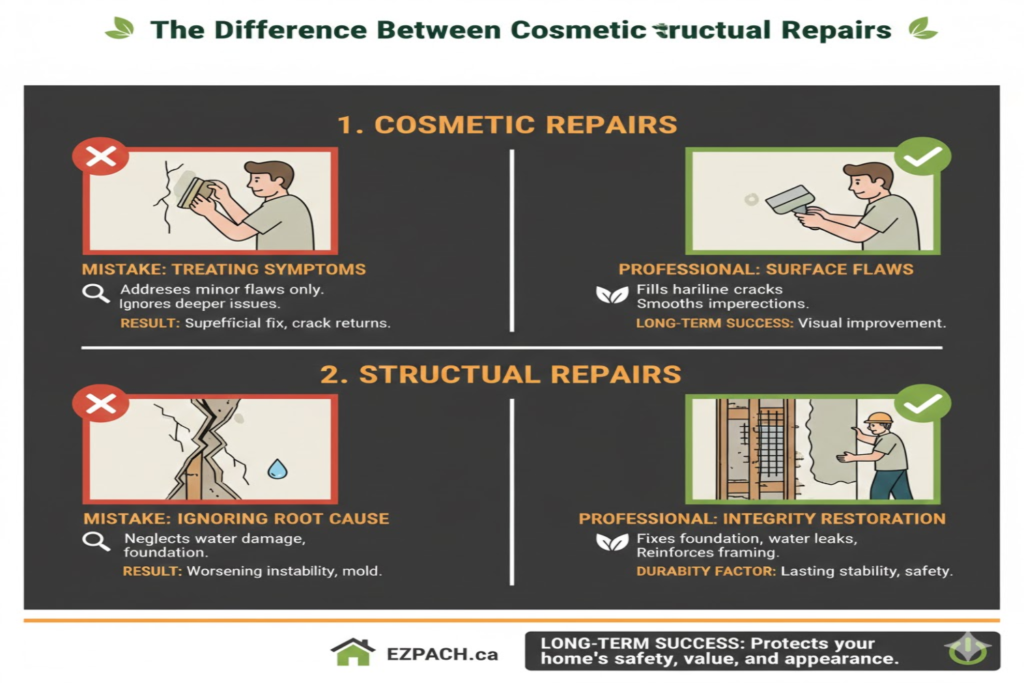
Repairs are a critical part of maintaining the safety and aesthetic appeal of any building. However, not all repairs are created equal, and understanding the difference between cosmetic and structural repairs is vital for homeowners, property managers, and contractors. Cosmetic repairs focus primarily on appearance, while structural repairs ensure the integrity and safety of the building.
Recognizing these differences can save both time and money and prevent future issues. Cosmetic damage may seem urgent due to its visible nature, but it rarely affects the building’s stability. Structural problems, however, require immediate attention, as neglect can lead to severe damage or safety hazards.
What Are Cosmetic Repairs?
Cosmetic repairs are primarily concerned with the appearance of a property rather than its structural integrity. These repairs include tasks like repainting walls, replacing cabinet handles, or repairing small dents and scratches. The goal is to enhance the aesthetic appeal without addressing any underlying structural concerns.
While cosmetic repairs are often simpler and less expensive, they play an essential role in maintaining property value. A home with well-maintained surfaces and finishes can attract buyers more easily, even if the underlying structure has minor flaws. These repairs typically do not require specialized engineering expertise, making them suitable for DIY projects or basic handyman services.
Common Cosmetic Repairs
- Wall painting and touch-ups
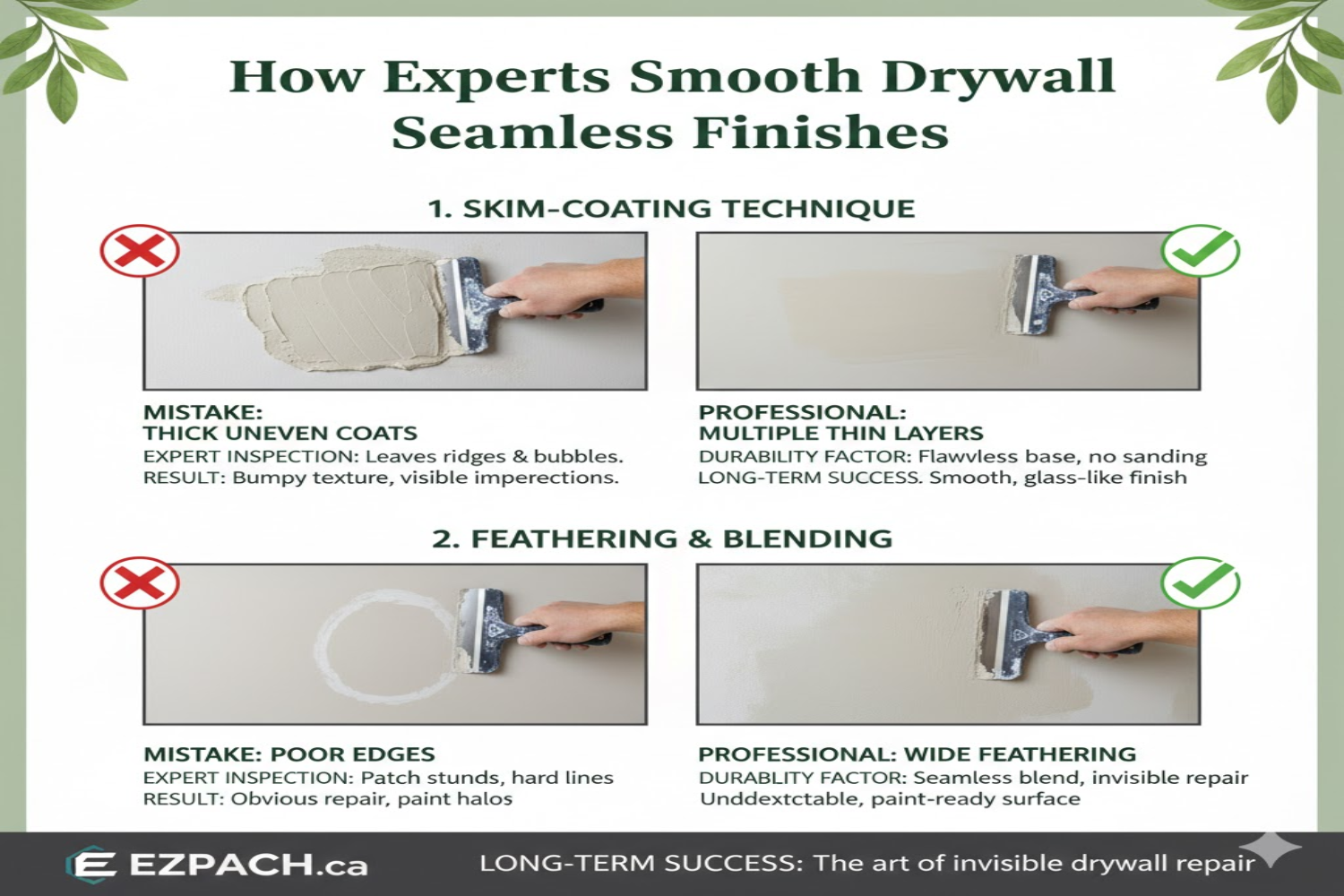
- Minor plaster or drywall patching
- Cabinet and fixture replacements
- Flooring scratches and dents
Benefits of Cosmetic Repairs
- Improves visual appeal instantly
- Can increase property market value
- Generally low-cost and quick
- Requires minimal technical knowledge
What Are Structural Repairs?
Structural repairs focus on the building’s essential framework, including foundations, beams, columns, and load-bearing walls. These repairs are critical for maintaining the safety and stability of a property. Ignoring structural issues can lead to significant hazards, including partial or total building collapse.
Structural repairs often require professional evaluation, specialized tools, and expert knowledge. Common causes include water damage, foundation settlement, termite infestations, or poor initial construction. Unlike cosmetic repairs, these repairs directly impact the long-term durability and safety of a property, making timely intervention crucial.
Common Structural Repairs
- Foundation crack repair
- Load-bearing wall reinforcement
- Roof truss or beam replacement
- Floor joist repair
Signs You Need Structural Repairs
- Visible foundation cracks
- Uneven floors or walls
- Doors and windows that stick or fail to close
- Sagging rooflines or ceilings
How Cosmetic and Structural Repairs Differ
Scope of Work
Cosmetic repairs usually involve surface-level improvements that do not require heavy-duty equipment or specialized knowledge. Structural repairs, by contrast, address the core stability of the building and often involve heavy machinery or structural engineering expertise.
Urgency
Cosmetic repairs can often be scheduled at your convenience, as they rarely compromise safety. Structural repairs require immediate attention, as delays can worsen damage and increase repair costs.
Cost Differences
- Cosmetic repairs are relatively inexpensive.
- Structural repairs tend to be high-cost
- Insurance may cover structural issues, but rarely cosmetic ones.
- Long-term savings are higher with timely structural maintenance.e
Tools and Materials Used
Cosmetic Repairs
- Paints, brushes, and rollers
- Drywall compound
- Decorative fixtures and hardware
Structural Repairs
- Concrete, steel, and timber
- Heavy-duty lifting tools
- Engineering measuring instruments
Safety Measures
- Cosmetic repairs typically require basic safety gear like gloves and masks.
- Structural repairs demand comprehensive safety protocols, including scaffolding, harnesses, and sometimes site evacuation.
Key Factors Influencing Repair Decisions
Several factors determine whether a repair is cosmetic or structural. Assessing these can help property owners prioritize correctly.
- Severity of damage
- Potential safety risks
- Long-term financial implications
- Aesthetic versus functional requirements
- Expert recommendations
Damage Severity
Minor surface scratches are usually cosmetic, whereas deep cracks in foundations indicate structural issues.
Safety Risks
Structural defects can pose serious hazards, while cosmetic flaws rarely affect safety.
Financial Implications
Ignoring structural issues can lead to costly repairs, while cosmetic maintenance usually involves manageable expenses.
Expert Recommendations
Structural repairs should always be evaluated by licensed professionals to prevent misdiagnosis.
When to Choose Cosmetic Over Structural Repairs
Cosmetic repairs are suitable for non-urgent improvements that focus on aesthetics. Examples include painting, refinishing cabinets, or replacing floor tiles. These tasks are ideal for small-scale updates, seasonal maintenance, or preparing a property for sale.
In contrast, structural repairs must be prioritized if there are signs of instability. Delaying structural work can compromise safety and significantly increase overall repair costs. Always consult a professional if you are unsure whether a repair is cosmetic or structural.
Cost Considerations
Understanding the cost differences between cosmetic and structural repairs helps with budgeting and planning. Cosmetic repairs are generally inexpensive, ranging from a few dollars for minor touch-ups to a few hundred dollars for larger surface work. Structural repairs are more complex, often requiring thousands of dollars depending on the severity and scope.
| Repair Type | Typical Cost Range | Time Required | Complexity Level |
| Cosmetic Repairs | $50 – $1,500 | 1 day – 1 week | Low |
| Structural Repairs | $1,000 – $50,000+ | 1 week – several months | High |
Long-Term Implications
Cosmetic repairs help maintain the visual appeal of a property but do not prevent underlying damage. Structural repairs, on the other hand, protect the building’s integrity, ensuring safety and long-term durability. Choosing the right type of repair can affect property value, insurance eligibility, and overall maintenance costs.
Property Value
Well-maintained cosmetic surfaces can improve immediate resale appeal. Structural integrity ensures that the property remains safe and marketable for years.
Insurance Considerations
Insurance often covers structural repairs due to accidental or natural damage, but cosmetic repairs are typically excluded.
Maintenance Planning
Regular cosmetic upkeep prevents minor deterioration, while periodic structural inspections avoid unexpected catastrophic issues.
Choosing the Right Professionals
Selecting the appropriate contractor is essential for both cosmetic and structural repairs. Cosmetic repairs can often be handled by general contractors or skilled handymen. Structural repairs require licensed engineers, foundation specialists, or certified contractors.
Questions to Ask Contractors
- Are you licensed and insured?
- Do you have experience with this specific repair type?
- Can you provide references or past project photos?
- What is your estimated timeline and cost?
DIY vs Professional
DIY is feasible for cosmetic work but risky for structural repairs. Attempting structural repairs without expertise can exacerbate damage and void insurance claims.
Inspection and Maintenance
Regular inspections help distinguish cosmetic issues from structural concerns. Homeowners should perform seasonal checks, paying attention to cracks, water damage, and signs of foundation settling. Professional inspections should be scheduled periodically to assess critical components like beams, joists, and load-bearing walls.
DIY Inspection Tips
- Check for wall cracks and uneven flooring.
- Inspect rooflines and ceilings for sagging.
- Look for moisture stains or mold.
- Test doors and windows for proper alignment
Professional Inspection Benefits
- Accurate assessment of structural health
- Early detection of hidden issues
- Recommendations for cost-effective repairs
- Peace of mind regarding building safety
Conclusion
Understanding the difference between cosmetic and structural repairs is essential for effective property maintenance. Cosmetic repairs enhance appearance and can be managed with minimal cost, while structural repairs ensure safety and long-term stability. Properly prioritizing these repairs protects property value and prevents costly emergencies.
Ignoring structural damage while focusing solely on cosmetic improvements can be dangerous. Regular inspection, timely intervention, and consulting the right professionals will help maintain both the visual appeal and the safety of your property. Being informed about these differences allows homeowners to make smarter decisions for repair and renovation planning.
FAQs
1. Can cosmetic repairs turn into structural problems if ignored?
No, cosmetic repairs usually remain surface-level. However, ignoring minor issues that mask underlying damage can occasionally reveal structural problems later.
2. How often should structural inspections be done?
A structural inspection is recommended every 3–5 years. Older homes or properties with known issues may require more frequent checks.
3. Are cosmetic repairs covered by insurance?
Typically, cosmetic repairs are not covered unless caused by an insurable event. Insurance mainly covers structural or accidental damage.
4. Can I DIY structural repairs?
DIY structural repairs are strongly discouraged due to safety risks. Always consult licensed professionals for structural work.
5. Which repair increases property value more?
Structural repairs ensure long-term safety and marketability. Cosmetic improvements may increase immediate appeal but do not affect structural value.
6. How long do cosmetic repairs last?
Cosmetic repairs can last from a few months to several years, depending on the material and quality. Regular maintenance prolongs their life.
7. What is the most common structural repair?
Foundation crack repair is one of the most frequent structural repairs. It prevents further instability and protects overall building integrity.
8. Can I combine cosmetic and structural repairs?
Yes, combining both can save time and money. Cosmetic work is often done after structural repairs to restore aesthetics.
Drywall Repair Halifax
EZ Patch offers clean, professional drywall, ceiling, plaster, and water damage repair services in Halifax with minimal mess and long-lasting results.
EZ Patch – Drywall Repair Experts
Trusted drywall repair professionals serving Halifax and nearby areas.
Drywall Patch & Repair
Seamless drywall repairs for holes, cracks, dents, and damaged walls.
Ceiling Repairs
Professional ceiling repair services for stains, cracks, and water damage.
Drywall Installation
Complete drywall installation services for renovations and new builds.
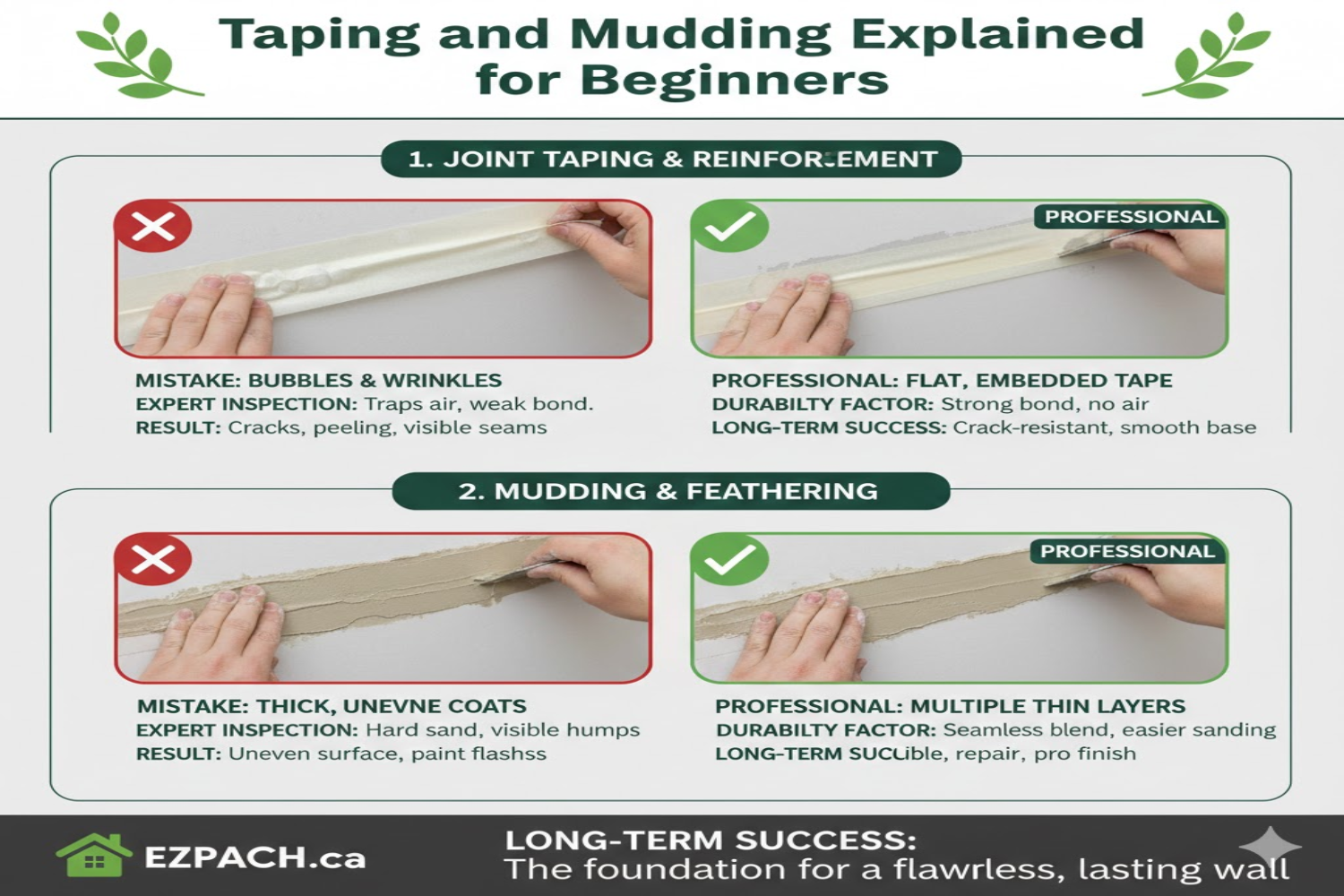
Taping & Mudding
Smooth, paint-ready wall finishes by expert drywall finishers.
Plaster Repair Experts
Precision plaster repair services while maintaining original wall texture.
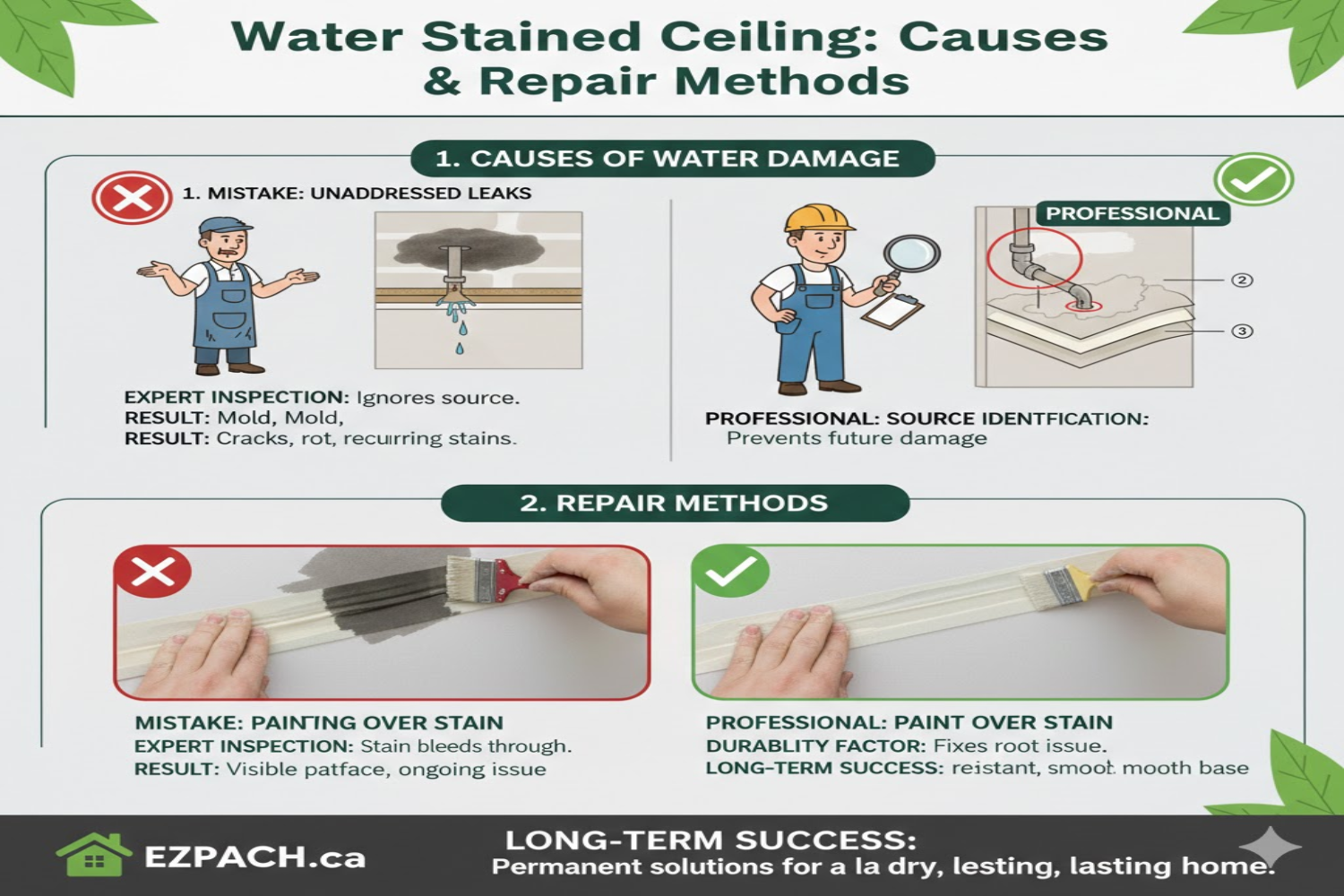
Water Damage Repair
Drywall and ceiling restoration for properties affected by water damage.
Texture Matching
Accurate texture blending so repaired areas match existing finishes.
Installation, Repair & Removal
End-to-end drywall installation, repair, and removal solutions.