Drywall is a critical component in modern construction, providing both structural stability and aesthetic appeal to interiors. However, one often overlooked factor that can compromise drywall integrity is wall vibrations. From daily household activities to nearby construction, vibrations can slowly deteriorate drywall surfaces over time.
Understanding how wall vibrations affect drywall is essential for homeowners and contractors alike. While minor vibrations may seem harmless initially, repeated or intense vibrations can lead to cracks, sagging, and long-term structural weaknesses. Recognizing the signs early can save significant repair costs.
Causes of Wall Vibrations
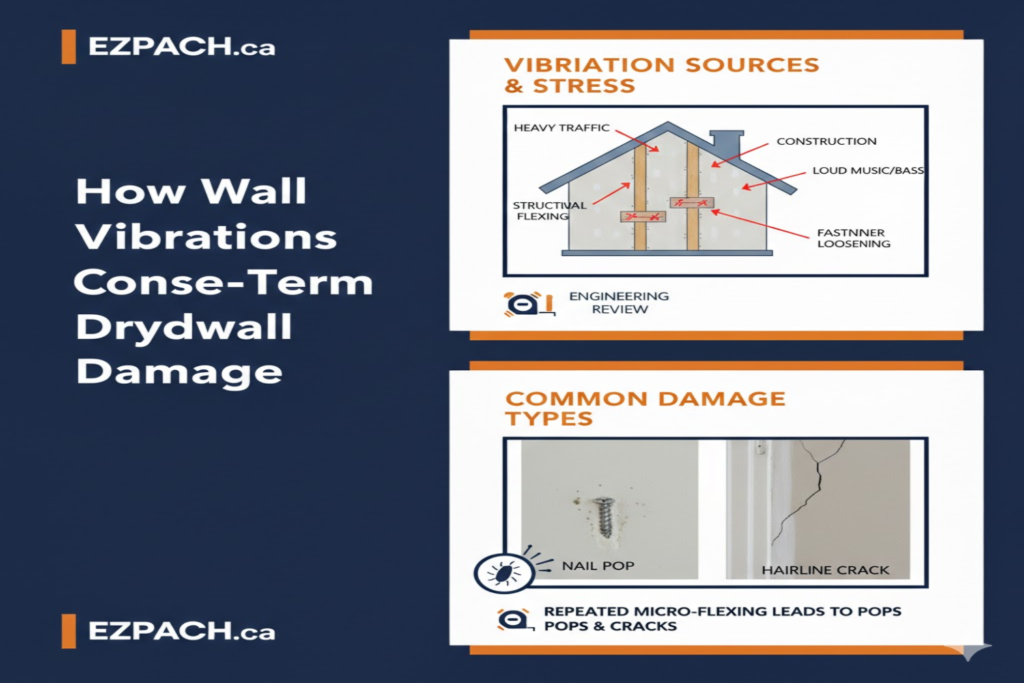
Wall vibrations can originate from multiple sources, both internal and external. Understanding these sources is the first step in preventing drywall damage.
Internal Causes
Internal causes often include household appliances and activities that generate vibrations. For example, washing machines, HVAC units, and heavy foot traffic can transfer energy to walls, gradually weakening the drywall. Even loud music or speakers mounted on walls can contribute to micro-vibrations over time.
External Causes
External factors include nearby construction, traffic vibrations, or industrial activity. Prolonged exposure to these vibrations can exacerbate drywall stress, leading to cracks and loose seams. Homes near busy roads or railway lines are particularly susceptible.
Types of Drywall Damage from Vibrations
Vibrations can cause a variety of visible and hidden damage to drywall.
Cracks and Fissures
Repeated vibrations create tiny stress points in drywall joints and panels. These stress points can develop into noticeable cracks, often starting around door frames, windows, and corners. Over time, cracks may expand, affecting both aesthetics and structural integrity.
Loose Fasteners
Vibrations can loosen screws and nails holding drywall in place. Loose fasteners reduce wall stability, causing sections to bow or sag. This damage may not be immediately visible but can worsen over time, especially in high-vibration areas.
How Frequency and Intensity Affect Damage
Not all vibrations cause the same level of damage; both frequency and intensity play critical roles.
High-frequency vibrations, such as those from power tools or small machinery, tend to cause micro-cracking. These are tiny cracks that may not be visible immediately but accumulate over the years, weakening the drywall structure.
Low-frequency vibrations, like those from nearby traffic, may not crack drywall immediately but can loosen joints and fasteners. Even small, consistent vibrations can have a cumulative effect, eventually leading to sagging panels.
Signs of Vibration-Induced Drywall Damage
Recognizing the signs of damage early is crucial for timely repairs.
Visible Cracks
Cracks appearing along seams, corners, or near outlets often indicate vibration-related stress. These cracks may widen gradually over time if vibrations continue.
Bulging or Sagging Walls
Bulges or uneven wall surfaces are a result of drywall panels detaching slightly from studs due to vibrations. This indicates a more severe problem than simple surface cracks.
Loose Fixtures
Pictures, shelves, and mounted fixtures that frequently come loose or tilt may suggest wall instability. Vibrations can subtly compromise the anchoring points, signaling structural issues.
Long-Term Effects on Drywall Integrity
Continuous exposure to vibrations does more than cause superficial damage.
Weakened Wall Structure
Even if cracks are repaired superficially, the underlying drywall may remain weakened. This structural compromise can reduce the wall’s load-bearing capability, affecting cabinets, shelves, and other mounted objects.
Increased Maintenance Costs
Homes exposed to ongoing vibrations often require more frequent inspections and repairs. Over time, these costs can accumulate, making preventative measures a better investment than reactive repairs.
Reduced Property Value
Persistent drywall damage can negatively impact a home’s resale value. Visible cracks, sagging walls, and frequent repairs are red flags for buyers, signaling potential hidden structural issues.
Preventive Measures for Vibration Damage
Taking steps to mitigate vibration effects is crucial for drywall longevity.
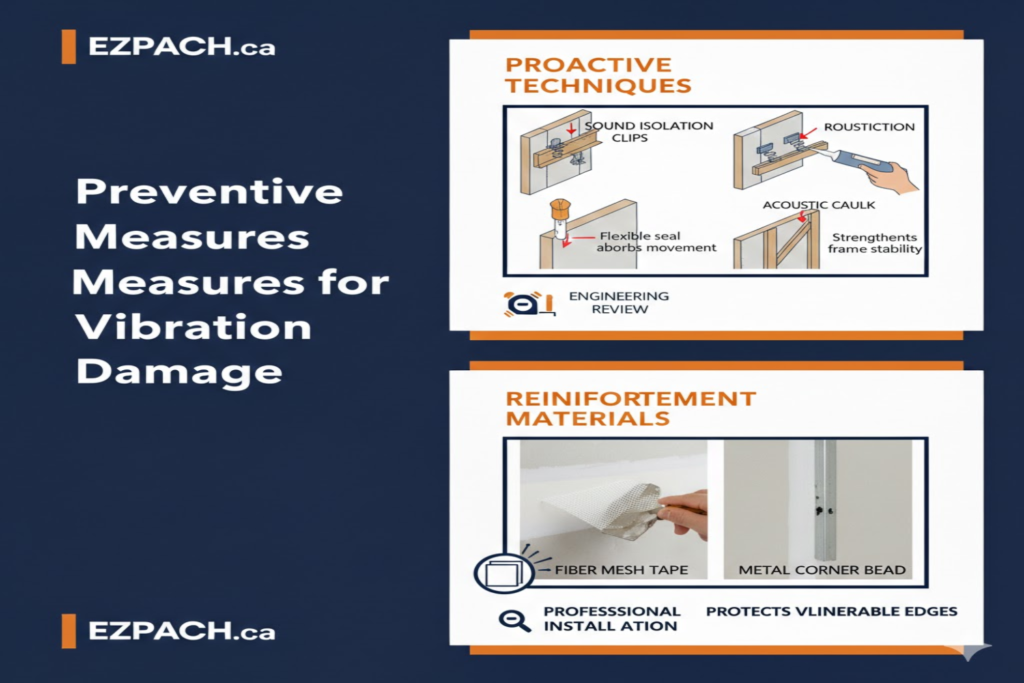
- Install vibration dampeners: Use isolation pads for appliances or machinery to reduce wall impact.
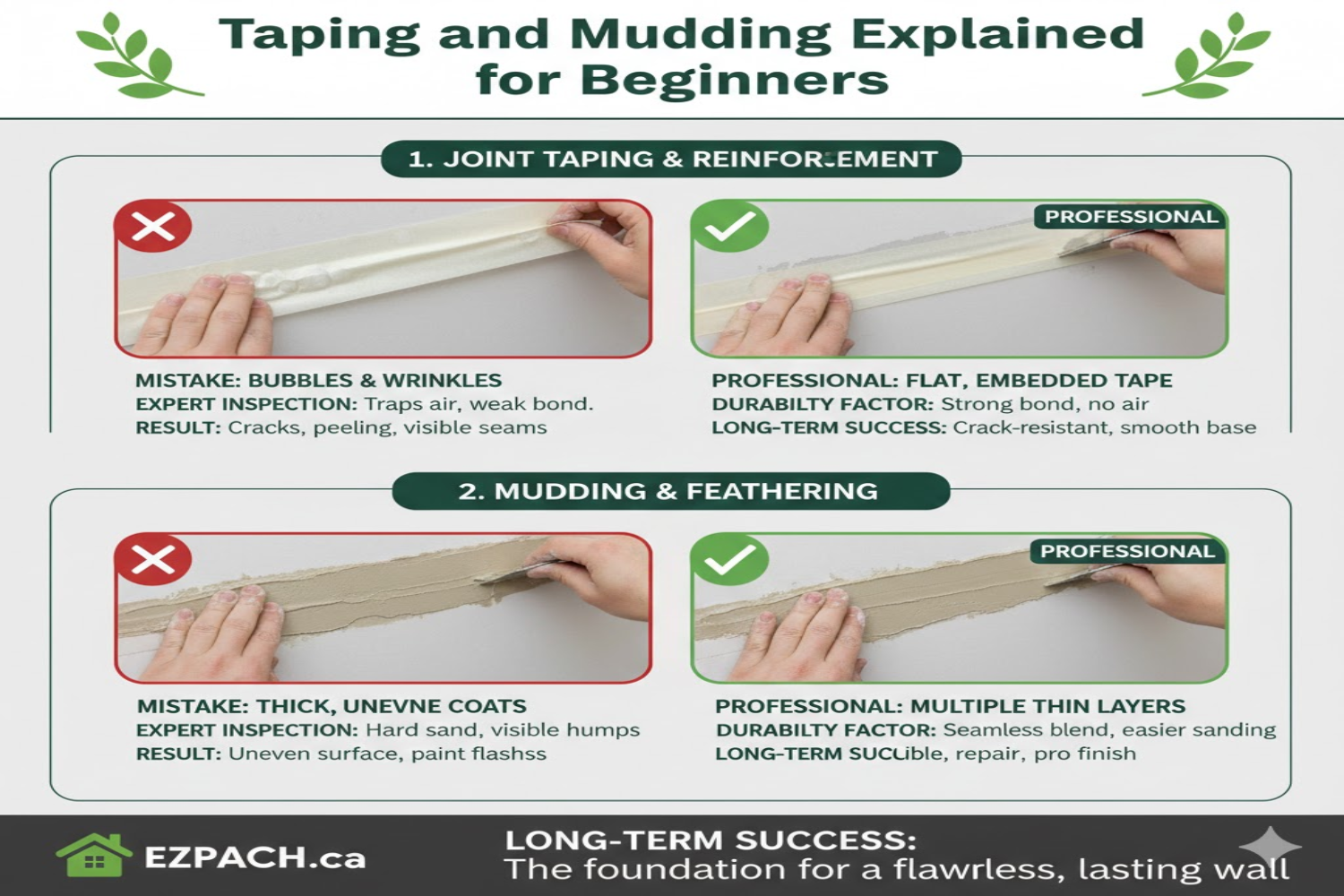
- Reinforce drywall joints: Use stronger fasteners and high-quality joint compounds to increase durability.
- Monitor vibration sources: Identify and minimize activities that cause excessive vibrations.
- Regular inspections: Conduct periodic checks for cracks, bulges, or loose fasteners.
- Structural reinforcement: In high-vibration areas, consider adding additional studs or braces to stabilize drywall panels.
Role of Professional Assessment
Sometimes, a professional evaluation is necessary, especially in areas prone to heavy vibrations.
Structural Engineers
Structural engineers can identify potential weaknesses and recommend reinforcement solutions. They may use vibration sensors to measure stress levels and predict future damage patterns.
Contractors
Experienced drywall contractors can repair existing damage and implement preventative measures. They may also advise on better materials or installation techniques to reduce future vibration-related issues.
Repairing Vibration-Damaged Drywall
Repair approaches vary depending on the severity of the damage.
Minor Cracks
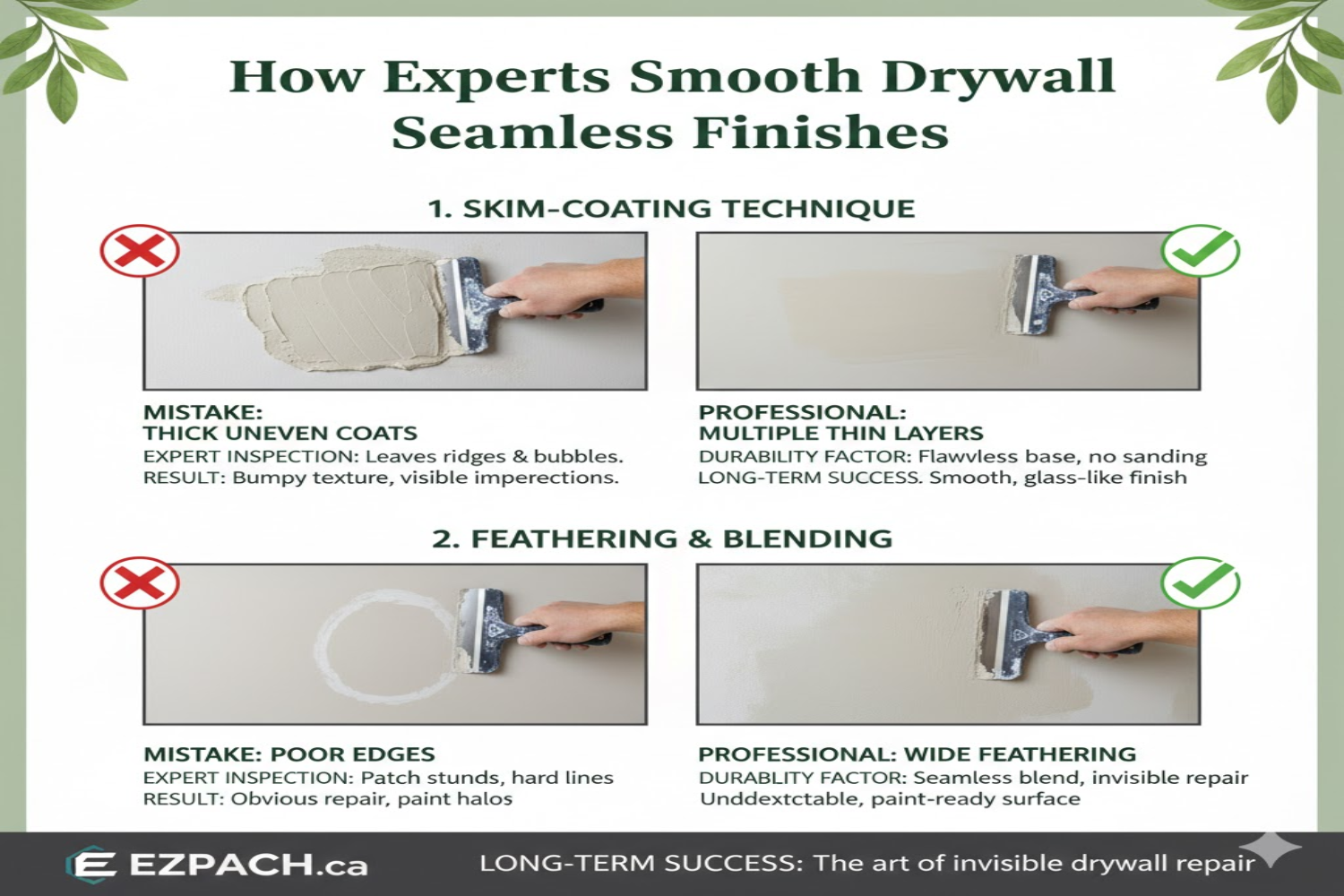
For small cracks, filling with joint compound and sanding smooth is usually sufficient. This method restores appearance but does not necessarily reinforce underlying wall strength.
Major Damage
Severe sagging, loose panels, or widespread cracking may require partial drywall replacement. Reinforcing the studs and re-securing panels ensures long-term stability and prevents recurring issues.
Preventative Reinforcement
Applying additional screws, adhesive, or corner braces during repair can extend the wall’s lifespan. This proactive approach minimizes the chance of future vibration-related damage.
Materials and Installation Practices
The choice of drywall material and installation techniques greatly influences resistance to vibrations.
- High-density drywall: Denser panels better withstand micro-vibrations without cracking.
- Proper fastening: Screws spaced correctly and firmly anchored reduce the risk of loose panels.
- Joint reinforcement: Use of fiberglass mesh tape or multiple joint compound layers increases durability.
- Double-layered drywall: In high-vibration zones, two layers of drywall can help absorb shocks and reduce damage.
Quick Preventive Checklist
- Install vibration-absorbing pads for appliances.
- Inspect drywall for micro-cracks regularly.
- Reinforce joints with mesh tape and high-quality compound.
- Use high-density or double-layer drywall in critical areas.
- Secure loose fixtures and fasteners immediately.
Conclusion
Wall vibrations are a subtle but significant threat to drywall integrity. Even minor, consistent vibrations can cause cracks, loosen fasteners, and compromise structural stability over time. Early recognition and proactive reinforcement can prevent costly repairs and preserve wall aesthetics.
Understanding the sources and effects of wall vibrations allows homeowners and professionals to implement effective mitigation strategies. Investing in proper materials, installation techniques, and preventative measures ensures that drywall remains durable and long-lasting.
FAQs
1. Can wall vibrations affect painted surfaces?
Yes, vibrations can cause micro-cracks in paint layers, leading to peeling or flaking over time. Regular repainting may be needed if vibrations persist.
2. Are metal studs more resistant to vibrations than wood?
Metal studs are generally more rigid and may transmit vibrations differently, but they are not immune to drywall cracking. Reinforcement is still essential.
3. How can I test if wall vibrations are severe?
Small accelerometers or vibration sensors can measure intensity. Repeated high readings indicate a higher risk for drywall damage.
4. Do floor vibrations affect only the lower walls?
No, vibrations travel through the structure, affecting both lower and upper walls, as well as ceilings.
5. Will thicker drywall resist vibrations better?
Yes, thicker or high-density drywall absorbs energy more effectively, reducing the likelihood of cracks.
6. Can furniture movement cause drywall damage?
Frequent shifting of heavy furniture against walls may create micro-vibrations. Over time, this can loosen fasteners or cause minor cracks.
7. Is vibration damage covered by home insurance?
Most standard policies do not cover gradual vibration damage; only sudden events like earthquakes may be covered.
8. How often should I inspect walls for vibration damage?
Inspection every 6–12 months is recommended, especially in high-vibration areas or near heavy traffic.
Drywall Repair Halifax
EZ Patch offers clean, professional drywall, ceiling, plaster, and water damage repair services in Halifax with minimal mess and long-lasting results.
EZ Patch – Drywall Repair Experts
Trusted drywall repair professionals serving Halifax and nearby areas.
Drywall Patch & Repair
Seamless drywall repairs for holes, cracks, dents, and damaged walls.
Ceiling Repairs
Professional ceiling repair services for stains, cracks, and water damage.
Drywall Installation
Complete drywall installation services for renovations and new builds.
Taping & Mudding
Smooth, paint-ready wall finishes by expert drywall finishers.
Plaster Repair Experts
Precision plaster repair services while maintaining original wall texture.
Water Damage Repair
Drywall and ceiling restoration for properties affected by water damage.
Texture Matching
Accurate texture blending so repaired areas match existing finishes.
Installation, Repair & Removal
End-to-end drywall installation, repair, and removal solutions.