Drywall damage is one of the most common household issues, whether caused by accidental impacts, nail holes, furniture movement, or minor water exposure. Small holes and cracks may seem insignificant at first, but if left unrepaired, they can grow larger and affect the overall appearance of your walls. Knowing how to choose the right drywall patch kit is essential for achieving professional-looking repairs without unnecessary effort or expense.
Choosing the wrong drywall patch kit can lead to poor adhesion, visible repairs, or cracks reappearing over time. Different drywall damages require different repair solutions, and not all patch kits are created equal. By understanding how to choose the right drywall patch kit, homeowners can save time, reduce frustration, and ensure long-lasting wall repairs that blend seamlessly with existing surfaces.
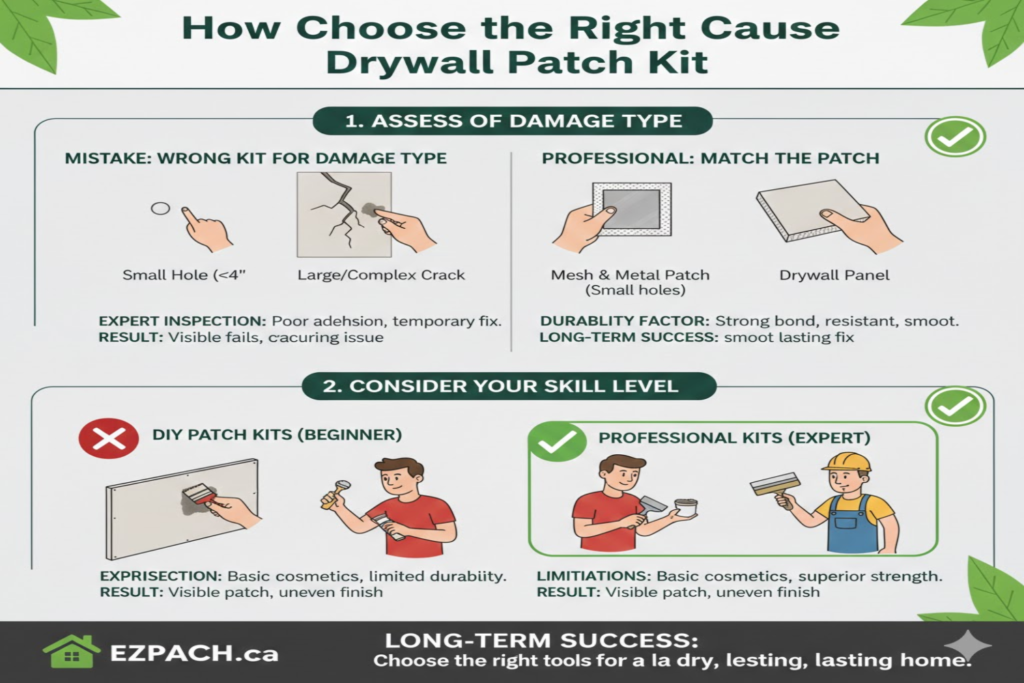
Understanding What a Drywall Patch Kit Is
A drywall patch kit is a pre-packaged repair solution designed to fix holes, cracks, and dents in drywall surfaces. These kits typically include patch material, joint compound, and sometimes tools such as a putty knife. They are meant to simplify repairs for beginners and homeowners with limited experience.
Drywall patch kits come in various sizes and types, each suited for specific kinds of damage. Some kits are intended for small nail holes, while others are designed for larger wall openings. Understanding what a drywall patch kit includes helps you decide whether it matches your repair needs.
Why Choosing the Right Drywall Patch Kit Matters
Selecting the correct drywall patch kit ensures durability, strength, and a smooth final finish. Using an unsuitable kit can result in weak repairs that crack, sag, or become visible after painting. This often leads to repeated repairs and additional costs.
When you choose the right drywall patch kit, the repair integrates better with the surrounding wall. It also reduces the need for advanced tools or professional assistance. Proper selection improves both the structural integrity and aesthetic appearance of your walls.
Types of Drywall Damage You Need to Repair
Drywall damage can vary widely in size and severity, and each type requires a different repair approach. Identifying the type of damage is the first step in choosing the right drywall patch kit. Using the wrong kit for the damage type can compromise the repair.
Some damage is purely cosmetic, while other issues affect the drywall’s structural stability. Understanding the nature of the damage allows for better decision-making.
Small Nail and Screw Holes
Small holes caused by nails or screws are common in residential walls. These holes usually do not require reinforcement. Lightweight patch kits or spackling kits work well for this type of repair.
Medium-Sized Holes
Medium holes, often caused by door handles or furniture impacts, require stronger support. Mesh patch kits are ideal for these situations. They provide reinforcement and prevent cracking.
Large Holes and Damaged Sections
Large holes require heavy-duty patch kits or drywall replacement. These kits often include metal patches or backing plates. They provide strength and stability for larger repairs.
Different Types of Drywall Patch Kits Available
Drywall patch kits come in several formats, each designed for specific repair scenarios. Understanding the differences helps you choose the right drywall patch kit for your project. Not all kits offer the same durability or ease of use.
Each kit type has its advantages and limitations. Selecting the correct one ensures better performance and appearance.
Spackling Patch Kits
Spackling kits are best for very small holes and surface imperfections. They are easy to apply and dry quickly. However, they lack the strength for larger repairs.
Mesh Patch Kits
Mesh patch kits include a self-adhesive fiberglass mesh. They reinforce the repair area and are ideal for medium-sized holes. These kits provide a balance between strength and ease of use.
Metal Patch Kits
Metal patch kits are designed for larger holes. They offer maximum strength and durability. These kits are often used when structural support is required.
How to Choose the Right Drywall Patch Kit Based on Hole Size
Hole size is one of the most important factors when deciding how to choose the right drywall patch kit. Using a kit that is too weak can cause the repair to fail. Conversely, using a heavy-duty kit for a small hole may be unnecessary.
Matching the patch kit to the hole size ensures efficiency and durability. It also improves the final appearance of the repair.
Small Holes (Up to 1 Inch)
For small holes, lightweight spackling kits are sufficient. These repairs are quick and require minimal sanding. They are ideal for nail holes and minor dents.
Medium Holes (1 to 6 Inches)
Medium holes benefit from mesh patch kits. These kits provide reinforcement and prevent cracking. They are suitable for accidental wall impacts.
Large Holes (Over 6 Inches)
Large holes require metal patch kits or drywall panels. These kits offer strong support. They are best for major damage or repeated stress areas.
Choosing a Drywall Patch Kit Based on Wall Location
The location of the damaged drywall plays a crucial role in choosing the right drywall patch kit. Walls in different areas of the home experience varying levels of stress and moisture. Ignoring location-specific factors can lead to failed repairs.
Some rooms require special considerations, such as moisture resistance or added durability. Choosing the appropriate kit ensures long-term success.
High-Traffic Areas
Walls in hallways or living rooms experience frequent contact. Strong mesh or metal patch kits are recommended. These kits withstand repeated impacts.
Moisture-Prone Areas
Bathrooms and kitchens are exposed to humidity. Moisture-resistant patch kits work best. They reduce the risk of mold and deterioration.
Ceilings and Vertical Surfaces
Ceiling repairs require lightweight yet strong kits. Mesh patches are often preferred. They prevent sagging due to gravity.
Material Quality and Durability Considerations
Not all drywall patch kits are made with the same quality materials. Low-quality kits may save money initially but fail over time. Material durability directly affects the lifespan of the repair.
Choosing a high-quality drywall patch kit ensures better adhesion and resistance to cracking. It also improves the overall finish after painting.
Patch Material Strength
Fiberglass mesh and metal patches provide superior strength. Paper patches are weaker and may tear. Strong materials ensure long-lasting repairs.
Joint Compound Quality
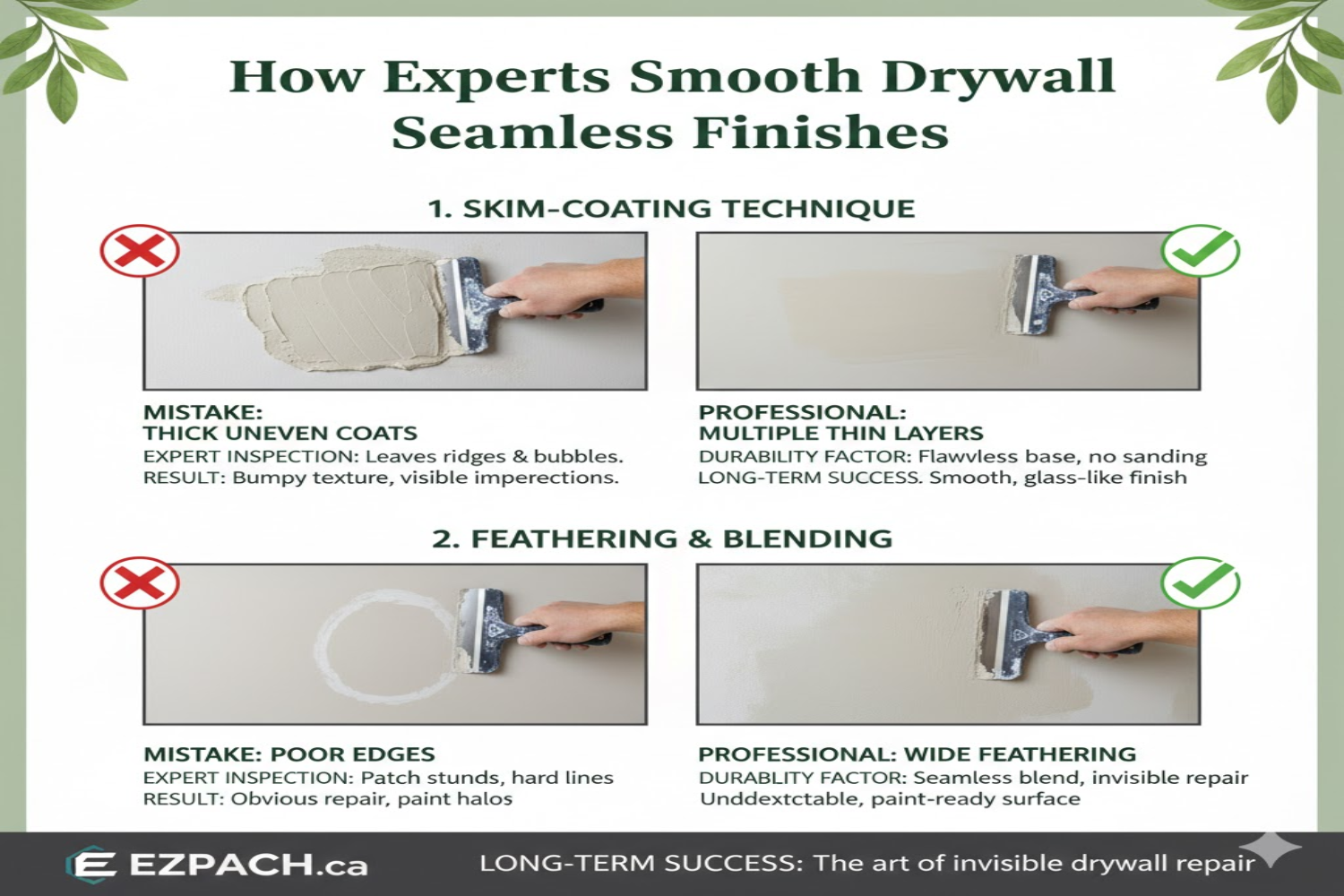
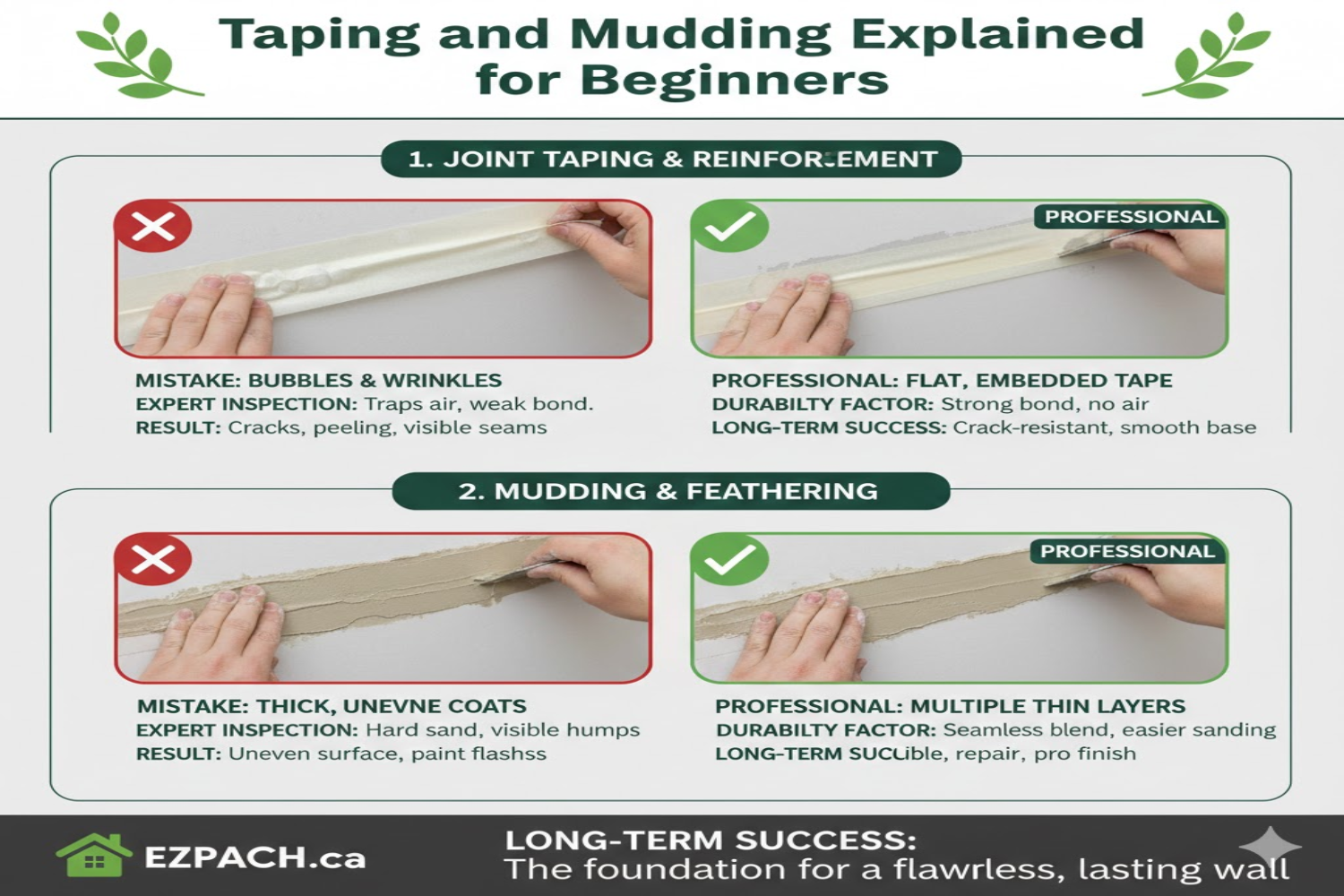
High-quality joint compound dries smoothly and resists shrinking. Cheap compounds may crack or crumble. Premium compounds provide better finishes.
Adhesive Reliability
Self-adhesive patches must bond firmly to drywall. Weak adhesives can cause patch movement. Reliable adhesion ensures repair stability.
Ease of Use and Skill Level Requirements
Your experience level should influence how to choose the right drywall patch kit. Some kits are designed for beginners, while others require advanced skills. Selecting a kit that matches your skill level prevents frustration.
User-friendly kits simplify the repair process. They reduce the need for specialized tools and techniques.
Beginner-Friendly Kits
All-in-one kits with simple instructions are ideal for beginners. They require minimal preparation. These kits often include pre-measured compounds.
Intermediate Repair Kits
Mesh patch kits require some sanding and layering skills. They offer better durability. These kits suit homeowners with basic repair experience.
Advanced Repair Kits
Metal patch kits require precision and multiple steps. They are more complex. These are best for experienced DIYers or professionals.
Tools Included vs. Tools Required Separately
Some drywall patch kits include tools, while others do not. Knowing what tools are included helps you prepare properly. Missing tools can delay your repair project.
Understanding tool requirements ensures a smooth repair process. It also affects overall cost and convenience.
Kits with Included Tools
These kits often include putty knives and sanding pads. They are convenient for quick repairs. Ideal for first-time users.
Kits Without Tools
These require separate tool purchases. They offer flexibility in tool quality. Suitable for experienced users with existing tools.
Tool Quality Considerations
Low-quality tools may affect results. Durable tools improve application and finish. Investing in good tools pays off.
Cost vs. Value When Selecting a Drywall Patch Kit
Price is an important factor, but value matters more. Cheap kits may fail and require repeat repairs. Investing in a quality kit saves money long-term.
Understanding cost versus performance helps in choosing the right drywall patch kit. Balance affordability with durability.
Budget Kits
These are suitable for very minor repairs. They may lack durability. Best for temporary fixes.
Mid-Range Kits
These offer a good balance of quality and price. They handle most household repairs. Ideal for homeowners.
Premium Kits
These provide maximum strength and finish quality. They cost more initially. Best for large or visible repairs.
Common Mistakes to Avoid When Choosing a Drywall Patch Kit
Many homeowners choose patch kits based on convenience rather than suitability. This often leads to poor results. Avoiding common mistakes ensures successful repairs.
Being informed helps prevent wasted time and materials. Proper selection leads to better outcomes.
- Choosing a kit too weak for the damage
- Ignoring moisture exposure
- Overlooking the wall location
- Selecting low-quality materials
- Underestimating repair size
Environmental and Health Considerations
Some drywall patch kits contain chemicals that emit odors or dust. These can affect indoor air quality. Choosing low-VOC products improves safety.
Eco-friendly kits are increasingly available. They offer performance without compromising health.
Low-VOC Compounds
These reduce harmful emissions. Safer for indoor use. Ideal for occupied homes.
Dust Reduction Features
Some compounds produce less dust during sanding. This improves air quality. Beneficial for allergy-sensitive individuals.
Sustainable Packaging
Eco-conscious kits use recyclable materials. They reduce environmental impact. Suitable for green renovations.
Conclusion
Choosing the right drywall patch kit is essential for achieving strong, smooth, and long-lasting wall repairs. Understanding damage size, wall location, material quality, and skill level helps homeowners make informed decisions. When you know how to choose the right drywall patch kit, you reduce repair failures and improve the final appearance.
By applying the principles discussed in this guide, homeowners can confidently tackle drywall repairs of any size. Investing in the correct kit saves time, money, and effort while ensuring professional-quality results. Learning how to choose the right drywall patch kit ultimately leads to safer, cleaner, and more durable living spaces.
FAQs
1. Can drywall patch kits be used on plaster walls?
Some kits work on plaster, but plaster-specific products are recommended. Drywall kits may not bond properly to plaster surfaces.
2. How long should I wait before painting over a drywall patch?
Most compounds require 24 hours to fully dry. Always follow the manufacturer’s instructions for best results.
3. Are drywall patch kits waterproof?
Most are not fully waterproof. Moisture-resistant kits offer better performance in humid areas.
4. Can I use one patch kit for multiple repairs?
Yes, larger kits can handle multiple small repairs. Ensure materials are stored properly between uses.
5. Do drywall patch kits expire?
Joint compounds can dry out over time. Check expiration dates and consistency before use.
6. Is sanding always required after using a patch kit?
Most repairs require light sanding for smoothness. Some quick-dry compounds minimize sanding needs.
7. Can patch kits handle textured walls?
Yes, but texture matching requires additional steps. Texture spray may be needed after repair.
8. Are professional-grade patch kits better than DIY kits?
Professional kits offer higher durability. However, DIY kits are sufficient for most household repairs.
Drywall Repair Halifax
EZ Patch offers clean, professional drywall, ceiling, plaster, and water damage repair services in Halifax with minimal mess and long-lasting results.
EZ Patch – Drywall Repair Experts
Trusted drywall repair professionals serving Halifax and nearby areas.
Drywall Patch & Repair
Seamless drywall repairs for holes, cracks, dents, and damaged walls.
Ceiling Repairs
Professional ceiling repair services for stains, cracks, and water damage.
Drywall Installation
Complete drywall installation services for renovations and new builds.
Taping & Mudding
Smooth, paint-ready wall finishes by expert drywall finishers.
Plaster Repair Experts
Precision plaster repair services while maintaining original wall texture.
Water Damage Repair
Drywall and ceiling restoration for properties affected by water damage.
Texture Matching
Accurate texture blending so repaired areas match existing finishes.
Installation, Repair & Removal
End-to-end drywall installation, repair, and removal solutions.