Home and building repairs are often seen as quick fixes, but the real difference between lasting solutions and ongoing problems lies in the quality of workmanship. When repairs are handled without proper skill, they often fail prematurely, leading to repeated damage and unnecessary costs. This is where skilled trades play a critical role in ensuring repairs are done the first time correctly.
Understanding how skilled trades prevent repeat repairs helps homeowners, property managers, and businesses make smarter decisions. Skilled professionals focus on diagnosing root causes, using proper materials, and applying proven techniques. Their approach minimizes future failures and creates repairs that are durable, reliable, and long-lasting.
How Skilled Trades Prevent Repeat Repairs Through Proper Diagnosis
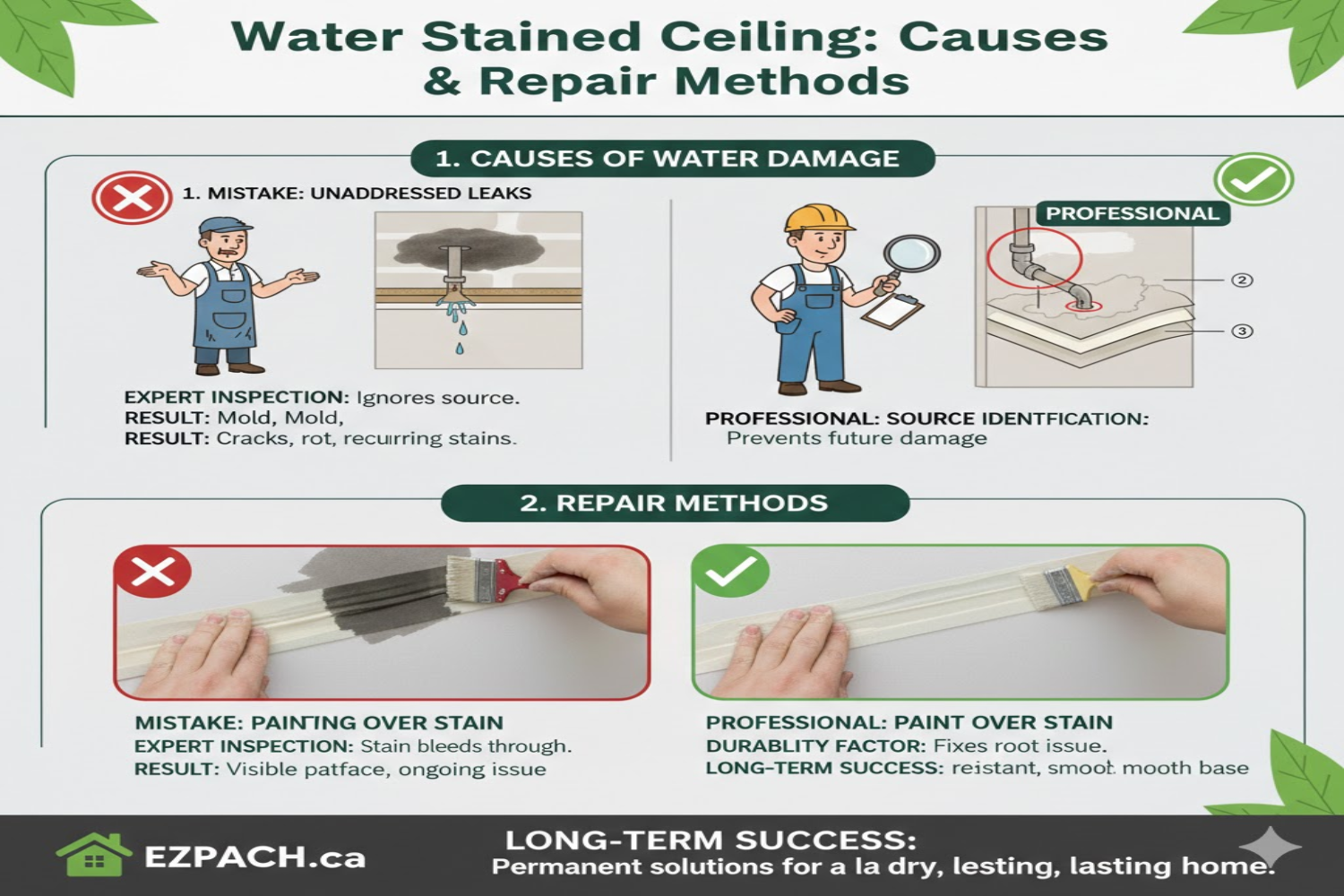
One of the main reasons repairs fail repeatedly is poor diagnosis. Skilled trades prevent repeat repairs by identifying the true cause of damage rather than treating surface-level symptoms. This ensures that repairs solve the problem completely instead of temporarily hiding it.
Professional tradespeople take time to inspect surrounding materials, structural conditions, and environmental factors. By understanding why damage occurred in the first place, they can design repairs that last longer and prevent the same issue from returning.
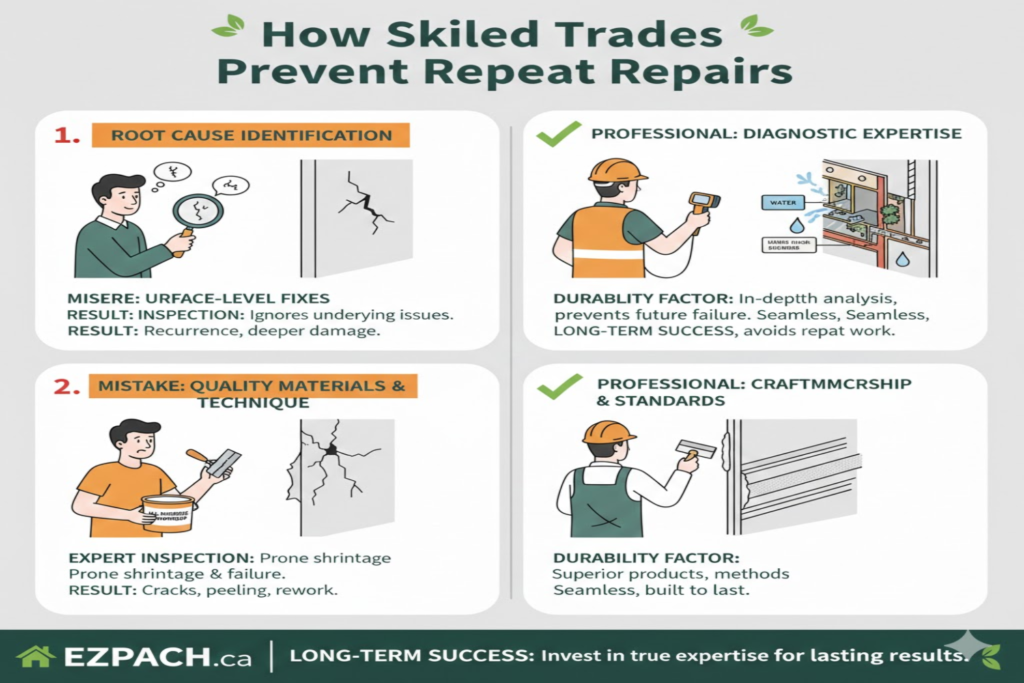
Root Cause Analysis by Skilled Trades
Skilled trades rely on experience and technical knowledge to uncover hidden issues. Instead of patching visible damage, they investigate moisture sources, structural movement, or material fatigue. This approach significantly reduces the chance of recurring problems.
When repairs are based on root cause analysis, long-term durability improves. This is one of the strongest ways skilled trades prevent repeat repairs and protect property value.
Identifying Hidden Damage
Skilled trades inspect behind walls, under flooring, and within structural elements. Hidden cracks, leaks, or weak supports are identified early. Addressing hidden damage prevents future failures that surface repairs often miss.
Understanding Material Behavior
Professionals understand how materials expand, contract, and age. This knowledge helps them choose repair methods that adapt to real-world conditions. Improper material understanding is a common cause of repeat repairs.
Evaluating Environmental Factors
Moisture, temperature changes, and usage patterns affect repairs. Skilled tradespeople evaluate these conditions before starting work. Environmental awareness helps create repairs that withstand daily stresses.
Skilled Trades and High-Quality Repair Materials
Another key reason skilled trades prevent repeat repairs is their use of proper materials. Low-quality materials may look acceptable initially but fail under normal conditions. Skilled professionals select materials designed for durability and compatibility.
High-quality materials work best when installed correctly. Skilled trades understand which materials perform well together and how to apply them for maximum lifespan.
Why Material Selection Matters in Preventing Repeat Repairs
Choosing the wrong material can cause cracking, separation, or premature wear. Skilled trades prevent repeat repairs by selecting materials suited to the specific repair environment. This ensures the repair performs as expected over time.
Professionals also avoid mixing incompatible materials, which is a common mistake in poor-quality repairs. Proper selection significantly improves repair reliability.
Compatibility Between Old and New Materials
Skilled trades match repair materials with existing structures. This prevents stress points and bonding failures. Compatibility ensures repairs blend structurally and functionally.
Durability-Focused Product Choices
Professionals choose materials designed for long-term use. These materials resist moisture, movement, and wear. Durable products reduce the need for future fixes.
Correct Application of Materials
Even the best materials fail if applied incorrectly. Skilled trades follow manufacturer guidelines and best practices. Proper application ensures materials perform as intended.
Precision Workmanship That Eliminates Weak Points
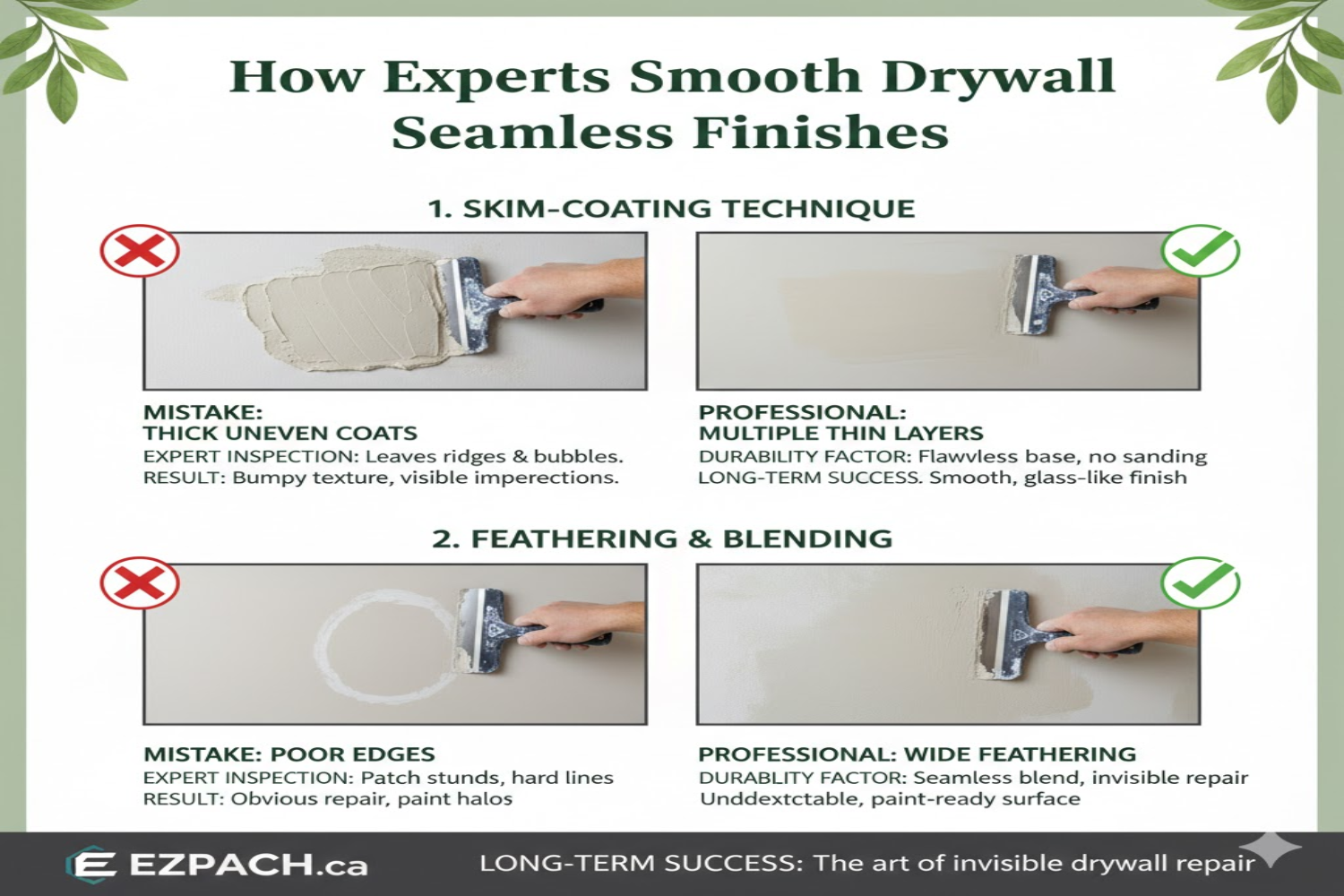
Precision is a defining trait of skilled trades. Poor workmanship often leaves gaps, uneven surfaces, or weak joints that eventually fail. Skilled trades prevent repeat repairs by eliminating these weak points during the initial repair.
Careful measurements, clean finishes, and proper alignment contribute to stronger and more reliable repairs. Precision workmanship ensures the repaired area can handle normal use without breaking down.
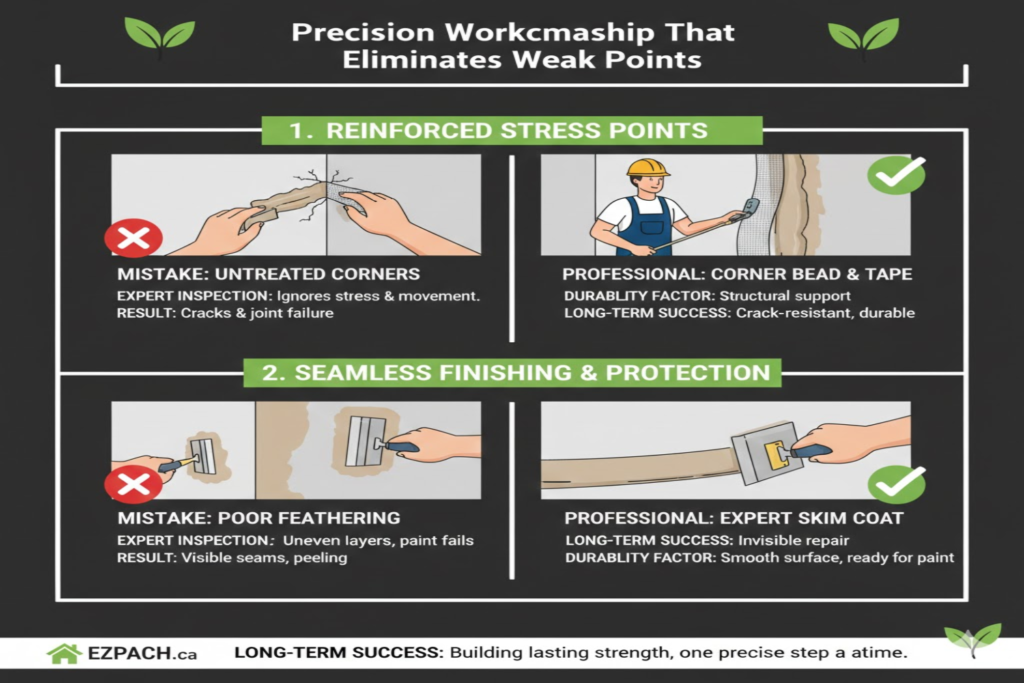
Attention to Detail in Skilled Repair Work
Small details often determine whether a repair lasts or fails. Skilled trades focus on details that others may overlook, such as edge sealing, fastening methods, and finishing layers.
This attention to detail significantly reduces stress on repaired areas. As a result, the likelihood of repeat repairs drops dramatically.
Accurate Measurements and Fit
Precise measurements ensure components fit correctly. Poor fit leads to movement and eventual failure. Skilled trades eliminate this risk through accuracy.
Secure Fastening Techniques
Professionals use the correct fasteners and spacing. This prevents loosening and structural weakness. Secure fastening adds strength and longevity.
Smooth and Consistent Finishes
Even finishes reduce stress concentrations. Uneven surfaces often crack or peel over time. Consistency improves both durability and appearance.
Skilled Trades Use Proven Repair Techniques
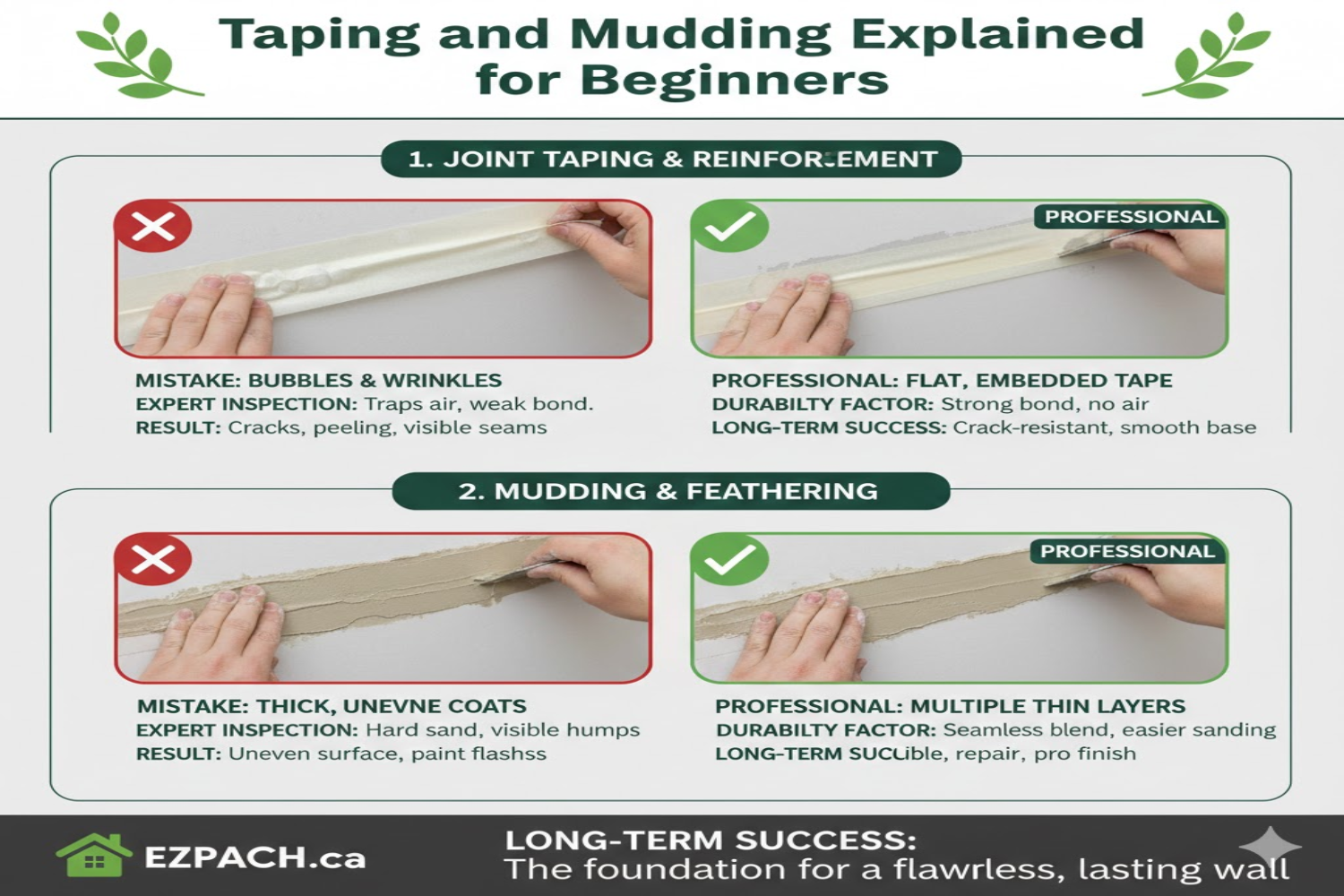
Repair techniques matter just as much as materials. Skilled trades prevent repeat repairs by using proven, industry-approved methods rather than shortcuts. These techniques are designed to handle real-world conditions.
Shortcuts may save time initially, but often fail. Skilled professionals understand that proper technique ensures repairs last longer and perform better.
The Role of Technique in Preventing Repair Failure
Using the correct technique ensures load distribution, flexibility, and adhesion. Skilled trades apply techniques based on the specific repair type and environment. This customized approach strengthens repairs.
Technique-focused repairs adapt better to movement, moisture, and usage. This adaptability is key to preventing repeat damage.
Layered Repair Methods
Skilled trades apply repairs in stages. Each layer serves a specific purpose. Layering improves strength and flexibility.
Proper Curing and Drying Time
Rushing repairs weakens materials. Skilled professionals allow proper curing time. This patience prevents cracking and failure.
Industry-Standard Repair Processes
Professionals follow tested standards. These processes are proven to last. Standards reduce the risk of mistakes.
Skilled Trades and Structural Integrity
Structural integrity is often overlooked in basic repairs. Skilled trades prevent repeat repairs by ensuring structural stability is restored, not compromised. This is essential for long-term performance.
Repairs that ignore structure may fail repeatedly. Skilled trades reinforce load-bearing elements and correct alignment issues during the repair process.
How Structural Knowledge Prevents Repeat Repairs
Understanding how structures behave under stress allows skilled trades to design stronger repairs. This knowledge helps prevent sagging, shifting, or cracking over time.
Structural awareness ensures repairs support the building rather than weakening it. This is a major factor in long-term repair success.
Reinforcing Weak Structural Areas
Professionals identify and reinforce weak points. This prevents future movement. Reinforcement improves safety and durability.
Correcting Alignment Issues
Misalignment causes ongoing stress. Skilled tradespeople realign components properly. Correct alignment reduces long-term damage.
Load Distribution Awareness
Understanding load paths prevents overloading repaired areas. Skilled trades adjust repairs accordingly. Balanced loads reduce repair failure.
Preventing Repeat Repairs Through Moisture Control
Moisture is one of the leading causes of repair failure. Skilled trades prevent repeat repairs by identifying moisture sources and addressing them properly. Simply repairing damaged areas without moisture control leads to repeated issues.
Professionals incorporate moisture barriers, sealing methods, and drainage solutions into their repairs. This protects materials and extends repair lifespan.
Why Moisture Management Matters
Moisture weakens materials, causes mold, and leads to decay. Skilled trades design repairs to manage moisture effectively. Proper moisture control prevents long-term damage and health issues.
Sealing Vulnerable Areas
Professionals seal joints and penetrations carefully. This blocks water intrusion. Sealing is critical for repair longevity.
Ventilation Improvements
Poor ventilation traps moisture. Skilled trades improve airflow when needed. Better ventilation supports durable repairs.
Use of Moisture-Resistant Materials
Professionals choose materials designed for damp environments. These materials resist decay. Material choice reduces repeat repairs.
Benefits of Skilled Trades in Preventing Repeat Repairs
- Accurate problem diagnosis, ensuring repairs address root causes
- High-quality materials, selected for durability and compatibility
- Precision workmanship, eliminating weak points and gaps
- Proven repair techniques, based on industry standards
- Structural reinforcement, ensuring long-term stability
Long-Term Cost Savings from Skilled Trades
While skilled trades may appear more expensive initially, they prevent repeat repairs that cost more over time. Poor repairs often require frequent fixes, increasing total expenses. Skilled workmanship reduces this cycle.
Investing in skilled trades saves money by extending repair lifespan. It also reduces stress and inconvenience caused by recurring issues.
Conclusion
Skilled trades play a crucial role in preventing repeat repairs by focusing on accuracy, quality, and long-term performance. Their ability to diagnose root causes, select proper materials, and apply proven techniques ensures repairs last longer and perform better. This approach eliminates the frustration of recurring damage.
Understanding how skilled trades prevent repeat repairs helps property owners make informed decisions. By choosing skilled professionals, repairs become lasting solutions rather than temporary fixes. The result is improved durability, lower costs, and greater peace of mind.
FAQs
1. Why do unskilled repairs fail repeatedly?
They often address surface damage without fixing underlying causes, leading to recurring problems.
2. How do skilled trades identify root causes?
They inspect structural, environmental, and material conditions before repairing.
3. Are skilled trades always more expensive?
Initial costs may be higher, but they reduce long-term repair expenses.
4. Can skilled trades fix previous poor repairs?
Yes, they can correct mistakes and reinforce damaged areas properly.
5. Do skilled trades use different materials?
They select materials based on durability, compatibility, and environment.
6. How does moisture affect repeat repairs?
Uncontrolled moisture causes decay and material failure over time.
7. Can skilled trades improve structural safety?
Yes, they reinforce weak areas and correct alignment issues.
8. How long do skilled repairs typically last?
When done correctly, skilled repairs last significantly longer than basic fixes.
Drywall Repair Halifax
EZ Patch offers clean, professional drywall, ceiling, plaster, and water damage repair services in Halifax with minimal mess and long-lasting results.
EZ Patch – Drywall Repair Experts
Trusted drywall repair professionals serving Halifax and nearby areas.
Drywall Patch & Repair
Seamless drywall repairs for holes, cracks, dents, and damaged walls.
Ceiling Repairs
Professional ceiling repair services for stains, cracks, and water damage.
Drywall Installation
Complete drywall installation services for renovations and new builds.
Taping & Mudding
Smooth, paint-ready wall finishes by expert drywall finishers.
Plaster Repair Experts
Precision plaster repair services while maintaining original wall texture.
Water Damage Repair
Drywall and ceiling restoration for properties affected by water damage.
Texture Matching
Accurate texture blending so repaired areas match existing finishes.
Installation, Repair & Removal
End-to-end drywall installation, repair, and removal solutions.