Wall repairs are often rushed to save time or money, but these shortcuts can lead to long-term problems. Quick fixes may seem practical, yet they frequently result in peeling, cracking, or even structural issues. Homeowners often overlook the hidden consequences, only to face costly repairs later.
Understanding the techniques and mistakes that cause recurring wall problems is essential. Knowledge about how repair shortcuts create future wall damage allows homeowners to make smarter decisions and invest in repairs that last. Avoiding shortcuts not only protects walls but also maintains the overall value of your home.
What Happens When Wall Repairs Are Rushed
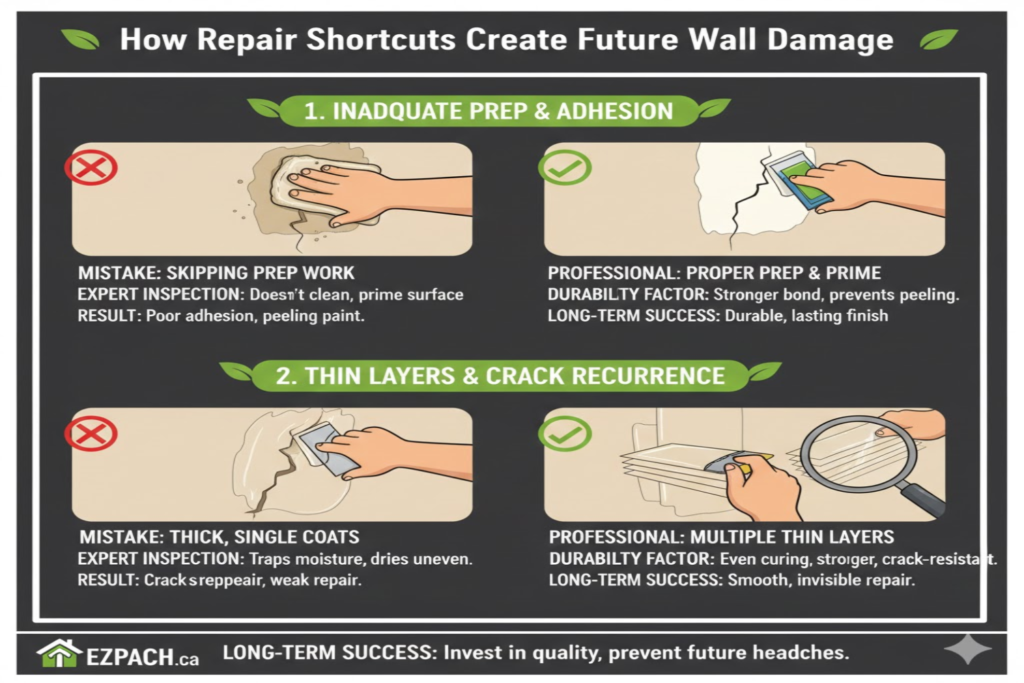
Rushing a repair compromises quality. Quick fixes often skip critical steps such as cleaning, priming, or using the correct materials. This negligence weakens adhesion and can cause surfaces to fail over time.
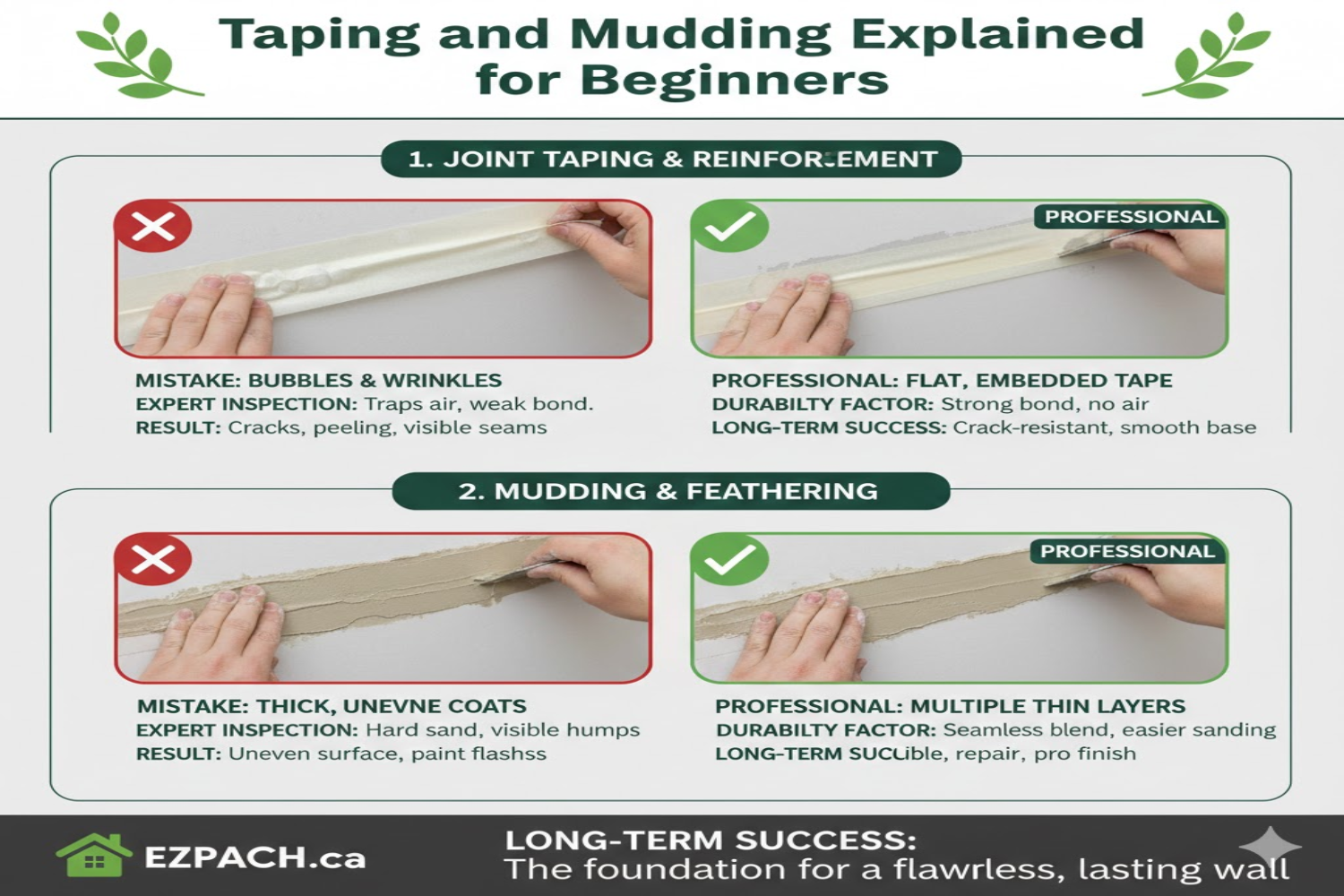
Even minor shortcuts like uneven sanding or insufficient curing can have cascading effects. Over time, these small issues lead to visible cracks, bubbles, and peeling paint. Professional repair standards emphasize that rushing is a direct path to recurring damage.
Common Consequences of Rushed Repairs
- Surface cracks appear within weeks.
- Bubbling paint due to trapped moisture.
- Loose or falling patches.
- Hidden structural weaknesses.
When Cutting Corners Leads to Mold and Moisture Damage
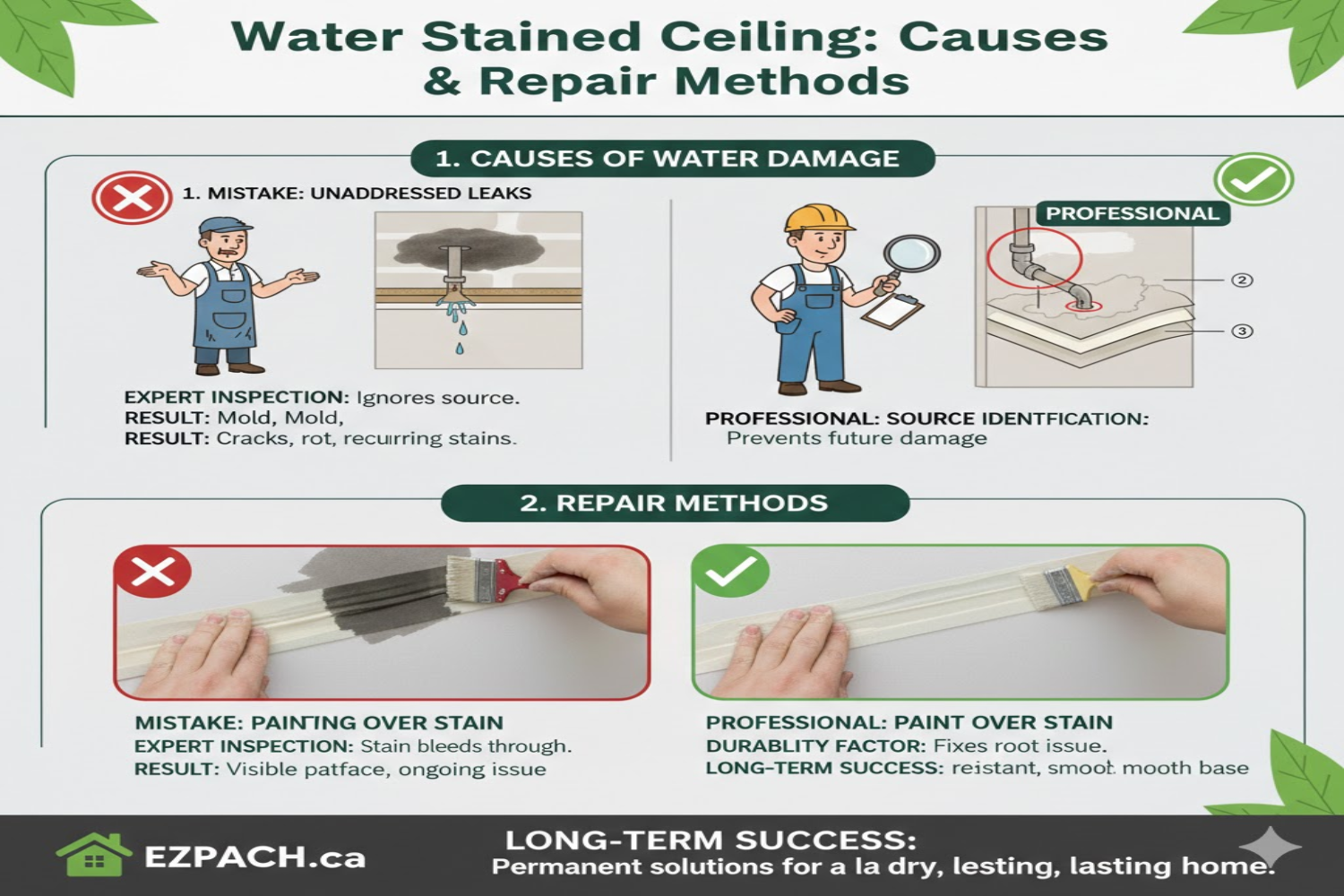
Moisture is one of the most overlooked factors in wall repair. Shortcuts like skipping leak repairs or failing to install vapor barriers create ideal conditions for mold growth. Moisture damage spreads rapidly and can weaken drywall or plaster walls.
Proper moisture management is essential for long-lasting repairs. Ignoring water intrusion or indoor humidity creates problems that no quick patch can solve.
Early Signs of Moisture Damage
- Faint water stains on walls or ceilings.
- Damp or musty odors in repaired areas.
- Bubbling or flaking paint.
- Soft or spongy wall sections.
Key Factors That Increase Future Wall Damage
Several factors contribute to long-term damage when shortcuts are used:
- Material Quality: Cheap compounds, paints, or brushes reduce durability.
- Surface Preparation: Skipping sanding, cleaning, or priming prevents proper bonding.
- Tool Choice: Using improper tools creates uneven surfaces.
- Drying Time: Applying layers too soon traps moisture and weakens repairs.
- Structural Oversight: Failing to address underlying cracks or leaks.
Ignoring these factors amplifies the risks associated with repair shortcuts. Professionals always stress that the right combination of preparation, materials, and techniques prevents repeated wall failures.
How Improper Material Use Accelerates Damage
Using substandard or mismatched materials is a common shortcut. Low-quality joint compound can crack, cheap paint peels, and mismatched primers reduce adhesion. Walls patched with inappropriate materials will fail sooner than expected.
Investing in proper materials ensures durability. Professionals choose compounds, paints, and primers specifically designed for the wall type to minimize long-term issues.
Tips for Selecting the Right Materials
- Match filler or compound to wall type (drywall, plaster, lath).
- Use primers compatible with both wall material and paint.
- Avoid expired or dried-out products.
- Invest in high-quality brushes, rollers, and putty knives.
What Shortcuts Homeowners Often Ignore
Many DIY fixes seem harmless but lead to damage:
- Skipping surface cleaning before patching.
- Applying paint over damp or unprimed walls.
- Using minimal filler on wide cracks.
- Ignoring the alignment of the patchwork.
These small oversights can compound over time, weakening the wall and causing visible defects. Proper attention at each step prevents future problems.
When Patience Makes the Difference
Drying and curing times are often underestimated. Applying paint or additional compound too soon is a common shortcut that undermines repair integrity. Walls that are not fully cured are prone to cracking, peeling, and moisture absorption.
Patience ensures the longevity of repairs. Professionals emphasize waiting for each layer to dry completely and adjusting for temperature and humidity for optimal results.
How to Avoid Uneven Surfaces and Misaligned Patches
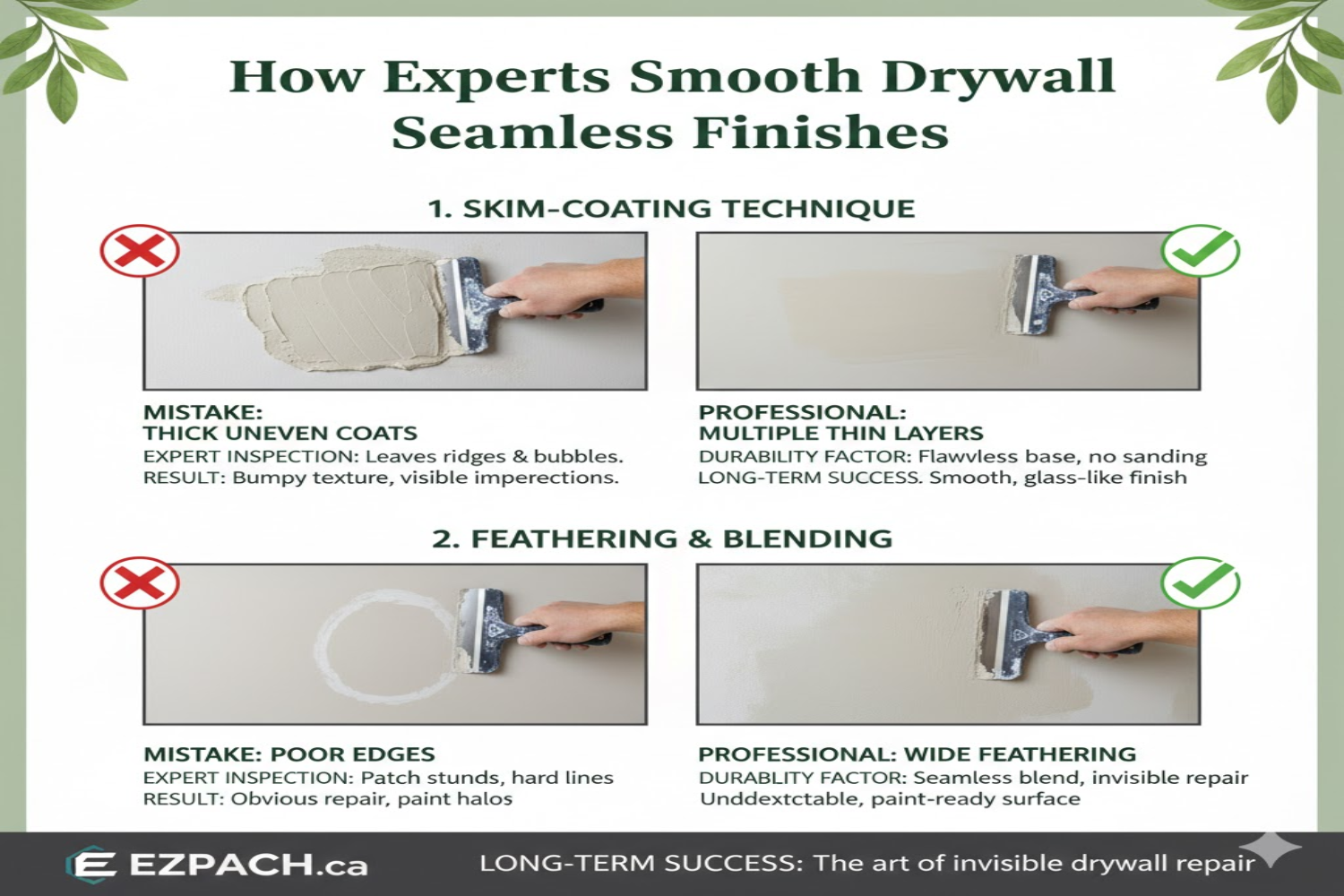
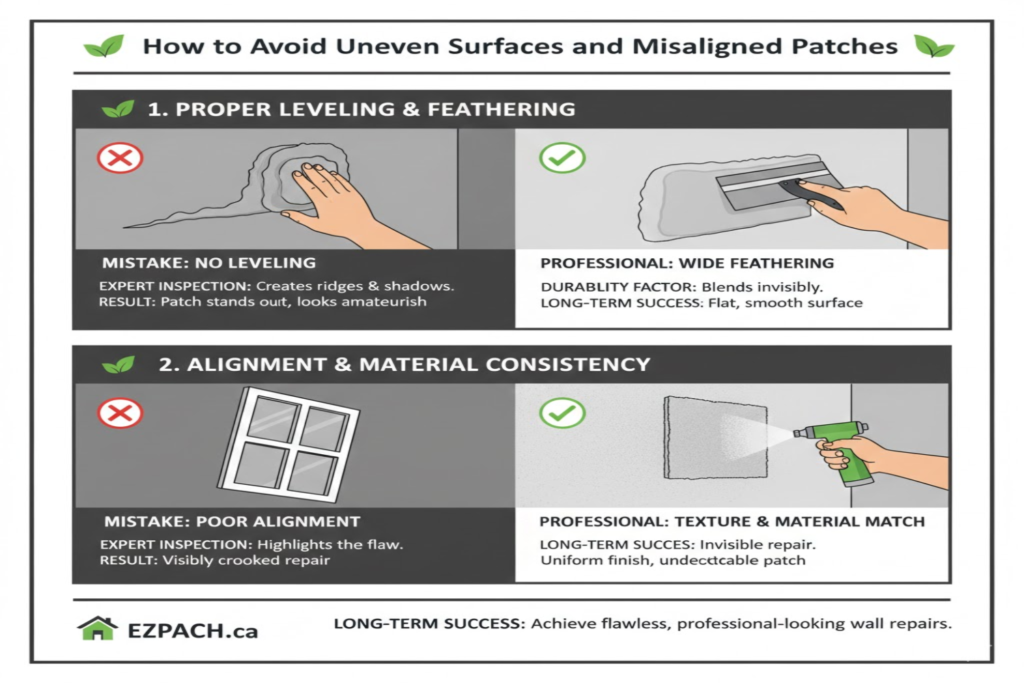
Hasty patching often leads to uneven walls. Misaligned patches, ridges, or dips are both visually unappealing and structurally weak.
Correct Alignment Techniques
- Measure and cut patches precisely.
- Level each patch before applying the compound.
- Sand between layers for smooth transitions.
- Inspect for gaps that could trap moisture.
These careful steps ensure a clean, strong, and durable wall surface.
Key Indicators of Hidden Structural Damage
Not all wall cracks are superficial. Some indicate structural issues that shortcuts cannot fix. Failing to inspect and address these problems results in repeated wall failure.
Signs of Structural Problems
- Large diagonal cracks near windows and doors.
- Walls leaning or bulging.
- Recurrent patch failure in the same area.
- Water intrusion or internal rot.
Professional evaluation is recommended for persistent or suspicious damage.
How Repair Shortcuts Create Future Wall Damage in the Long Term
Even minor shortcuts have cumulative effects. A single weak patch allows moisture and stress to compromise nearby areas, creating a domino effect. Over time, small imperfections escalate into costly wall damage.
Long-Term Damage Examples
- Peeling paint spreading beyond the repair area.
- Structural cracks are widening with time.
- Mold growth is hidden behind panels.
- Patches are loosening and falling.
Preventing shortcuts from the start is the most effective way to ensure lasting repairs.
DIY vs Professional Repairs: When It Pays to Hire Experts
While DIY repair may seem economical, shortcuts often cause future expenses. Professionals apply the correct techniques, materials, and inspection procedures to prevent recurring issues. Hiring an expert ensures walls remain both visually appealing and structurally sound.
Benefits of Professional Repairs
- Long-lasting results and reduced maintenance.
- Early detection of structural or moisture problems.
- Proper alignment and smooth finish.
- Cost savings over repeated DIY failures.
Quick Tips for Lasting Wall Repairs
- Thoroughly clean and prep surfaces.
- Select high-quality compounds, primers, and paints.
- Use proper tools for each step.
- Follow recommended drying and curing times.
- Inspect for underlying moisture or structural issues.
Conclusion
Taking shortcuts during wall repair might seem convenient, but it leads to long-term consequences. Improper materials, rushed techniques, and skipped steps result in peeling, cracking, and moisture damage. Understanding how repair shortcuts create future wall damage helps homeowners make informed decisions and avoid repeated repairs.
Investing in proper materials, preparation, and professional guidance ensures walls remain durable, smooth, and visually appealing. Avoiding shortcuts protects your home’s structural integrity and value, saving time, stress, and money in the long run.
FAQs
1. What is the most common DIY wall repair mistake?
Skipping surface preparation is the most frequent mistake, leading to poor adhesion and future cracks.
2. When should I hire a professional instead of DIY?
Hire an expert for structural cracks, large holes, or repeated repair failures. Professionals prevent long-term damage.
3. How long should wall repairs cure before painting?
Typically 24–48 hours, depending on the compound and humidity. Rushing can cause bubbles and peeling.
4. What tools are essential for proper wall repair?
High-quality putty knives, sanders, brushes, and rollers ensure smooth, durable results.
5. Which materials cause the least future wall damage?
High-grade joint compound, primers, and paints designed for your wall type reduce recurring problems.
6. How does moisture affect patched walls?
Moisture behind walls causes bubbling, mold growth, and weakens repairs over time.
7. What signs indicate a patch will fail soon?
Uneven surfaces, peeling edges, or soft spots suggest weak adhesion and potential failure.
8. Can small cracks turn into serious damage if ignored?
Yes, even minor cracks can widen, trap moisture, and lead to structural problems over time.
Drywall Repair Halifax
EZ Patch offers clean, professional drywall, ceiling, plaster, and water damage repair services in Halifax with minimal mess and long-lasting results.
EZ Patch – Drywall Repair Experts
Trusted drywall repair professionals serving Halifax and nearby areas.
Drywall Patch & Repair
Seamless drywall repairs for holes, cracks, dents, and damaged walls.
Ceiling Repairs
Professional ceiling repair services for stains, cracks, and water damage.
Drywall Installation
Complete drywall installation services for renovations and new builds.
Taping & Mudding
Smooth, paint-ready wall finishes by expert drywall finishers.
Plaster Repair Experts
Precision plaster repair services while maintaining original wall texture.
Water Damage Repair
Drywall and ceiling restoration for properties affected by water damage.
Texture Matching
Accurate texture blending so repaired areas match existing finishes.
Installation, Repair & Removal
End-to-end drywall installation, repair, and removal solutions.