In the world of professional repairs, ensuring consistent quality is not just a goal—it is a standard that defines the reputation of businesses. Quality control is the backbone of every repair process, from simple household fixes to complex industrial repairs. Without a rigorous quality control system, even the most skilled technicians may deliver substandard results that fail to meet client expectations.
Professional repair companies implement quality control measures at every stage to maintain high standards. These measures help identify potential issues early, minimize errors, and ensure that repairs are both reliable and durable. Understanding how quality control works in professional repairs provides clients with confidence and helps businesses maintain long-term success in a competitive market.
The Importance of Quality Control in Repairs
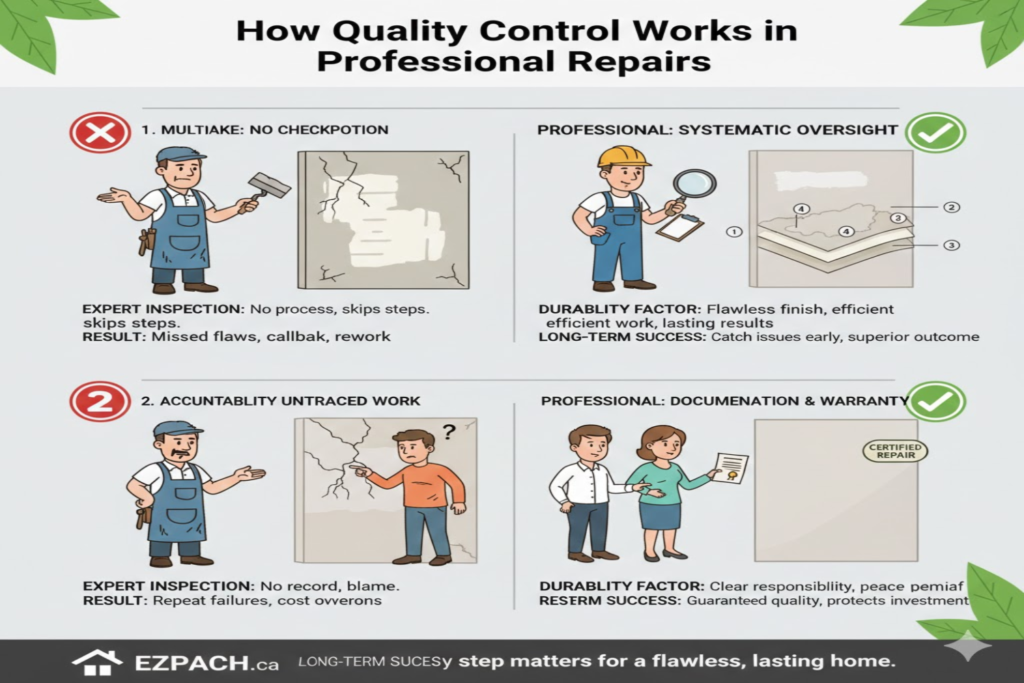
Quality control is crucial for ensuring repairs are completed efficiently and effectively. It establishes benchmarks that technicians must meet to guarantee client satisfaction. Without quality control, repairs may lead to recurring problems, increased costs, and customer dissatisfaction.
Moreover, a strong quality control system fosters trust between service providers and clients. It ensures that all repairs comply with industry standards, safety regulations, and manufacturer guidelines. Professional repair companies rely on quality control to maintain their credibility and reduce liability risks.
Key Components of a Quality Control System
A robust quality control system in professional repairs involves multiple interconnected components.
Standardized Procedures
Every repair task follows a standardized procedure to maintain consistency. These procedures outline step-by-step instructions, the tools required, and safety protocols. Technicians trained on these procedures are less likely to make mistakes, ensuring repairs are reliable.
Inspection and Testing
Inspection involves evaluating the repair work at various stages to detect defects or deviations. Testing ensures that repaired items function properly under normal conditions. Together, inspection and testing form the core of quality assurance in professional repairs.
Documentation and Reporting
Accurate documentation records every repair step, materials used, and test results. This allows companies to track performance, identify recurring issues, and implement improvements. Reporting also provides clients with transparency and builds trust.
How Professionals Assess Repair Quality
Assessing repair quality is more than a final check—it is an ongoing process throughout the repair lifecycle.
Initial Assessment
Technicians start by assessing the extent of the damage and planning the repair process. Proper evaluation helps prevent incomplete or unnecessary repairs. It ensures that resources are allocated efficiently.
Continuous Monitoring
During repairs, professionals monitor progress to ensure compliance with procedures. Continuous monitoring allows for early detection of potential errors or safety hazards. This proactive approach reduces the need for costly rework.
Final Inspection
The final inspection evaluates the repaired item’s performance and appearance. It confirms that the repair meets predefined quality standards and client expectations. A successful inspection ensures the repair is durable, safe, and effective.
Tools and Technologies in Quality Control
Modern repair industries rely heavily on advanced tools and technologies to enhance quality control.
- Diagnostic Software: Detects underlying problems in electronic and mechanical systems.
- Precision Measurement Tools: Ensure parts are aligned and installed correctly.
- Automated Testing Equipment: Validates functionality and performance before final approval.
- Data Logging Systems: Record repair processes for future analysis and improvement.
- Quality Management Software (QMS): Streamlines inspections, reporting, and compliance tracking.
These technologies reduce human error and increase the efficiency and accuracy of repairs.
Training and Certification of Technicians
Quality control heavily depends on the skill and knowledge of technicians.
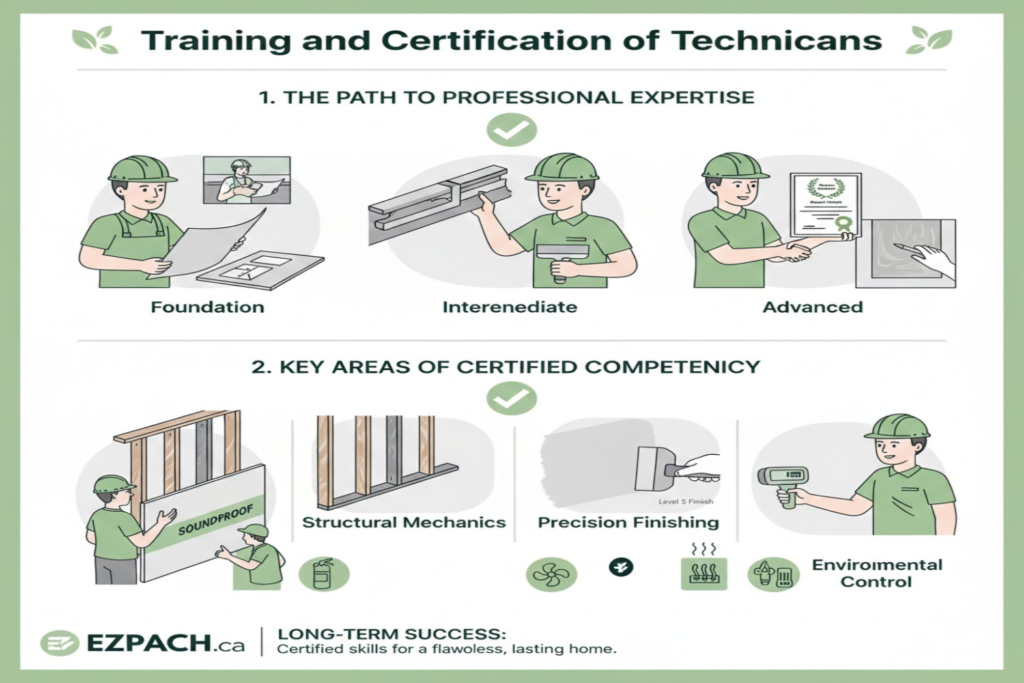
Professional repair technicians undergo extensive training to handle various repair scenarios. Certification programs ensure that technicians meet industry standards and are up-to-date with best practices. Well-trained technicians are better equipped to follow quality control protocols, minimizing mistakes and enhancing overall repair quality.
Continuing Education
Ongoing training programs keep technicians informed about new repair techniques and technological advancements. Regular assessments evaluate their knowledge and adherence to quality control standards.
Safety Compliance
Training also covers safety protocols to prevent workplace accidents. Adhering to safety standards protects both employees and clients.
Common Challenges in Maintaining Quality
Even professional repair companies face challenges in quality control.
Inconsistent Processes
Without strict adherence to standardized procedures, repair quality can vary. Inconsistent processes lead to repeated mistakes and reduced client satisfaction.
Time Pressures
Repair deadlines may force technicians to rush, compromising quality. Balancing speed and accuracy is critical to maintaining standards.
Limited Resources
Shortages of tools, parts, or skilled labor can hinder effective quality control. Companies must plan resources carefully to avoid compromising repair outcomes.
Human Error
Even experienced technicians may make mistakes under fatigue or stress. Continuous monitoring and inspections help minimize human error.
Quality Control Techniques for Different Repair Types
Different repair types require specific quality control techniques.
Electronics Repairs
- Use of diagnostic software to detect faults.
- Testing circuits after repair to ensure functionality.
- Visual inspection for soldering and component placement.
Automotive Repairs
- Alignment and calibration of mechanical parts.
- Road testing to confirm vehicle performance.
- Safety checks for braking, steering, and suspension systems.
Home Repairs
- Material inspection to prevent substandard replacements.
- Checking measurements and fit for cabinetry, flooring, and fixtures.
- Functionality testing for plumbing, HVAC, and electrical systems.
Benefits of Implementing Strong Quality Control
Implementing strong quality control practices provides numerous benefits for professional repair companies.
Enhanced Customer Satisfaction
High-quality repairs lead to satisfied clients and repeat business. Customers value reliability and trustworthiness.
Reduced Costs and Wastage
By catching errors early, quality control minimizes rework and wasted materials. This increases operational efficiency and reduces costs.
Compliance with Industry Standards
Following strict quality control ensures compliance with local regulations, safety standards, and manufacturer recommendations.
Improved Reputation
Consistently high repair quality enhances a company’s reputation in the market, attracting more clients.
Steps to Establish a Quality Control Process
Creating an effective quality control process requires careful planning and execution.
- Define Quality Standards: Set measurable standards for all repair types.
- Train Technicians: Ensure staff are skilled and certified to meet standards.
- Implement Checkpoints: Monitor repair work at critical stages.
- Conduct Inspections: Evaluate the outcome against benchmarks.
- Document Processes: Maintain records for accountability and improvement.
Tips for Clients to Ensure Quality Repairs
Clients can also play a role in ensuring repair quality.
- Choose certified repair professionals.
- Ask about quality control procedures before repair begins.
- Inspect repairs and request detailed reports.
- Schedule regular maintenance to prevent recurring issues.
- Provide feedback to repair companies to improve service.
Challenges of Modern Quality Control
Modern repair industries face evolving challenges in maintaining quality.
- Increased complexity of electronics and machinery.
- Pressure to reduce costs while maintaining high standards.
- Supply chain issues affecting parts and materials.
- Demand for faster turnaround times without compromising quality.
Despite these challenges, professional companies succeed by integrating technology, training, and robust monitoring systems.
Conclusion
Quality control in professional repairs is an essential component of successful service delivery. It ensures that repairs are performed accurately, safely, and consistently, protecting both clients and service providers. Implementing rigorous quality control protocols improves efficiency, reduces errors, and builds trust between businesses and customers.
A well-executed quality control system requires skilled technicians, proper tools, continuous monitoring, and adherence to industry standards. By understanding how quality control works in professional repairs, clients can make informed decisions and ensure their investments are protected. Ultimately, quality control transforms repairs from a simple task into a guarantee of reliability and excellence.
Frequently Asked Questions (FAQs)
Q1: How often should quality inspections be conducted in repairs?
Inspections should be conducted at every critical stage of the repair process. This ensures that errors are caught early.
Q2: Can quality control prevent all repair failures?
While it significantly reduces risks, no system can guarantee 100% prevention. Continuous monitoring and follow-ups improve reliability.
Q3: Are all technicians required to be certified for quality repairs?
Certified technicians are preferred, especially for specialized repairs. Certification ensures adherence to industry standards.
Q4: How does technology improve repair quality control?
Advanced tools and software detect issues early and provide precise diagnostics. They reduce human error and enhance efficiency.
Q5: What should a client look for in a repair service’s quality control?
Clients should check for documented procedures, inspection processes, and technician certifications. Transparent reporting is a key indicator.
Q6: Is quality control only about inspections?
No, it also includes standardized procedures, training, documentation, and continuous monitoring. Inspections are just one part of a comprehensive system.
Q7: How do companies handle human errors in repairs?
Human errors are mitigated through training, supervision, and multiple checkpoints during repairs. Feedback loops help prevent recurrence.
Q8: Does quality control increase repair costs?
While it may add minor upfront costs, it reduces long-term expenses by preventing rework and material wastage.
Drywall Repair Halifax
EZ Patch offers clean, professional drywall, ceiling, plaster, and water damage repair services in Halifax with minimal mess and long-lasting results.
EZ Patch – Drywall Repair Experts
Trusted drywall repair professionals serving Halifax and nearby areas.
Drywall Patch & Repair
Seamless drywall repairs for holes, cracks, dents, and damaged walls.
Ceiling Repairs
Professional ceiling repair services for stains, cracks, and water damage.
Drywall Installation
Complete drywall installation services for renovations and new builds.
Taping & Mudding
Smooth, paint-ready wall finishes by expert drywall finishers.
Plaster Repair Experts
Precision plaster repair services while maintaining original wall texture.
Water Damage Repair
Drywall and ceiling restoration for properties affected by water damage.
Texture Matching
Accurate texture blending so repaired areas match existing finishes.
Installation, Repair & Removal
End-to-end drywall installation, repair, and removal solutions.