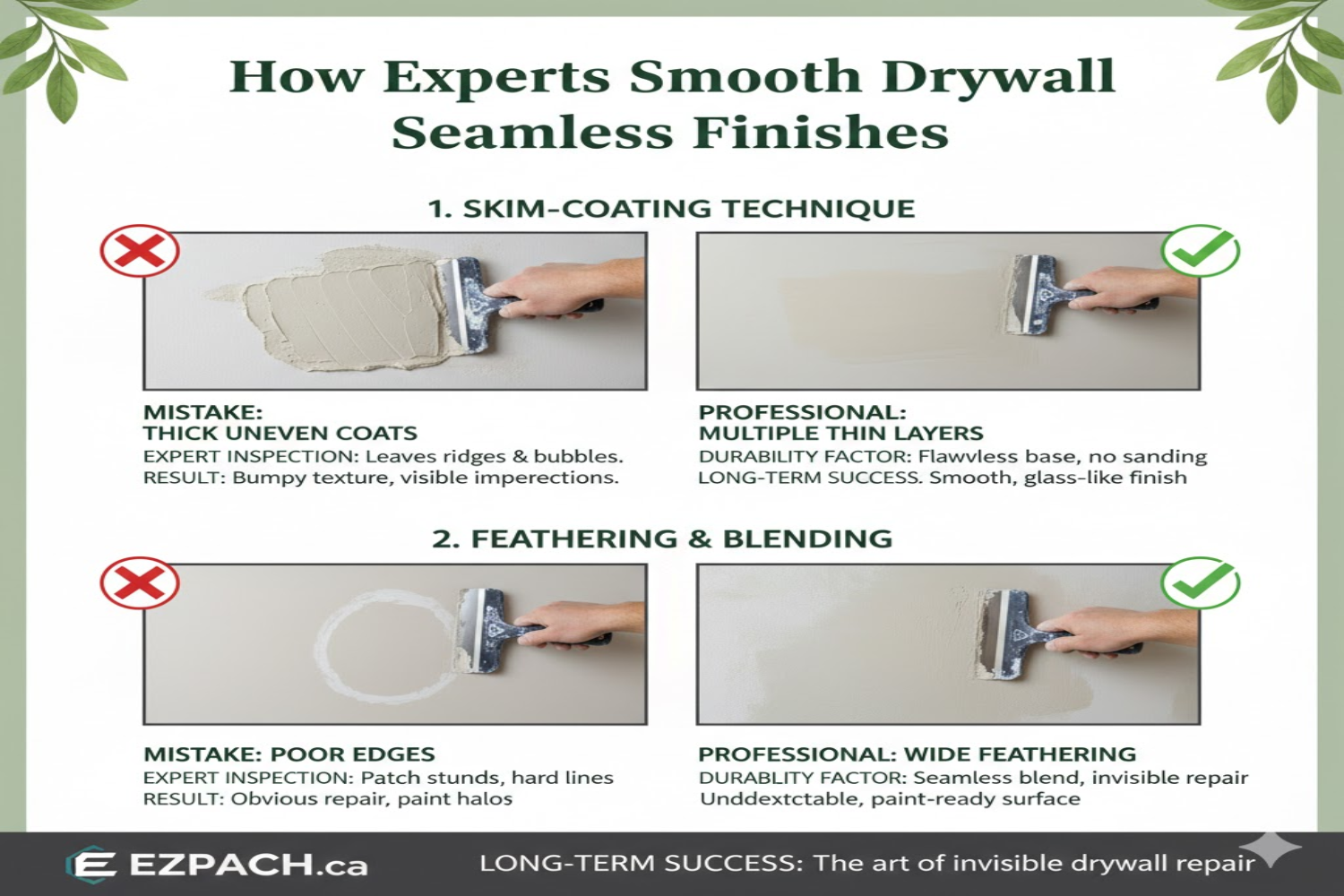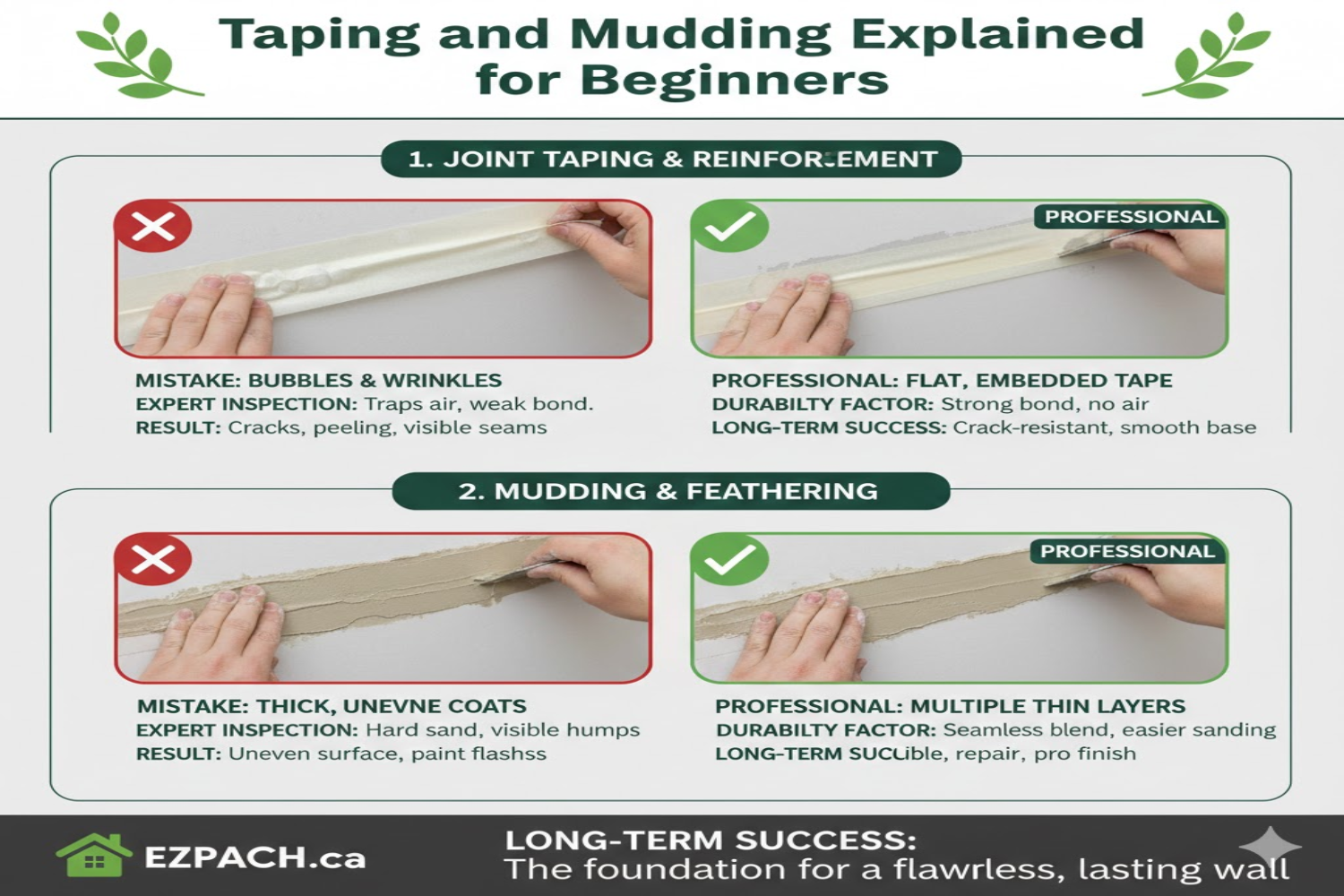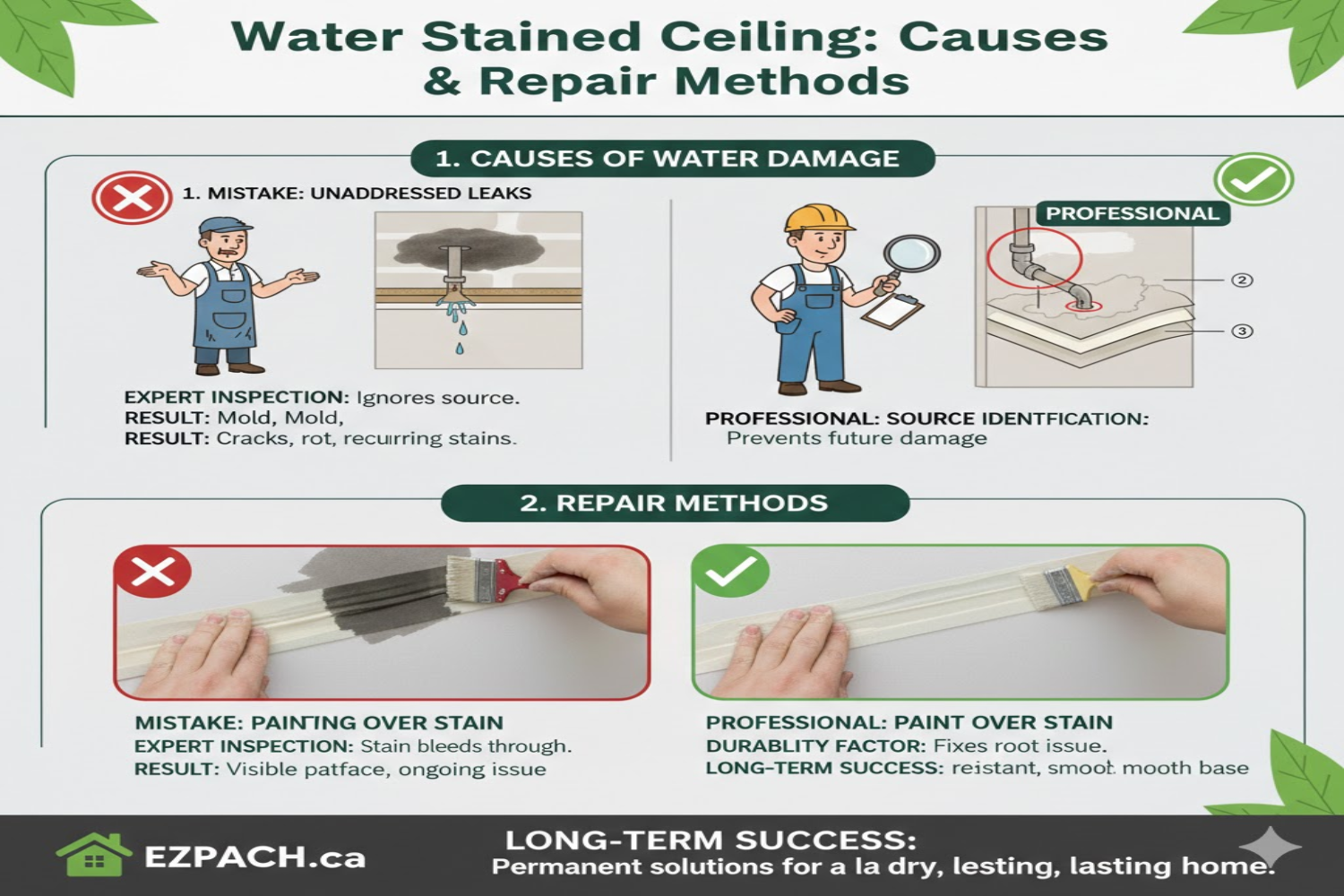
Drywall is one of the most common materials used in modern construction due to its affordability and ease of installation. However, one factor that significantly impacts its performance is humidity. Moisture in the air can gradually compromise the strength and appearance of drywall, leading to long-term structural and cosmetic issues if not addressed.
High humidity levels can cause drywall to absorb excess moisture, making it prone to warping, sagging, and even mold growth. This subtle yet persistent effect often goes unnoticed until visible damage appears, emphasizing the importance of understanding how environmental factors influence drywall integrity.
Understanding Drywall and Its Sensitivity to Moisture
Drywall, also known as gypsum board, consists of a gypsum core sandwiched between two sheets of paper. Its porous nature makes it particularly vulnerable to moisture penetration, which can compromise both its structural and aesthetic properties.
The paper facing of drywall absorbs water readily, while the gypsum core can swell when exposed to prolonged humidity. This combination makes drywall one of the most sensitive building materials in areas with fluctuating moisture levels, such as bathrooms, basements, and kitchens.
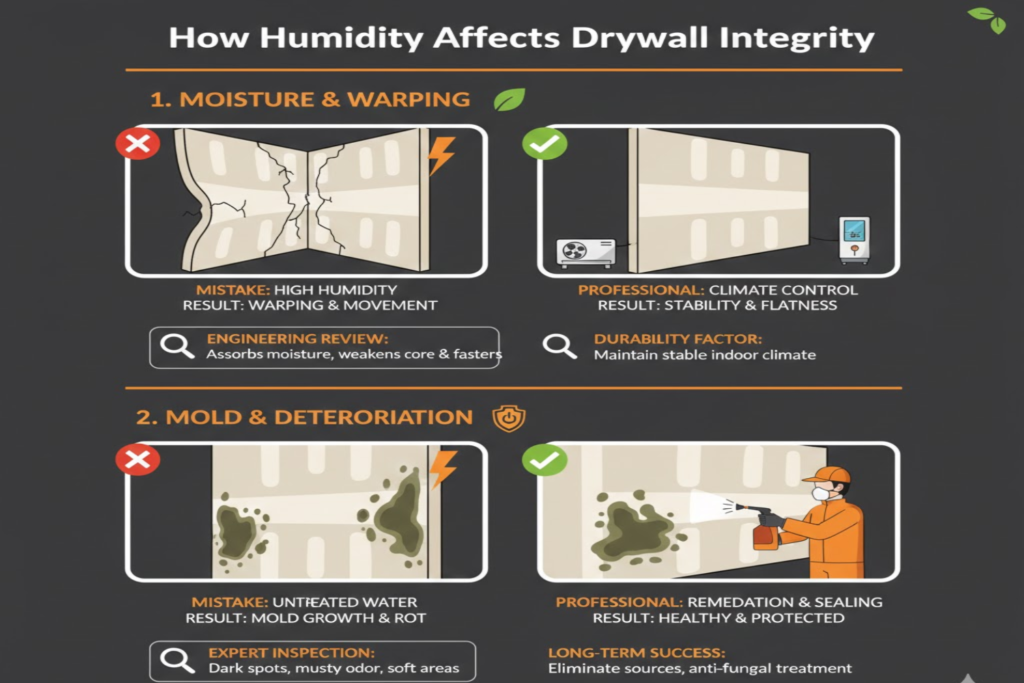
Composition and Moisture Absorption
Drywall’s core is made of gypsum, which is a naturally porous material. When humidity rises, gypsum absorbs water, causing it to expand. Excessive expansion leads to cracking, bulging, or separation from the wall framing.
Paper Facing and Mold Growth
The paper layer on drywall serves as a structural surface. It absorbs moisture and provides an ideal environment for mold. Even minor humidity spikes can trigger surface mold if left unchecked.
Joint Compounds Are Vulnerable
The compounds used to seal seams and corners also react to moisture. They can soften or crack under high humidity conditions. This affects both the durability and appearance of the finished wall.
How Humidity Impacts Drywall Over Time
When drywall absorbs water over time, its structural integrity weakens. Continuous humidity cycles cause repeated swelling and shrinking, leading to cracks, sagging, and eventual failure. Even controlled indoor environments can experience issues if ventilation is inadequate or humidity remains high for extended periods.
In addition, humidity accelerates chemical reactions in the materials. Paint and finishes applied to drywall may peel, blister, or discolor as trapped moisture interacts with coatings. These effects not only reduce the wall’s lifespan but also require costly repairs.
Swelling and Warping
Drywall swells as it absorbs water from humid air. Swelling can misalign corners, seams, and edges. Warped panels reduce the stability of the wall and make repairs challenging.
Surface Cracking
Repetitive expansion and contraction create stress. The drywall surface can develop fine cracks over time. These cracks often appear near seams, windows, and doorframes where tension is highest.
Paint and Wallpaper Issues
High humidity can cause paint to bubble or peel. Wallpaper may loosen as adhesives fail under moisture. Even minor exposure can lead to noticeable cosmetic defects.
Key Factors That Influence Drywall Damage from Humidity
Several elements determine how severely humidity affects drywall integrity.
- Material Type: Moisture-resistant drywall resists water better than standard types, but is not immune.
- Ventilation: Poor air circulation allows humidity to accumulate.
- Temperature Fluctuations: Warm, humid air exacerbates moisture absorption.
- Exposure Duration: Short-term spikes may have minor effects, while prolonged humidity causes lasting damage.
Recognizing Humidity-Related Drywall Damage
Identifying early warning signs is essential for preventing costly repairs. Common symptoms include:
- Sagging or Bowing Panels: Indicates excessive water absorption.
- Seam Cracks and Corner Splits: Result from repeated expansion and contraction.
- Discoloration or Staining: Often brown or yellow, indicating water infiltration.
- Mold and Musty Odors: Suggest moisture has penetrated behind panels.
Regular inspections, particularly in basements, bathrooms, and kitchens, help detect these issues before structural damage occurs.
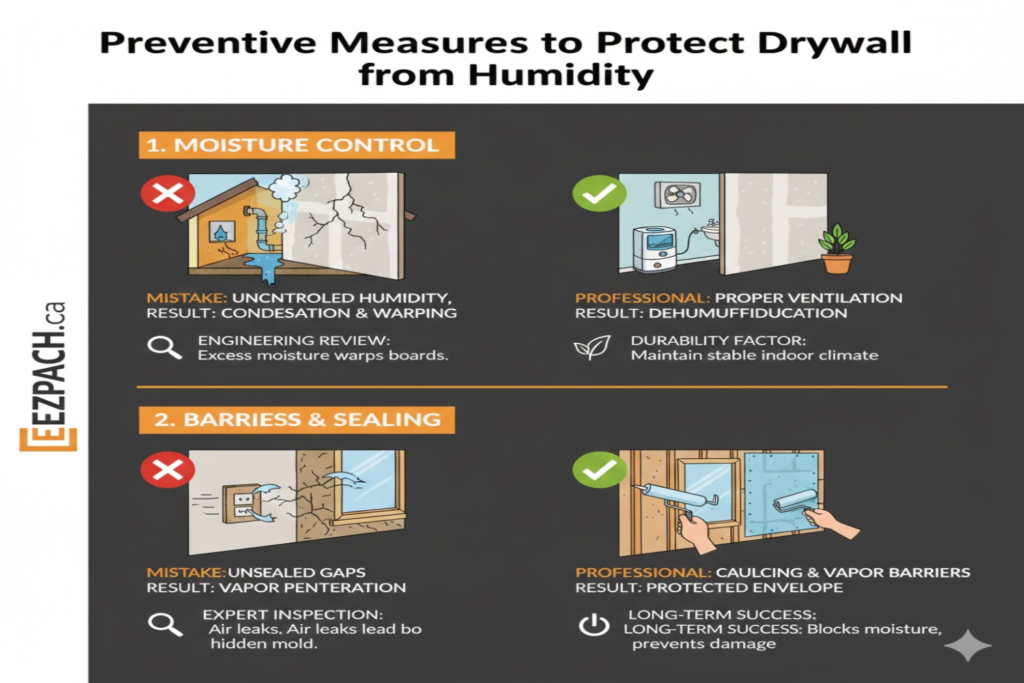
Preventive Measures to Protect Drywall from Humidity
Maintaining drywall integrity involves both environmental control and proper installation practices.
Proper Ventilation
Install exhaust fans in bathrooms and kitchens. Ensure attic and crawl space ventilation is adequate. Mechanical dehumidifiers may be necessary in extremely humid climates.
Moisture-Resistant Materials
Use moisture-resistant drywall in areas prone to humidity. These materials are specially treated to reduce water absorption. Combine with water-resistant joint compounds for best results.
Sealants and Coatings
Apply mold-resistant primers and paint. Seal gaps and joints to minimize water infiltration.
Regular maintenance keeps protective layers effective.
How Environmental Changes Accelerate Drywall Deterioration
Environmental changes, such as fluctuations in humidity, temperature, and indoor air quality, can significantly accelerate drywall deterioration. These variations cause drywall to expand and contract repeatedly, weakening seams, joints, and panels over time. Even small, consistent changes in the environment can lead to warping, cracking, and mold growth if not addressed.
Key Factors Accelerating Drywall Deterioration:
- Seasonal Humidity Changes: High humidity during summer or rainy seasons causes drywall to swell, while dry periods cause shrinkage, creating stress on panels.
- Temperature Fluctuations: Rapid heating and cooling can increase condensation inside walls, weakening the gypsum core.
- Indoor Moisture from Household Activities: Showering, cooking, and drying clothes indoors raise humidity levels, promoting warping and seam cracks.
- Poor Ventilation: Stagnant air traps moisture around drywall surfaces, accelerating damage in corners and behind furniture.
- Hidden Leaks or Condensation: Small leaks from pipes or HVAC systems create localized wet spots that lead to swelling, mold, and structural weakness.
Common Misconceptions About Drywall and Moisture
Drywall Doesn’t Absorb Moisture
All drywall absorbs moisture, but some types resist it better.
Ignoring this fact leads to poor placement decisions and premature failure.
Paint Alone Protects Walls
Paint provides minimal protection against prolonged humidity.
Structural damage can still occur if moisture penetrates beneath coatings.
Humidity Only Affects Visible Surfaces
Hidden damage behind panels can compromise structural integrity.
Regular checks behind baseboards and near joints are crucial for early detection.
Key Factors Homeowners Often Overlook
- Temperature Variations: Constant heating and cooling cycles exacerbate damage.
- Poor Installation: Improper sealing increases susceptibility.
- Leaks or Condensation: Plumbing or roof leaks accelerate humidity damage.
- Furniture Placement: Blocking airflow around walls traps moisture.
Long-Term Strategies for Drywall Protection
- Replace standard drywall with moisture-resistant panels in vulnerable areas.
- Ensure consistent indoor ventilation to control humidity levels below 50%.
- Conduct routine inspections to detect early signs of moisture-related damage.
- Seal seams and edges with high-quality, moisture-resistant compounds.
- Educate household members on humidity-reducing practices, like using exhaust fans during showers.
FAQs
Q1: Can short-term humidity spikes damage drywall?
A1: Minor short-term spikes usually cause cosmetic issues. Prolonged exposure is required for structural damage.
Q2: How can I test for moisture in drywall?
A2: Moisture meters can detect water content in gypsum boards. Visual signs like warping or mold also indicate elevated moisture levels.
Q3: Does humidity cause mold behind the drywall?
A3: Yes, excess humidity creates a conducive environment for mold. It often grows in hidden areas such as behind panels or baseboards.
Q4: Can I paint over humidity-damaged drywall?
A4: Painting alone will not fix structural damage. Repair or replace compromised panels before repainting.
Q5: How often should I check drywall in humid areas?
A5: Every 6 months is recommended in bathrooms and basements. Frequent checks prevent minor issues from becoming major repairs.
Q6: Is moisture-resistant drywall fully waterproof?
A6: No, it resists water but cannot withstand constant exposure. Proper ventilation is still necessary to maintain integrity.
Q7: Can dehumidifiers prevent drywall damage?
A7: Yes, they reduce ambient humidity and slow moisture absorption. However, they cannot reverse existing damage.
Q8: Should I replace drywall after mold is detected?
A8: Severe mold typically requires panel replacement. Minor surface mold can sometimes be treated with appropriate cleaners.
Conclusion
Humidity plays a critical role in the long-term performance of drywall. Even slight increases in moisture levels over time can compromise structural integrity, cause warping, or lead to mold growth. Awareness of these risks allows homeowners to take proactive measures to protect their walls.
By implementing proper ventilation, using moisture-resistant materials, and conducting routine inspections, it’s possible to significantly extend the life of drywall. Ignoring humidity concerns often leads to costly repairs and potential health hazards, emphasizing the importance of proactive wall care.
Drywall Repair Halifax
EZ Patch offers clean, professional drywall, ceiling, plaster, and water damage repair services in Halifax with minimal mess and long-lasting results.
EZ Patch – Drywall Repair Experts
Trusted drywall repair professionals serving Halifax and nearby areas.
Drywall Patch & Repair
Seamless drywall repairs for holes, cracks, dents, and damaged walls.
Ceiling Repairs
Professional ceiling repair services for stains, cracks, and water damage.
Drywall Installation
Complete drywall installation services for renovations and new builds.
Taping & Mudding
Smooth, paint-ready wall finishes by expert drywall finishers.
Plaster Repair Experts
Precision plaster repair services while maintaining original wall texture.
Water Damage Repair
Drywall and ceiling restoration for properties affected by water damage.
Texture Matching
Accurate texture blending so repaired areas match existing finishes.
Installation, Repair & Removal
End-to-end drywall installation, repair, and removal solutions.