Drywall installation is a critical aspect of modern construction that directly affects both the aesthetic appeal and structural reliability of interior walls and ceilings. Professional contractors rely on precise measurements and standardized tolerances to ensure that drywall meets industry expectations. Without accurate tolerance measurement, walls may appear uneven, joints misaligned, and finishing work compromised.
Understanding how drywall tolerances are measured professionally is essential not only for installers but also for builders, inspectors, and homeowners aiming for high-quality interiors. Proper measurement helps prevent costly rework and ensures compliance with building codes. When tolerances are carefully controlled, the final surface is visually appealing, structurally sound, and ready for painting or finishing treatments.
How Professionals Define Drywall Tolerances
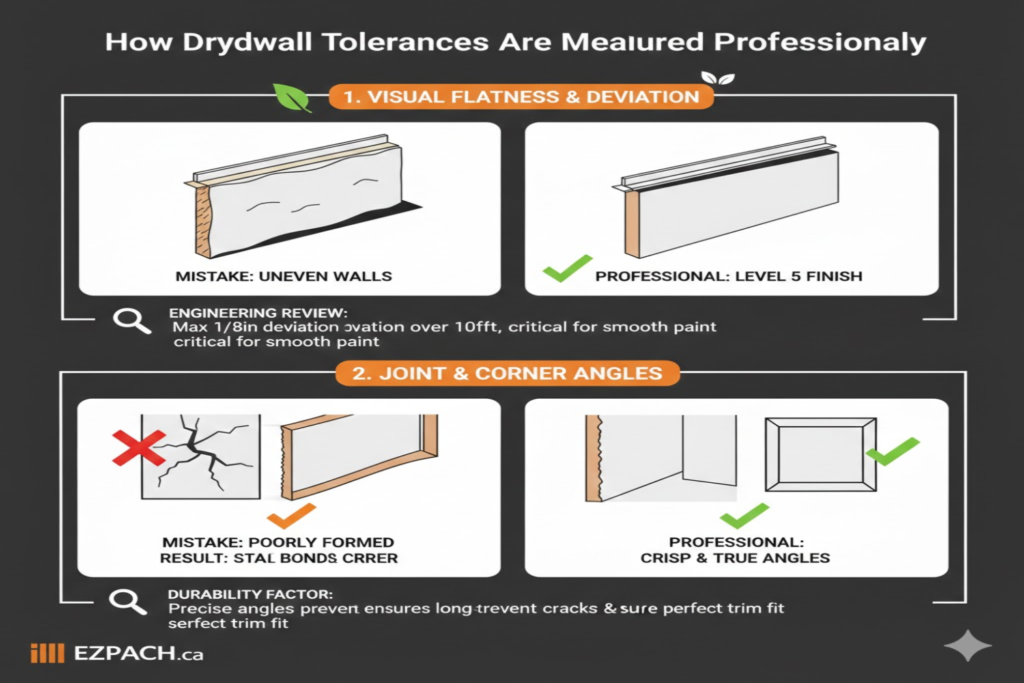
Drywall tolerances refer to the permissible deviations in panel alignment, flatness, edge straightness, and fastener placement during installation. These tolerances are essential to maintaining structural integrity, preventing joint cracks, and ensuring smooth finishing. Professionals establish tolerance standards based on the type of project, building specifications, and industry guidelines.
Maintaining these tolerances requires a combination of visual inspections, specialized tools, and experience. Deviations beyond the allowable limits can result in misaligned seams, uneven surfaces, or problematic finishes. Contractors meticulously check flatness, screw depth, and joint alignment to guarantee long-term durability and aesthetic uniformity.
Types of Drywall Tolerances
- Flatness Tolerance: Acceptable deviation from a perfectly flat plane over a measured distance.
- Joint Tolerance: Maximum allowable gaps or misalignment between adjoining panels.
- Screw and Fastener Tolerance: Standard depth and spacing of screws to prevent bulging or dimpling.
- Edge Alignment: Permissible variations in edge straightness and flushness with adjacent panels.
Importance of Tolerance Adherence
Strict adherence ensures seamless finishes and reduces corrective work. It guarantees a consistent appearance across large areas and prevents structural stress on drywall joints. Professional measurement prevents long-term defects that could compromise the integrity and appearance of interior walls.
What Tools Are Used to Measure Drywall Tolerances
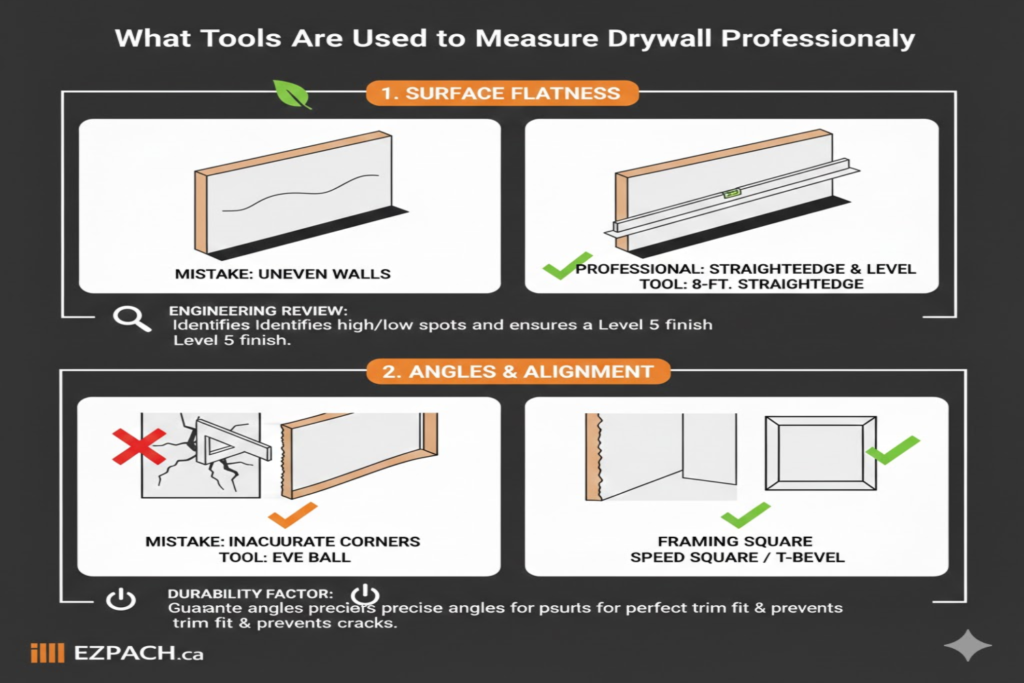
Accurate measurement of drywall tolerances relies on a combination of traditional and modern tools. These instruments are designed to detect even minor deviations in alignment, flatness, or screw placement. Using the right tools minimizes human error and ensures quality control.
Levels and Straightedges
Levels and straightedges are essential for detecting deviations in vertical and horizontal planes. Long straightedges can reveal warps, bulges, or low spots across the surface. Regular use of these tools ensures panels are properly aligned before joint finishing.
Laser Measurement Systems
Laser measurement systems offer precision over long distances and are particularly valuable for ceilings and large walls. They help professionals detect subtle misalignments that traditional tools might miss. Laser systems also provide quick feedback, saving time during inspections.
Thickness and Depth Gauges
Depth gauges allow accurate measurement of screw depth and panel thickness. Correct screw placement ensures the drywall surface remains flush and reduces the risk of bulges. Professionals use gauges routinely to prevent common installation errors.
Digital Inclinometers and Sensors
Advanced digital sensors and inclinometers provide real-time alignment data. These devices help maintain uniformity across complex surfaces. Digital readings can be recorded for documentation, client reporting, or regulatory compliance.
When Tolerance Checks Are Conducted
Tolerance measurement is an ongoing process rather than a single step in drywall installation. Multiple inspections occur throughout the project to ensure compliance at every stage.
Checks begin during panel hanging to verify preliminary alignment. Mid-installation assessments confirm proper screw depth, joint spacing, and edge alignment. Final inspections ensure flatness and uniformity before joint treatment or finishing work begins.
- Pre-installation planning: Review specifications and confirm tolerance requirements.
- Panel placement: Verify vertical and horizontal alignment during hanging.
- Fastener verification: Check screw depth and spacing consistency.
- Intermediate checks: Inspect joints and seams for alignment and flatness.
- Post-installation: Confirm all measurements comply before finishing.
Key Factors Affecting Drywall Tolerances
Several factors influence whether drywall meets the desired tolerance standards. Identifying these elements helps prevent installation errors and reduces long-term maintenance costs.
Material Quality
High-quality drywall sheets are straight, uniform in thickness, and free from warping. Low-grade or damaged sheets often result in deviations. Professionals select materials that adhere to strict industry standards to maintain precision.
Environmental Conditions
Humidity and temperature fluctuations can affect panel expansion or contraction. Tolerance measurements account for environmental variations to prevent future misalignment. Professionals monitor job site conditions and adjust installation techniques accordingly.
Installation Techniques
Proper handling, fastener placement, and joint preparation are crucial for maintaining tolerances. Skilled installers use consistent pressure and alignment practices. Mistakes during installation are a primary cause of tolerance deviations.
Tool Accuracy and Calibration
Even high-quality tools produce inaccurate readings if uncalibrated. Professionals schedule regular calibration for lasers, levels, and digital sensors. Accurate tools ensure precise measurements and consistent results across the project.
How Flatness and Alignment Are Verified
Ensuring drywall flatness and alignment is critical to achieving professional-quality finishes. Contractors rely on a combination of visual, tactile, and instrument-based methods to check surfaces.
Straightedge Checks
Straightedges help detect surface irregularities, including bulges or depressions. Professionals mark deviations that exceed allowable tolerances for correction. Immediate identification allows timely adjustments before joint treatment.
Laser Plane Verification
Laser projectors create reference planes for large surfaces, ensuring vertical and horizontal alignment. Panels outside the laser plane are repositioned promptly. This method guarantees uniformity across entire walls and ceilings.
Panel Edge Inspection
Edges must be flush with adjacent panels to avoid gaps and uneven seams. Professionals use visual inspections combined with hand measurements to verify alignment. Proper edge verification prevents joint cracking and finishing issues.
How Screw and Fastener Placement Affects Tolerances
Screw placement and depth directly impact drywall flatness. Screws set too shallow allow panels to bulge, while overdriven screws cause dimples.
- Maintain consistent depth using calibrated gauges
- Ensure proper spacing between fasteners
- Avoid overdriving screws that damage the paper surface
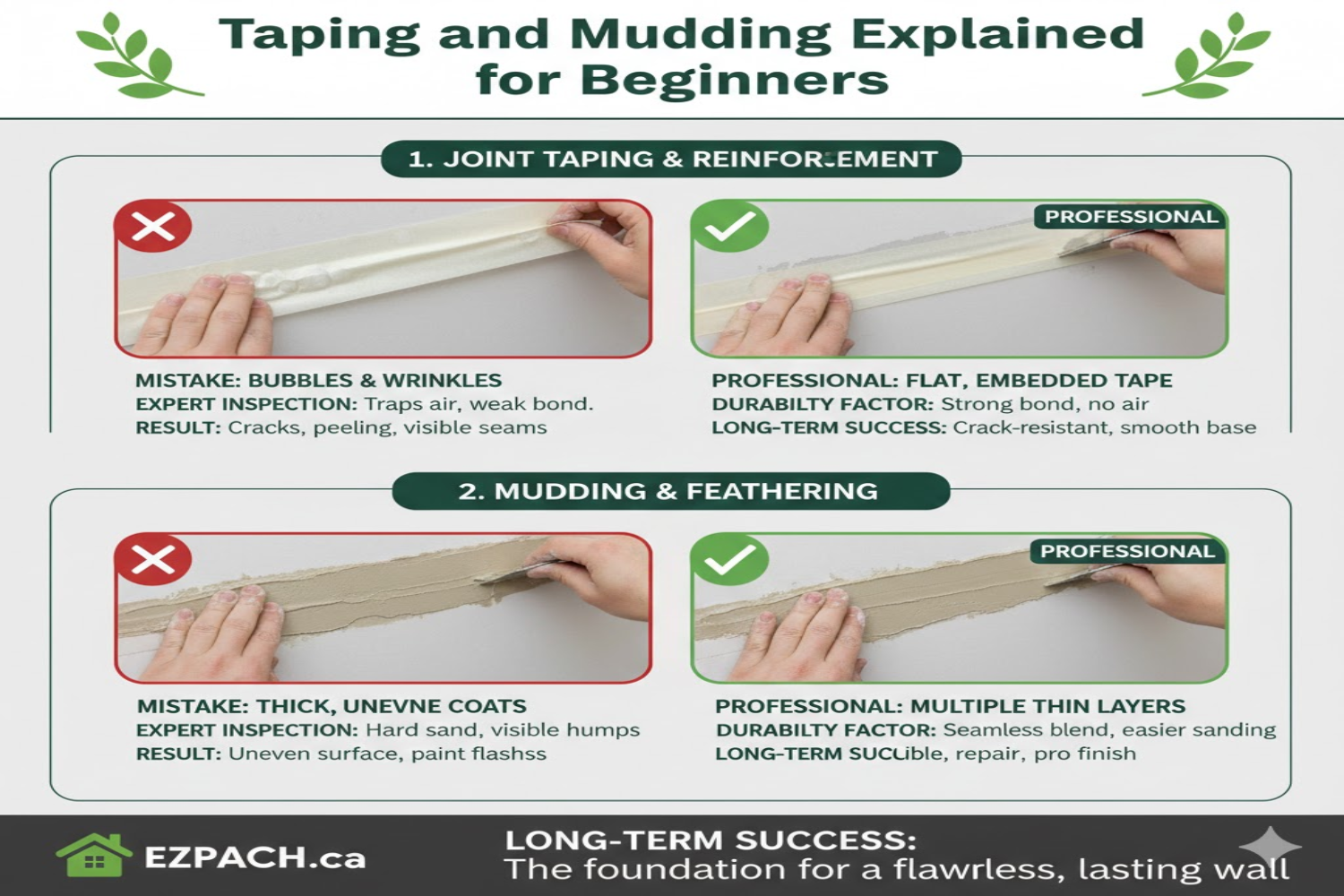
- Inspect placement before finishing or mudding
- Correct deviations immediately to preserve tolerance
What Happens When Tolerances Are Exceeded
Ignoring drywall tolerances can lead to both cosmetic and structural issues.
Surface Imperfections
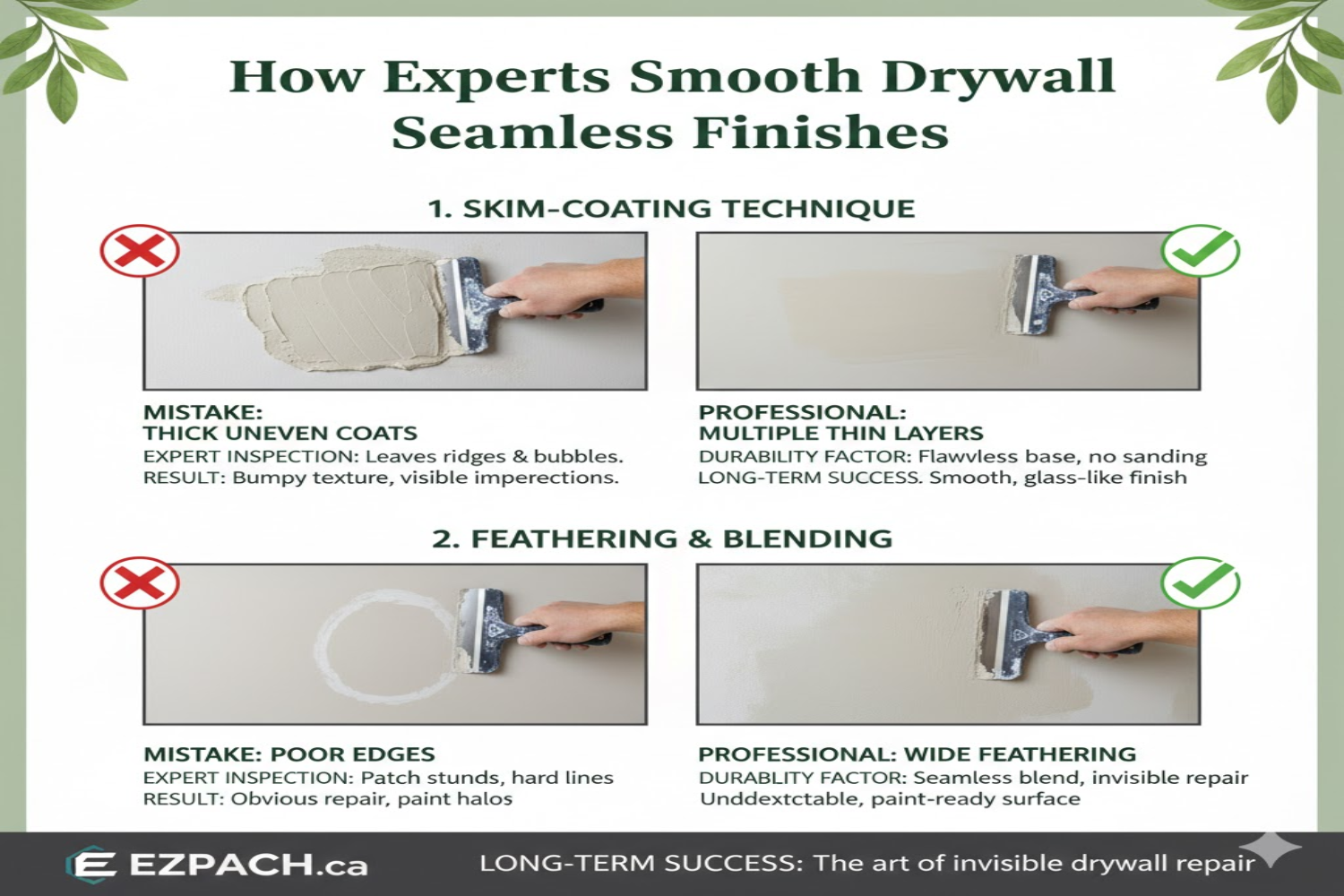
Bumps, waves, and uneven seams may appear on finished walls. Correcting these imperfections often requires additional sanding, mudding, or panel replacement.
Finish Quality Issues
Paint, wallpaper, or decorative coatings may reveal minor deviations. Uneven finishes can reduce the visual appeal and result in rework costs.
Structural Concerns
Misaligned panels can stress joints and fasteners, leading to cracks or separation over time. Proper adherence to tolerances reduces long-term maintenance issues.
Preventive Measures for Maintaining Tolerances
Preventive strategies are more effective than corrections after errors occur.
- Select high-quality drywall panels with uniform thickness
- Maintain optimal job site temperature and humidity
- Calibrate all measuring and alignment tools regularly
- Train installation teams on consistent techniques
- Conduct staged inspections to catch deviations early
FAQs
1. How do drywall tolerances impact wall finishes?
Even small deviations can create visible bulges or uneven seams. Proper tolerance measurement ensures a smooth final surface.
2. Are laser tools necessary for tolerance checks?
Not always, but lasers increase accuracy, especially in large or complex installations.
3. How often should straightedges be used?
Straightedges should be applied at multiple stages: hanging, fastening, and post-installation.
4. Can environmental conditions cause misalignment?
Yes, temperature and humidity changes can warp panels. Monitoring conditions prevents future deviations.
5. Can minor screw placement errors be corrected?
Yes, small adjustments can be made before mudding. Severe errors may require panel repositioning.
6. What is the typical flatness tolerance in commercial projects?
Industry standard is generally ±1/8 inch over 8 feet, though specifications may vary.
7. Does screw depth matter more on ceilings?
Yes, ceilings are more prone to sagging, requiring precise fastener depth.
8. Can DIY methods achieve professional tolerances?
It is challenging; professionals rely on calibrated tools and experience for precise results.
Conclusion
How drywall tolerances are measured professionally involves a combination of tools, techniques, and skilled judgment. Precision at every stage ensures consistent alignment, flatness, and quality. Deviating from established tolerances can result in surface imperfections, finish problems, and long-term structural issues.
By using calibrated tools, monitoring environmental conditions, and applying proper installation methods, professionals maintain tolerances effectively. Adhering to these practices ensures smooth, durable walls and ceilings that meet both aesthetic and structural standards. Proper tolerance management reduces rework, saves costs, and guarantees a professional-quality finish.
Drywall Repair Halifax
EZ Patch offers clean, professional drywall, ceiling, plaster, and water damage repair services in Halifax with minimal mess and long-lasting results.
EZ Patch – Drywall Repair Experts
Trusted drywall repair professionals serving Halifax and nearby areas.
Drywall Patch & Repair
Seamless drywall repairs for holes, cracks, dents, and damaged walls.
Ceiling Repairs
Professional ceiling repair services for stains, cracks, and water damage.
Drywall Installation
Complete drywall installation services for renovations and new builds.
Taping & Mudding
Smooth, paint-ready wall finishes by expert drywall finishers.
Plaster Repair Experts
Precision plaster repair services while maintaining original wall texture.
Water Damage Repair
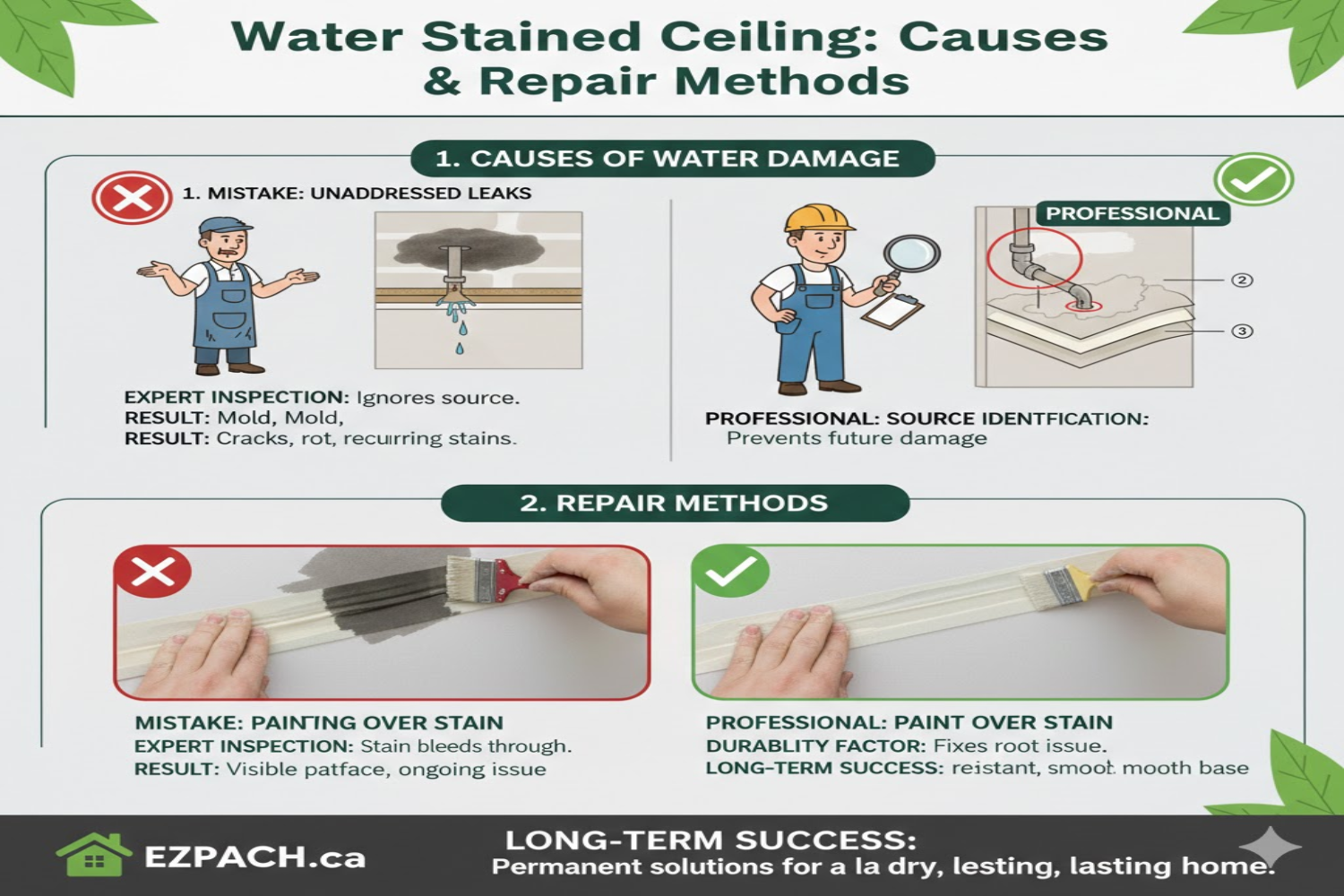
Drywall and ceiling restoration for properties affected by water damage.
Texture Matching
Accurate texture blending so repaired areas match existing finishes.
Installation, Repair & Removal
End-to-end drywall installation, repair, and removal solutions.