Ceiling repairs are often overlooked when considering indoor air quality, yet they play a critical role in maintaining a healthy living environment. Damaged ceilings can harbor dust, mold, and other contaminants that circulate throughout your home. Understanding how ceiling repairs impact air quality helps homeowners make informed maintenance and renovation decisions.
Neglecting ceiling issues not only affects aesthetics but can also lead to respiratory problems and allergic reactions. Water damage, cracks, and sagging panels may introduce harmful particles into the air if not addressed promptly. Ensuring proper repair techniques and materials is essential to safeguard both health and structural integrity.
What Types of Ceiling Damage Affect Air Quality
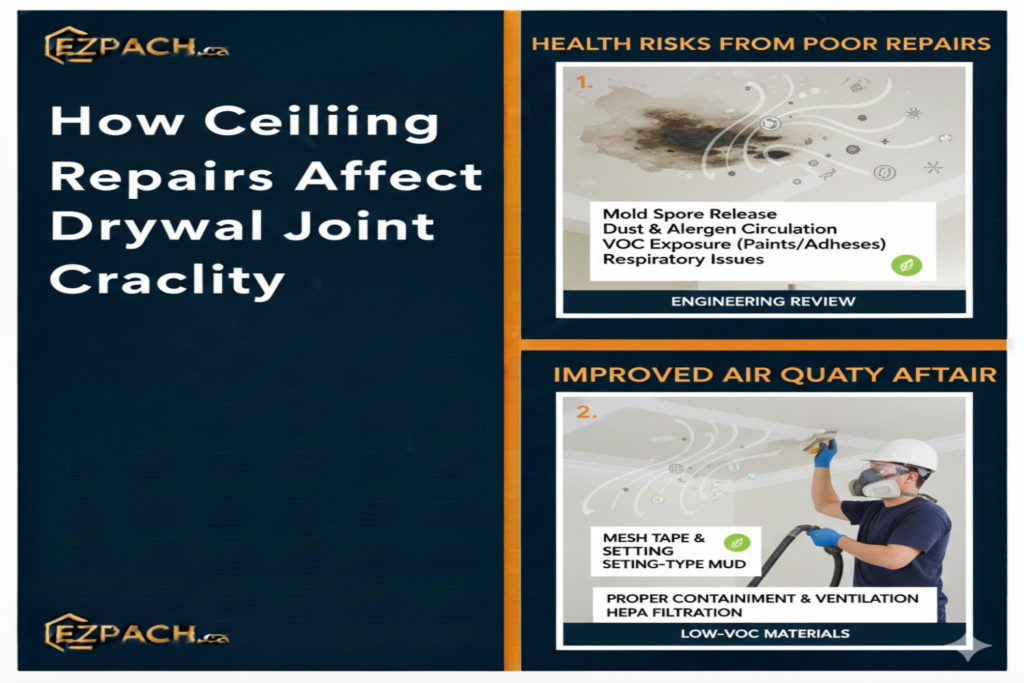
Ceiling damage can take many forms, each influencing indoor air quality differently.
Cracks and holes allow dust and debris to fall into living spaces, while water damage can encourage mold growth. Even minor sagging panels can trap allergens that circulate when disturbed. Identifying the type of damage is the first step in preventing air quality problems.
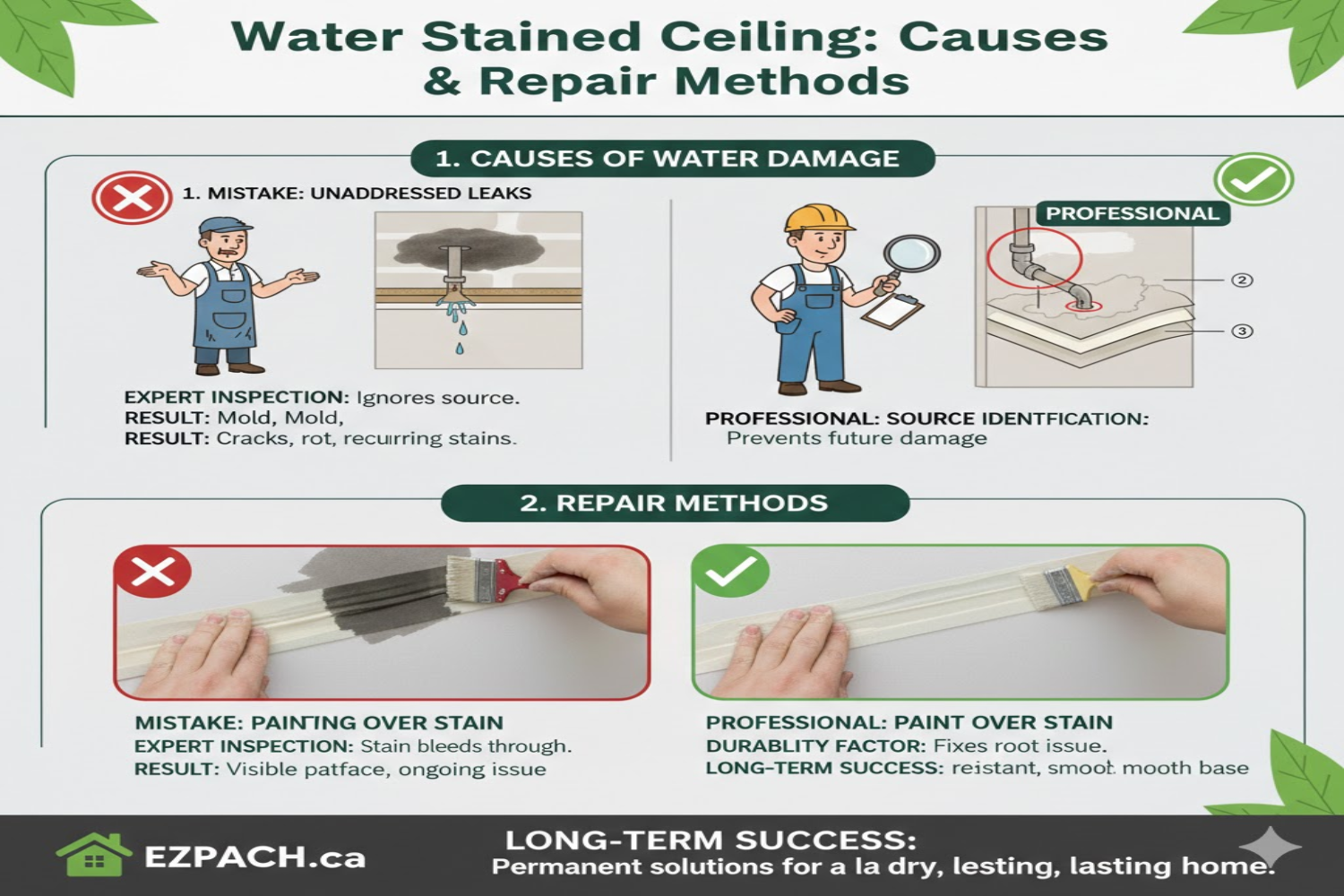
Water intrusion is particularly concerning, as it can compromise insulation and ceiling materials. Moist environments support the growth of mold spores, which may lead to asthma or other respiratory conditions. Prompt repairs minimize exposure to these airborne contaminants.
How Repair Methods Influence Air Quality
The techniques and materials used during ceiling repair have a direct impact on indoor air quality.
Dust Control During Repairs
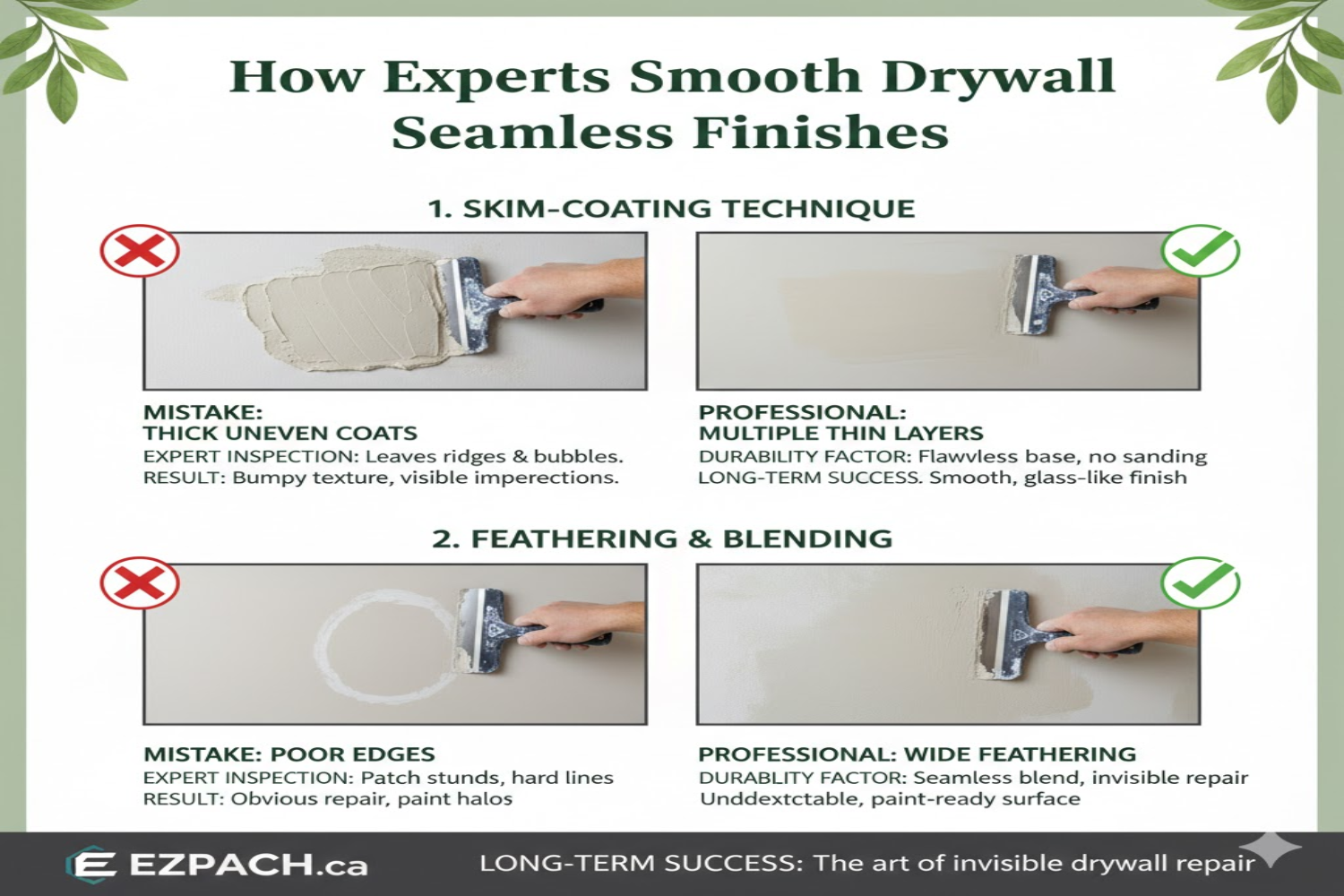
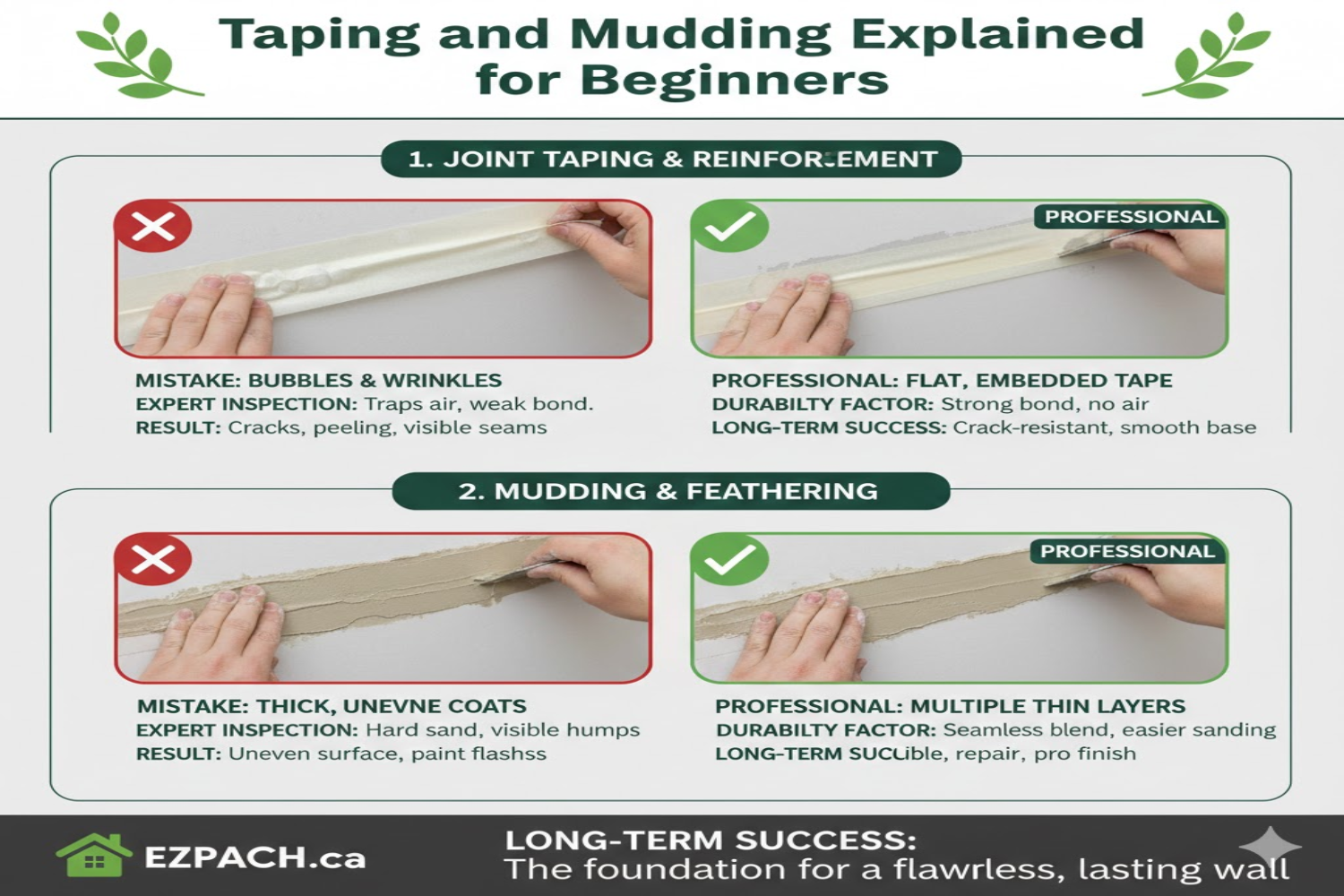
Sanding, cutting, and drilling drywall produce fine dust that can remain airborne. Using dust barriers, vacuum attachments, and protective coverings reduces inhalation risk. Proper cleanup after repairs prevents lingering particles from affecting residents.
Material Selection
Low-VOC joint compounds, paints, and ceiling panels reduce exposure to harmful chemicals. High-VOC materials can emit fumes that irritate eyes, throat, and lungs. Choosing eco-friendly options supports a healthier indoor environment during and after repairs.
Sealing and Insulation
Proper sealing prevents dust, allergens, and moisture from entering the air. Insulation replacement during repair can improve air quality by blocking dust from old or damaged materials. Ensuring all gaps are sealed reduces contaminant circulation throughout the home.
Mold Remediation Techniques
When water damage has occurred, mold remediation is critical. Professional methods such as HEPA vacuuming and antimicrobial treatments prevent spores from spreading. Neglecting this step can worsen indoor air quality despite completing cosmetic repairs.
Common Ceiling Repair Mistakes That Harm Air Quality
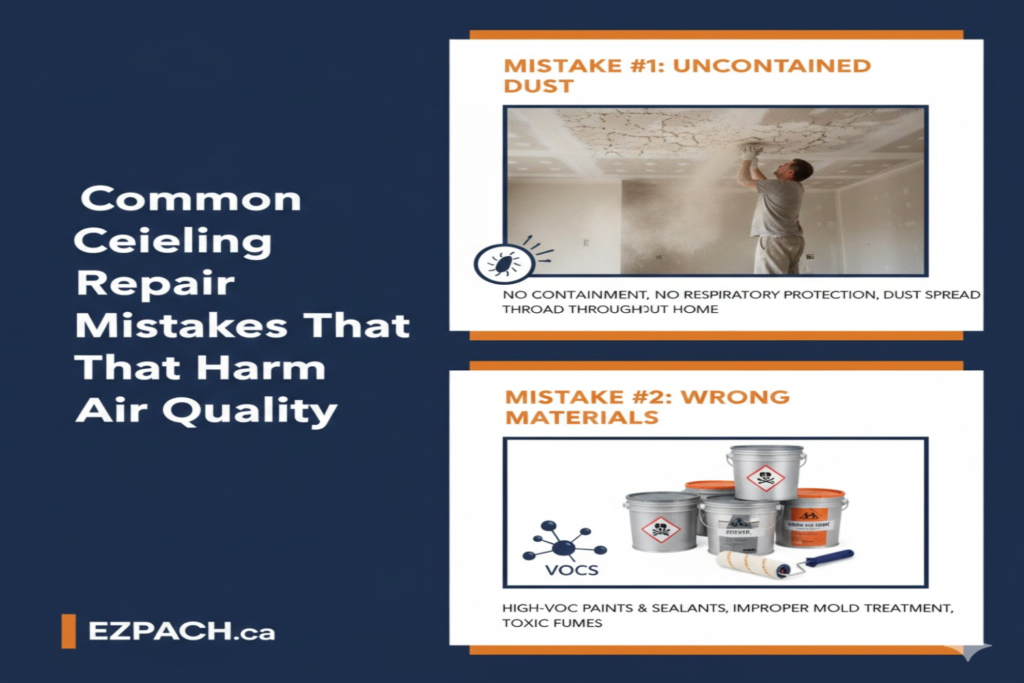
Short paragraph: Many homeowners unknowingly compromise indoor air quality through improper ceiling repair techniques. Common errors include ignoring dust containment, skipping mold inspection, and using high-VOC materials.
- Sanding without a dust mask or containment
- Overlooking hidden water damage
- Failing to replace old insulation
- Using paints or compounds with strong chemical odors
- Neglecting proper ventilation during repairs
Key Factors That Determine Air Quality Impact
Several elements influence how ceiling repairs affect indoor air quality.
Panel type and age affect dust production during repairs. Older materials may contain asbestos or lead paint, which require specialized handling. The extent of water damage also determines mold growth risk and the necessary remediation steps.
Humidity control, ventilation, and professional repair expertise are additional factors. Homes with poor airflow may trap airborne particles longer, while skilled contractors ensure repairs minimize dust and chemical emissions. Proper planning and material selection are crucial for maintaining healthy air.
When Ceiling Damage Poses the Greatest Risk
Certain conditions make ceiling damage more likely to affect indoor air quality.
Water leaks, sagging panels, or pest infestation significantly increase contaminant exposure. Repairs delayed for long periods allow dust, mold, and allergens to accumulate. Addressing issues promptly minimizes health risks and prevents widespread contamination.
How Professionals Mitigate Air Quality Issues
Professional contractors follow strict protocols to ensure ceiling repairs do not compromise indoor air quality.
Protective Equipment
Professionals use masks, gloves, and goggles to prevent inhalation and contact with dust and spores. This protects both workers and residents.
Dust Barriers and Containment
Dust barriers and plastic sheeting prevent debris from spreading to other areas. HEPA filters and vacuum attachments further reduce airborne particles. Proper containment ensures minimal air quality disruption.
Moisture Control
Identifying and drying moisture-prone areas prevents mold growth. Dehumidifiers and fans are used to maintain safe humidity levels. Moisture control during repairs safeguards long-term indoor air quality.
Safe Material Handling
Professionals select low-VOC materials and remove contaminated drywall or insulation carefully. Safe disposal practices prevent contaminants from lingering in living spaces. Correct material handling reduces chemical and particulate exposure for homeowners.
How Post-Repair Practices Improve Air Quality
Maintaining air quality after ceiling repairs is just as important as the repair itself.
Cleaning with HEPA-filter vacuums, changing HVAC filters, and ventilating rooms help remove dust and residual particles. Regular inspections for water damage or mold prevent future air quality issues. Post-repair maintenance ensures a safe and healthy home environment.
Cost of Air-Quality-Safe Ceiling Repairs
Short paragraph: Implementing air-quality-focused repair methods may increase costs slightly but reduce health risks. Choosing professionals who follow dust containment, mold remediation, and low-VOC practices ensures safer outcomes.
| Repair Type | Material Cost (CAD) | Labor Cost (CAD) | Total Estimated Cost (CAD) |
| Minor patch + dust control | 50–100 | 100–200 | 150–300 |
| Water damage + mold remediation | 100–300 | 250–800 | 350–1,100 |
| Full ceiling replacement | 200–500 | 500–1,500 | 700–2,000 |
| Textured ceiling repair | 80–200 | 150–600 | 230–800 |
Key Benefits of Prioritizing Air Quality During Repairs
- Reduces respiratory risks and allergic reactions
- Minimizes mold growth and structural degradation
- Ensures long-term durability of repairs
- Improves indoor comfort and safety
- Supports eco-friendly and chemical-safe environments
Conclusion
Ceiling repairs have a significant impact on indoor air quality, affecting health, comfort, and long-term home value. Using proper repair methods, dust containment, mold remediation, and low-VOC materials ensures safer living spaces. Homeowners should prioritize timely repairs and professional techniques to protect indoor air from dust, spores, and chemical emissions.
By understanding how ceiling repair choices affect air quality, residents can maintain healthier environments and prevent future contamination. Investing in quality materials and skilled professionals reduces risks and guarantees both functional and aesthetic improvements in ceiling maintenance projects.
FAQs
1. Can minor ceiling cracks affect indoor air quality?
Yes, cracks can allow dust and allergens to circulate into living spaces. Prompt repair prevents the accumulation of airborne particles.
2. Does water-damaged drywall increase mold risk?
Absolutely, moisture promotes mold growth, which releases spores into indoor air. Timely remediation is essential.
3. Are low-VOC materials necessary for ceiling repair?
Yes, they reduce harmful chemical emissions and improve long-term indoor air quality.
4. How can I minimize dust during repairs?
Use dust barriers, HEPA filters, and proper ventilation to limit airborne particles.
5. Do ceiling textures impact air quality?
Yes, textured surfaces can trap dust and require careful repair techniques to prevent contamination.
6. Can ceiling repairs trigger allergies?
Yes, improper repair may release dust, mold spores, or chemical fumes that worsen allergies.
7. Is professional repair better for air quality than DIY?
Yes, professionals follow containment, ventilation, and mold remediation protocols that protect indoor air.
8. How long should I ventilate a room after repairs?
Rooms should be ventilated for at least 24–48 hours to remove dust and VOCs from paints or compounds.
Drywall Repair Halifax
EZ Patch offers clean, professional drywall, ceiling, plaster, and water damage repair services in Halifax with minimal mess and long-lasting results.
EZ Patch – Drywall Repair Experts
Trusted drywall repair professionals serving Halifax and nearby areas.
Drywall Patch & Repair
Seamless drywall repairs for holes, cracks, dents, and damaged walls.
Ceiling Repairs
Professional ceiling repair services for stains, cracks, and water damage.
Drywall Installation
Complete drywall installation services for renovations and new builds.
Taping & Mudding
Smooth, paint-ready wall finishes by expert drywall finishers.
Plaster Repair Experts
Precision plaster repair services while maintaining original wall texture.
Water Damage Repair
Drywall and ceiling restoration for properties affected by water damage.
Texture Matching
Accurate texture blending so repaired areas match existing finishes.
Installation, Repair & Removal
End-to-end drywall installation, repair, and removal solutions.