Drywall repairs play a major role during home inspections because inspectors look closely for structural integrity, moisture issues, and safety concerns. When drywall repairs are done properly, they help the home appear well-maintained and structurally sound. However, poorly done or incomplete drywall work usually raises red flags, leading to failed inspections.
Many homeowners don’t realize that drywall repairs are judged not only by appearance but also by what lies beneath the surface. A repair may look fine at first glance, but still fail due to hidden problems like mold, weak support, or unstable seams. That’s why understanding the difference between drywall repairs that pass home inspections vs fail them is essential for homeowners planning to sell, renovate, or maintain a property.
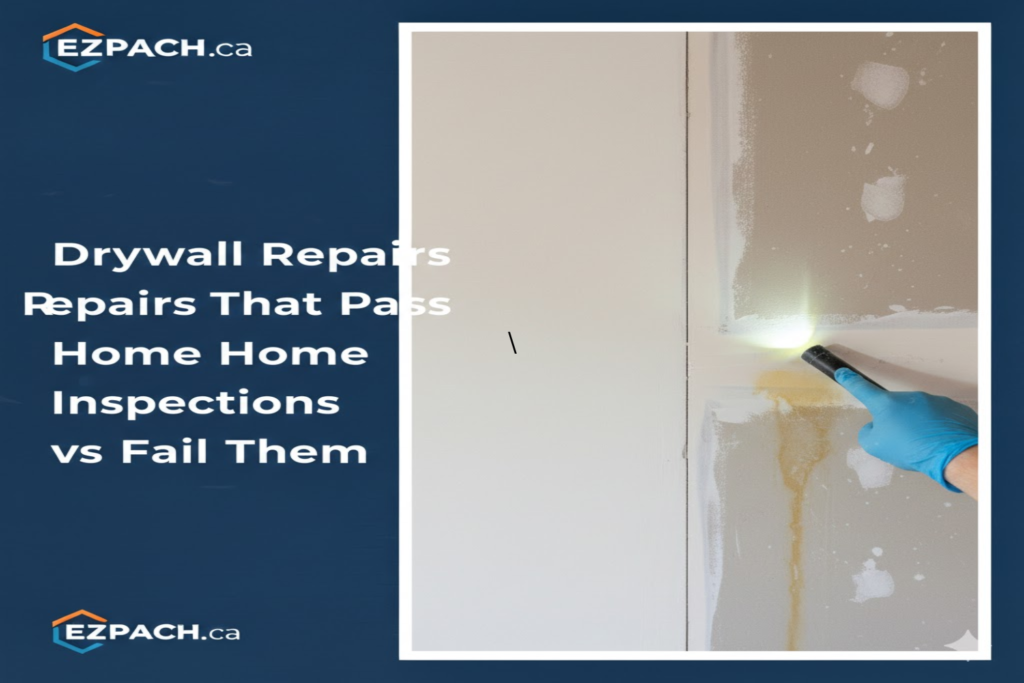
What Makes a Drywall Repair Pass a Home Inspection?
Drywall repairs that pass home inspections are smooth, structurally secure, and free from visible imperfections. Inspectors want to see that the repaired area blends naturally with the surrounding wall, showing no bumps, cracks, or indentations. A strong repair also means the underlying framing or backing is stable and not compromised. When all these elements come together, the repair easily satisfies inspection standards.
Another important factor is the repair’s long-term durability. Home inspectors look for evidence that the drywall patch will remain stable over the years without cracking again or weakening. Proper priming and painting also matter because mismatched textures or unfinished surfaces can indicate a rushed job. All these details determine how drywall repairs that pass home inspections vs fail them are evaluated by professional inspectors.
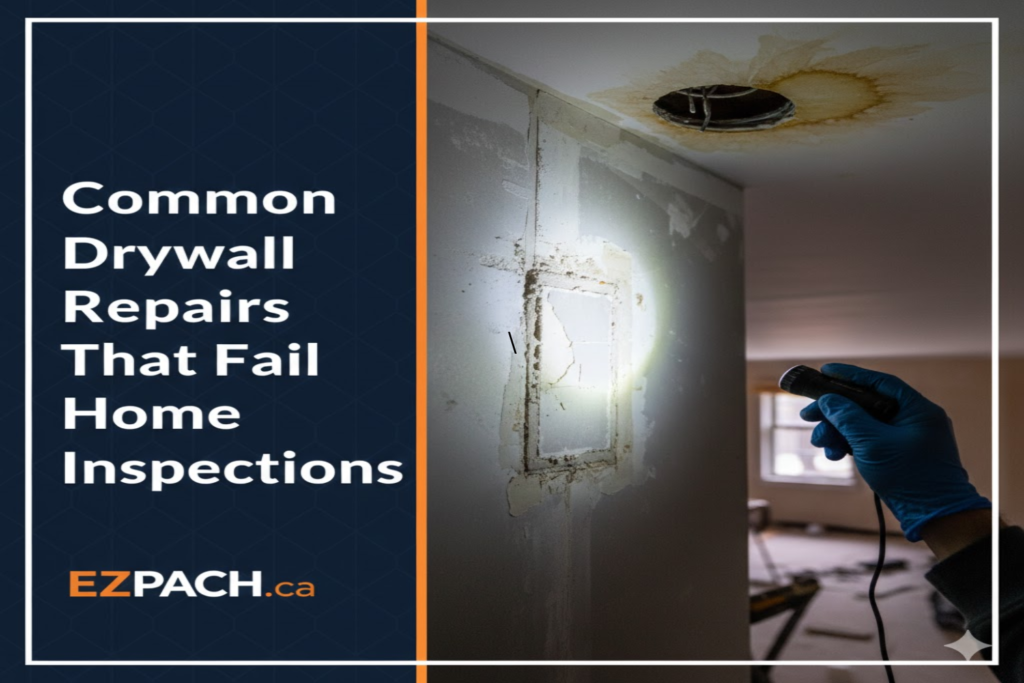
Common Drywall Repairs That Fail Home Inspections
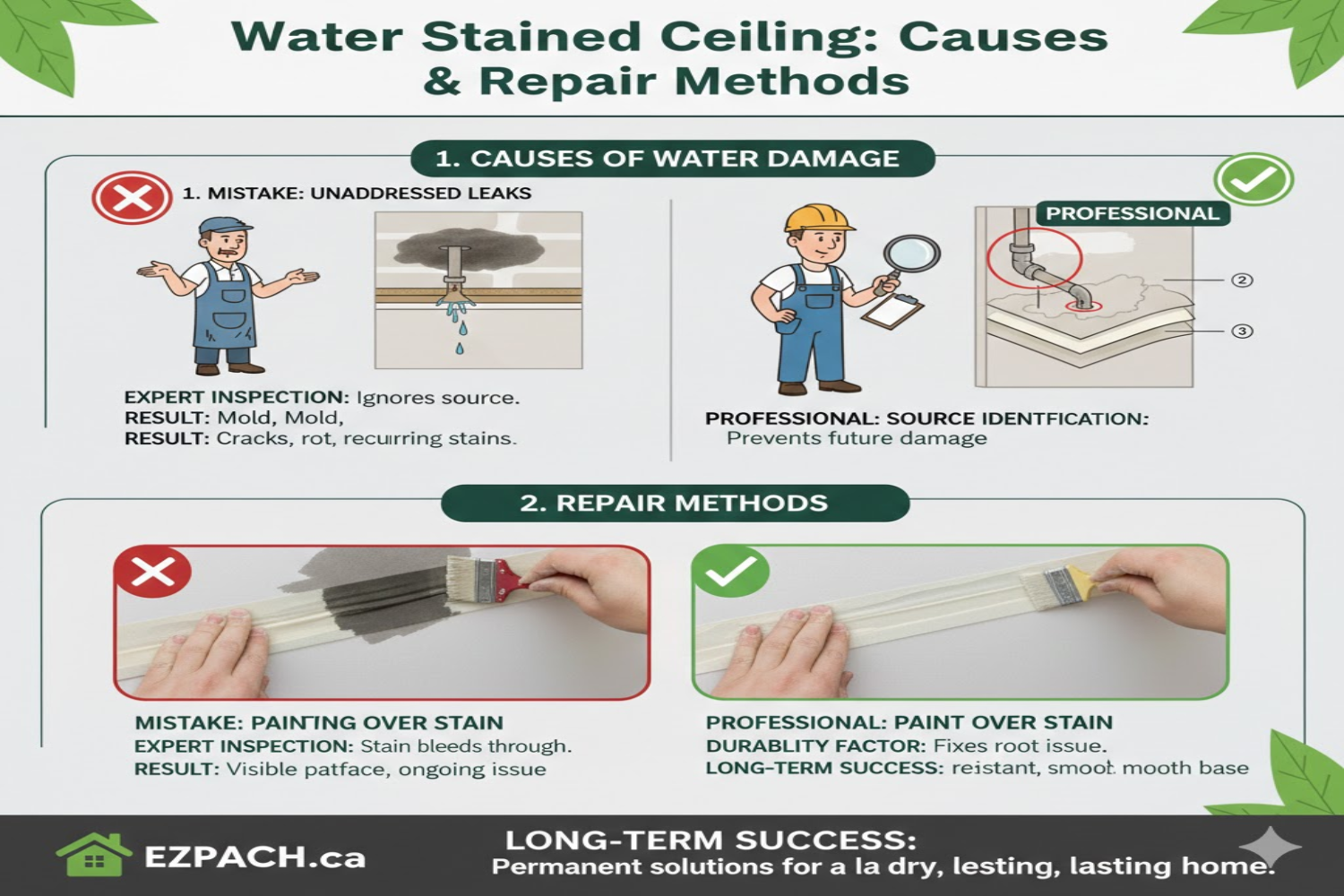
Drywall repairs often fail home inspections when the patching is done poorly or the underlying issue is not addressed. A common failure occurs when homeowners simply cover damage without repairing the root cause, such as leaks or structural movement. Inspectors can easily spot these shortcuts, and they usually result in automatic failure. Repairs must solve the problem, not just hide it.
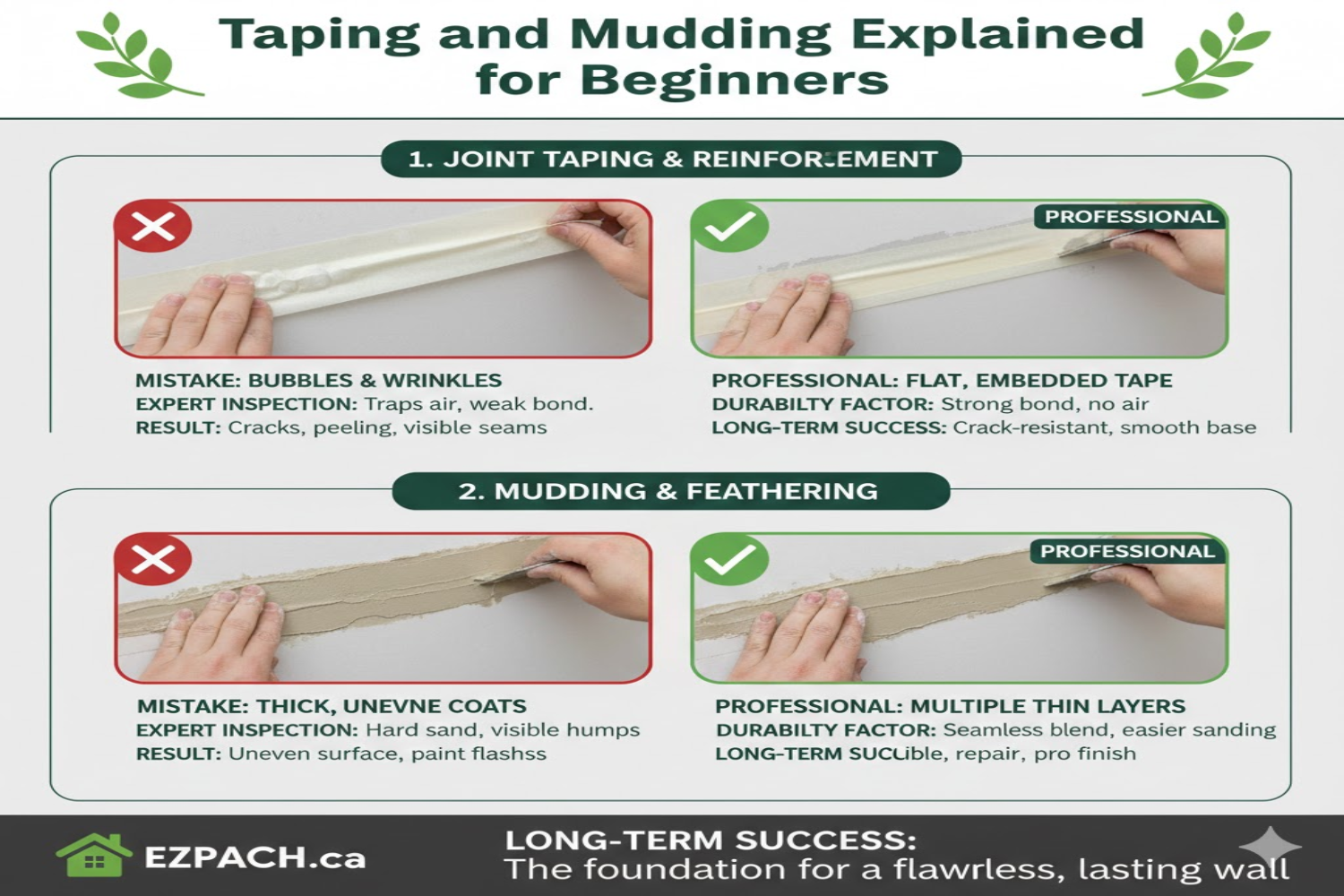
Another reason for failure is texture inconsistency. If the repaired area looks obviously different from the surrounding walls, it signals amateur workmanship. Visible seams, bubbling tape, or uneven paint will also cause inspectors to question the quality of the overall job. That’s why understanding drywall repairs that pass home inspections vs fail them helps homeowners avoid costly fixes later.
Signs of a High-Quality Drywall Patch
A high-quality drywall patch is smooth, blends perfectly, and shows no sign of structural weakness. The finish should appear uniform and professional, even under bright lighting. These small details ensure the repair meets inspection standards.
Smooth and Even Surface
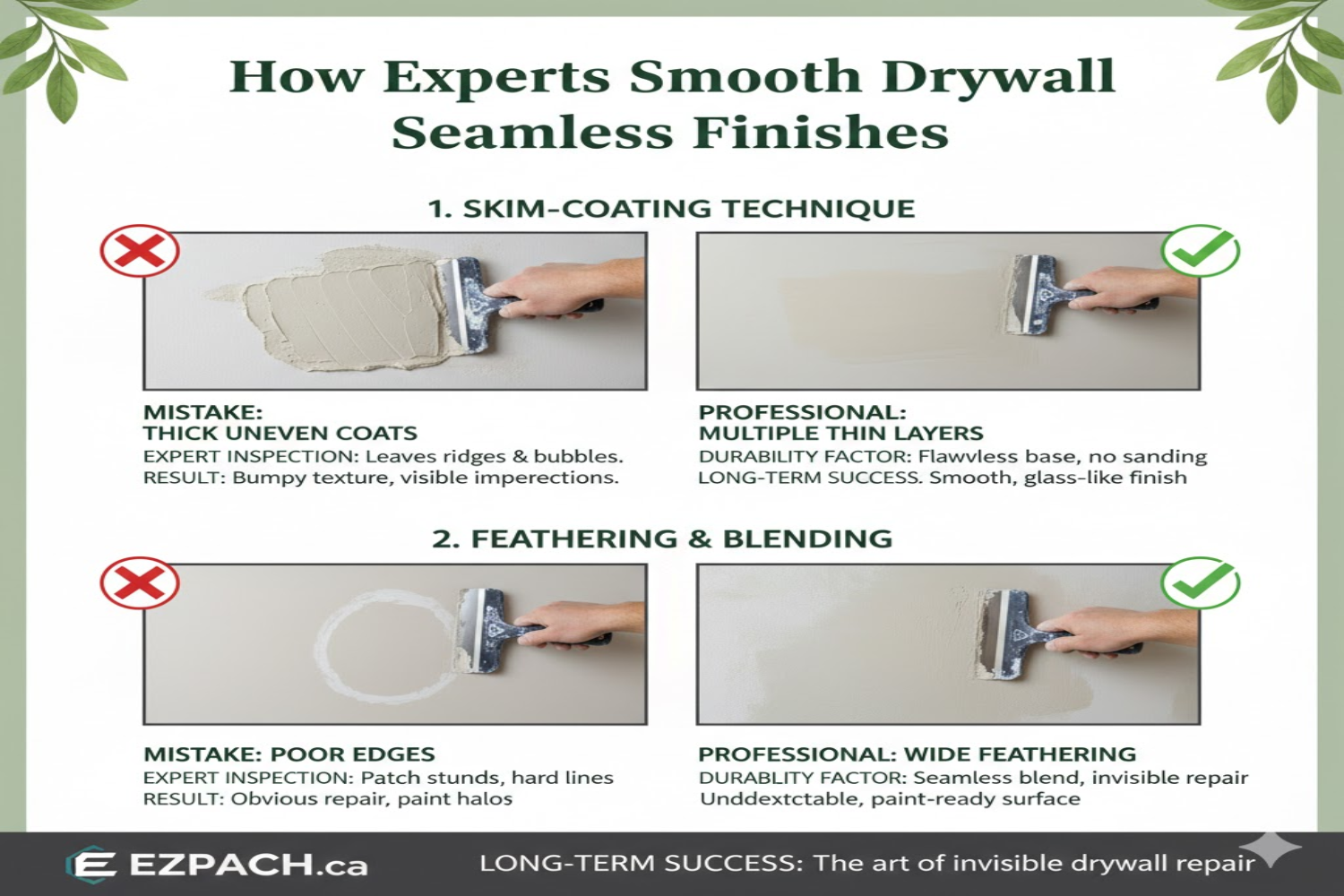
A good repair will not show any dips, ridges, or bumps when you run your hand across it. Inspectors often use flashlights at an angle to check for imperfections. A flawless surface increases the chance of passing inspection.
Properly Embedded Tape
Joint tape must be fully embedded without bubbling or lifting. Poor tape work usually leads to cracks, which inspectors consider a serious issue. Solid tape application is a sign of long-lasting repair.
Matching Wall Texture
Texture consistency is crucial for professional drywall repairs. Whether the wall is smooth, orange peel, or knockdown, the repair must match exactly. A mismatched texture indicates poor workmanship.
Blended Paint Finish
Paint should be evenly blended so the patch disappears visually. If the inspector can spot where the repair begins and ends, it may fail. A fresh coat over the entire wall is often the best way to ensure success.
Structural Issues That Lead to Failed Drywall Repairs
Sometimes drywall repairs fail not because of cosmetic flaws but because the structure behind the drywall is weak. Inspectors focus heavily on underlying problems that affect safety.
- Water-damaged studs or framing behind the wall
- Active leaks are causing repeated drywall damage
- Termite damage is affecting the support
- Warped framing that prevents even patching
- Mold growth is hidden behind repaired sections.
Moisture-Related Drywall Repairs That Fail Inspections
Moisture issues are among the biggest reasons drywall repairs fail inspections. If the drywall shows signs of staining, bubbling, or softness, inspectors know the moisture problem is still active. Simply painting over water damage is not acceptable and leads to immediate failure. Repairs must include moisture source identification and full remediation.
Inspectors also check for mold odor, discoloration, or poorly ventilated spaces around the repair. If a bathroom or basement shows moisture-related drywall damage, ventilation and waterproofing become part of the evaluation. Mold-impacted drywall must be removed, not patched over. This is a big difference in drywall repairs that pass home inspections vs fail them.
When Cosmetic Drywall Repairs Are Not Enough
Some homeowners perform basic cosmetic touch-ups without solving bigger structural problems. These kinds of repairs almost always fail inspections. Home inspectors look beyond paint and joint compound.
Repaired Cracks That Keep Reappearing
Repetitive cracks indicate foundation movement or wall shifting. Painting over them does nothing to solve the cause. Inspectors recognize these patterns easily.
Patch Marks That Stand Out
Visible patch lines show that sanding, feathering, or leveling was not done correctly. Misaligned repairs signal amateur work. Such issues lower inspection scores.
Paint Mismatch or Flashing
If the repaired area reflects light differently, it becomes noticeable. This often happens when homeowners use mismatched paint or skip primer. Inspectors consider this a quality issue.
Code-Compliance Issues That Cause Drywall Repairs to Fail
Drywall repairs must meet local building codes to pass inspections. If repairs ignore code requirements, the inspector will mark them as failures.
- Missing fire-rated drywall in garages
- Improper drywall thickness on ceilings
- Incorrect installation around electrical boxes
- Missing metal corner beads where required
- Unsealed penetrations in fire-rated walls
Drywall Repairs That Pass Final Inspection Every Time
Repairs that consistently pass inspection are thorough, structurally sound, and aligned with building codes. These repairs address both the visible and hidden issues, ensuring long-term durability. Professionals follow proper steps like stabilizing framing, replacing damaged drywall, and applying correct finishing techniques. Such repairs leave no doubt for inspectors evaluating drywall repairs that pass home inspections vs fail them.
Another factor is the uniformity of texture and paint, which repairs blend seamlessly with the existing wall. Good sanding and feathering techniques make the surface appear naturally smooth. When the repair is invisible, it reflects high skill and care. This level of quality guarantees approval during home inspections.
Conclusion
Drywall repairs play a significant role in whether a home passes or fails inspection, especially when selling or renovating a property. Inspectors look for smooth finishes, stable structures, and repairs that address root causes rather than hide them. When homeowners understand the difference between drywall repairs that pass home inspections vs fail them, they can avoid unnecessary rework and ensure long-lasting results. The key is performing repairs that meet professional and code-compliant standards.
Quality drywall repairs don’t just help the home look good — they help it stand strong over time. Whether dealing with moisture damage, cracks, or structural weaknesses, proper repairs always make a difference during inspections. A well-executed repair blends with the wall, maintains safety, and meets code requirements. Keeping this in mind ensures every homeowner can achieve drywall repairs that pass home inspections, vs fail them successfully.
FAQs
1. Why do drywall seams crack after repair?
Because movement in framing or improper taping causes tension. If the root cause isn’t fixed, cracks reappear.
2. Can painting over a drywall patch help pass inspection?
Only if the repair underneath is strong and smooth. Paint alone won’t hide structural flaws.
3. Do small nail pops cause inspection failure?
Not usually, but excessive pops indicate framing movement. Inspectors will check for underlying issues.
4. Will mismatched texture fail a home inspection?
It can, because it shows poor workmanship. Inspectors expect corrections before approval.
5. Can mold-damaged drywall ever be repaired?
No, it must be removed entirely. Repairs to mold always fail inspections.
6. Do inspectors check behind drywall during evaluation?
Only if there are signs of hidden damage. Visible clues often lead to deeper inspection.
7. Does drywall around electrical boxes need special repair?
Yes, gaps must be properly sealed for safety. Loose or uneven cuts may fail inspection.
8. Why do patched holes sometimes sink in over time?
Because the compound wasn’t layered correctly. Shrinkage causes visible depressions later.
Drywall Repair Halifax
EZ Patch offers clean, professional drywall, ceiling, plaster, and water damage repair services in Halifax with minimal mess and long-lasting results.
EZ Patch – Drywall Repair Experts
Trusted drywall repair professionals serving Halifax and nearby areas.
Drywall Patch & Repair
Seamless drywall repairs for holes, cracks, dents, and damaged walls.
Ceiling Repairs
Professional ceiling repair services for stains, cracks, and water damage.
Drywall Installation
Complete drywall installation services for renovations and new builds.
Taping & Mudding
Smooth, paint-ready wall finishes by expert drywall finishers.
Plaster Repair Experts
Precision plaster repair services while maintaining original wall texture.
Water Damage Repair
Drywall and ceiling restoration for properties affected by water damage.
Texture Matching
Accurate texture blending so repaired areas match existing finishes.
Installation, Repair & Removal
End-to-end drywall installation, repair, and removal solutions.