Drywall repairs may look like a basic home maintenance task, but they involve important safety and legal considerations. Without following drywall repair safety & code compliance tips, even small repairs can lead to health hazards, fire risks, or failed inspections. Proper drywall repair ensures long-term durability, occupant safety, and compliance with local building regulations.
Understanding drywall repair safety & code compliance tips helps homeowners and contractors avoid costly mistakes. From personal protection to fire-rated drywall requirements, every step must align with safety standards. A well-planned repair not only improves appearance but also maintains structural and legal integrity.
Importance of Drywall Repair, Safety & Code Compliance Tips
Drywall serves as a protective barrier against fire, sound transmission, and temperature fluctuations. Ignoring drywall repair safety & code compliance tips can weaken these protections and create unsafe living conditions. Building codes exist to ensure drywall performs its intended safety functions.
Compliance also protects property value and insurance eligibility. Proper drywall repair safety & code compliance tips ensure repairs meet minimum safety standards. Following these guidelines reduces long-term risks and future repair costs.
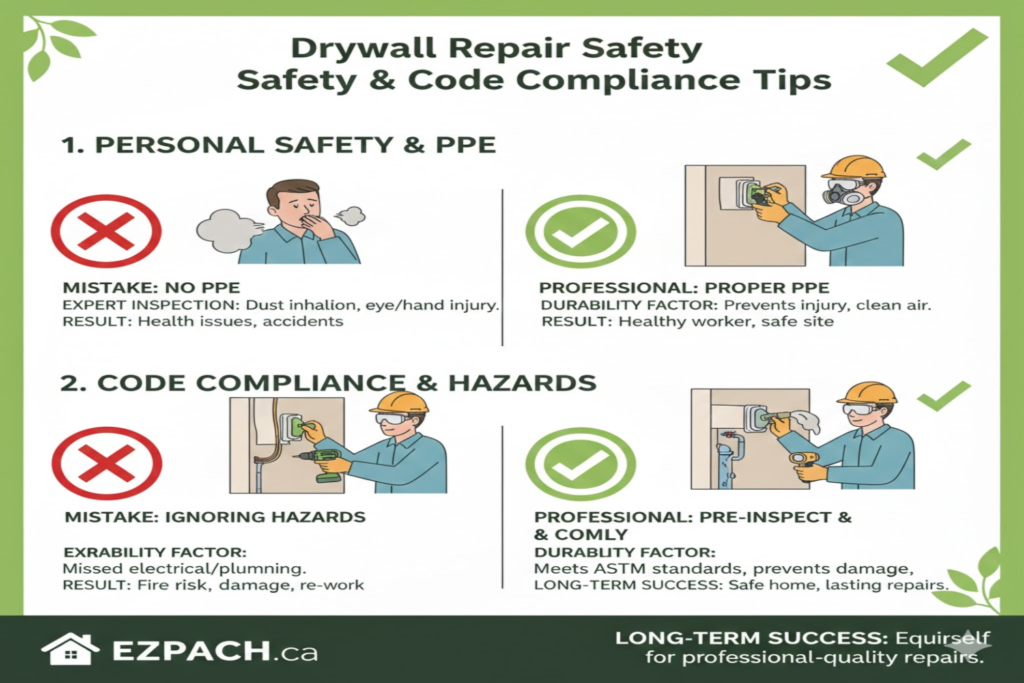
Personal Protective Equipment for Drywall Repair Safety
Personal protective equipment is essential for drywall repair safety & code compliance tips. Drywall dust, sharp edges, and heavy materials can cause serious injuries. Using PPE minimizes exposure to these risks.
Proper protective equipment also aligns with occupational safety standards. Even DIY drywall repair projects require safety preparation.
Eye Protection and Visibility Safety
Drywall cutting and sanding release particles that can irritate or damage the eyes. Safety goggles prevent debris from entering the eyes. Clear visibility also improves precision and reduces mistakes.
Respiratory Protection for Drywall Dust
Drywall dust contains fine particles that can be inhaled easily. Wearing a dust mask or respirator protects lung health. Long-term exposure without protection may cause respiratory issues.
Hand and Skin Protection Measures
Drywall panels have rough surfaces and sharp edges. Gloves protect hands from cuts and abrasions. Wearing long sleeves minimizes skin irritation during sanding.
Safe Material Handling in Drywall Repair Compliance
Handling drywall correctly is a key part of drywall repair, safety & code compliance tips. Drywall sheets are heavy and awkward, making them difficult to maneuver safely. Improper lifting can result in back injuries or falls.
Correct storage and transport also prevent material damage. Damaged drywall may fail to meet code requirements.
Proper Lifting Techniques
Always lift drywall using leg strength instead of your back. Large sheets should be carried with assistance. Avoid twisting movements while lifting.
Storage for Code-Compliant Drywall
Drywall should be stored flat on a dry surface. Moisture exposure weakens drywall panels. Proper storage preserves material integrity.
Transport Safety Practices
Drywall must be secured during transport to prevent shifting. Falling sheets can cause injuries or breakage. Safe transport reduces waste and hazards.
Electrical Safety in Drywall Repair Code Compliance
Electrical hazards are common during drywall repairs. Drywall repair safety & code compliance tips emphasize awareness of wiring and electrical components. Accidental contact with live wires can cause serious injuries.
Electrical code compliance ensures wiring remains accessible and protected. Repairs must not obstruct electrical systems.
Identifying Electrical Wiring Locations
Stud finders with wire detection help locate hidden wiring. Outlets and switches indicate wiring paths. Cutting without inspection increases risk.
Power Shutoff Procedures for Safety
Always turn off the electricity before repairing drywall near wiring. Test circuits to confirm power is off. This prevents accidental shocks.
Electrical Code Requirements
Electrical boxes must remain exposed and accessible. Drywall cannot cover junction boxes. Compliance prevents fire hazards.
Fire-Resistant Drywall Safety & Code Compliance Tips
Fire resistance is a major reason drywall codes exist. Drywall repair safety & code compliance tips include using fire-rated drywall where required. These materials slow fire spread and protect structures.
Improper fire-rated drywall installation can invalidate safety features. Codes specify material types and installation methods.
Fire-Rated Drywall Types
Type X drywall provides enhanced fire resistance. It is commonly required in garages and shared walls. Using incorrect drywall violates the code.
Installation Standards for Fire Safety
Fire-rated drywall must meet thickness requirements. Proper screw spacing is essential. Gaps reduce fire resistance.
Common Fire Code Violations
Using standard drywall instead of fire-rated panels is a common mistake. Missing joint compound weakens protection. Improper fastening compromises safety.
Ceiling Drywall Repair Safety & Code Rules
Ceiling drywall repairs pose higher safety risks due to gravity. Drywall repair safety & code compliance tips stress using the correct materials. Sagging ceilings can become dangerous.
Ceiling installations require extra care and support.
- Use thicker drywall panels.
- Secure drywall to joists properly
- Avoid excessive joint compound weight.
- Follow fire-rating rules
- Inspect framing before repair.
Structural Safety in Drywall Repair Compliance
Although drywall is non-load-bearing, improper repairs affect wall stability. Drywall repair safety & code compliance tips stress protecting framing elements. Structural damage behind drywall must never be ignored.
Understanding framing layout is critical before cutting. Structural safety ensures long-term durability.
Stud and Joist Awareness
Studs and joists provide wall support. Cutting into them weakens the structure. Always locate framing before repair.
Fastener Placement Rules
Screws must be evenly spaced. Overdriving damages drywall. Proper placement improves stability.
Supporting Heavy Fixtures
Drywall alone cannot support heavy items. Anchors or framing support are required. Code compliance prevents accidents.
Moisture Control in Drywall Repair Safety
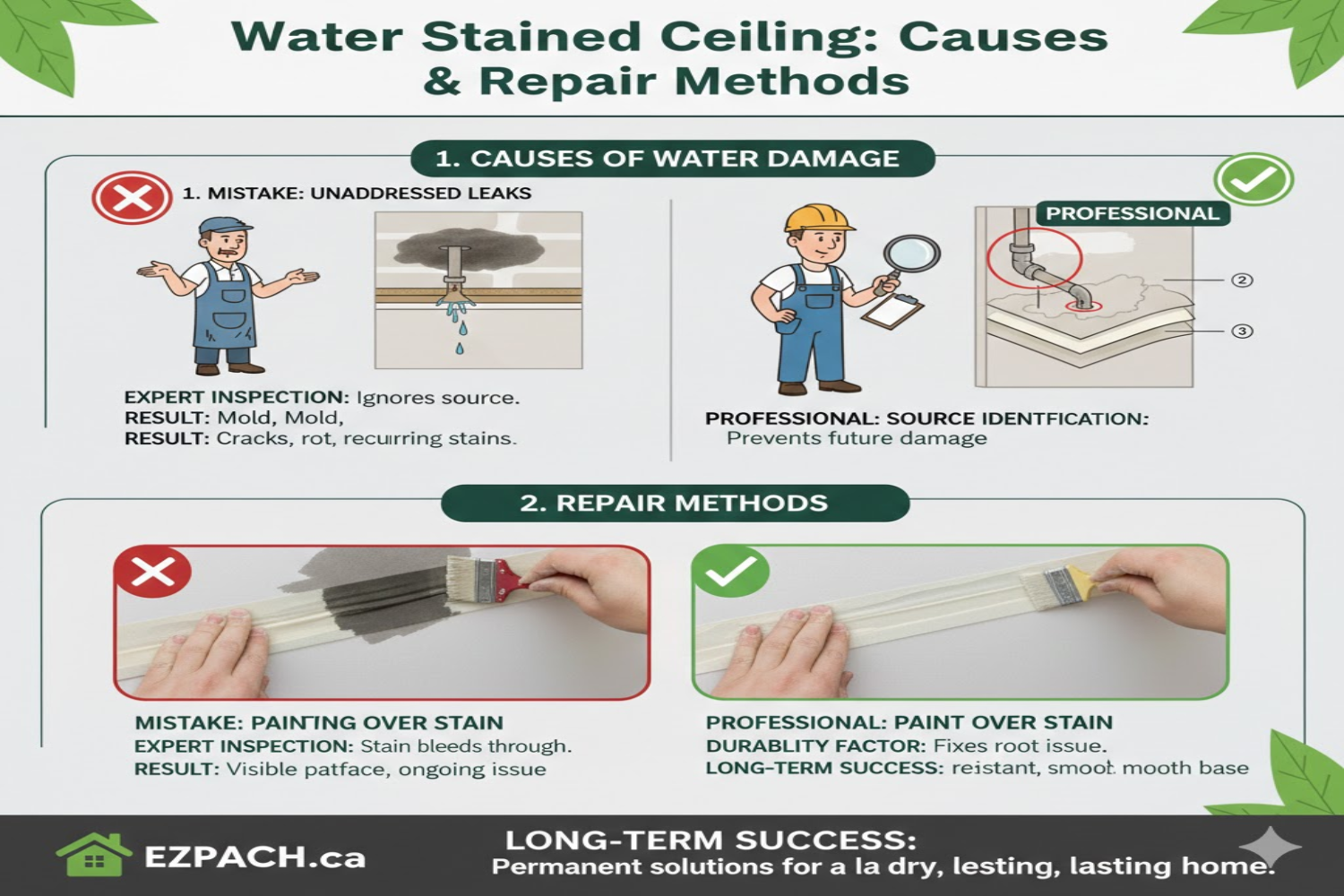
Moisture is one of the biggest threats to drywall safety. Drywall repair safety & code compliance tips require addressing moisture sources first. Mold growth can lead to serious health issues.
Ignoring moisture leads to recurring damage. Proper drying and materials reduce risks.
- Fix leaks before repairing drywall.
- Use moisture-resistant drywall in wet areas.
- Allow surfaces to dry completely.
- Improve ventilation during repairs.
- Apply mold-resistant primers
Drywall Thickness and Fastener Code Compliance
Drywall repair safety & code compliance tips specify minimum thickness and fastening standards. These rules ensure strength and fire resistance. Failure to comply results in weak installations.
Local codes may vary slightly. Always verify requirements.
- Walls typically require 1/2-inch drywall.l
- Ceilings often require 5/8-inch drywall.
- Fastener spacing must meet code.
- Use corrosion-resistant screws
- Improper spacing causes sagging.
Permit and Inspection Requirements for Drywall Repair Safety
Permits are often required for drywall repairs affecting the structure or fire resistance. Drywall repair safety & code compliance tips include understanding local permit laws. Inspections verify code adherence.
Skipping permits can lead to legal and financial consequences. Proper approval protects homeowners.
When Permits Are Necessary
Structural changes usually require permits. Fire-rated wall repairs often need approval. Large repairs trigger inspections.
Inspection Process Explained
Inspectors review materials and installation methods. Corrections may be required. Passing inspection confirms safety.
Risks of Non-Compliance
Failed inspections delay projects. Fines or rework may occur. Insurance claims may be denied.
Tool Safety in Drywall Repair Code Compliance
Tools used in drywall repair can be hazardous. Drywall repair safety & code compliance tips stress correct tool usage. Improper handling causes injuries.
Using tools safely improves efficiency and accuracy.
Hand Tool Safety Guidelines
Sharp blades require controlled movements. Tools should be stored securely. Cutting toward the body is dangerous.
Power Tool Precautions
Power tools must be grounded. Protective gear is essential. Follow manufacturer instructions.
Ladder and Height Safety
Ladders must be stable and level. Avoid overreaching. Maintain balance at all times.
Drywall Waste Disposal Safety & Code Compliance Tips
Drywall waste disposal must follow regulations. Drywall repair safety & code compliance tips include responsible disposal methods. Improper disposal can violate environmental laws.
Recycling may be available in some areas. Clean disposal protects the environment.
Waste Segregation Methods
Separate drywall from other debris. Follow local disposal guidelines. Avoid contamination.
Dust Control During Removal
Contain dust using sealed bags. Protect indoor air quality. Use ventilation when necessary.
Environmental Responsibility
Recycle drywall when possible. Reduce landfill waste. Follow disposal regulations.
Common Drywall Repair Safety and Code Mistakes
Many drywall issues result from avoidable mistakes. Drywall repair safety & code compliance tips help prevent these errors. Awareness improves outcomes.
Mistakes often lead to costly rework and failed inspections.
- Ignoring fire-rated drywall rules
- Skipping protective equipment
- Covering electrical boxes
- Using the wrong drywall thickness
- Failing to secure permits
Conclusion
Drywall repair safety & code compliance tips are essential for every repair project, regardless of size. Proper safety measures protect occupants, while code compliance ensures legal and structural integrity. Ignoring these guidelines can lead to serious consequences.
By following drywall repair safety & code compliance tips, homeowners and contractors can complete repairs confidently. Safe practices, correct materials, and proper approvals ensure long-lasting results. Compliance always adds value and peace of mind.
FAQs
1. Do drywall codes apply to DIY repairs?
Yes, building codes apply regardless of who performs the repair. DIY projects must still meet safety standards.
2. Can drywall repairs affect home insurance?
Improper repairs can void claims. Insurance companies expect code-compliant work.
3. Is special drywall required near furnaces?
Yes, fire-rated drywall is often required. Local codes specify materials.
4. How can I verify drywall code requirements?
Contact local building authorities or inspectors. They provide accurate guidance.
5. Are permits needed for ceiling drywall repairs?
Minor cosmetic repairs usually do not. Structural or fire-rated work often requires permits.
6. Can drywall be repaired over old damage?
Only if the underlying structure is sound. Damaged framing must be fixed first.
7. Does drywall thickness affect safety?
Yes, thickness impacts fire resistance and strength. Codes specify minimum thickness.
8. What happens if drywall repair fails inspection?
Repairs must be corrected and reinspected. Non-compliance delays completion.
Drywall Repair Halifax
EZ Patch offers clean, professional drywall, ceiling, plaster, and water damage repair services in Halifax with minimal mess and long-lasting results.
EZ Patch – Drywall Repair Experts
Trusted drywall repair professionals serving Halifax and nearby areas.
Drywall Patch & Repair
Seamless drywall repairs for holes, cracks, dents, and damaged walls.
Ceiling Repairs
Professional ceiling repair services for stains, cracks, and water damage.
Drywall Installation
Complete drywall installation services for renovations and new builds.
Taping & Mudding
Smooth, paint-ready wall finishes by expert drywall finishers.
Plaster Repair Experts
Precision plaster repair services while maintaining original wall texture.
Water Damage Repair
Drywall and ceiling restoration for properties affected by water damage.
Texture Matching
Accurate texture blending so repaired areas match existing finishes.
Installation, Repair & Removal
End-to-end drywall installation, repair, and removal solutions.