What makes choosing between a DIY project and a professional installation so critical? Homeowners often struggle with this decision, weighing time, cost, and quality. Understanding the nuances of each approach can save money and prevent frustration.
How does one determine whether to tackle a project themselves or hire a professional? The answer often lies in analyzing skill levels, material costs, and long-term outcomes. By exploring these factors, homeowners can make an informed choice that balances efficiency and quality.
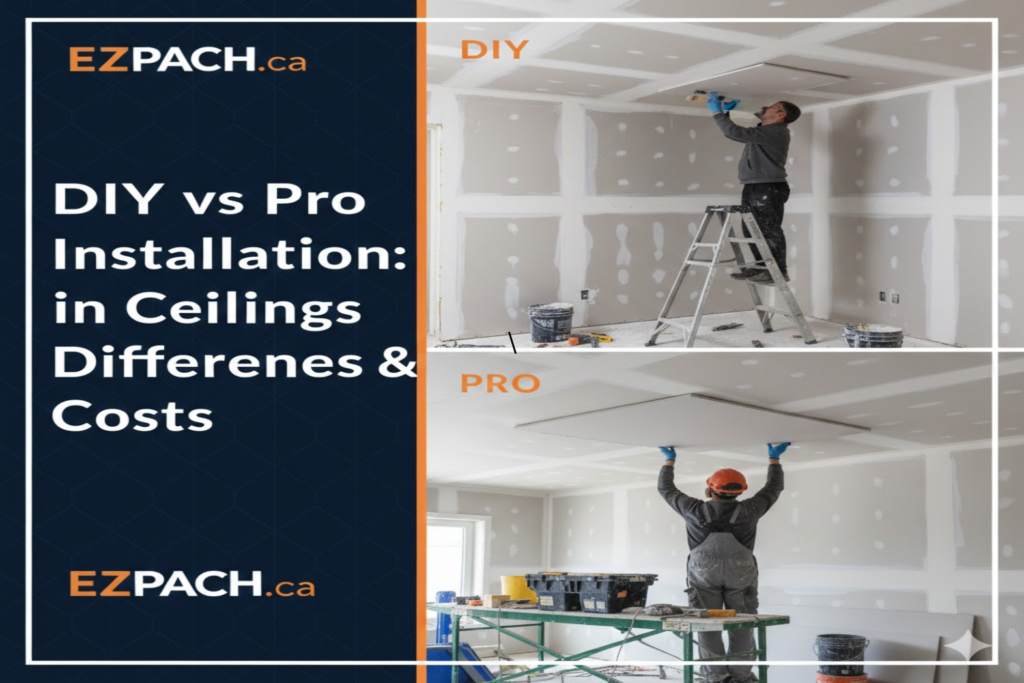
Understanding DIY Installation
DIY installation allows homeowners to take control of their projects. What you save in labor costs can sometimes be offset by mistakes or extended project time.
How DIY can affect overall results varies depending on the project type. Small-scale projects like hanging shelves or painting walls are manageable, but complex installations, such as flooring or drywall, require careful planning and skill.
Common DIY Projects
- Installing shelves and cabinets: Simple yet requires measuring accuracy.
- Painting and staining: Requires prep work to avoid uneven finishes.
- Small electrical tasks: Only safe if you have basic knowledge and local code compliance.
Benefits of DIY
- Saves money on labor costs.
- Offers a sense of accomplishment.
- Flexible timing—work at your own pace.
Drawbacks of DIY
- Risk of mistakes that may cost more to fix.
- Requires time and patience.
- Tools and equipment may be an additional upfront cost.
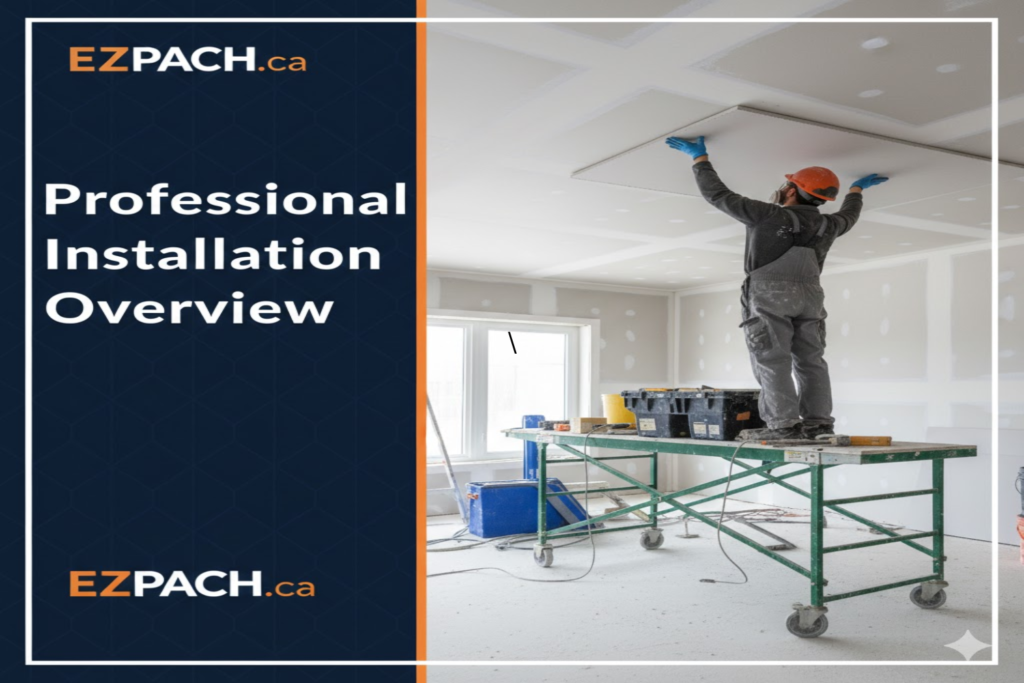
Professional Installation Overview
What defines professional installation? Licensed experts handle the project from start to finish, ensuring compliance, efficiency, and quality results.
How does this affect homeowners? Professionals bring experience, access to specialized tools, and knowledge that reduces risks. Even though labor costs are higher, the long-term benefits often justify the expense.
Services Professionals Provide
- Precise measurements and installation.
- Expert handling of tools and materials.
- Code-compliant electrical, plumbing, and structural work.
- Warranty or service guarantee.
Benefits of Hiring a Pro
- Faster completion with fewer errors.
- Access to quality materials and tools.
- Long-lasting results with lower maintenance needs.
Drawbacks of Professional Installation
- Higher upfront cost.
- Scheduling can be less flexible.
- Limited personal involvement in the process.
Cost Comparison: DIY vs Pro
How much does each approach cost on average? Costs vary depending on project size, material choice, and region, but general trends are identifiable.
DIY Costs
- Materials: Typically, the main expense.
- Tools: One-time purchase or rental.
- Time: Longer completion time may have indirect costs.
Professional Costs
- Labor: 50–70% of total costs for many projects.
- Materials: Often slightly higher due to supplier markups.
- Warranty: Adds value but also a slight cost increase.
Time Investment Differences
What about time considerations? DIY projects usually take longer due to learning curves and trial-and-error.
Professionals can complete projects in a fraction of the time because they have experience, tools, and teams in place.
DIY Timeline Examples
- Painting a room: 1–3 days.
- Installing cabinets: 2–5 days.
- Flooring installation: 3–7 days, depending on complexity.
Professional Timeline Examples
- Painting a room: 1 day.
- Cabinet installation: 1–2 days.
- Flooring: 2–3 days for the same space.
Skill Level and Learning Curve
How critical is skill in DIY projects? Skill level directly affects outcome quality, mistakes, and project duration.
Professionals bring years of training, allowing them to handle unforeseen challenges. DIYers must be prepared to invest time learning techniques or risk lower-quality results.
DIY Skill Assessment
- Beginner: Basic home repairs and decor.
- Intermediate: Moderate tasks like small carpentry or tiling.
- Advanced: Full room renovations or electrical work.
Professional Expertise
- Licensed and trained in specialized skills.
- Experience in troubleshooting and complex installations.
- Knowledge of local building codes and safety standards.
Risk Factors in DIY vs Professional Installation
What risks exist for DIY projects? Injuries, mistakes, and non-compliance with codes are common risks.
Professionals reduce risk with proper safety protocols, tools, and knowledge. Hiring a pro often protects your home and reduces long-term costs.
Common DIY Risks
- Physical injury.
Costly mistakes. - Voided warranties if installation errors occur.
Professional Risk Mitigation
- Liability insurance covers accidents.
- Proper planning reduces material waste.
- Guarantees repair or redo if mistakes occur.
Quality and Longevity Differences
How does the installation method affect durability? DIY results often vary, depending on skill and attention to detail.
Professional installations tend to last longer due to precision, quality control, and adherence to best practices. Regular maintenance also becomes easier with expert work.
Tools, Equipment, and Material Considerations
DIY Tools Needed
- Measuring tape, level, and screwdriver set.
- Power tools like drills or saws.
- Safety gear: gloves, goggles, masks.
Professional Tools
- Specialized cutting and measuring devices.
- High-grade installation equipment.
- Access to professional-grade materials.
Decision Factors: DIY vs Pro
What should homeowners consider when choosing?
- Budget limitations.
- Project complexity.
- Available time and skill.
- Long-term maintenance considerations.
- Warranty and insurance needs.
Unique Cost Comparison Table
| Project Type | DIY Average Cost | Professional Average Cost | Time Required DIY | Time Required Pro |
| Painting Room | $100–$300 | $300–$600 | 1–3 days | 1 day |
| Cabinet Installation | $200–$500 | $800–$1,200 | 2–5 days | 1–2 days |
| Flooring Installation | $500–$1,500 | $1,500–$3,000 | 3–7 days | 2–3 days |
| Drywall Installation | $200–$600 | $1,000–$2,000 | 2–4 days | 1–2 days |
| Electrical Fixtures | $50–$150 | $150–$500 | 1–2 days | 0.5–1 day |
Conclusion
DIY vs Pro installation decisions hinge on balancing cost, time, and quality. Homeowners must evaluate their skill level, the complexity of the project, and their willingness to invest time. While DIY can save money, it often requires patience and learning.
Professional installation provides peace of mind, faster completion, and long-term quality assurance. Considering all factors, the right choice ensures the project is both satisfying and durable. Understanding these differences helps homeowners make informed decisions that suit their needs and budget.
FAQs
1. Can DIY installation affect home resale value?
Yes, poor DIY work can lower home value, while professional installation often adds appeal. Quality and finish are key factors that buyers notice.
2. Is professional installation always more expensive than DIY?
Typically, yes, due to labor costs, but it may save money in the long run by reducing mistakes.
3. Do DIY projects require permits?
Some do, especially electrical or plumbing work. Always check local building codes before starting.
4. Can DIY installations be insured?
Home insurance may cover DIY projects if completed safely, but mistakes causing damage may not be covered.
5. Are there tools professionals always have that DIYers lack?
Yes, professionals use high-grade, specialized tools not typically available to homeowners.
6. How can a beginner start a DIY project safely?
Start with small, low-risk tasks and invest in proper safety equipment and tutorials.
7. Can hiring a professional speed up complex installations?
Yes, experienced teams complete projects faster with fewer errors and delays.
8. Is there a hybrid approach between DIY and pro installation?
Yes, homeowners can handle prep work or minor tasks themselves while hiring professionals for critical steps.
Drywall Repair Halifax
EZ Patch offers clean, professional drywall, ceiling, plaster, and water damage repair services in Halifax with minimal mess and long-lasting results.
EZ Patch – Drywall Repair Experts
Trusted drywall repair professionals serving Halifax and nearby areas.
Drywall Patch & Repair
Seamless drywall repairs for holes, cracks, dents, and damaged walls.
Ceiling Repairs
Professional ceiling repair services for stains, cracks, and water damage.
Drywall Installation
Complete drywall installation services for renovations and new builds.
Taping & Mudding
Smooth, paint-ready wall finishes by expert drywall finishers.
Plaster Repair Experts
Precision plaster repair services while maintaining original wall texture.
Water Damage Repair
Drywall and ceiling restoration for properties affected by water damage.
Texture Matching
Accurate texture blending so repaired areas match existing finishes.
Installation, Repair & Removal
End-to-end drywall installation, repair, and removal solutions.