Drywall damage is one of the most common issues homeowners face, whether caused by accidental impacts, moisture, or general wear and tear. Small holes and cracks may seem easy to fix, but not all drywall damage is created equal. Understanding DIY drywall patch vs professional repair: when to call experts helps homeowners avoid costly mistakes and long-term structural problems.
Many people attempt drywall repairs without realizing the complexity involved. While some repairs are suitable for DIY solutions, others require professional skills, tools, and experience. Knowing the difference between DIY drywall patch vs professional repair: when to call experts ensures that your walls remain durable, smooth, and visually appealing.
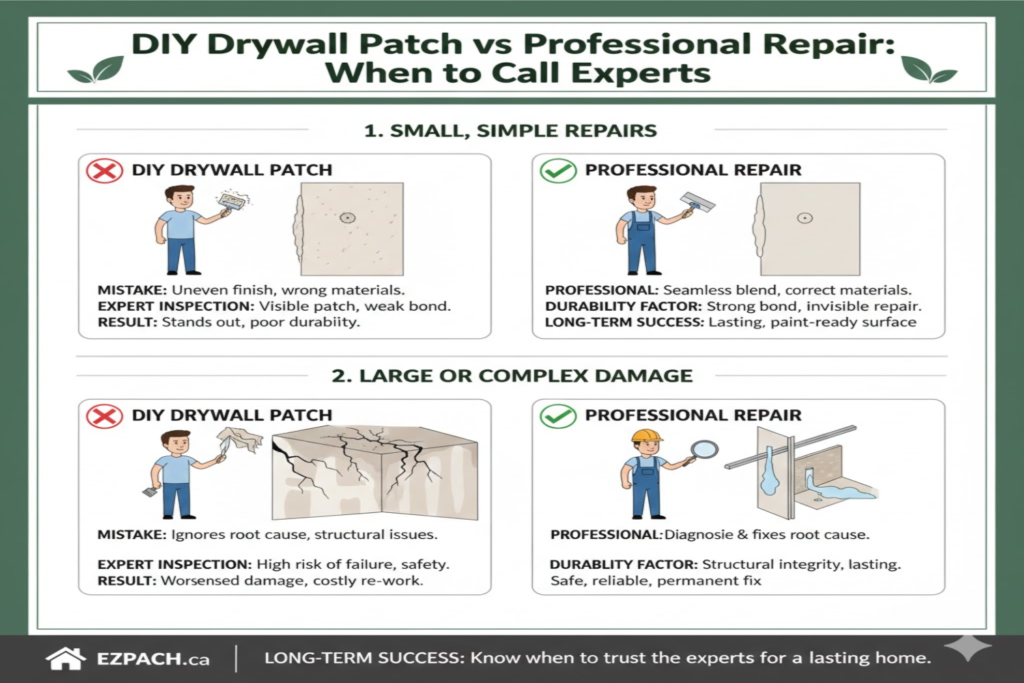
Understanding Common Types of Drywall Damage
Drywall damage can range from minor cosmetic issues to serious structural problems. Small nail holes, dents, and hairline cracks are often harmless but still affect appearance. Larger holes, water damage, and sagging drywall can indicate deeper concerns.
Identifying the type of damage is essential before deciding between DIY drywall patch vs professional repair: when to call experts. Misjudging the severity can lead to repeated repairs and higher costs over time.
Small Nail and Screw Holes
These holes usually occur from hanging pictures or shelves. They are shallow and easy to access. Most homeowners can repair them without professional help. Lightweight spackle and simple sanding usually fix the issue. These repairs are mainly cosmetic.
Dents and Minor Cracks
Dents often result from furniture impact or door handles. Cracks may appear due to settling or temperature changes. They are generally surface-level issues. DIY patch kits work well for these problems. Proper sanding ensures a smooth finish.
Large Holes and Structural Damage
Large holes may occur due to accidents or plumbing access points. These often expose framing or insulation. Structural integrity may be compromised. Professional repair is usually required. Improper fixes can weaken the wall further.
What Is a DIY Drywall Patch?
A DIY drywall patch is a simple repair method used to fix minor wall damage, such as small holes, cracks, or dents, without hiring a professional. It typically involves basic tools like joint compound, patch kits, sandpaper, and a putty knife to restore the surface. This approach is popular among homeowners because it is cost-effective and suitable for light cosmetic repairs.
DIY drywall patch solutions are best for non-structural damage that does not involve moisture or framing issues. When done correctly, a DIY drywall patch can blend seamlessly with the surrounding wall after sanding and painting. Understanding the limits of a DIY drywall patch helps ensure durable results and prevents further wall damage.
Advantages of DIY Drywall Repair
DIY drywall repairs offer several benefits for homeowners. Cost savings and convenience are the main advantages. Small repairs can be completed quickly without scheduling professionals.
DIY repairs also allow homeowners to learn basic maintenance skills. However, these advantages apply only to minor damage.
DIY drywall patch vs professional repair: when to call experts becomes important when weighing convenience against quality and safety.
Risks and Mistakes of DIY Drywall Patching
DIY drywall patching carries risks when performed incorrectly. Uneven surfaces, visible seams, and poor paint matching are common mistakes. These issues reduce visual appeal.
Improper repairs can also hide deeper problems. Moisture damage or structural issues may worsen unnoticed.
Understanding these risks helps homeowners decide between DIY drywall patch vs professional repair: when to call experts. Some mistakes cost more to fix than hiring a professional initially.
What Does Professional Drywall Repair Involve?
Professional drywall repair involves trained technicians assessing damage and applying long-term solutions. Experts use advanced tools and techniques. Their goal is durability, safety, and seamless appearance.
Professional services address both visible damage and underlying issues. This comprehensive approach prevents recurring problems.
Professional Damage Assessment
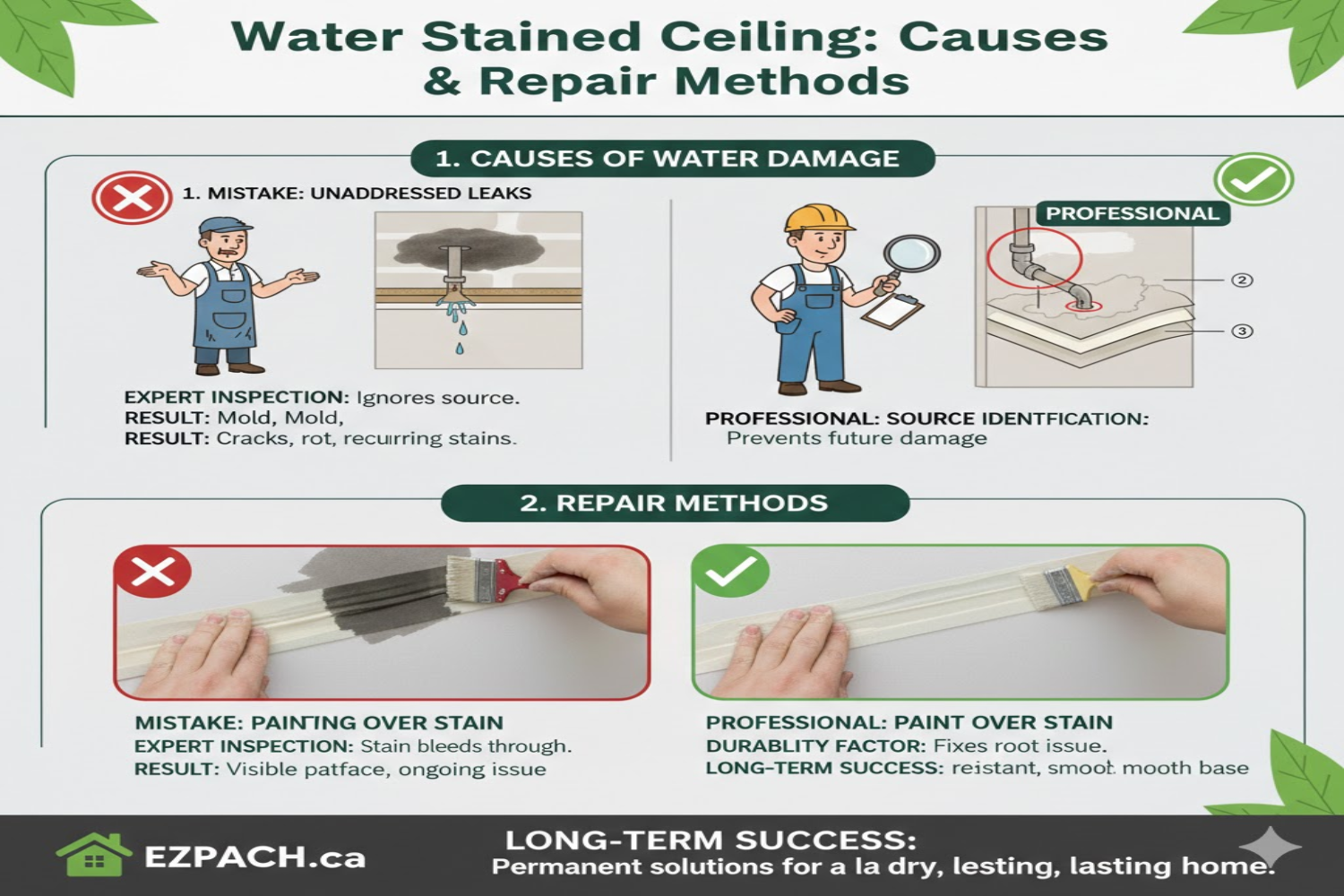
Experts inspect drywall for moisture, mold, or framing issues. This assessment determines repair complexity. Hidden damage is often discovered. Accurate diagnosis ensures proper repair. It prevents unnecessary future costs.
Advanced Repair Techniques
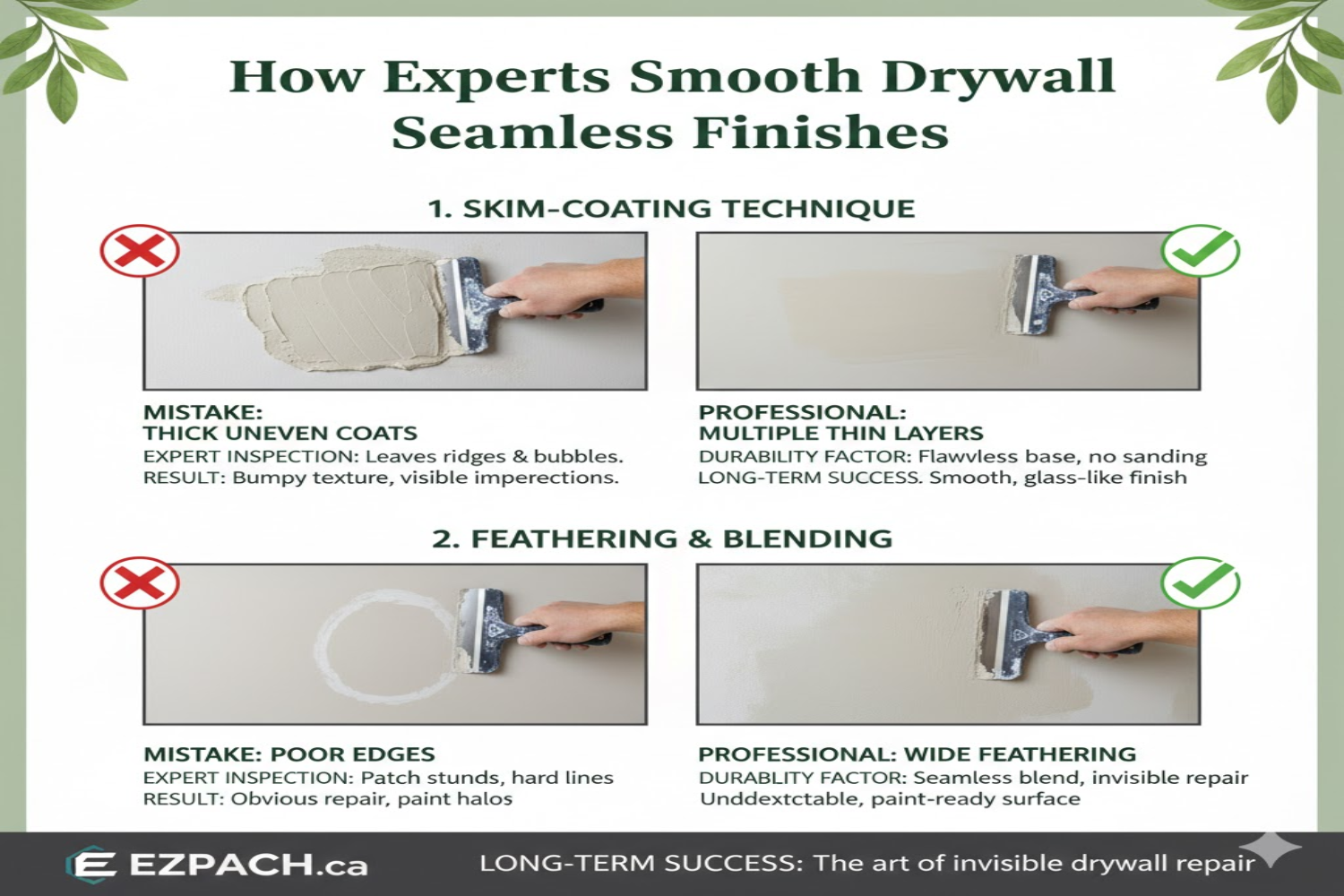
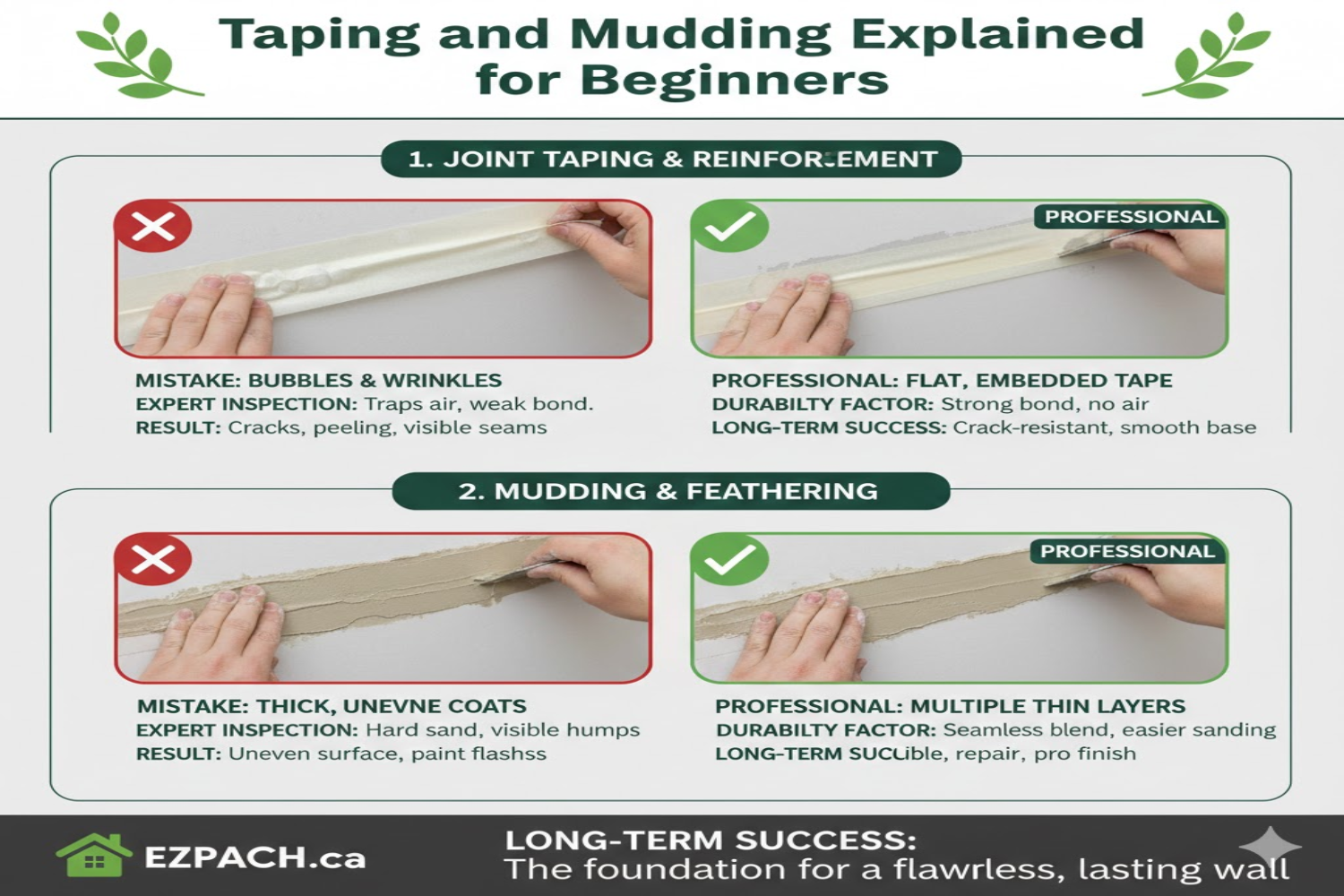
Professionals use precision cutting, reinforcement, and multi-layer finishing. These techniques restore strength and appearance. Texture matching ensures consistency. Advanced methods outperform basic DIY fixes. Results are long-lasting.
Final Finishing and Paint Matching
Professionals blend repairs seamlessly with existing walls. Paint matching eliminates visible differences. The repair becomes virtually invisible. This level of finish is difficult to achieve with DIY methods. Professional results enhance property value.
When DIY Drywall Patch Is Appropriate
DIY drywall patching is suitable for minor cosmetic damage. Small holes, shallow dents, and surface cracks are ideal candidates. These repairs do not affect structural integrity.
Understanding limits is key in DIY drywall patch vs professional repair: when to call experts. Attempting complex repairs without experience often leads to failure. If the damage is small, dry, and easily accessible, DIY repair can be effective and economical.
When You Should Call Professional Drywall Experts
Some situations require professional expertise immediately. Ignoring these signs can lead to safety risks and costly repairs. Professionals ensure correct and lasting solutions.
Short paragraph:
Professional repair is necessary when damage affects structure, safety, or moisture control.
Call Experts If You Notice:
- Large holes exposing studs
- Water-damaged drywall
- Sagging or soft walls
- Mold growth
- Repeated crack formation
Cost Comparison Between DIY and Professional Repair
The cost comparison between DIY drywall repair and professional repair depends on the size, severity, and location of the damage. DIY drywall repair usually has a lower upfront cost but may require repeat fixes if not done correctly. Professional drywall repair costs more initially but delivers long-lasting, high-quality results that reduce future repair expenses.
Cost Comparison: DIY Drywall Repair vs Professional Repair
| Repair Type | Average Cost Range | What’s Included | Long-Term Value |
| DIY Drywall Repair | $20 – $80 | Patch kit, joint compound, sandpaper, basic tools | Low to moderate; risk of rework |
| Professional Drywall Repair | $150 – $600 | Expert labor, materials, texture matching, paint blending | High, durable, and seamless finish |
Long-Term Impact on Home Value and Safety
Drywall repairs affect both appearance and safety. Poor repairs reduce home value. Structural issues pose safety hazards. Professional repairs protect investment and ensure safety. DIY fixes should never compromise the structure.
Conclusion
Understanding DIY drywall patch vs professional repair: when to call experts helps homeowners make informed decisions. While DIY solutions work for small cosmetic damage, larger or complex issues require professional attention. Knowing your limits prevents costly mistakes and recurring problems.
Choosing the right approach ensures durability, safety, and visual appeal. DIY drywall patch vs professional repair: when to call experts is not just about cost, but about long-term value. Professional repairs provide peace of mind and lasting results.
FAQs
1. Can DIY drywall repairs affect wall strength?
Yes, improper repairs can weaken drywall. Structural issues require professional reinforcement.
2. Are drywall repair kits reliable for beginners?
They work for small holes but not for major damage. Skill level affects results.
3. How long do professional drywall repairs last?
When done correctly, they last many years. Quality materials improve durability.
4. Can hidden water damage be repaired DIY?
No, hidden moisture issues require professional inspection. DIY fixes may hide damage.
5. Is drywall repair noisy or messy?
Yes, sanding creates dust. Professionals use containment methods to reduce mess.
6. Can poor drywall repairs lead to mold growth?
Yes, trapped moisture increases mold risk. Proper repair prevents this issue.
7. Does drywall repair require permits?
Minor repairs usually do not. Structural repairs may require permits.
8. Can drywall repairs increase home resale value?
Yes, professional repairs improve appearance and buyer confidence.
Drywall Repair Halifax
EZ Patch offers clean, professional drywall, ceiling, plaster, and water damage repair services in Halifax with minimal mess and long-lasting results.
EZ Patch – Drywall Repair Experts
Trusted drywall repair professionals serving Halifax and nearby areas.
Drywall Patch & Repair
Seamless drywall repairs for holes, cracks, dents, and damaged walls.
Ceiling Repairs
Professional ceiling repair services for stains, cracks, and water damage.
Drywall Installation
Complete drywall installation services for renovations and new builds.
Taping & Mudding
Smooth, paint-ready wall finishes by expert drywall finishers.
Plaster Repair Experts
Precision plaster repair services while maintaining original wall texture.
Water Damage Repair
Drywall and ceiling restoration for properties affected by water damage.
Texture Matching
Accurate texture blending so repaired areas match existing finishes.
Installation, Repair & Removal
End-to-end drywall installation, repair, and removal solutions.