Drywall is one of the most commonly used construction materials in modern homes and commercial buildings. Despite its affordability and versatility, drywall is not immune to damage and can deteriorate over time due to various internal and external factors. Understanding the common types of drywall damage is essential for homeowners, contractors, and property managers to maintain structural integrity and interior aesthetics.
Common types of drywall damage can range from minor cosmetic issues to severe structural problems that require professional intervention. Identifying these damages early helps prevent costly repairs and ensures the safety of occupants. This guide explores the most common types of drywall damage, their causes, warning signs, and practical solutions to address them effectively.
Cracks in Drywall
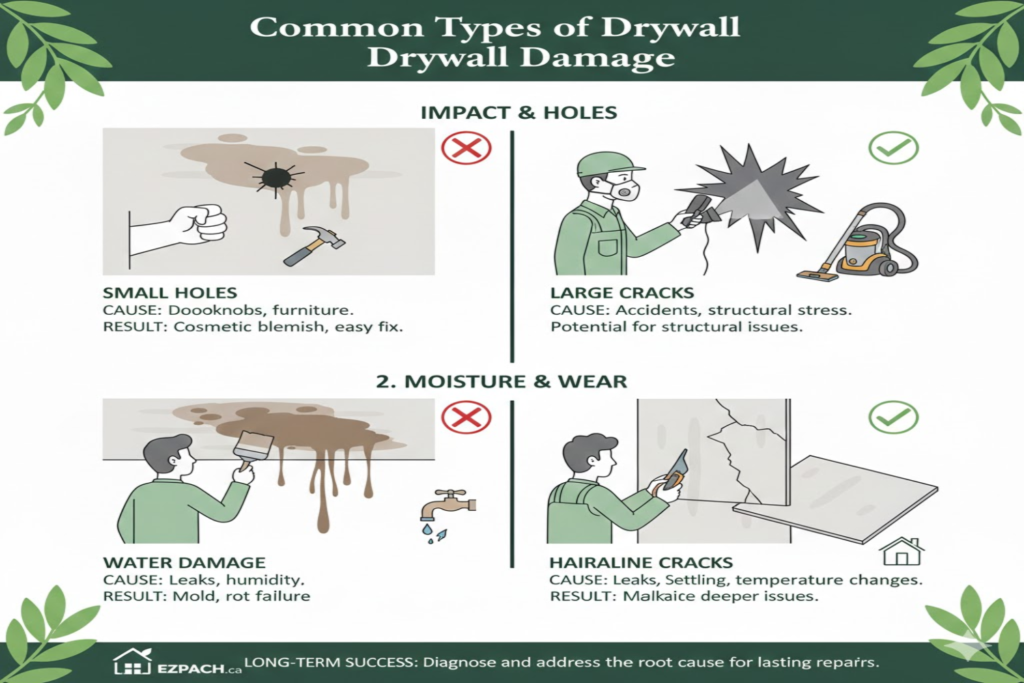
Cracks are among the most common types of drywall damage found in residential and commercial buildings. They may appear suddenly or develop slowly over time due to structural movement, temperature changes, or poor installation. While some cracks are purely cosmetic, others can indicate more serious underlying issues.
Small hairline cracks often result from normal settling of a building and may not pose immediate danger. However, larger or recurring cracks could signal foundation movement or framing issues that should be inspected by a professional. Addressing cracks early can help maintain the integrity of drywall and prevent further damage.
Hairline Cracks
Hairline cracks are thin, shallow cracks that typically appear near door frames, windows, or ceilings. These cracks are often caused by natural settling or slight temperature changes. While they are usually harmless, ignoring them can allow moisture to seep in over time.
Vertical Cracks
Vertical cracks usually follow drywall seams or studs behind the wall. They often occur due to poor joint taping or minor structural shifts. Repairing these cracks promptly helps prevent them from expanding.
Horizontal Cracks
Horizontal cracks are more concerning than vertical ones and may indicate serious structural stress. These cracks can form due to foundation problems or excessive pressure on the wall. A structural assessment is often recommended when horizontal cracks appear.
Holes in Drywall
Holes are another very common type of drywall damage and can occur for various reasons. From accidental impacts to intentional modifications, holes can compromise both appearance and insulation. The size and severity of the hole determine the complexity of the repair.
Small nail holes are easy to fix, while larger holes may require patching or replacing sections of drywall. Understanding how holes form helps prevent repeated damage in high-traffic areas.
Small Nail and Screw Holes
These holes are typically left behind after removing wall-mounted items. They are cosmetic issues that can be easily repaired with spackling compound. Although minor, multiple small holes can make walls look worn and neglected.
Medium-Sized Impact Holes
Medium-sized holes are often caused by furniture bumps or door handles hitting the wall. These holes require patch kits or drywall tape for proper repair. Ignoring them may allow cracks to spread outward.
Large Structural Holes
Large holes usually occur due to accidents, plumbing access, or electrical work. Repairing them often involves cutting out damaged drywall and installing new panels. These repairs require careful finishing to blend with the existing wall.
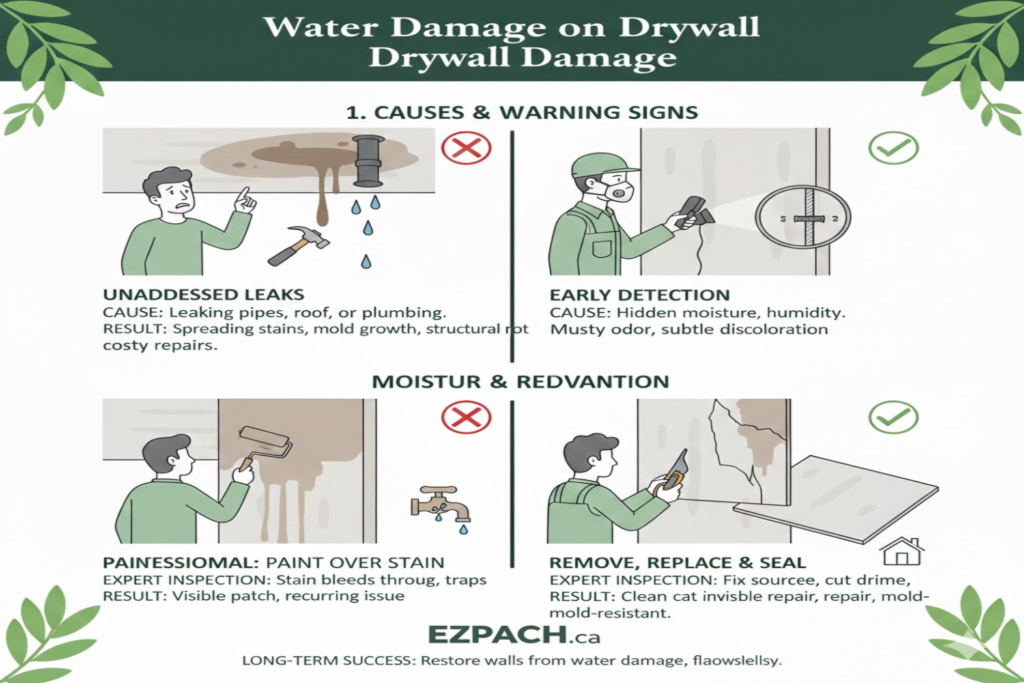
Water Damage on Drywall
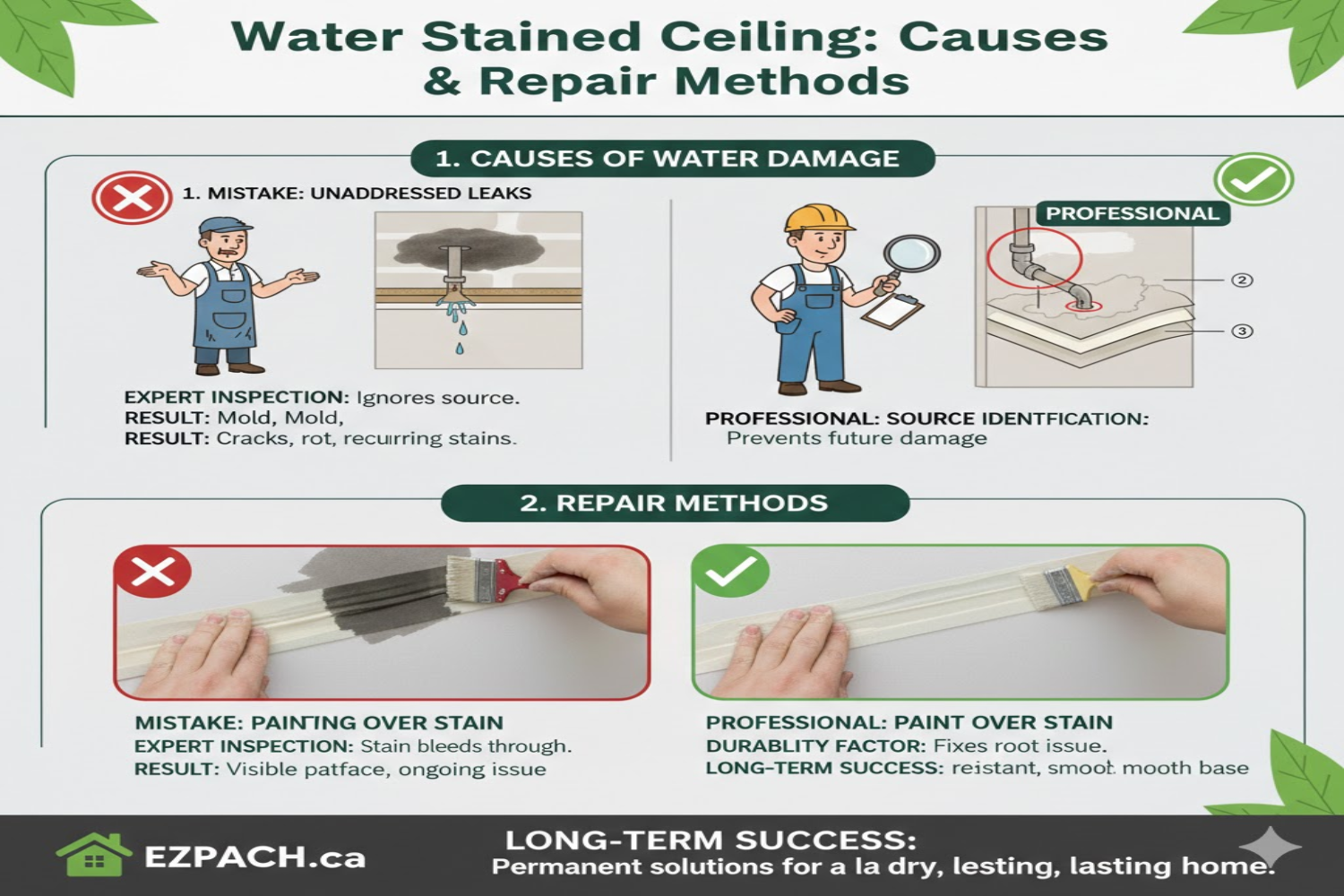
Water damage is one of the most common types of drywall damage. Moisture weakens drywall, promotes mold growth, and can lead to structural failure if not addressed promptly. Leaks, flooding, or high humidity are common causes.
Signs of water damage include discoloration, sagging, soft spots, and peeling paint. Identifying the water source is critical before attempting repairs to prevent recurring issues.
Staining and Discoloration
Water stains appear as yellow or brown patches on walls or ceilings. These stains indicate prolonged exposure to moisture. Even after drying, stains may reappear if the source is not fixed.
Soft or Spongy Drywall
When drywall absorbs water, it loses strength and becomes soft. Pressing on the wall may reveal weak or crumbling areas. Soft drywall usually needs to be replaced rather than repaired.
Mold and Mildew Growth
Moist drywall creates the perfect environment for mold growth. Mold not only damages drywall but also poses serious health risks. Professional remediation is often required to safely remove mold-infested drywall.
Dents and Dings
Dents and dings are minor but frequent drywall issues, especially in busy households. They are usually caused by accidental impacts from furniture, toys, or daily activities. Although small, these imperfections can accumulate over time.
These types of drywall damage are primarily cosmetic and easy to repair. Regular maintenance helps keep walls looking clean and well-maintained.
Furniture-Related Dents
Moving furniture can easily dent drywall, especially in narrow hallways. Protective pads and careful handling can minimize this damage. Quick repairs prevent dents from turning into cracks.
Door Handle Dings
Door handles often strike walls when doors are opened forcefully. Installing door stops is an effective preventive measure. Repeated impacts can weaken drywall over time.
Everyday Wear Marks
Minor dents can also result from routine activities like vacuuming or carrying objects. While harmless, they affect the wall’s appearance and should be addressed during routine maintenance.
Popped Nails and Screw
Nail pops occur when drywall fasteners push outward, creating visible bumps or cracks. This common drywall issue is often caused by wood framing movement or improper installation. Seasonal changes can worsen nail pops.
Although nail pops are not usually structural issues, they can affect the wall’s finish and appearance. Proper fastening techniques help reduce their occurrence.
Improper Fastening
If nails or screws were not driven correctly during installation, they may loosen over time. Re-securing the drywall properly helps prevent future nail pops.
Wood Expansion and Contraction
Changes in humidity cause wood framing to expand and contract. This movement pushes fasteners outward. Using screws instead of nails reduces this problem.
Visible Surface Bumps
Nail pops often appear as small circular bumps under paint. Sanding and repainting after repair restores a smooth surface.
Sagging Drywall
Sagging drywall is a serious issue commonly found on ceilings. It occurs when drywall loses its ability to support its own weight. Water damage and poor installation are major contributors.
Sagging should never be ignored, as it can lead to collapse. Addressing the root cause is essential before repairing or replacing the drywall.
Ceiling Moisture Issues
Leaks from roofs or plumbing can cause the ceiling drywall to sag. Drying alone is not enough; damaged drywall must often be replaced.
Improper Support
Drywall that is not properly fastened to ceiling joists may sag over time. Correct spacing and secure fastening are crucial during installation.
Aging Materials
Older drywall may lose strength over time. Replacing aging materials improves safety and appearance.
Tape Joint Damage
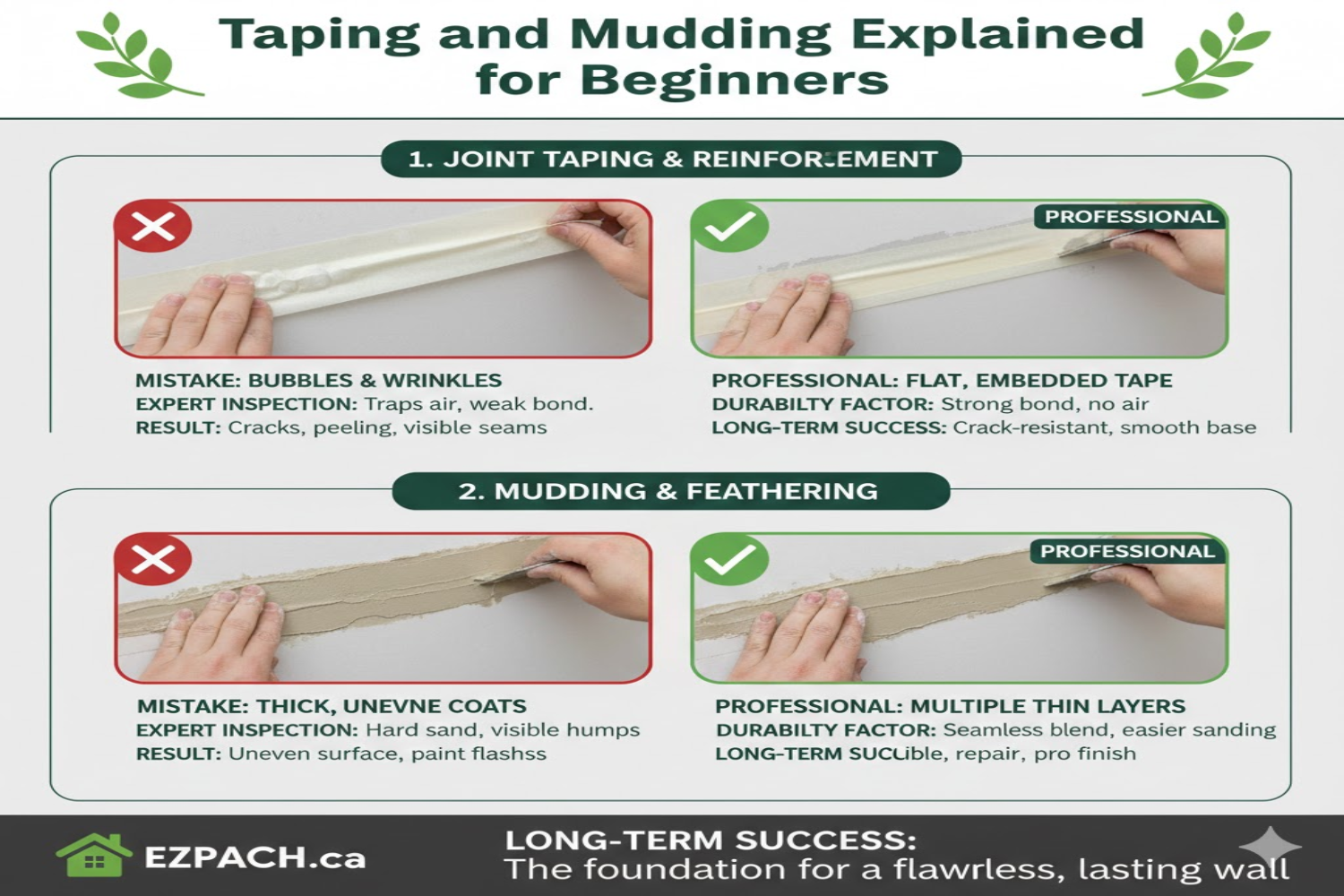
Joint tape is used to reinforce seams between drywall panels. When tape fails, cracks and peeling become visible. This type of drywall damage is common in poorly finished walls.
Tape damage affects the wall’s smoothness and can worsen if moisture is present. Proper repair restores both strength and appearance.
Peeling Tape
Tape may peel due to moisture or inadequate adhesive. Re-taping and applying joint compound resolves the issue.
Cracked Seams
Cracks along seams often indicate joint tape failure. These cracks should be repaired promptly to prevent spreading.
Bubbling Tape
Air pockets under tape cause bubbling. Removing and replacing the tape ensures a smooth finish.
Impact Damage
Impact damage occurs when drywall is struck with significant force. This can range from sports activities indoors to accidental collisions. The severity depends on the force applied.
These damages compromise drywall integrity and often require patching or replacement. Preventive measures help reduce impact-related damage.
Sports and Play Damage
Indoor play can easily damage drywall. Designated play areas help minimize risk.
Accidental Collisions
Carrying large objects through tight spaces often leads to impact damage. Proper planning reduces accidents.
Heavy Object Falls
Dropped objects can puncture drywall. Reinforcing high-risk areas provides extra protection.
Fire and Heat Damage
Exposure to high heat or fire causes severe drywall damage. Drywall contains gypsum, which offers some fire resistance, but prolonged exposure weakens it.
Fire-damaged drywall often needs complete replacement. Smoke residue also affects indoor air quality.
Smoke Stains
Smoke leaves dark stains and odors on drywall. Cleaning alone may not be sufficient.
Heat Cracks
Excessive heat causes drywall to crack or warp. Structural inspection is recommended after fire exposure.
Loss of Structural Integrity
Fire weakens the drywall’s core. Replacement ensures safety compliance.
Poor Installation Damage
Improper drywall installation leads to long-term issues. Many common types of drywall damage stem from shortcuts taken during installation.
Ensuring professional installation reduces future repair needs and improves durability.
Misaligned Panels
Uneven panels create visible seams. Correct alignment is essential.
Insufficient Fasteners
Too few fasteners allow movement. Proper spacing prevents damage.
Incorrect Joint Finishing
Poor finishing results in visible imperfections. Skilled workmanship ensures longevity.
Aging and Wear-Related Damage
Over time, drywall naturally deteriorates. Aging contributes to many common drywall problems, especially in older buildings.
Regular inspections help identify aging-related damage early.
Surface Wear
Paint and texture wear away, exposing drywall. Repainting protects surfaces.
Material Fatigue
Drywall weakens with age. Replacement improves durability.
Environmental Exposure
Humidity and temperature fluctuations accelerate aging.
Common Signs of Drywall Damage
Drywall damage is not always immediately obvious. Learning to recognize early warning signs helps prevent costly repairs.
- Visible cracks or holes
- Discoloration or stains
- Soft or spongy texture
- Peeling paint or tape
- Unusual odors indicating mold
Conclusion
Understanding common types of drywall damage is essential for maintaining the safety, appearance, and value of any property. From cracks and holes to water damage and poor installation, each issue has distinct causes and solutions. Early detection and proper repair techniques help extend the lifespan of drywall and reduce long-term costs.
By regularly inspecting walls and ceilings, homeowners can identify common drywall damage before it becomes severe. Addressing problems promptly ensures a healthier indoor environment and preserves the structural integrity of the building. Investing in quality materials and professional installation further minimizes future damage risks.
Frequently Asked Questions (FAQs)
1. Can drywall damage affect indoor air quality?
Yes, certain types of drywall damage, especially mold-related issues, can negatively impact indoor air quality. Addressing moisture problems promptly helps maintain healthy air conditions.
2. Is cracked drywall always a structural issue?
Not all cracks indicate structural problems. Hairline cracks are often cosmetic, but larger or horizontal cracks should be inspected professionally.
3. How often should drywall be inspected?
Drywall should be inspected annually or after major weather events. Regular inspections help identify early signs of damage.
4. Can drywall damage increase energy costs?
Yes, holes and cracks can reduce insulation effectiveness, leading to higher heating and cooling costs.
5. Is it safe to repair drywall myself?
Minor drywall damage can be repaired DIY, but extensive damage should be handled by professionals to ensure safety.
6. Does repainting fix drywall damage?
Repainting only hides minor imperfections. Structural or moisture-related damage must be repaired before painting.
7. Can humidity alone damage drywall?
High humidity over time can weaken drywall and promote mold growth, especially in poorly ventilated areas.
8. How long does drywall typically last?
With proper installation and maintenance, drywall can last several decades without major issues.
Drywall Repair Halifax
EZ Patch offers clean, professional drywall, ceiling, plaster, and water damage repair services in Halifax with minimal mess and long-lasting results.
EZ Patch – Drywall Repair Experts
Trusted drywall repair professionals serving Halifax and nearby areas.
Drywall Patch & Repair
Seamless drywall repairs for holes, cracks, dents, and damaged walls.
Ceiling Repairs
Professional ceiling repair services for stains, cracks, and water damage.
Drywall Installation
Complete drywall installation services for renovations and new builds.
Taping & Mudding
Smooth, paint-ready wall finishes by expert drywall finishers.
Plaster Repair Experts
Precision plaster repair services while maintaining original wall texture.
Water Damage Repair
Drywall and ceiling restoration for properties affected by water damage.
Texture Matching
Accurate texture blending so repaired areas match existing finishes.
Installation, Repair & Removal
End-to-end drywall installation, repair, and removal solutions.