Ceilings are often overlooked until visible damage begins to appear, yet they play a vital role in protecting a home’s structure and interior comfort. Over time, ceilings may develop cracks, stains, sagging areas, or surface imperfections due to environmental factors, aging materials, or construction flaws. Understanding common ceiling problems and how to fix them helps homeowners take timely action and prevent minor issues from becoming major repairs.
When ceiling problems are ignored, they can compromise safety, reduce indoor air quality, and negatively impact property value. Moisture intrusion, structural movement, and poor ventilation can all contribute to ceiling deterioration. By learning about common ceiling problems and how to fix them, homeowners can maintain strong, visually appealing ceilings and ensure long-term durability.
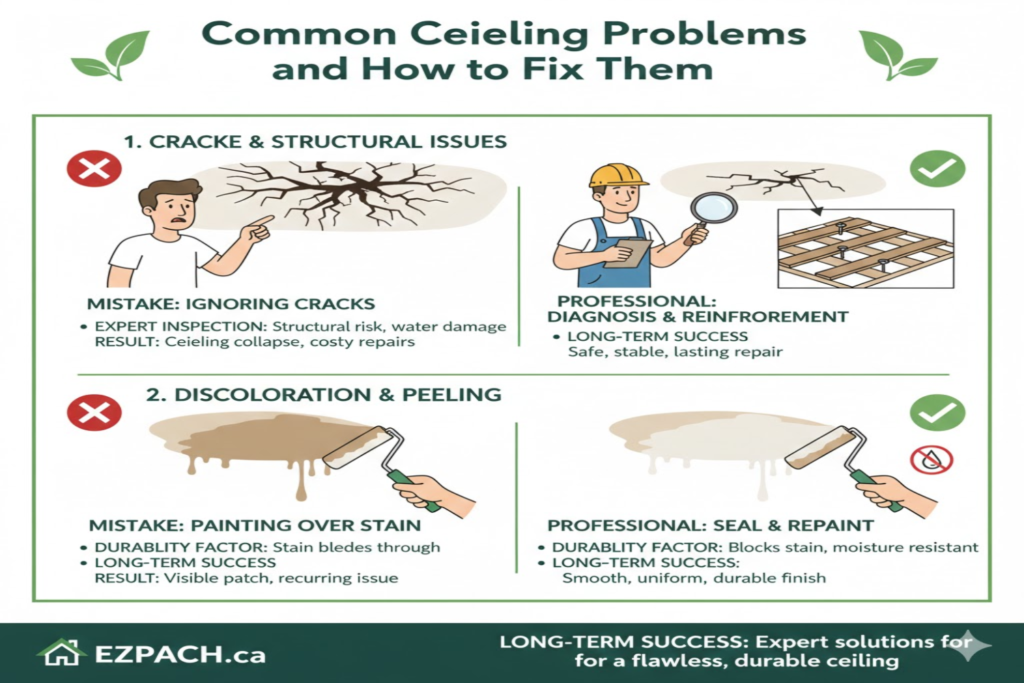
Ceiling Cracks and Their Repair Solutions
Ceiling cracks are one of the most noticeable ceiling problems and can appear for many reasons. Natural house settling, temperature changes, and poor drywall installation are among the most common causes. While some cracks are cosmetic, others may indicate underlying structural or moisture-related issues.
Repairing ceiling cracks requires identifying their type and cause before applying any materials. Using the correct repair method ensures the crack does not reappear and the ceiling maintains its strength and appearance.
Hairline Ceiling Cracks
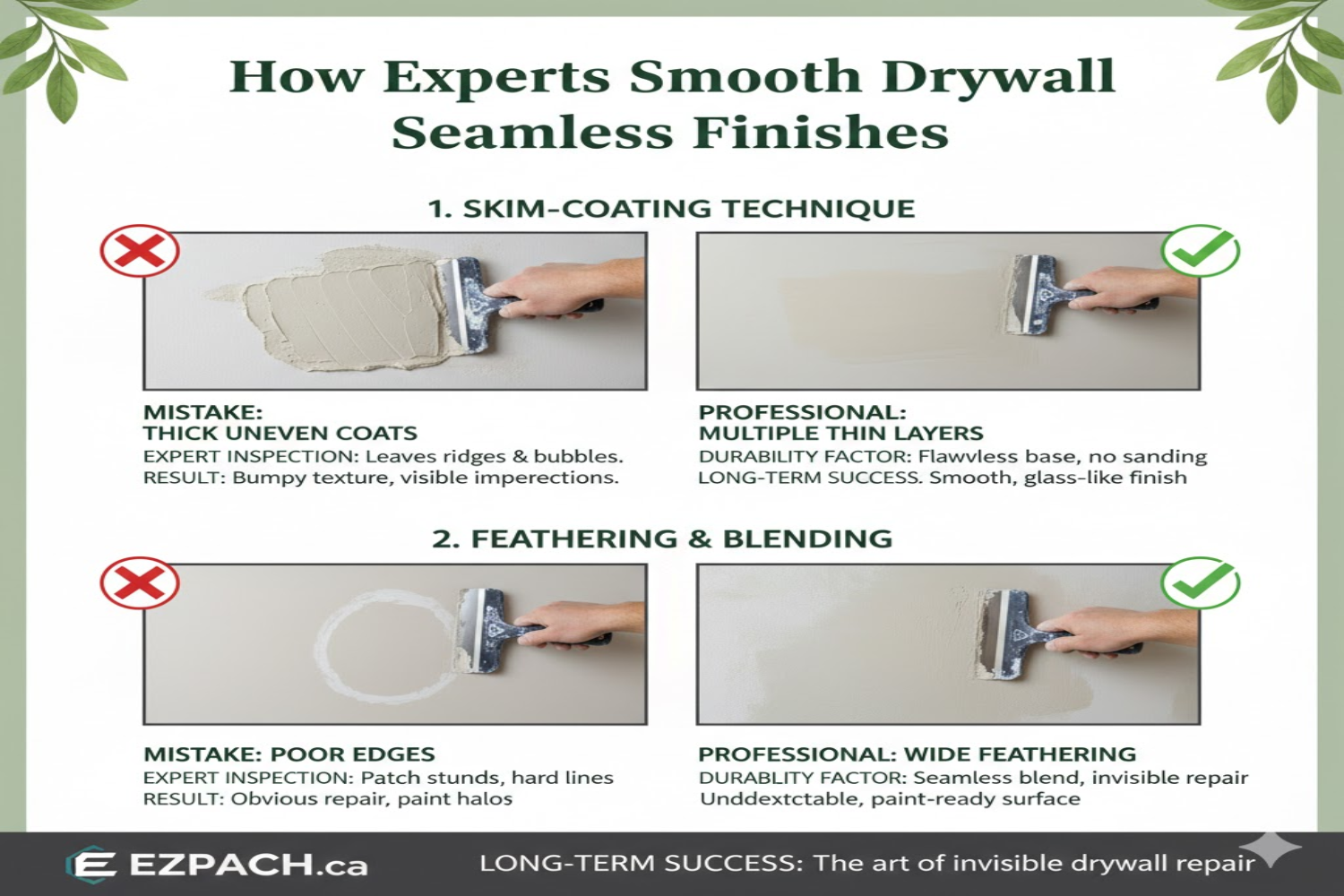
Hairline cracks are thin and shallow, often caused by minor settling or seasonal expansion. These cracks usually do not affect structural integrity. Repair typically involves filling the crack with joint compound and smoothing the surface.
Straight Cracks Along Drywall Seams
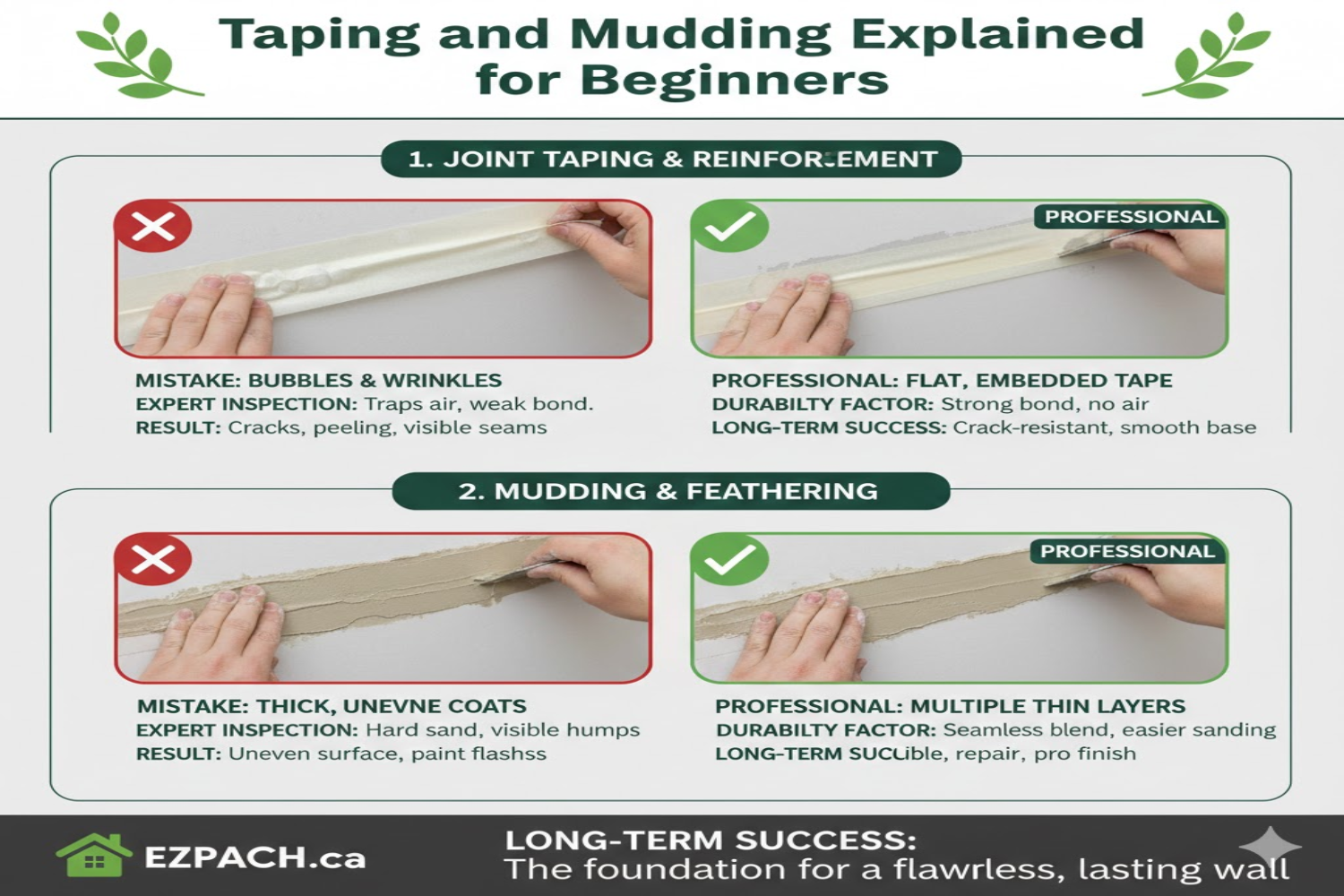
Straight cracks often follow drywall joints and result from improper taping or compound shrinkage. Reinforcing the seam with drywall tape prevents recurring cracks. Proper feathering and sanding improve the finish.
Wide or Expanding Cracks
Wide cracks that grow over time may signal structural movement. These should be monitored carefully before repair. A professional evaluation may be required if movement continues.
Water Stains and Moisture Damage on Ceilings
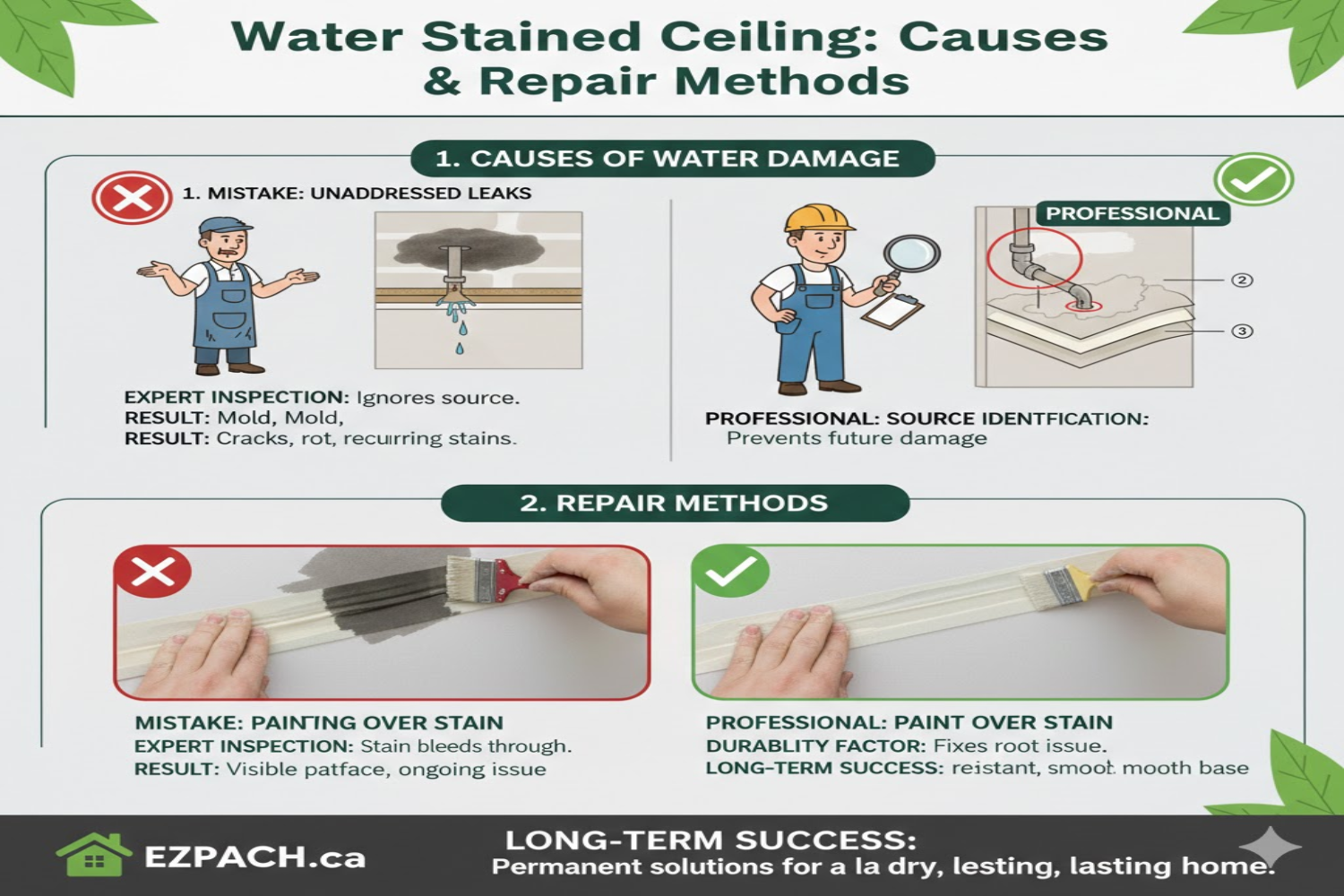
Water stains are a clear sign of moisture intrusion and should never be ignored. These stains often appear yellow, brown, or dark and may spread if the source is not addressed. Moisture weakens ceiling materials and increases the risk of mold growth.
Repairing water-stained ceilings requires fixing the moisture source first. Cosmetic repairs alone will fail if leaks or humidity issues persist.
Roof Leaks
Roof damage allows water to seep into ceilings. Broken shingles or flashing are common culprits. Roof repairs must be completed before ceiling restoration.
Plumbing Leaks
Leaking pipes above ceilings cause localized staining and soft spots. These leaks may worsen gradually over time. Plumbing repairs are essential before ceiling repairs begin.
Condensation Problems
Poor ventilation causes condensation buildup on ceilings. Bathrooms and kitchens are especially vulnerable. Improving airflow reduces future moisture damage.
Peeling, Flaking, and Bubbling Ceiling Paint
Peeling or bubbling paint is a common ceiling problem, especially in humid environments. This issue often occurs when moisture becomes trapped beneath the paint layer. Poor surface preparation can also lead to paint failure.
Fixing peeling paint requires removing loose material and addressing moisture issues. Repainting without preparation usually results in repeated peeling.
Humidity-Related Paint Damage
High humidity weakens paint adhesion. Moisture-resistant paint helps prevent peeling. Ventilation plays a key role in prevention.
Poor Surface Preparation
Dust, grease, or glossy surfaces prevent paint from bonding. Cleaning and priming improve adhesion. Quality primers extend paint life.
Aging or Low-Quality Paint
Old paint loses flexibility over time. Low-quality paint deteriorates faster. Repainting with durable products improves longevity.
Sagging or Drooping Ceilings
Sagging ceilings are a serious issue that can pose safety risks. This problem often results from water damage, improper installation, or structural failure. Immediate attention is required to prevent collapse.
Sagging ceilings typically worsen if left untreated. Identifying the cause ensures safe and effective repair.
Water Saturation
Water-soaked drywall becomes heavy and weak. Damaged sections often need replacement. Drying alone may not restore strength.
Improper Fastening
Ceilings not securely attached to joists may sag over time. Adding fasteners can correct this issue. Proper spacing is essential.
Structural Movement
Foundation shifts affect ceiling alignment. Repairs should address underlying structural problems. Cosmetic fixes alone are insufficient.
Mold and Mildew Growth on Ceilings
Mold growth on ceilings indicates ongoing moisture issues and poses health risks. Mold often appears as black, green, or gray patches and spreads rapidly in damp conditions. Ignoring mold can lead to respiratory problems and structural damage.
Removing mold requires proper safety measures and moisture control. Preventing regrowth is just as important as removal.
Identifying Ceiling Mold
Mold has a musty odor and uneven spread. Visual inspection helps with early detection. Prompt action limits spread.
Safe Mold Removal
Small areas can be cleaned with approved solutions. Protective gear is essential. Large infestations require professional remediation.
Preventing Mold Recurrence
Fix leaks and improve ventilation. Use mold-resistant paint. Control indoor humidity levels.
Nail Pops and Fastener Issues in Ceilings
Nail pops appear as small circular bumps on ceilings. They occur when drywall fasteners loosen and push outward. Temperature changes and wood movement often cause this issue.
Although nail pops are not usually dangerous, they affect appearance. Proper repair prevents recurrence.
Causes of Nail Pops
Wood framing expands and contracts. Poor installation increases risk. Fasteners loosen over time.
Repairing Nail Pops
Remove or reset loose fasteners. Add drywall screws for reinforcement. Cover with joint compound.
Preventing Future Nail Pops
Use screws instead of nails. Ensure proper spacing. Secure framing reduces movement.
Ceiling Texture Damage and Uneven Surfaces
Textured ceilings hide imperfections but are difficult to repair. Damage may occur due to impact, moisture, or improper patching. Poorly matched texture makes repairs noticeable.
Matching texture requires patience and practice. Using correct materials improves results.
Common Ceiling Texture Types
Popcorn, knockdown, and orange peel textures are common. Each requires a different repair approach. Identifying texture type is essential.
Repairing Small Texture Damage
Minor damage can be patched and retextured. Spray texture products help. Blending is critical.
Blending and Finishing
Feather edges for smooth transitions. Test texture on scrap material. Lighting affects visibility.
Ceiling Joint Tape Failure
Joint tape failure appears as visible lines or cracks along ceiling seams. This problem often results from poor installation or moisture exposure. Over time, tape separates from drywall.
Repairing tape failure requires removing damaged sections and reapplying tape properly.
Causes of Tape Failure
Insufficient compound weakens adhesion. Moisture accelerates failure. Temperature changes worsen separation.
Repair Process
Remove loose tape carefully. Apply new tape with joint compound. Smooth and feather edges.
Preventing Future Failure
Use quality materials. Apply thin, even coats. Allow proper drying time.
Structural Movement and Ceiling Damage
Structural movement affects ceilings in older homes or unstable soil conditions. Cracks, separations, and misalignment often appear. These issues may worsen gradually.
Addressing movement-related damage requires flexibility and monitoring. Permanent solutions depend on stabilizing the structure.
Seasonal Expansion and Contraction
Temperature changes cause materials to move. Flexible compounds reduce cracking. Minor cracks may reappear.
Foundation Settlement
Foundation issues affect ceiling alignment. Professional assessment is recommended. Repairs should follow stabilization.
Monitoring Repaired Areas
Observe repaired cracks over time. Minor movement is common. Significant changes require evaluation.
Ceiling Repair Costs and Budget Considerations
Ceiling repair costs vary based on the type and severity of damage. Minor cosmetic repairs are relatively affordable, while structural or water-damaged ceilings require a higher investment. Understanding costs helps homeowners plan repairs effectively.
Below is a unique cost comparison table outlining typical ceiling repair expenses:
| Ceiling Problem Type | Average Repair Cost | Repair Complexity | Notes |
| Hairline Crack Repair | $50 – $150 | Low | Cosmetic only |
| Water Stain Repair | $150 – $400 | Medium | The leak must be fixed |
| Sagging Ceiling Repair | $400 – $1,200 | High | May require replacement |
| Mold Removal (Small Area) | $200 – $600 | Medium | Safety measures needed |
| Texture Repair | $100 – $300 | Medium | Texture matching required |
Preventive Maintenance for Long-Lasting Ceilings
Preventive maintenance reduces the likelihood of recurring ceiling problems. Regular inspections help detect early signs of damage. Simple maintenance steps extend the ceiling’s lifespan.
Maintaining stable indoor conditions is key. Prevention saves time and money.
- Inspect ceilings regularly for changes.
- Fix leaks immediately
- Maintain proper ventilation
- Control indoor humidity levels.
- Use quality materials for repair.s
Conclusion
Ceilings are a critical part of any home’s structure and interior comfort. When ceiling problems are addressed promptly, they are easier and less expensive to fix. Ignoring early signs often leads to more severe damage and higher repair costs.
By staying informed about common ceiling problems and how to fix them, homeowners can maintain strong, visually appealing ceilings for years. Proper repairs, preventive care, and professional evaluation when needed ensure ceilings remain safe, functional, and aesthetically pleasing.
FAQs
1. Can ceiling problems affect home resale value?
Yes, visible ceiling damage can reduce buyer confidence. Proper repairs improve overall property appeal.
2. How often should ceilings be inspected?
Ceilings should be inspected at least once a year. Older homes may require more frequent checks.
3. Are ceiling repairs usually messy?
Some repairs create dust, but proper preparation minimizes mess. Covering furniture helps.
4. Can ceiling problems spread to walls?
Yes, moisture and structural issues often affect both ceilings and walls. Early repair limits the spread.
5. Do ceiling problems always require professional help?
Minor issues can be DIY repairs. Structural or water-related problems often need professionals.
6. Is repainting necessary after ceiling repairs?
Repainting ensures a uniform finish and seals repairs. It also improves durability.
7. Can humidity alone damage ceilings?
Yes, prolonged humidity causes paint failure and mold. Ventilation is essential.
8. Should ceilings be repaired before selling a home?
Yes, repairing ceilings improves inspection results and buyer confidence.
Drywall Repair Halifax
EZ Patch offers clean, professional drywall, ceiling, plaster, and water damage repair services in Halifax with minimal mess and long-lasting results.
EZ Patch – Drywall Repair Experts
Trusted drywall repair professionals serving Halifax and nearby areas.
Drywall Patch & Repair
Seamless drywall repairs for holes, cracks, dents, and damaged walls.
Ceiling Repairs
Professional ceiling repair services for stains, cracks, and water damage.
Drywall Installation
Complete drywall installation services for renovations and new builds.
Taping & Mudding
Smooth, paint-ready wall finishes by expert drywall finishers.
Plaster Repair Experts
Precision plaster repair services while maintaining original wall texture.
Water Damage Repair
Drywall and ceiling restoration for properties affected by water damage.
Texture Matching
Accurate texture blending so repaired areas match existing finishes.
Installation, Repair & Removal
End-to-end drywall installation, repair, and removal solutions.