Selecting the correct drywall thickness is a crucial step in any construction or remodeling project. The thickness affects not only the durability and strength of your walls but also the overall performance of your space. Understanding the options available helps ensure your walls are both functional and aesthetically pleasing.
Different areas of a home or commercial space may require different drywall types and thicknesses. For instance, ceilings and walls in high-traffic areas often need thicker boards for added strength. By carefully considering your project’s needs, you can make an informed decision that balances cost, ease of installation, and long-term durability.
Common Drywall Thickness Options
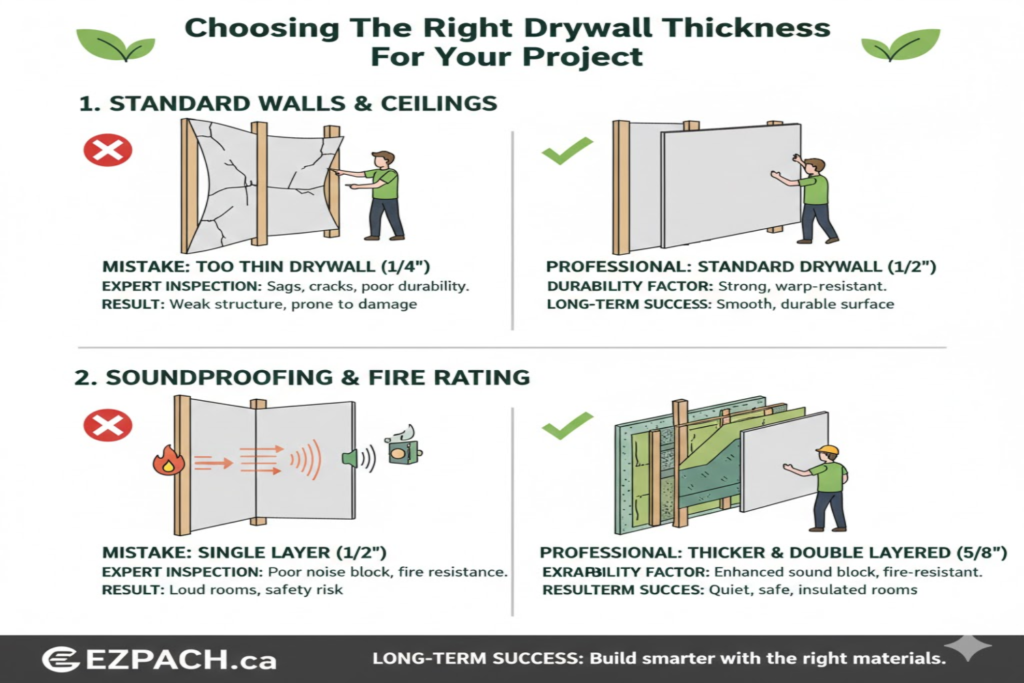
Drywall comes in a range of thicknesses, typically from ¼ inch to 5/8 inch. Each thickness has specific applications and benefits depending on the project. Choosing the wrong thickness can lead to issues such as sagging, cracking, or insufficient soundproofing.
Thinner drywall, such as ¼ inch, is often used for curved walls or over existing surfaces. Standard ½ inch boards are the most common choice for walls and ceilings in residential spaces. Thicker 5/8 inch sheets provide superior fire resistance and soundproofing for commercial or specialized applications.
1/4 Inch Drywall
- Ideal for curved surfaces and overlays.
- Lightweight and easy to handle.
- Limited durability; not suitable for high-traffic areas.
3/8 Inch Drywall
- Common for remodeling projects where walls are being replaced.
- Offers moderate strength for interior surfaces.
- Typically used in combination with existing walls.
1/2 Inch Drywall
- Standard choice for most residential walls.
- Provides a balance of strength and ease of installation.
- Compatible with common screws and fasteners.
5/8 Inch Drywall
- Superior fire-resistant properties.
- Enhanced soundproofing and durability.
- Often required by building codes for ceilings or multi-family housing.
Factors Influencing Drywall Thickness Selection
Choosing the correct thickness depends on multiple factors beyond simple preference. Understanding these ensures a safer and more efficient installation.
Wall vs. Ceiling Installation
Ceilings often require thicker drywall to prevent sagging. Walls can accommodate thinner boards, but high-traffic areas benefit from ½ inch or thicker drywall. Ceilings longer than 12 feet typically need 5/8 inch sheets for proper support.
Building Codes and Regulations
Local building codes may mandate specific drywall thickness for fire safety or soundproofing. Commercial spaces often require 5/8 inch fire-rated boards. Always check regulations before purchasing drywall.
Soundproofing Needs
Thicker drywall helps reduce sound transmission between rooms. For media rooms or bedrooms, 5/8 inch boards are preferred. Double-layer installations can further enhance noise reduction.
Structural Considerations
The spacing of wall studs affects board selection. Wider stud spacing may require thicker drywall to maintain rigidity. Structural requirements ensure longevity and reduce the risk of cracks.
Advantages and Disadvantages of Various Thicknesses
Different drywall thicknesses offer distinct benefits and limitations. Choosing the right one depends on balancing these factors.
Advantages of Thicker Drywall
- Greater durability and resistance to impact.
- Enhanced fire and sound protection.
- Reduced risk of sagging or warping on ceilings.
Disadvantages of Thicker Drywall
- Heavier and more difficult to install.
- Slightly higher material costs.
- May require additional labor or tools for handling.
Advantages of Thinner Drywall
- Lightweight and easy to maneuver.
- Ideal for curved surfaces or overlays.
- Lower material cost.
Disadvantages of Thinner Drywall
- Less impact-resistant.
- Limited fire and soundproofing properties.
- Not suitable for ceilings longer than standard spans.
Step-by-Step Guide to Selecting Drywall Thickness
Choosing the right drywall is not just about numbers; a systematic approach ensures optimal results.
Step 1: Assess Project Requirements
Determine whether the space is residential, commercial, or specialized. Evaluate factors like fire safety, soundproofing, and wall height. Understanding these helps narrow down suitable thicknesses.
Step 2: Measure Wall and Ceiling Dimensions
Measure wall height and ceiling length to determine the appropriate board size. Longer spans often require thicker drywall to prevent sagging. Document all measurements before purchasing.
Step 3: Consider Installation Challenges
Account for ease of handling and required labor. Thicker boards may need multiple people to lift. Factor in the skill level of the installation team.
Step 4: Check Local Building Codes
Ensure chosen thickness meets all code requirements. Fire-rated or impact-resistant drywall may be mandatory in certain areas. Complying with codes avoids costly rework.
Step 5: Evaluate Cost vs. Performance
Balance durability, fire safety, and soundproofing with material costs. Thicker drywall offers long-term benefits but comes with a higher upfront expense. Consider the project budget carefully.
Cost Comparison of Drywall Thickness Options
Drywall pricing varies by thickness and type. Thicker boards are generally more expensive but offer additional benefits.
| Drywall Thickness | Average Cost (Per Sheet) | Typical Use Case |
| 1/4 inch | $8–$12 | Curved walls, overlays |
| 3/8 inch | $10–$15 | Remodeling, light walls |
| 1/2 inch | $12–$20 | Standard residential walls |
| 5/8 inch | $15–$25 | Ceilings, commercial, fire-rated |
Installation Tips for Optimal Performance
Proper installation ensures the chosen drywall thickness performs as intended.
Fastening Techniques
Use screws appropriate for board thickness and stud spacing. Avoid over-tightening to prevent paper tearing.
Joint Finishing
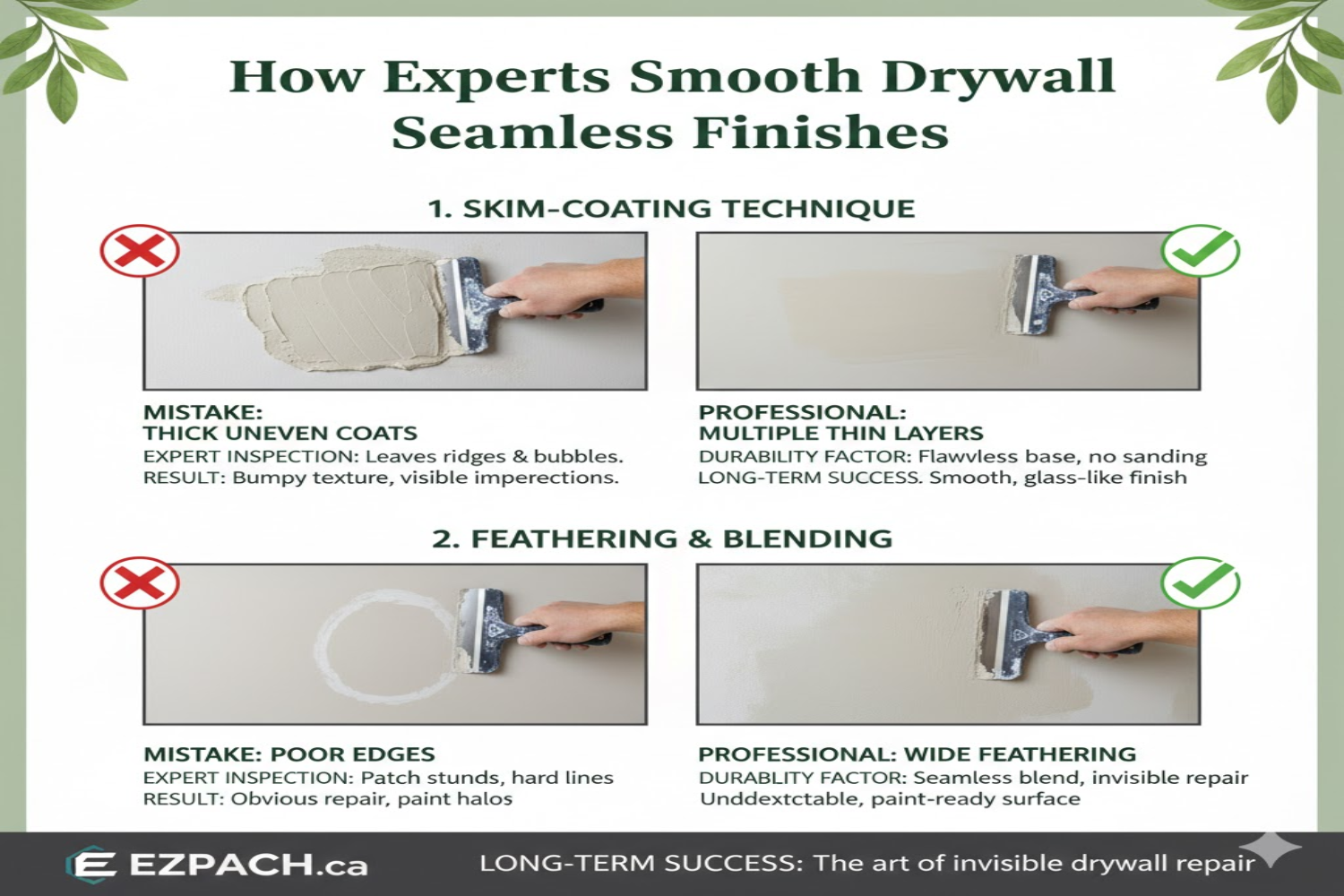
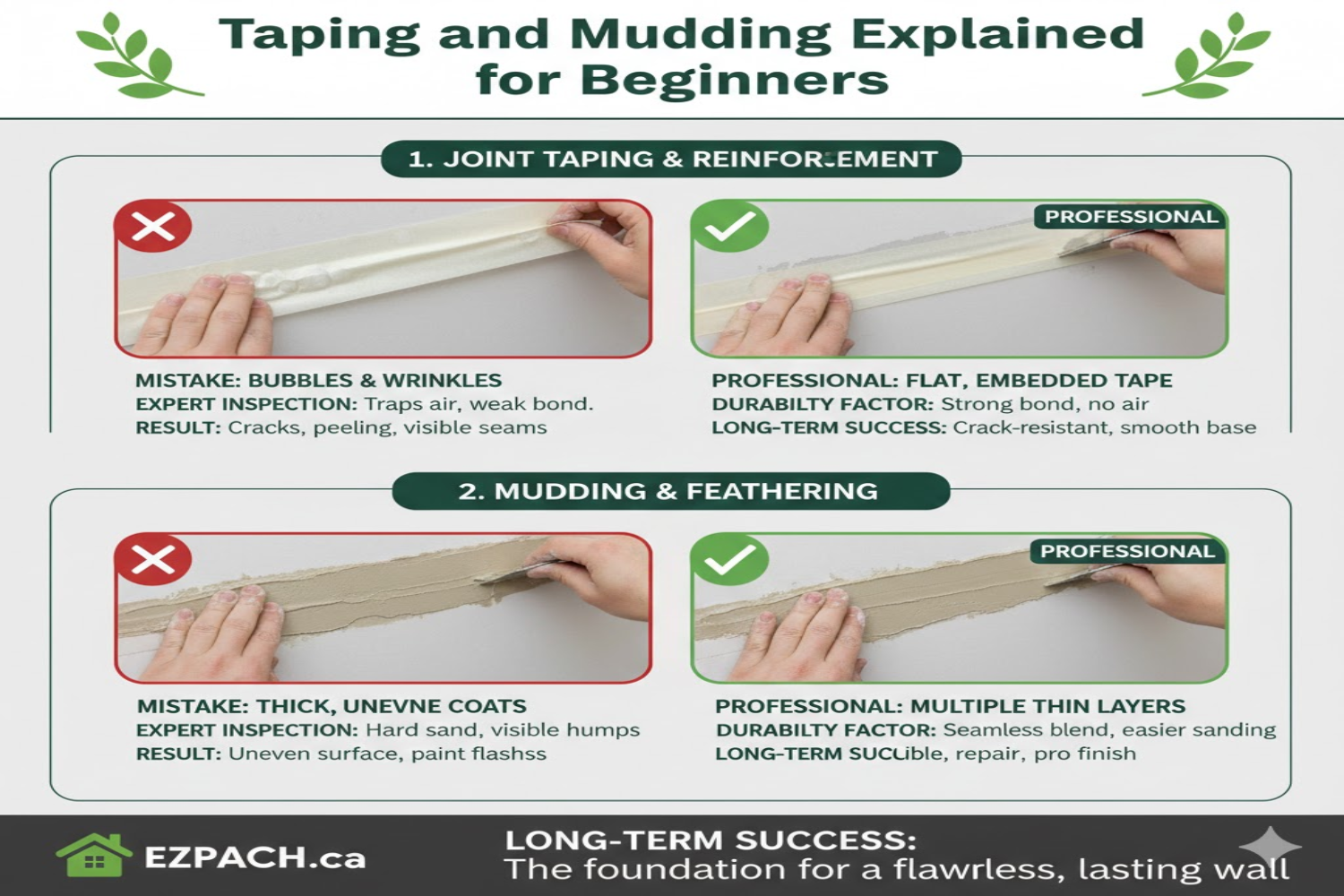
Apply tape and compound according to the recommended thickness. Layering ensures smooth seams and prevents cracking.
Handling and Storage
Store drywall flat to prevent warping. Lift with care to avoid injury or damage.
Common Mistakes to Avoid
Even experienced installers make errors when selecting or installing drywall.
- Choosing thickness without considering the ceiling height.
- Ignoring fire or soundproofing requirements.
- Overlooking local building codes.
- Using the wrong screws or fasteners for the thickness.
- Not accounting for labor and handling challenges.
Specialty Drywall Options
Some projects require specialized drywall beyond standard thicknesses.
Moisture-Resistant Drywall
Ideal for bathrooms and kitchens. Prevents mold and deterioration in damp areas.
Fire-Resistant Drywall
Required in commercial and multi-family housing. Provides additional safety and compliance.
Soundproof Drywall
Thicker boards or double-layer installations improve acoustic insulation. Perfect for media rooms or offices.
Conclusion
Choosing the right drywall thickness is essential for project durability, safety, and aesthetics. Understanding thickness options, building codes, and project requirements ensures optimal results. Proper selection prevents sagging, cracking, and costly renovations in the future.
Considering both performance and cost helps homeowners and contractors make informed decisions. With careful planning and attention to detail, you can select drywall that meets structural needs, enhances comfort, and complies with all safety regulations.
FAQs
1. Can I use 1/2 inch drywall on ceilings?
Yes, but ceilings longer than 12 feet may require 5/8 inch to prevent sagging.
2. Is 5/8 inch drywall necessary for all commercial buildings?
Not always, but many codes mandate it for fire resistance and soundproofing.
3. How does drywall thickness affect insulation?
Thicker boards improve soundproofing but do not significantly change thermal insulation.
4. Can I mix drywall thicknesses in one room?
Yes, but joints should be carefully managed to avoid uneven surfaces.
5. What is the easiest drywall thickness to install?
1/2 inch boards are light and versatile, suitable for most residential walls.
6. Do I need different screws for 5/8 inch drywall?
Yes, longer screws are required to secure thicker boards properly.
7. Does thicker drywall crack less often?
Thicker drywall resists minor impacts and sagging, reducing cracks.
8. Can I bend 1/4 inch drywall?
Yes, 1/4 inch sheets are flexible enough for curved walls or arches.
Drywall Repair Halifax
EZ Patch offers clean, professional drywall, ceiling, plaster, and water damage repair services in Halifax with minimal mess and long-lasting results.
EZ Patch – Drywall Repair Experts
Trusted drywall repair professionals serving Halifax and nearby areas.
Drywall Patch & Repair
Seamless drywall repairs for holes, cracks, dents, and damaged walls.
Ceiling Repairs
Professional ceiling repair services for stains, cracks, and water damage.
Drywall Installation
Complete drywall installation services for renovations and new builds.
Taping & Mudding
Smooth, paint-ready wall finishes by expert drywall finishers.
Plaster Repair Experts
Precision plaster repair services while maintaining original wall texture.
Water Damage Repair
Drywall and ceiling restoration for properties affected by water damage.
Texture Matching
Accurate texture blending so repaired areas match existing finishes.
Installation, Repair & Removal
End-to-end drywall installation, repair, and removal solutions.