What makes some ceiling repairs more complicated than others is their impact on a building’s structural integrity. Certain damages cannot be addressed by simple patching or cosmetic fixes. They require professional engineering evaluation to ensure the ceiling remains safe and stable.
How homeowners and contractors approach ceiling repairs can significantly affect both cost and safety. Engineering review becomes essential when there is uncertainty about structural load, hidden damage, or potential risk to occupants. Understanding which repairs require such review helps prevent accidents and ensures long-term durability.
Structural Cracks and Deflection
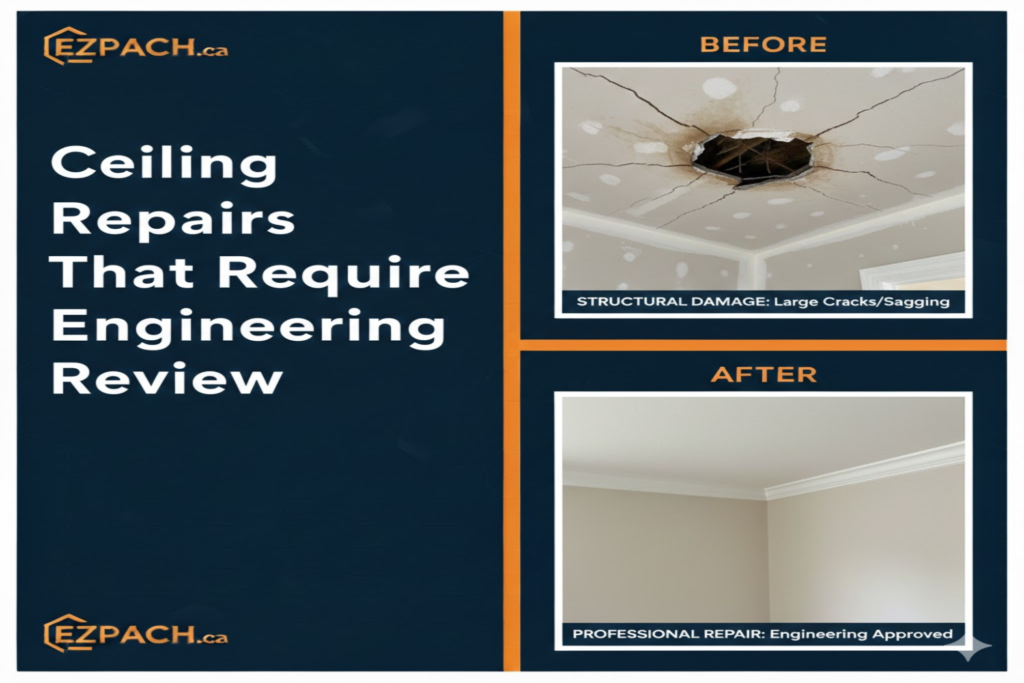
What happens when cracks appear in ceilings can indicate serious structural problems. Cracks that are wide, recurring, or follow specific patterns may compromise the building’s support. Ignoring these cracks can lead to partial ceiling collapse or damage to adjacent structures.
How engineers evaluate ceiling cracks involves examining load paths, joint connections, and the materials used. A detailed inspection identifies whether the cracks are superficial or indicative of structural failure. Corrective measures often require reinforcement or complete replacement of affected sections.
Horizontal vs Vertical Cracks
Horizontal cracks often indicate movement between floors or roof loads. Vertical cracks can suggest settlement or beam deflection. Engineers analyze the direction and size of cracks to determine if repair or structural reinforcement is necessary.
Crack Width and Pattern
Cracks wider than 1/4 inch typically need engineering review. Patterns such as stair-step or branching cracks indicate stress concentrations. These patterns guide engineers in determining whether ceiling joists or beams require support.
Sagging Ceilings
Sagging or drooping ceilings often result from overloaded joists or water damage. Engineers assess whether temporary shoring is needed before repair. Corrective strategies may include beam reinforcement or replacement.
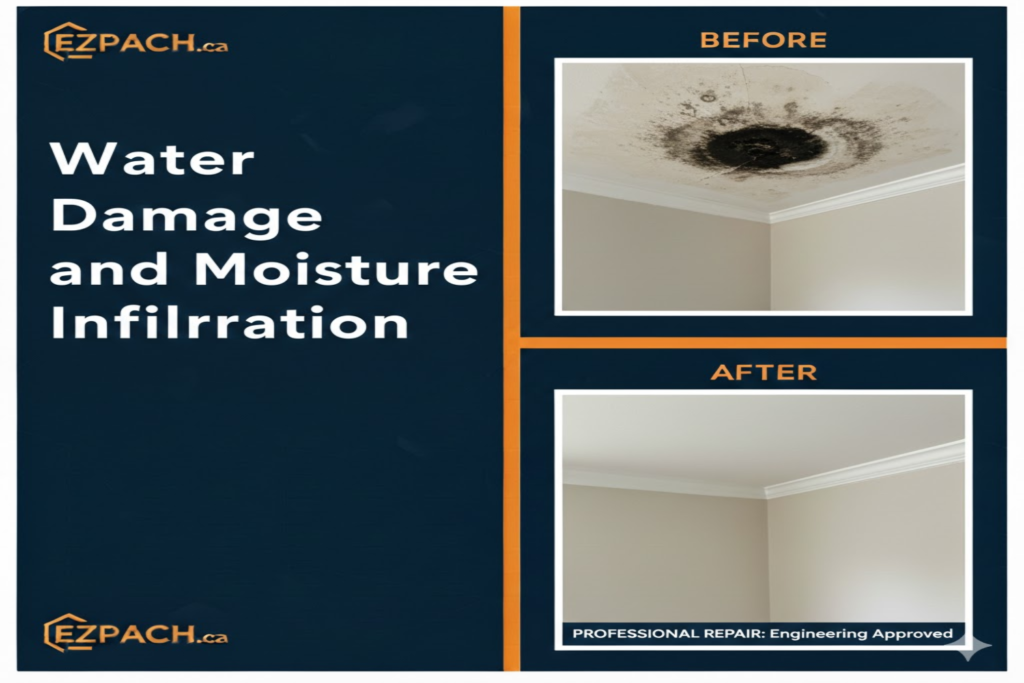
Water Damage and Moisture Infiltration
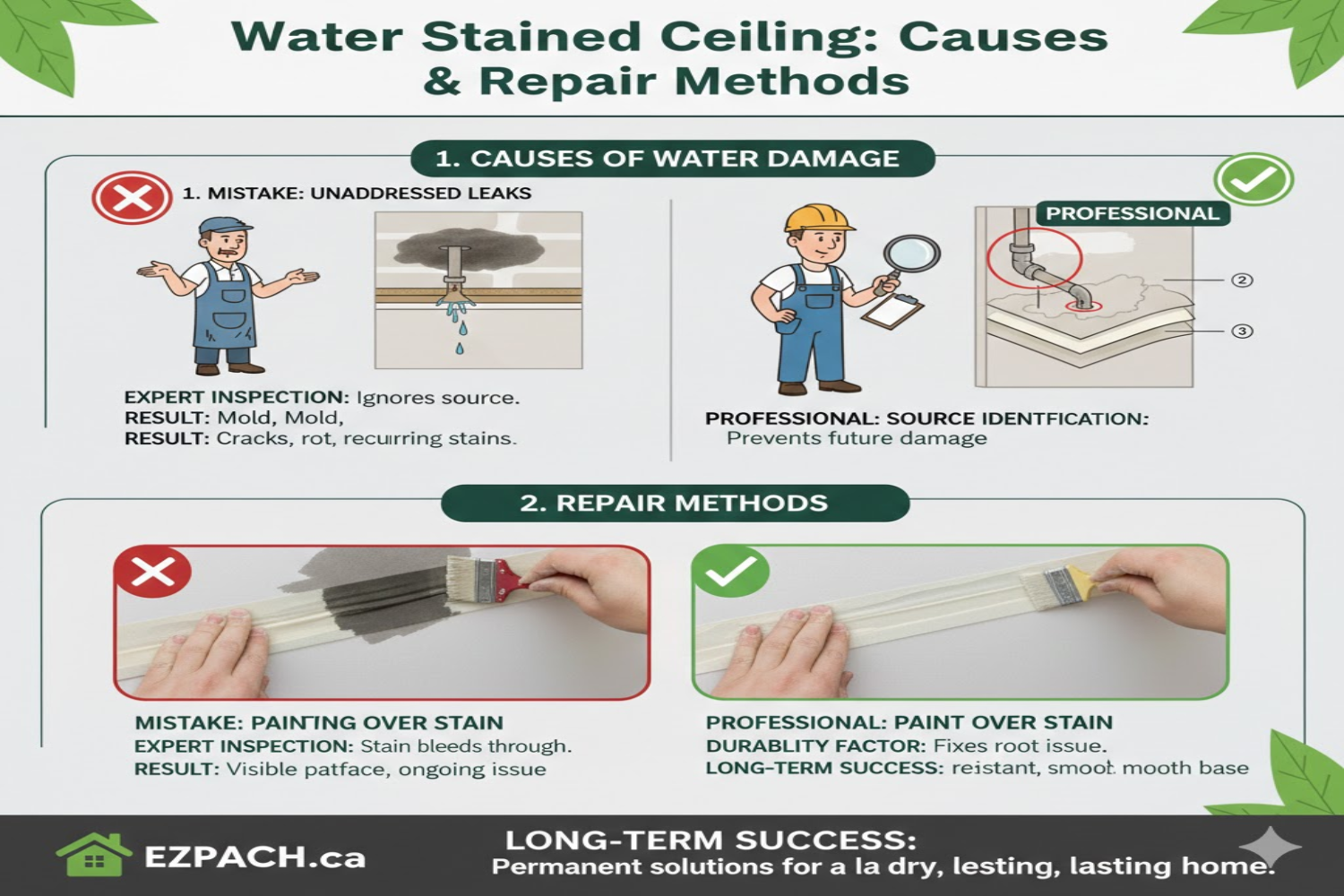
What causes water damage in ceilings ranges from roof leaks to plumbing failures. Prolonged moisture can weaken structural elements like joists and plaster. When damage affects load-bearing members, an engineering review is required.
How engineers approach water-damaged ceilings involves moisture measurement, assessment of wood rot, and evaluation of metal fasteners. They determine whether structural members can be salvaged or must be replaced. Without this assessment, repairs may fail or lead to further structural compromise.
Signs Water Damage May Require Engineering Review
- Persistent dampness or mold near load-bearing beams
- Sagging drywall or plaster along the entire ceiling spans
- Ceiling discoloration with structural element exposure
- Pooling water or dripping above ceilings
- Warping of joists or beam rotation
Heavy Fixture and Load Concerns
What happens when ceilings support heavy fixtures such as chandeliers, fans, or HVAC units can affect ceiling integrity. Over time, fasteners may loosen, or joists may deform under weight. Engineering evaluation ensures these loads are safely supported during repair.
Weight Distribution Assessment
Engineers calculate load distribution to prevent ceiling collapse. They determine if reinforcement or additional supports are necessary. Repairing ceilings without this assessment may lead to future sagging or failure.
Ceiling Joist Reinforcement
How joist reinforcement works involves adding sister joists or metal brackets. This distributes weight more evenly and ensures safe long-term performance.
Fixture Relocation Considerations
Sometimes, relocating a heavy fixture is more practical than reinforcing the existing ceiling. Engineers guide decisions to minimize damage and cost.
Previous Structural Modifications
What occurs when ceilings have been altered or modified, such as removing walls or adding openings, can compromise support. These changes often necessitate professional review before repair. Engineering ensures that the load path is continuous and that repair won’t create new risks.
How engineers review modified ceilings involves checking previous alterations, beam sizing, and fastener placement. This prevents further settlement, cracking, or collapse.
Risks of Previous Modifications
- Unsupported spans after wall removal
- Undersized beams or joists
- Improper fastener or bracket installation
- Hidden damage from unpermitted renovations
- Compromised load transfer to adjacent floors
Ceilings in Older or Historic Buildings
What makes older buildings challenging is their unique construction materials and methods. Plaster-and-lath ceilings, timber joists, or corbelled supports may behave differently under stress than modern drywall. Engineering review ensures any repair respects historical integrity while maintaining safety.
Plaster and Lath Assessment
Engineers evaluate lath spacing, plaster thickness, and joint adhesion. Weaknesses may require reinforcement before cosmetic repair.
Timber Joist Integrity
Old timber may have decay, insect damage, or reduced load capacity. Engineers determine whether replacement or reinforcement is necessary.
Preserving Historical Features
Repairs must balance structural safety with aesthetics. Engineers recommend minimally invasive methods that maintain historical value.
Fire or Impact Damage
What occurs after a fire or significant impact often leaves ceilings structurally compromised. Heat can weaken joists, and impacts may loosen fasteners. Engineering review identifies which sections are salvageable and how to reinforce them.
Signs Fire or Impact Damage Needs Engineering Review
- Charring or discoloration of structural elements
- Cracked plaster or drywall along load-bearing areas
- Warped joists or beams
- Partial collapse or sagging in sections
- Loose fasteners or brackets
Complex Ceiling Designs
What makes complex ceiling designs, such as vaulted or coffered ceilings, challenging is their structural intricacy. Load distribution is non-uniform, requiring a detailed assessment before repair. Engineering review ensures modifications or repairs do not compromise structural balance.
Vaulted Ceilings
Vaulted ceilings transfer loads differently from flat ceilings. Reinforcement may involve sistering rafters or adding hidden supports.
Coffered Ceilings
Coffered ceilings combine aesthetic panels with structural members. Engineers ensure that panel weight and joist strength are compatible.
Suspended Ceilings
Suspended systems may obscure structural damage. Engineering review confirms that anchors and grid systems remain safe.
Emergency Situations Requiring Immediate Review
What constitutes an emergency includes sagging ceilings, falling plaster, or signs of imminent collapse. Immediate engineering evaluation prevents accidents and structural failure.
Emergency Indicators
- Sudden sagging or bulging
- Cracks widening rapidly
- Falling debris or plaster chunks
- Water is pooling on ceilings with structural beams visible.
- Audible creaking under normal loads
Conclusion
Ceiling repairs that require engineering review are critical for ensuring structural safety and long-term durability. Damage from water, fire, heavy fixtures, historical materials, or complex designs often cannot be addressed by basic patching.
Understanding which repairs need professional assessment helps homeowners avoid accidents, costly rework, and structural failure. By consulting engineers early, repairs are more efficient, safer, and aligned with building codes.
FAQs
1. When should I call an engineer for ceiling repairs?
If cracks are wide, sagging is present, or the ceiling supports heavy fixtures, engineering review is recommended.
2. Do all ceiling cracks require engineering review?
No, small hairline cracks usually do not, but structural cracks or sagging do.
3. How does water damage affect ceiling safety?
Water can weaken joists, plaster, and fasteners, necessitating an engineering assessment.
4. Are vaulted ceilings more likely to need engineering review?
Yes, due to uneven load distribution and complex structure.
5. Can old plaster ceilings be repaired without an engineer?
Minor cosmetic repairs can be made, but structural concerns require professional evaluation.
6. What role does fire damage play in ceiling repairs?
Fire can compromise structural integrity, making an engineering review essential before repair.
7. How do engineers determine if reinforcement is needed?
They assess load paths, joist strength, fastener integrity, and structural continuity.
8. Can engineering review prevent future ceiling collapse?
Yes, by identifying risks and recommending reinforcement or repair methods, it reduces the likelihood of failure.
Drywall Repair Halifax
EZ Patch offers clean, professional drywall, ceiling, plaster, and water damage repair services in Halifax with minimal mess and long-lasting results.
EZ Patch – Drywall Repair Experts
Trusted drywall repair professionals serving Halifax and nearby areas.
Drywall Patch & Repair
Seamless drywall repairs for holes, cracks, dents, and damaged walls.
Ceiling Repairs
Professional ceiling repair services for stains, cracks, and water damage.
Drywall Installation
Complete drywall installation services for renovations and new builds.
Taping & Mudding
Smooth, paint-ready wall finishes by expert drywall finishers.
Plaster Repair Experts
Precision plaster repair services while maintaining original wall texture.
Water Damage Repair
Drywall and ceiling restoration for properties affected by water damage.
Texture Matching
Accurate texture blending so repaired areas match existing finishes.
Installation, Repair & Removal
End-to-end drywall installation, repair, and removal solutions.