Ceilings may appear flawless at first glance, but even the smallest imperfections can signal underlying issues that, if ignored, can lead to costly repairs and potentially dangerous conditions. Subtle cracks, minor sagging, or faint discoloration are often dismissed as cosmetic issues, yet they frequently indicate structural or moisture-related problems that require immediate attention. Recognizing these ceiling repair warning signs homeowners ignore allows property owners to act proactively, preventing further deterioration, safeguarding the home’s structural integrity, and avoiding emergency repairs that could be expensive and disruptive.
Professional inspection and maintenance play a critical role in preserving both the visual appeal and functional safety of ceilings. Skilled contractors evaluate ceilings for alignment, moisture intrusion, joint integrity, and material stress to identify early signs of failure. Being aware of warning signs helps homeowners make informed decisions, ensures timely intervention, and protects the property against more extensive damage that could compromise both aesthetics and occupant safety over time.
Structural Warning Signs in Ceilings
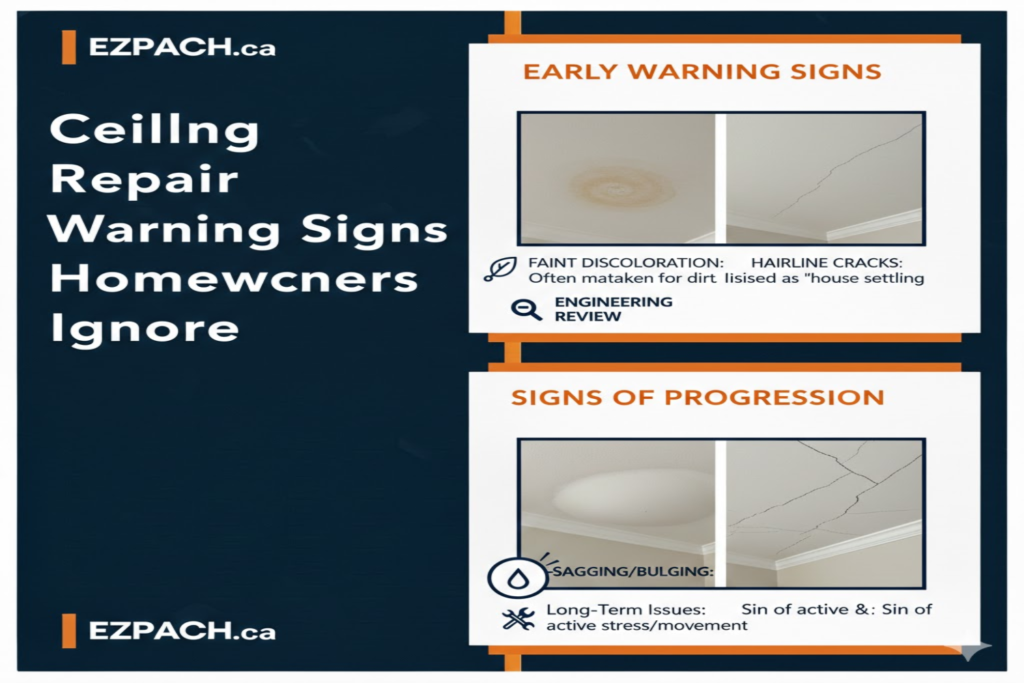
Structural warning signs are often subtle, making them easy to overlook, yet they represent some of the most critical indicators of potential ceiling failure. Issues like sagging panels, bulging areas, or joint separation can point to compromised supports, water damage, or framing problems. These signs are not only visual cues but also safety indicators, signaling that immediate professional assessment is necessary to prevent further deterioration or potential collapse. Professionals use these observations to prioritize repairs, allocate reinforcement materials, and determine the best approach for long-term stability.
Minor nail pops or screw protrusions often appear around ceiling seams or joints. While these issues may seem trivial, repeated nail pops or misaligned panels can indicate stress on the ceiling material, poor fastening, or ongoing movement within the structural frame. Addressing these early signs prevents expansion of minor defects into larger, more costly problems. Ignoring these warning signs may result in sagging that becomes visible across multiple panels, which can compromise both the structural integrity and overall aesthetics of the ceiling.
Sagging Panels
Sagging occurs when ceiling supports weaken or moisture infiltrates the material, causing uneven surfaces. Even a slight dip in a ceiling panel can indicate that the load distribution is compromised, and continued neglect may lead to partial collapse. Professionals assess sagging with precision tools to determine whether reinforcement or complete panel replacement is necessary. Proper evaluation and timely repair not only restore safety but also maintain the visual uniformity of the ceiling, which is essential for both residential and commercial properties.
Bulging Areas
Bulges typically form near corners, seams, or areas subjected to water intrusion. They are often caused by uneven stress, moisture expansion, or framing inconsistencies. Left unaddressed, bulges may worsen, leading to cracked finishes, peeling paint, or compromised panels. Corrective measures involve identifying the root cause—whether water damage, improper installation, or structural movement—and implementing repairs that restore even surfaces and maintain long-term integrity.
Separation from Walls
Ceiling-to-wall separation appears as small gaps or visible space between the ceiling and adjacent walls. This usually results from settling, material shrinkage, or structural shifts. If left untreated, these gaps can grow, reducing the ceiling’s load-bearing stability and creating noticeable visual defects. Professionals often reinforce these junctions with appropriate fillers or supports, ensuring both safety and a clean, seamless appearance.
Nail or Screw Pops
Protruding fasteners can indicate that materials are expanding, contracting, or moving due to environmental conditions or poor installation. Repeated nail pops in the same area are a signal that underlying stress has compromised joint integrity. Repair involves removing, re-fixing, and properly sealing the affected areas, ensuring that future movement does not result in additional aesthetic or structural issues.
Water Damage Warning Signs
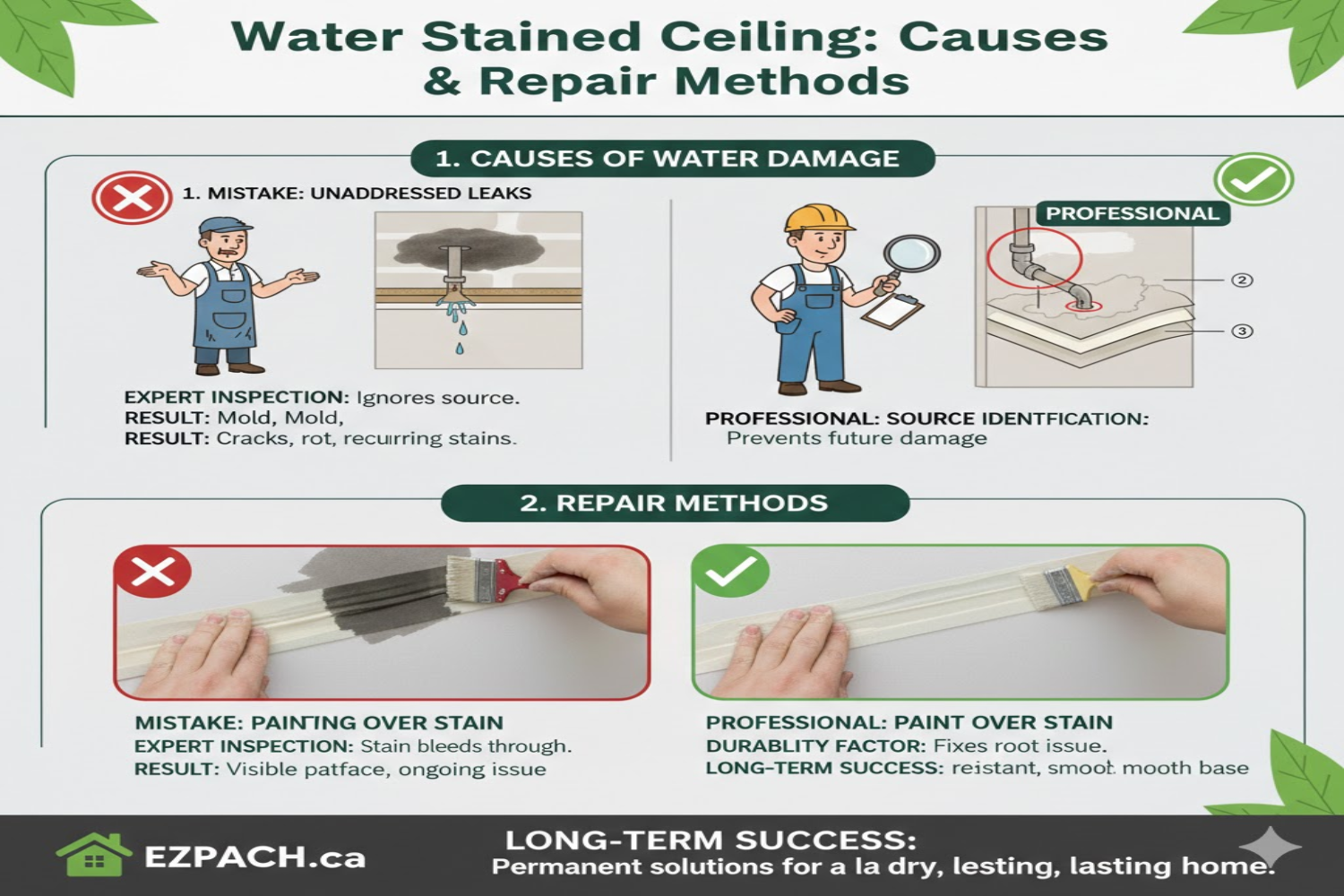
Water damage is one of the most common and destructive ceiling problems. Signs of moisture intrusion often go unnoticed until they become severe, but early detection is critical to prevent structural weakening, mold growth, and potential health hazards. Discoloration, soft spots, bubbling paint, or mold can all indicate hidden leaks from roofs, plumbing, or HVAC systems. Ignoring these warning signs often leads to widespread damage that requires extensive remediation, including drywall replacement, mold treatment, and structural reinforcement.
Moisture affects both the material and the supporting structure. Continuous exposure can soften plaster or drywall, weaken adhesives, and compromise joint tape, resulting in sagging or misaligned panels. Professional assessment typically involves moisture meters or infrared imaging to pinpoint hidden leaks. Prompt intervention prevents the material from deteriorating further, reduces the risk of mold, and restores the ceiling to its original condition.
Stains and Discoloration
Stains generally appear as yellow, brown, or gray patches, often with uneven borders that follow the path of a leak. These marks are early indicators of water intrusion and require investigation to determine whether the source is a plumbing issue, roof leak, or condensation buildup. Professionals address both the cosmetic and structural aspects, ensuring that repairs eliminate the source of water damage while restoring the ceiling surface.
Soft Spots
Soft or spongy areas in ceilings result from prolonged water exposure. Pressing lightly on the surface may reveal weakness, which, if unaddressed, can lead to sagging or collapse. Professionals assess the extent of the compromised material and determine whether reinforcement or full panel replacement is necessary to prevent failure.
Mold and Mildew
Mold growth is a natural consequence of moisture accumulation over time. It not only damages ceiling material but also poses health risks such as allergies and respiratory issues. Removal involves treating affected areas, drying the space, and correcting the underlying source of moisture to prevent recurrence.
Bubbling or Peeling Paint
Paint bubbles or peels when water becomes trapped beneath the surface. While often considered a cosmetic problem, this indicates that the ceiling material has been compromised and may require additional reinforcement. Corrective repair addresses both the aesthetic flaw and the underlying water intrusion.
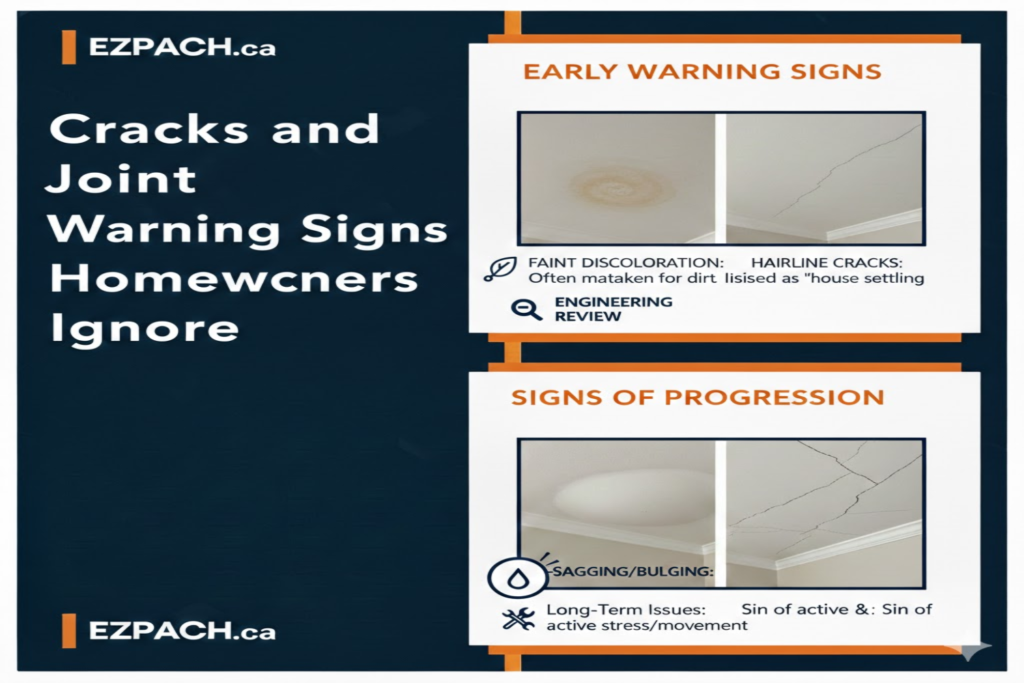
Cracks and Joint Warning Signs
Cracks in ceilings are often the first visible signal of stress, settling, or poor installation. While some minor hairline cracks are normal, widening cracks, corner fissures, and joint separation are serious issues that compromise both structural integrity and aesthetics. Professionals evaluate the pattern, width, and location of cracks to determine whether reinforcement, joint repair, or complete replacement is necessary.
Hairline Cracks
Hairline cracks often result from normal settling or minor material shrinkage. Early detection allows preventive measures, reducing the risk of progression to wider cracks that can affect structural stability. Professionals often monitor these cracks to ensure they remain non-threatening while addressing any underlying causes.
Wide Cracks
Wider cracks indicate significant movement or potential water damage. Ignoring these can lead to panel failure, sagging, or even partial ceiling collapse. Timely intervention includes structural reinforcement, proper patching, and finishing to maintain safety and visual appeal.
Corner Cracks
Cracks near corners usually result from joint stress or shrinkage of drywall or plaster. If left unaddressed, they can spread along seams and compromise decorative moldings. Professional repair restores structural support and ensures a clean finish.
Joint Separation
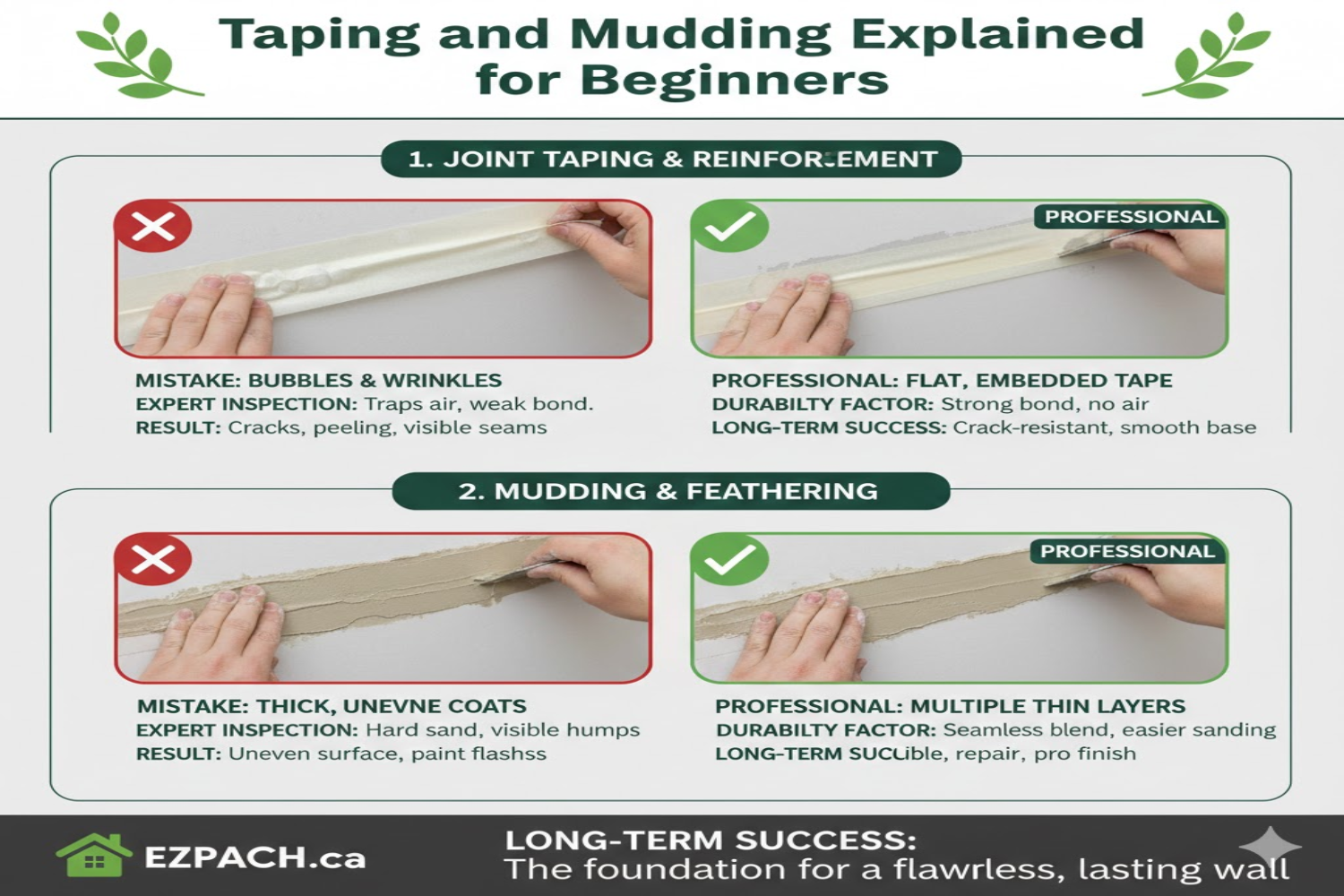
Separation along taped joints signifies adhesion failure, often exacerbated by environmental changes or structural movement. Repair involves proper mudding, taping, and sanding to restore a seamless surface. Reinforcement prevents recurring separation and maintains durability.
Texture and Finish Warning Signs
Surface texture issues frequently reveal hidden ceiling problems. Uneven finishes, peeling material, and damaged popcorn textures indicate potential water intrusion, structural shifts, or poor material adhesion. Professionals evaluate these signs carefully to ensure that repairs address both the visible flaw and the underlying cause.
Uneven Surface
Uneven textures often stem from poor installation, settling, or minor water damage. Professionals level the surface using proper finishing techniques to ensure visual uniformity and structural consistency.
Popcorn Ceiling Deterioration
Popcorn or textured ceilings are prone to cracking or detachment, especially after prolonged exposure to moisture. Repairing these areas prevents falling debris and restores aesthetic appeal.
Loose Material
Flaking or peeling material signals compromised adhesion or moisture damage. Professional removal of affected sections ensures safety and provides a stable surface for refinishing.
Stain-Affected Textures
Discoloration affects both appearance and texture integrity. Addressing the source of moisture or staining ensures long-lasting repair and prevents further material degradation.
Electrical Fixture Warning Signs
Ceiling fixtures can act as indicators of hidden damage. Loose lights, burn marks, or moisture near fixtures may signify compromised materials or electrical hazards. Ignoring these warning signs can pose serious safety risks, including electrical fires.
Loose Fixtures
Fixtures that pull away from the ceiling indicate weakened support. Professionals reinforce mounting areas to prevent hazards. Proper installation ensures long-term stability.
Burn Marks or Odors
Scorch marks or unusual smells may reveal electrical issues. Early intervention prevents potential fire hazards and ensures safe operation.
Water Around Fixtures
Moisture near lights or fans increases shock and fire risk. Correcting the source of water protects both safety and structural integrity.
Flickering Lights
Flickering may indicate wiring issues or ceiling movement. Professional assessment addresses both electrical and material concerns, ensuring safety.
Settlement and Movement Warning Signs
Building settling or structural movement can affect ceiling alignment and stability. Signs include uneven planes, gaps at wall intersections, misaligned joints, or separation of cornices. Professionals monitor these indicators to ensure long-term safety and durability.
Uneven Ceiling Planes
Visible dips or tilts suggest structural movement. Professionals correct alignment and provide reinforcement. Continuous monitoring prevents recurrence.
Gaps at Wall Intersections
Gaps between ceilings and walls indicate settling. Proper repair preserves both safety and finish quality.
Misaligned Joints
Misaligned joints signify stress or shifting. Realignment restores durability and aesthetic appeal.
Cornice Separation
Separation of decorative moldings reflects movement or shrinkage. Repair ensures visual and structural integrity.
Key Ceiling Warning Signs
- Sagging or uneven ceiling panels
- Water stains, soft spots, or bubbling paint
- Hairline, wide, or corner cracks
- Nail or screw pops along joints
- Loose or misaligned fixtures
- Mold or mildew growth
- Flaking, peeling, or uneven textures
- Gaps at wall intersections or cornices
- Uneven ceiling planes or bulges
Cost Implications of Ignoring Warning Signs
Neglecting early warning signs can significantly increase repair costs. Minor issues may require simple patching, whereas severe structural, water, or electrical damage often necessitates extensive reconstruction, mold remediation, or replacement of fixtures and panels. Timely professional intervention reduces long-term expenses, protects the property, and preserves aesthetic value.
| Warning Sign | Cost Impact | Notes |
| Water Damage | High | May require drywall replacement and mold remediation |
| Sagging Panels | High | Structural reinforcement needed |
| Cracks and Joint Failures | Moderate | Patching and finishing are required |
| Electrical or Fixture Issues | High | Licensed electrician intervention needed |
| Texture and Finish Damage | Low to Moderate | Cosmetic repair may suffice |
Conclusion
Understanding and recognizing ceiling repair warning signs that homeowners ignore is vital for maintaining safe and visually appealing ceilings. Small cracks, stains, sagging panels, and misaligned fixtures often precede severe damage, making early professional assessment critical. Timely intervention prevents structural failure, costly repairs, and safety hazards, ensuring long-term protection for the property.
Regular monitoring, maintenance, and professional repair not only preserve aesthetics but also extend ceiling longevity. Awareness of warning signs empowers homeowners to act decisively, safeguarding both their investment and the well-being of the occupants. Proactive attention to ceilings ensures both safety and satisfaction over the long term.
Frequently Asked Questions (FAQs)
1. How early can water damage appear on ceilings?
Stains or soft spots typically appear first. Detecting these early prevents further material deterioration.
2. Are hairline cracks a cause for concern?
Hairline cracks result from minor settling but should be monitored. Proper assessment prevents progression to larger cracks.
3. How does ceiling sagging occur?
Sagging results from weak support, moisture, or structural stress. Repair prevents collapse and ensures safety.
4. Are textured ceilings harder to inspect?
Yes, textures can hide cracks and stains. Professionals evaluate carefully to identify hidden issues.
5. Can loose light fixtures indicate ceiling problems?
Loose fixtures may reflect weakened panels. Professional repair ensures safety and stability.
6. Does mold always accompany leaks?
Mold occurs with prolonged moisture exposure. Early drying and repair prevent fungal growth.
7. How often should ceilings be inspected?
Twice-yearly inspections are recommended. Seasonal changes affect ceiling material and reveal early issues.
8. Are older homes more prone to warning signs?
Yes, older homes experience more settling and movement. Professionals prioritize inspections to prevent damage.
Drywall Repair Halifax
EZ Patch offers clean, professional drywall, ceiling, plaster, and water damage repair services in Halifax with minimal mess and long-lasting results.
EZ Patch – Drywall Repair Experts
Trusted drywall repair professionals serving Halifax and nearby areas.
Drywall Patch & Repair
Seamless drywall repairs for holes, cracks, dents, and damaged walls.
Ceiling Repairs
Professional ceiling repair services for stains, cracks, and water damage.
Drywall Installation
Complete drywall installation services for renovations and new builds.
Taping & Mudding
Smooth, paint-ready wall finishes by expert drywall finishers.
Plaster Repair Experts
Precision plaster repair services while maintaining original wall texture.
Water Damage Repair
Drywall and ceiling restoration for properties affected by water damage.
Texture Matching
Accurate texture blending so repaired areas match existing finishes.
Installation, Repair & Removal
End-to-end drywall installation, repair, and removal solutions.