Drywall cracks are a common issue in homes and commercial spaces alike, often caused by structural shifts, moisture fluctuations, or improper installation. While minor cracks may seem purely cosmetic, they can signal deeper problems if left unaddressed. Preventing these cracks requires a combination of proper construction techniques, maintenance, and attention to environmental factors.
Many homeowners and builders underestimate the importance of proactive measures when it comes to drywall. Understanding the best practices to prevent drywall cracks not only preserves the aesthetic appeal of walls but also enhances the overall durability of a property. By following systematic strategies, you can ensure your walls remain smooth and free from unsightly fractures for years to come.
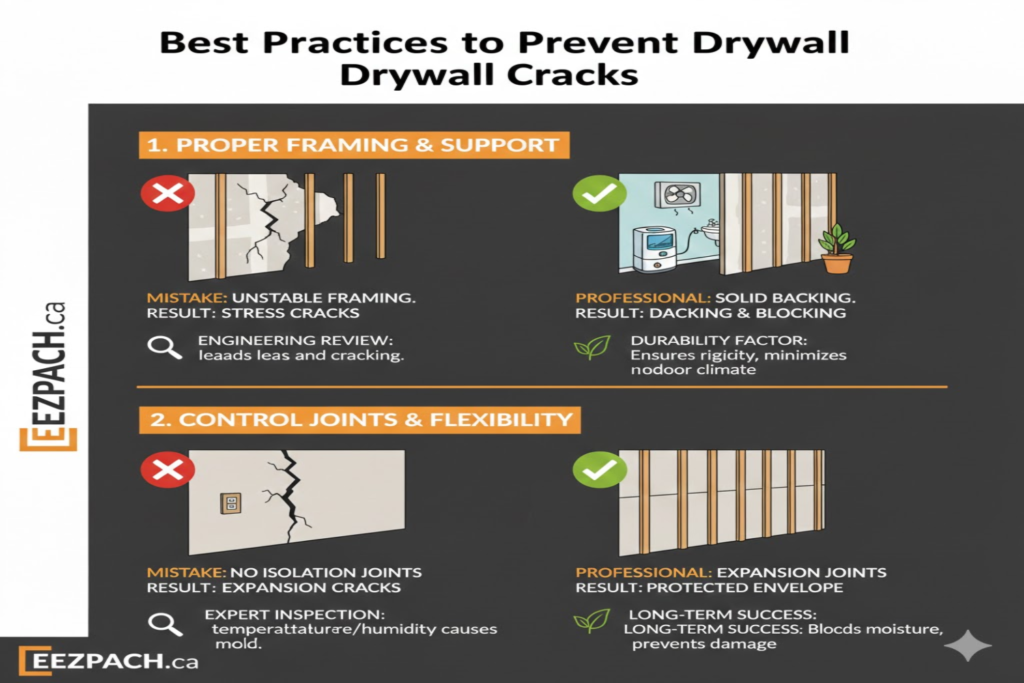
Understanding Drywall Cracks
Drywall cracks can appear in various forms, from fine hairline fractures to wider gaps that compromise wall integrity. They are influenced by several factors, including humidity changes, temperature fluctuations, and even natural settling of the building. Recognizing the early signs of cracking allows homeowners to take preventive action before the damage worsens.
Some cracks are purely superficial, while others indicate structural stress that needs professional attention. Hairline cracks typically form along joints or corners, whereas larger cracks often appear where drywall panels meet ceilings or floors. A proper understanding of these patterns is essential for implementing effective prevention strategies.
Types of Drywall Cracks
- Hairline Cracks: Small, superficial lines often caused by natural settling.
- Vertical Cracks: Usually due to structural movement or foundation shifts.
- Horizontal Cracks: Often indicate severe structural stress or framing issues.
- Diagonal Cracks: Can result from uneven wall support or expansion/contraction of materials.
Proper Drywall Installation Techniques
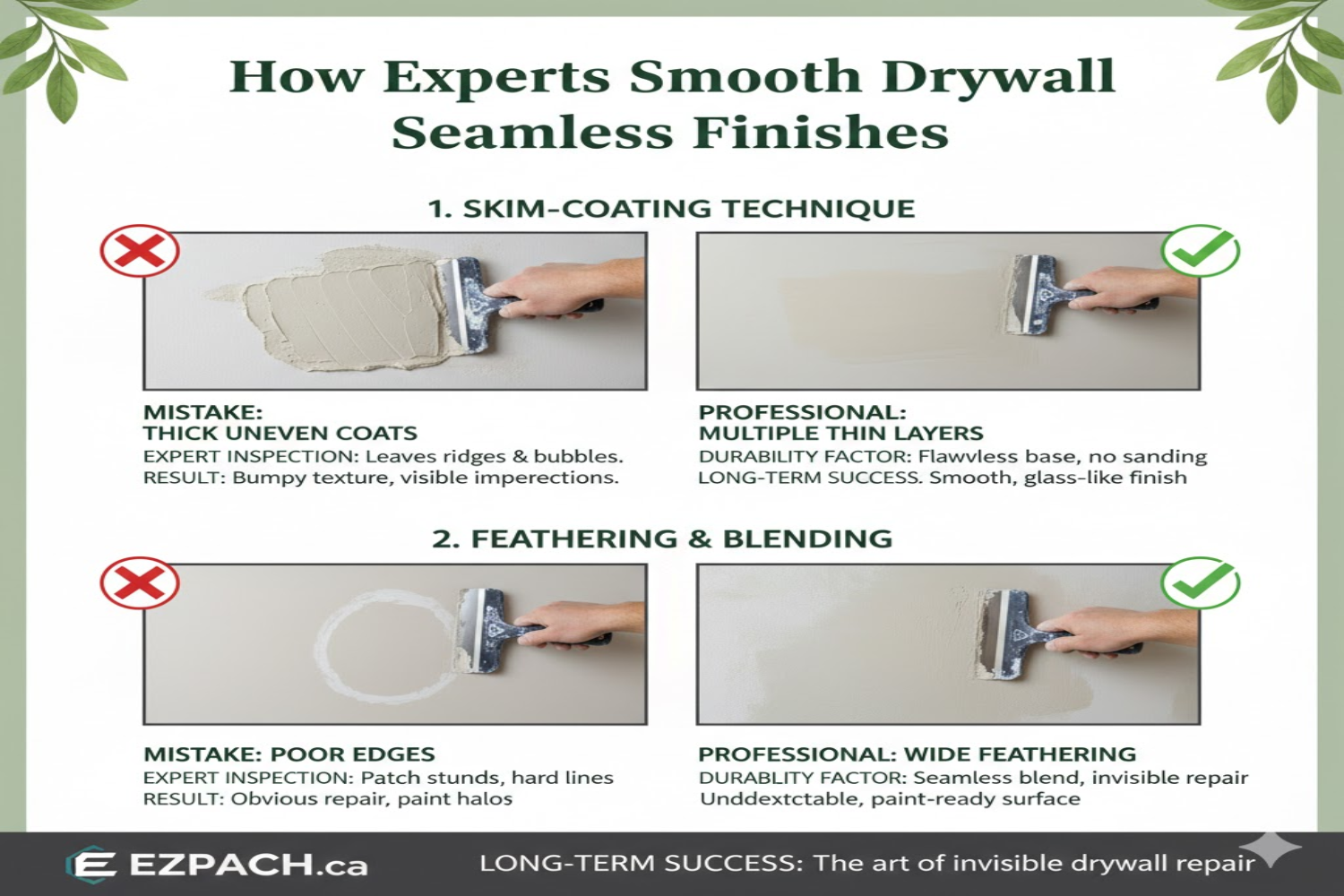
Proper installation is the cornerstone of preventing drywall cracks. Correct placement, fastening, and finishing techniques reduce stress on the wall and minimize the likelihood of cracking over time.
Installing drywall panels correctly involves precise measurements, careful handling, and using the right materials. Failure to adhere to these methods can result in tension points where cracks are likely to develop.
Key Installation Practices
- Ensure studs are evenly spaced (usually 16 inches apart) to support panels effectively.
- Use drywall screws rather than nails for a stronger, more secure attachment.
- Stagger seams between panels to reduce stress concentration.
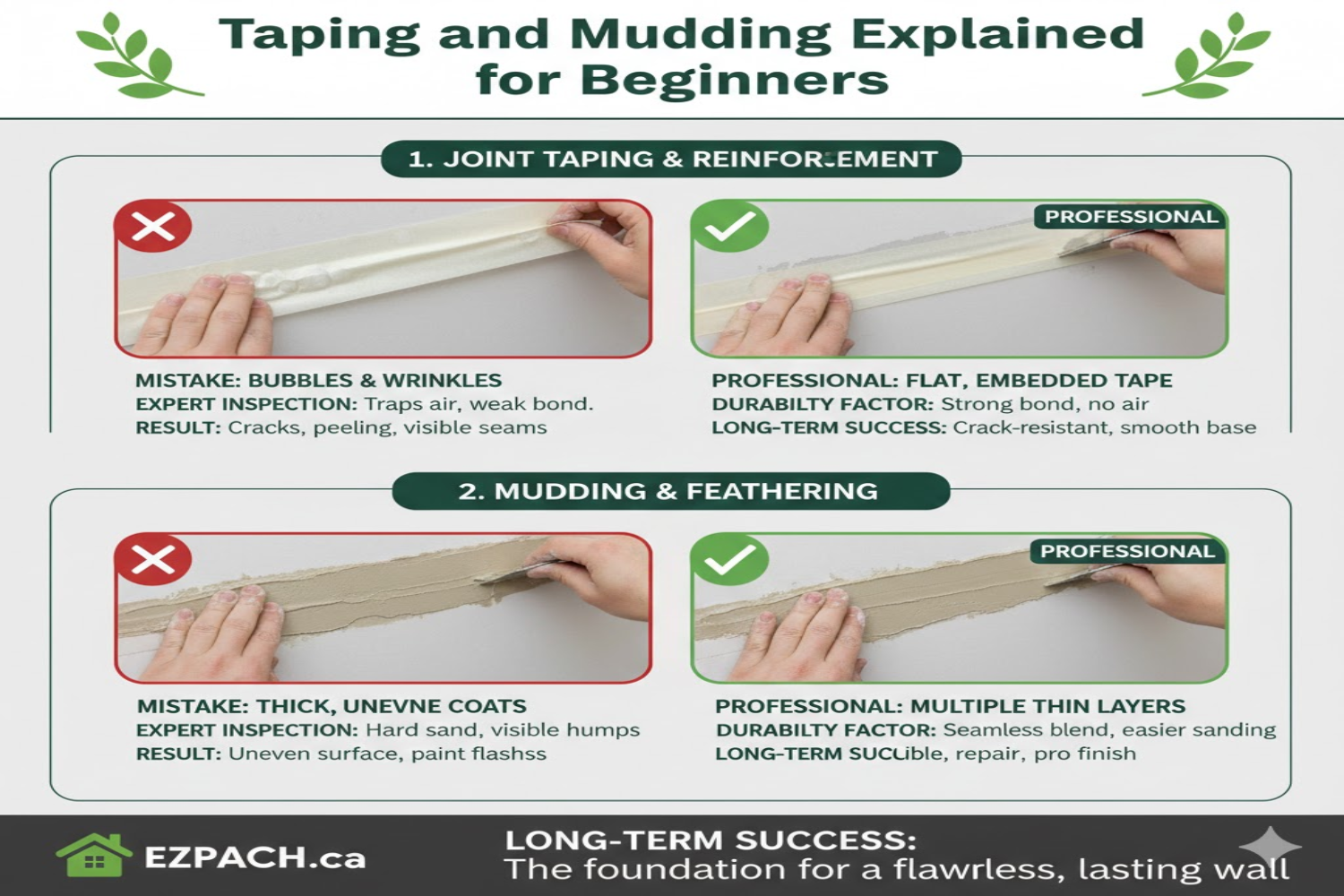
- Apply joint tape and compound properly to reinforce weak points.
Controlling Environmental Factors
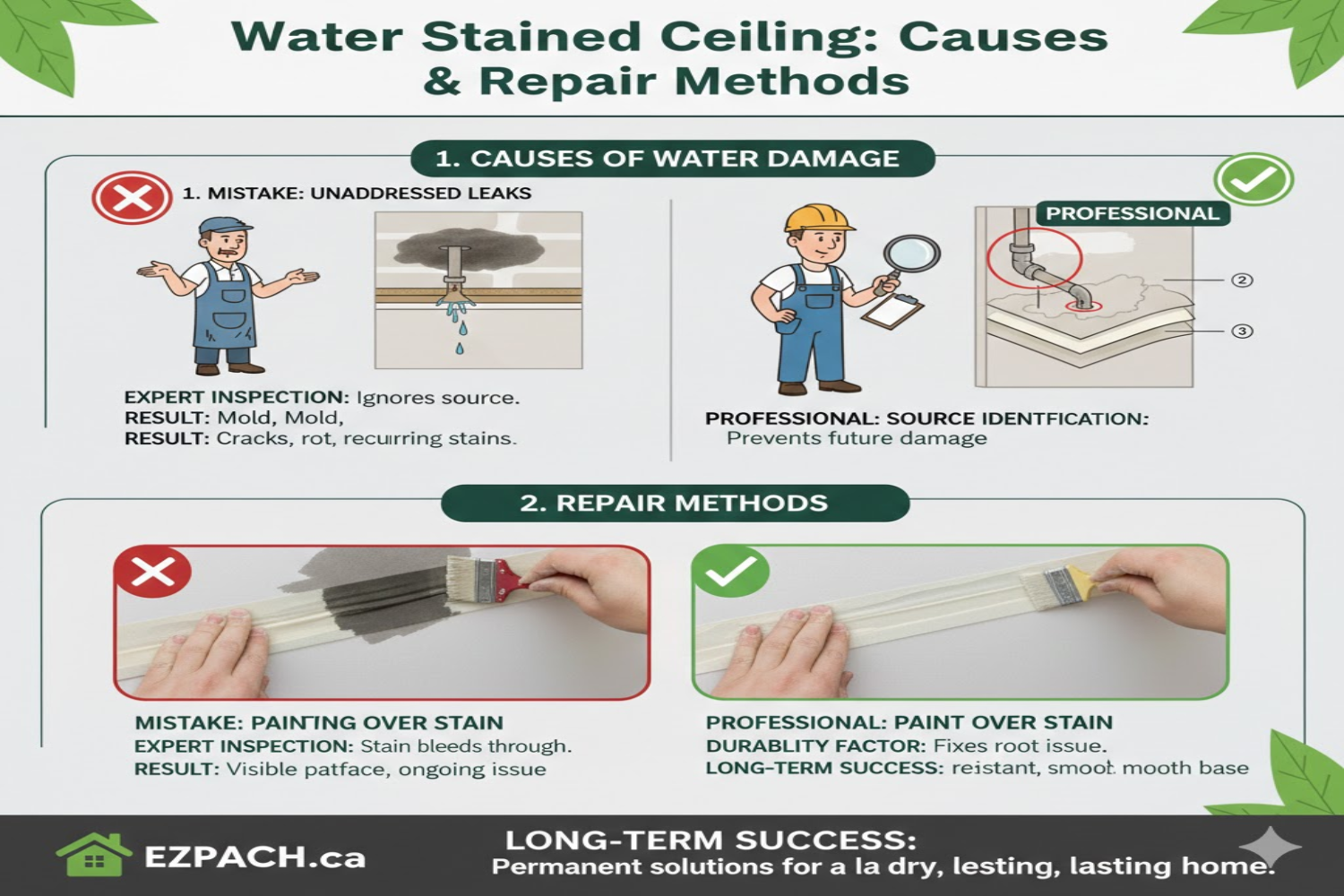
Environmental conditions like humidity, temperature, and moisture are significant contributors to drywall cracks. Extreme fluctuations can cause drywall to expand or contract, leading to fissures over time. Maintaining a stable indoor environment is therefore critical.
Moisture is especially problematic in bathrooms, kitchens, and basements. Installing proper ventilation and using moisture-resistant drywall in vulnerable areas can drastically reduce the risk of cracking.
Managing Humidity and Temperature
- Use a dehumidifier in areas prone to excess moisture.
- Maintain indoor temperature within a consistent range.
- Install exhaust fans in bathrooms and kitchens.
- Avoid placing heating vents directly against drywall surfaces.
Using Quality Materials
The quality of drywall and joint compounds plays a major role in crack prevention. Inferior materials are more likely to shrink, warp, or deteriorate, increasing the risk of fractures.
Opting for high-grade drywall panels, durable joint compounds, and premium tapes ensures that walls remain stable even under environmental stress. Investing in quality materials may cost more upfront, but it saves substantial maintenance in the long run.
Types of Quality Materials
- Moisture-resistant drywall: Ideal for bathrooms and basements.
- Fire-resistant drywall: Provides added protection and reduces cracking in heat-exposed areas.
- High-strength joint compounds: Ensure long-lasting adhesion at seams and corners.
- Fiberglass mesh tape: Reduces the chance of joint cracking compared to paper tape.
Structural Considerations
A building’s structural integrity is directly linked to drywall performance. Walls installed over unstable foundations or improperly framed studs are more prone to cracks.
Understanding the load-bearing aspects of your structure can help prevent drywall fractures. Reinforcing weak areas, leveling uneven surfaces, and addressing foundation issues before drywall installation are critical steps.
Signs of Structural Stress
- Cracks wider than 1/8 inch along corners or seams.
- Misaligned doors or windows due to settling.
- Uneven floors or ceilings.
Regular Maintenance Practices
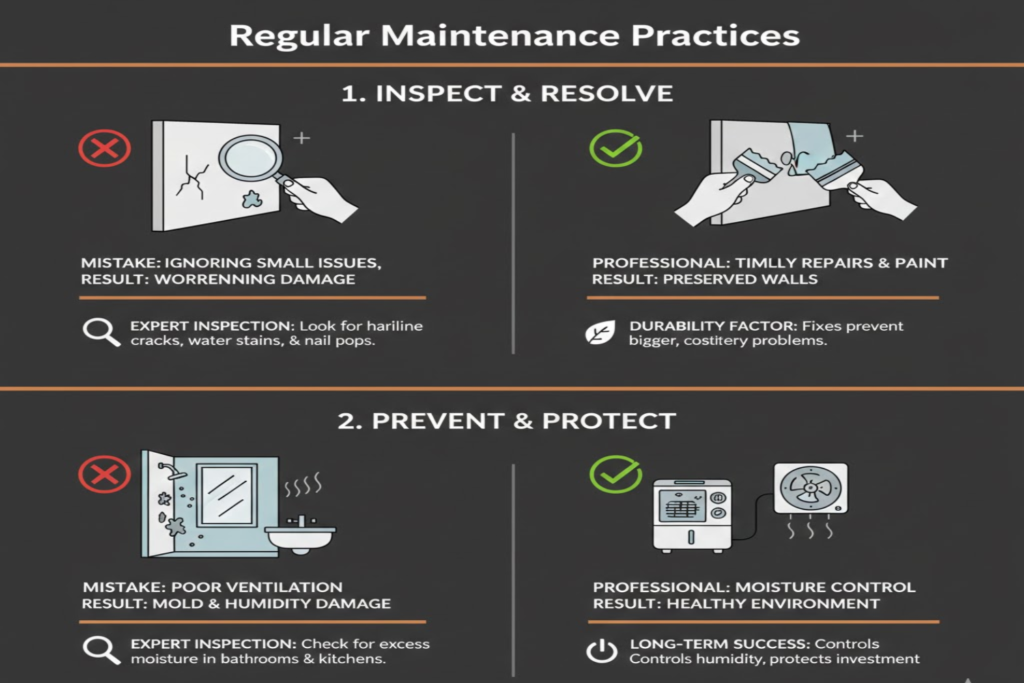
Even well-installed drywall can develop cracks over time without proper maintenance. Regular inspections and upkeep are essential for long-term durability.
Maintenance practices include inspecting seams, repainting surfaces periodically, and addressing small cracks immediately. Preventive maintenance avoids larger, costlier repairs and ensures walls remain visually appealing.
Routine Maintenance Tips
- Check for new cracks after seasonal changes.
- Reapply joint compound on minor imperfections before they expand.
- Monitor moisture levels in critical areas.
- Keep furniture and heavy items away from walls that may flex under pressure.
Checklist Preventing Drywall Cracks
Short, actionable steps can be followed for ongoing crack prevention:
- Use quality drywall and joint compounds.
- Maintain consistent indoor humidity and temperature.
- Stagger panel seams during installation.
- Properly fasten drywall to studs using screws.
- Inspect and repair minor cracks promptly.
Recommended Tools and Materials
| Tool/Material | Purpose | Notes |
| Drywall screws | Secure panels to studs | Avoid nails for better holding power |
| Joint compound | Smooth seams and cover screw heads | High-strength compound recommended |
| Fiberglass mesh tape | Reinforce seams | Less prone to cracking than paper tape |
| Moisture-resistant drywall | Ideal for high-humidity areas | Prevents swelling and cracking |
| Sanding block | Smooth finish before painting | Helps achieve professional-level results |
| Dehumidifier | Maintain optimal humidity | Crucial for basements and bathrooms |
| Heat-resistant tape | Protects from temperature-induced cracks | Especially useful near heating vents |
Seasonal Tips to Protect Drywall
Drywall can expand, contract, or develop cracks due to seasonal temperature and humidity changes. Being proactive during these periods helps maintain wall integrity and prevents minor issues from becoming major problems. Simple adjustments and routine monitoring can make a big difference.
- Use a humidifier in winter to prevent drywall from drying out and shrinking.
- Place a dehumidifier in summer to reduce moisture in high-humidity areas.
- Inspect seams and corners after each season for early signs of cracking.
- Avoid placing heating vents or radiators directly against walls.
- Apply seasonal touch-ups with joint compound on small cracks before they widen.
- Keep furniture slightly away from walls to reduce pressure during expansion and contraction.
Conclusion
Preventing drywall cracks is a combination of proper installation, high-quality materials, environmental control, structural awareness, and routine maintenance. Each factor contributes to reducing stress on drywall surfaces and extending their lifespan. Homeowners and builders who adopt these best practices can significantly reduce the occurrence of unsightly and potentially damaging cracks.
By implementing these measures, not only do walls maintain their aesthetic appeal, but the overall structural health of the property is also preserved. Proactive care, attention to detail, and timely repairs form the foundation of successful drywall crack prevention, ensuring a durable, beautiful interior for years to come.
FAQs
1. How often should I inspect my drywall for cracks?
Inspect your drywall at least twice a year, ideally during seasonal changes. Early detection prevents minor issues from worsening.
2. Can temperature fluctuations alone cause cracks?
Yes, extreme heating or cooling can cause drywall to expand or contract, leading to cracks along seams and corners.
3. Is using nails instead of screws a major factor in cracking?
Yes, nails may loosen over time, creating weak points and increasing the risk of hairline cracks.
4. Can painting prevent drywall cracks?
Paint adds a protective layer, but it does not prevent structural or moisture-related cracks. Proper installation is still essential.
5. Are cracks in older homes inevitable?
Older homes may develop cracks due to natural settling, but preventive measures and timely repairs can minimize damage.
6. Does high humidity alone cause drywall to crack?
High humidity can cause panels to swell and seams to weaken, which may eventually result in cracking.
7. How can I reinforce drywall seams?
Use high-quality joint compound and fiberglass mesh tape to reinforce seams and prevent cracks.
8. Can minor cracks be repaired without professional help?
Yes, small hairline cracks can usually be repaired with joint compound and proper sanding.
Drywall Repair Halifax
EZ Patch offers clean, professional drywall, ceiling, plaster, and water damage repair services in Halifax with minimal mess and long-lasting results.
EZ Patch – Drywall Repair Experts
Trusted drywall repair professionals serving Halifax and nearby areas.
Drywall Patch & Repair
Seamless drywall repairs for holes, cracks, dents, and damaged walls.
Ceiling Repairs
Professional ceiling repair services for stains, cracks, and water damage.
Drywall Installation
Complete drywall installation services for renovations and new builds.
Taping & Mudding
Smooth, paint-ready wall finishes by expert drywall finishers.
Plaster Repair Experts
Precision plaster repair services while maintaining original wall texture.
Water Damage Repair
Drywall and ceiling restoration for properties affected by water damage.
Texture Matching
Accurate texture blending so repaired areas match existing finishes.
Installation, Repair & Removal
End-to-end drywall installation, repair, and removal solutions.