Common Issues with Basement Drywall
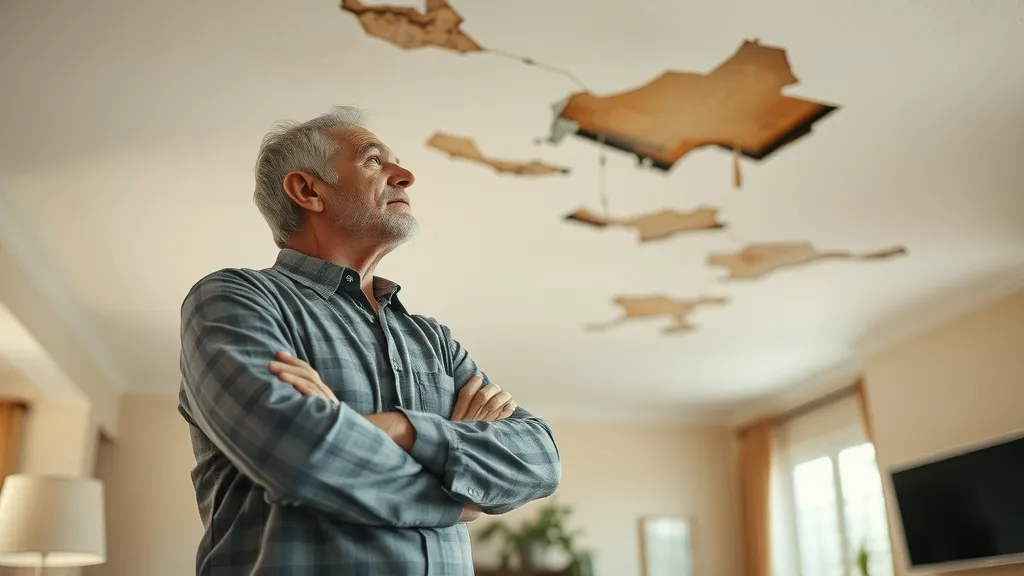
Basement drywall is susceptible to various issues, including moisture damage, mold growth, and cracks. Homeowners often face challenges such as damp walls, which can lead to significant structural damage if not addressed promptly. Understanding these common problems is crucial for effective maintenance and repair.
For instance, moisture can seep through the foundation, causing the drywall to warp and deteriorate. Regular inspections and timely repairs can help mitigate these issues, ensuring the longevity of your basement space and protecting your home's value.
DIY vs. Professional Basement Drywall Repair
When it comes to basement drywall repair, homeowners often debate whether to tackle the project themselves or hire a professional. DIY repairs can be cost-effective, but they may lack the expertise needed for complex issues, potentially leading to further damage.
On the other hand, hiring professionals ensures that repairs are conducted efficiently and to a high standard. Experts can identify underlying problems that may not be visible, providing a comprehensive solution that DIY methods might overlook, ultimately saving homeowners time and money in the long run.
Preventive Measures for Basement Drywall
Implementing preventive measures is essential for maintaining the integrity of basement drywall. Simple steps such as ensuring proper ventilation, using moisture-resistant materials, and maintaining consistent humidity levels can significantly reduce the risk of damage.
For example, installing a dehumidifier can help control moisture levels, while sealing cracks in the foundation can prevent water intrusion. These proactive strategies not only protect the drywall but also enhance the overall health of the basement environment.
Choosing the Right Materials for Basement Drywall
Selecting appropriate materials for basement drywall is critical for durability and moisture resistance. Homeowners should consider using water-resistant drywall, often referred to as green board or blue board, which is specifically designed for areas prone to dampness.
Additionally, incorporating insulation can further protect against moisture and improve energy efficiency. By choosing the right materials, homeowners can ensure their basement drywall withstands the unique challenges posed by its environment, leading to longer-lasting repairs and a more comfortable living space.
Common Issues with Basement Drywall
Basement drywall is susceptible to various issues, including moisture damage, mold growth, and cracks. Homeowners often face challenges such as damp walls, which can lead to significant structural damage if not addressed promptly. Understanding these common problems is crucial for effective maintenance and repair.
For instance, moisture can seep through the foundation, causing the drywall to warp and deteriorate. Regular inspections and timely repairs can help mitigate these issues, ensuring the longevity of your basement space and protecting your home's value.
DIY vs. Professional Basement Drywall Repair
When it comes to basement drywall repair, homeowners often debate whether to tackle the project themselves or hire a professional. DIY repairs can be cost-effective, but they may lack the expertise needed for complex issues, potentially leading to further damage.
On the other hand, hiring professionals ensures that repairs are conducted efficiently and to a high standard. Experts can identify underlying problems that may not be visible, providing a comprehensive solution that DIY methods might overlook, ultimately saving homeowners time and money in the long run.
Preventive Measures for Basement Drywall
Implementing preventive measures is essential for maintaining the integrity of basement drywall. Simple steps such as ensuring proper ventilation, using moisture-resistant materials, and maintaining consistent humidity levels can significantly reduce the risk of damage.
For example, installing a dehumidifier can help control moisture levels, while sealing cracks in the foundation can prevent water intrusion. These proactive strategies not only protect the drywall but also enhance the overall health of the basement environment.
Choosing the Right Materials for Basement Drywall
Selecting appropriate materials for basement drywall is critical for durability and moisture resistance. Homeowners should consider using water-resistant drywall, often referred to as green board or blue board, which is specifically designed for areas prone to dampness.
Additionally, incorporating insulation can further protect against moisture and improve energy efficiency. By choosing the right materials, homeowners can ensure their basement drywall withstands the unique challenges posed by its environment, leading to longer-lasting repairs and a more comfortable living space.