High-quality repairs play a crucial role in determining the longevity, efficiency, and cost-effectiveness of any property. Every repair, whether minor or major, carries long-term implications that extend beyond immediate fixes. Understanding how repair quality impacts long-term maintenance costs allows homeowners and property managers to make informed decisions, reducing recurring problems and financial burdens over time.
Low-quality repairs may appear economical initially, but they often conceal underlying issues, generate repeated maintenance needs, and create additional risks. Properly executed repairs, combined with durable materials and professional expertise, provide lasting solutions and protect investments. Examining repair quality through multiple dimensions highlights the financial, safety, and structural advantages of prioritizing excellence over expediency.
Understanding Repair Quality and Its Significance
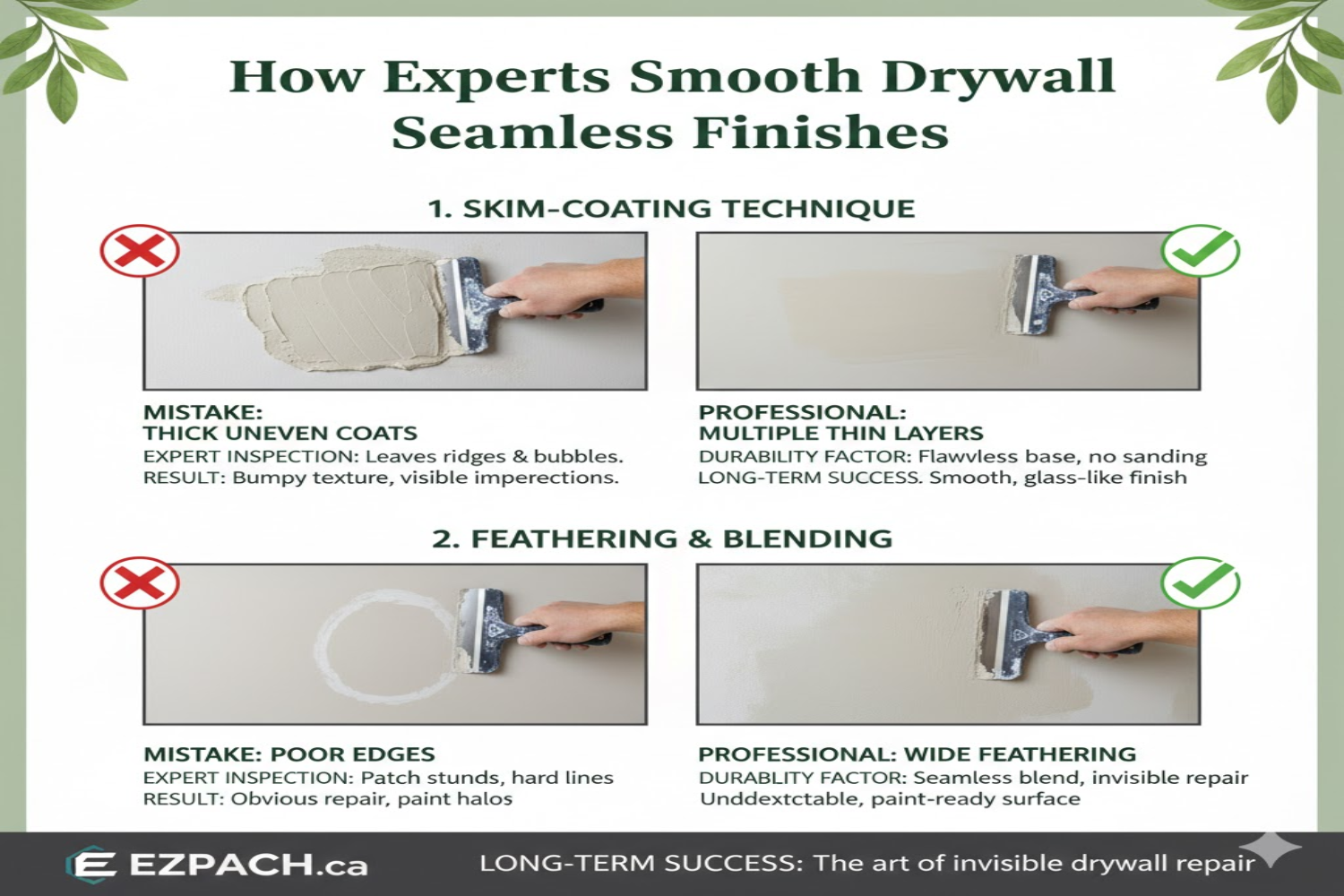
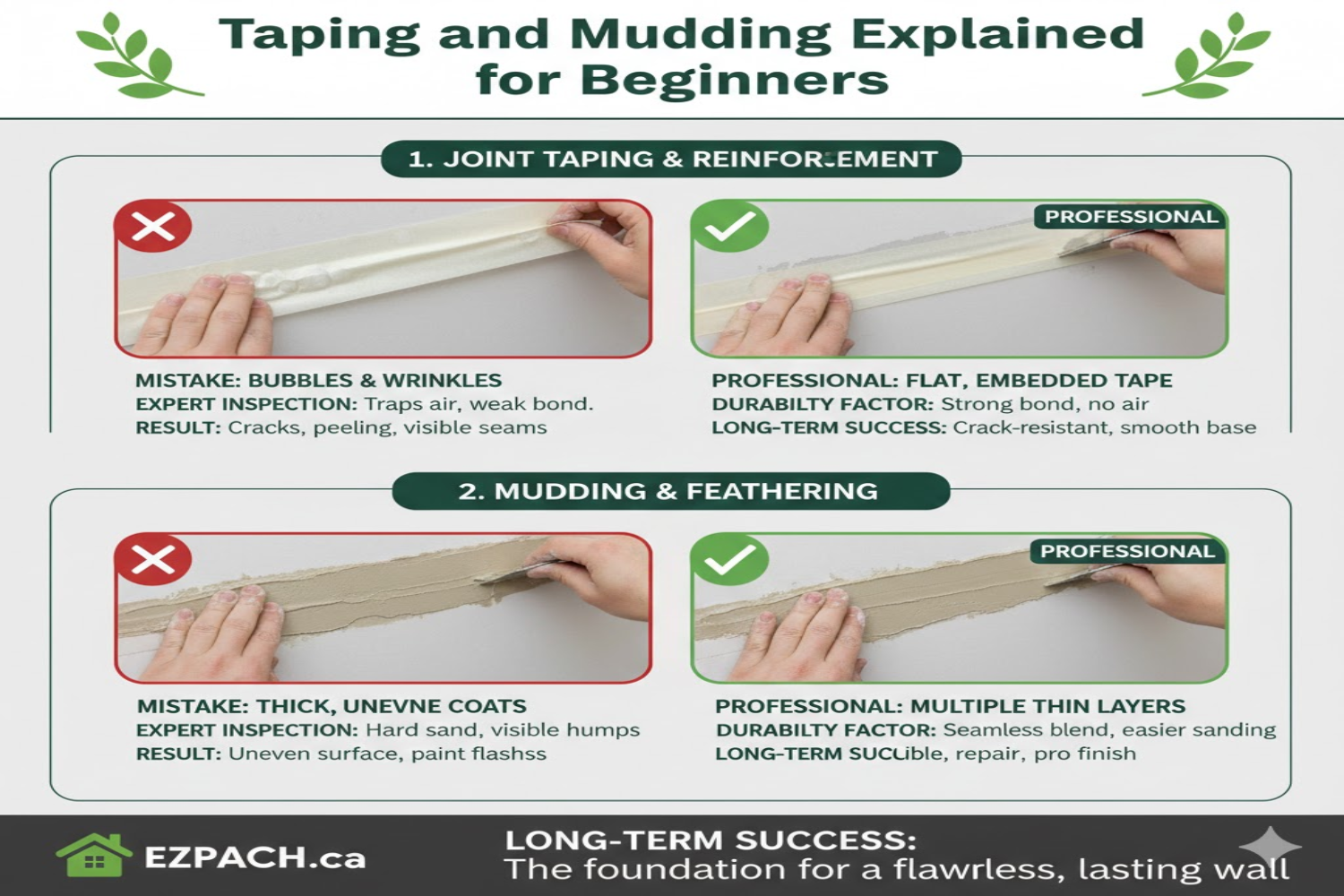
Repair quality encompasses more than visible results. It reflects the workmanship, materials, tools, and adherence to standards used during repair. High-quality repairs focus on solving root causes, ensuring structural integrity, and extending the functional lifespan of systems or components.
Defining High-Quality Repairs
- Accurate diagnosis of the underlying problem rather than temporary fixes.
- Use of durable, industry-approved materials suitable for the specific environment.
- Compliance with local building codes and professional standards.
- Attention to safety, efficiency, and aesthetic outcomes.
Consequences of Poor-Quality Repairs
- Increased likelihood of recurring issues and system failures.
- Hidden structural or operational damage that escalates over time.
- Reduced overall efficiency in systems such as HVAC, plumbing, and electrical.
- Higher long-term costs due to repeated interventions and emergency repairs.
Repair quality establishes the foundation for both short-term functionality and long-term savings, making it a critical consideration for any property owner.
Repair Quality Directly Influences Maintenance Frequency
Frequent maintenance and recurring repairs often signal substandard workmanship or inadequate materials. Each repeat intervention adds labor costs, material expenses, and time delays. Homeowners investing in high-quality repairs experience fewer breakdowns and extended intervals between necessary maintenance.
Frequency of Repairs and Costs
- Low-quality repairs increase the probability of early failures in systems or structures.
- Properly executed repairs maintain optimal functionality and reduce repeat visits.
- Extended maintenance cycles contribute to predictable long-term budgeting.
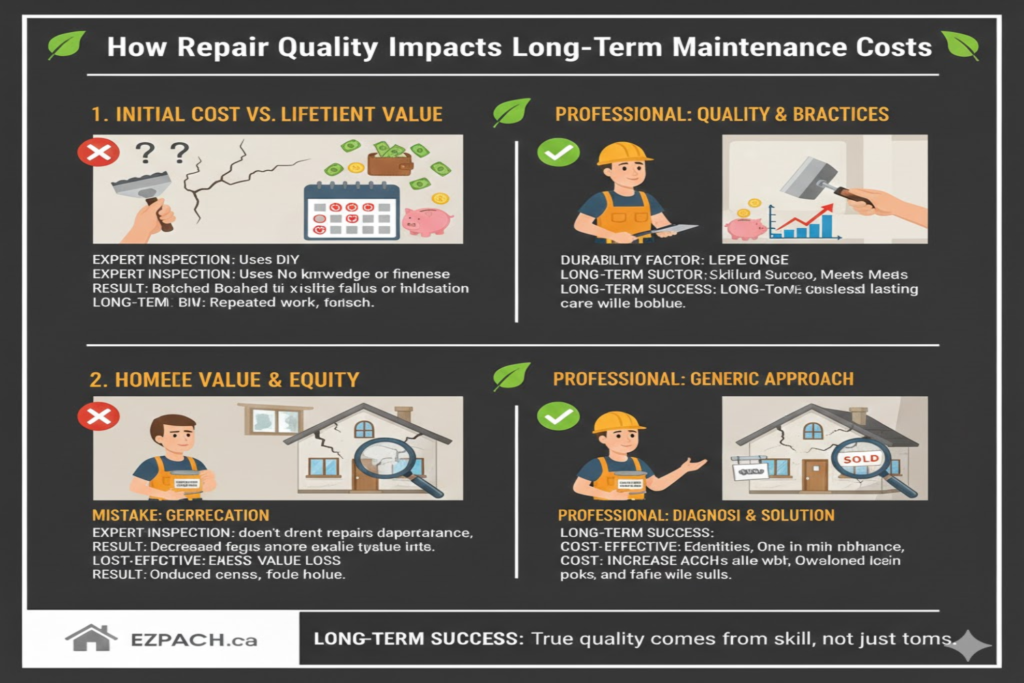
Emergency Repairs and Repair Quality
Emergency repairs demand higher labor rates, rush charges for materials, and additional downtime. High-quality repairs prevent unexpected system failures, significantly lowering the financial impact of urgent interventions.
Key Benefits of Quality Repairs in Maintenance
- Reduced the need for repeated labor and material expenditures.
- Longer lifespan of repaired systems, delaying full replacement.
- Lower emergency repair frequency.
- Improved reliability and homeowner peace of mind.
Materials and Repair Quality
Durable and appropriate materials form the backbone of high-quality repairs. Using low-grade or incompatible materials may save money initially, but often leads to faster deterioration, secondary damage, and higher cumulative costs.
Advantages of High-Quality Materials
- Resistance to environmental stressors such as moisture, temperature fluctuations, and UV exposure.
- Longer lifespan and reduced risk of premature failure.
- Contribution to the overall efficiency and safety of systems.
Risks of Low-Quality Materials
- Accelerated wear and tear leading to early replacement.
- Potential for hidden damage such as leaks, mold growth, or corrosion.
- Increased labor costs due to repeated repair requirements.
Material Considerations for Long-Term Savings
- Use corrosion-resistant metals for plumbing and structural repairs.
- Apply high-grade adhesives and sealants for durable installations.
- Opt for UV-resistant finishes on exterior surfaces.
- Match material specifications to environmental and load conditions.
Skilled Labor and Its Role in Repair Quality
Even superior materials fail without proper installation and technical expertise. Skilled labor ensures accurate repairs, adherence to safety protocols, and long-term functionality. Professionals understand the nuances of structural loads, system interactions, and potential future issues.
Benefits of Professional Repairs
- Compliance with safety and building regulations reduces liability.
- Work performed with precision minimizes the likelihood of future breakdowns.
- Warranties or guarantees provide financial protection for the property owner.
Consequences of Inexperienced Labor
- Misaligned installations, weak structural support, and improper sealing.
- Hidden issues are left unresolved, leading to progressive damage.
- Increased frequency of emergency interventions and cumulative repair costs.
Hidden Damage and Long-Term Cost Implications
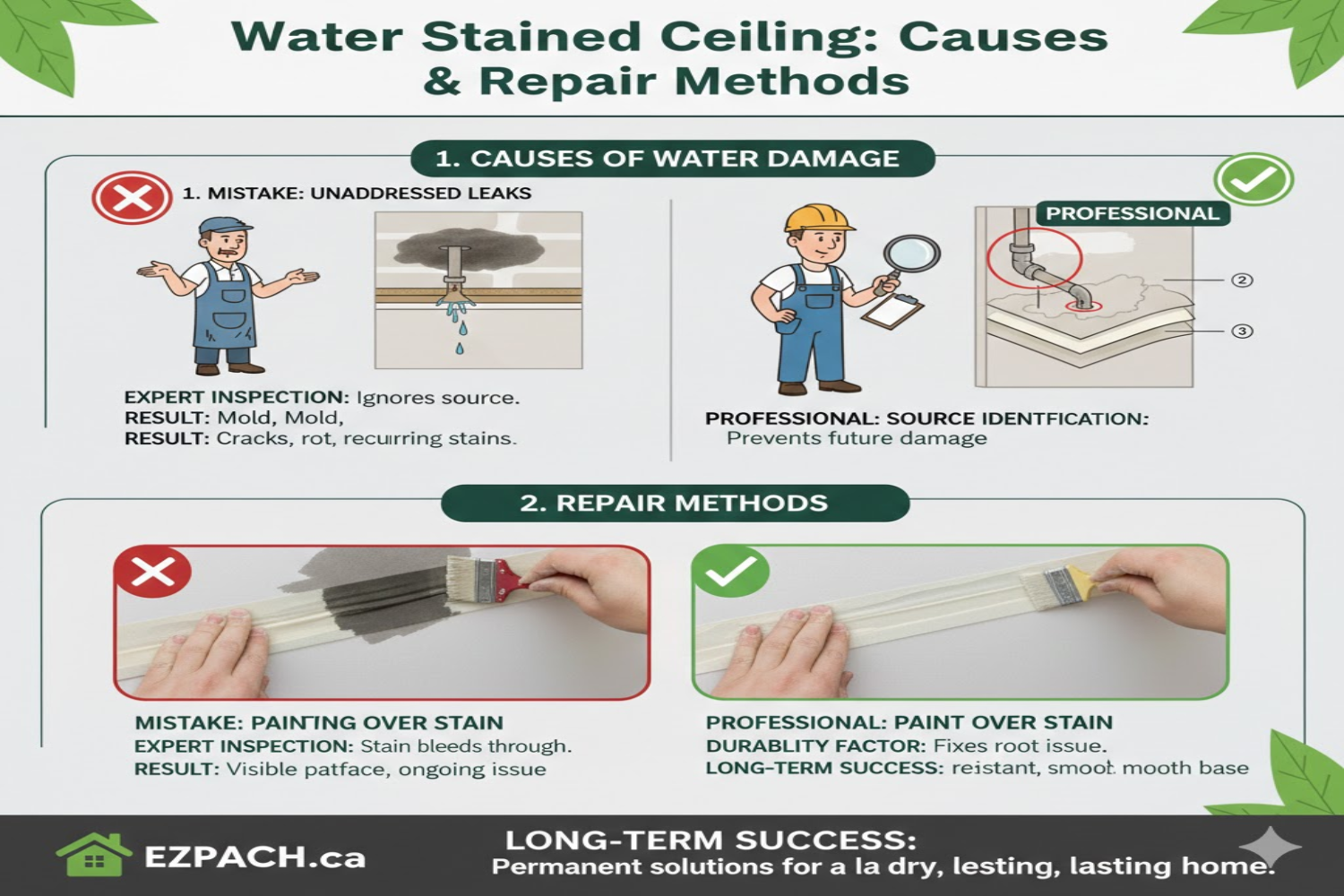
Many repairs conceal underlying problems, leaving them unaddressed. Water leaks, structural weaknesses, or compromised electrical systems often remain invisible until serious issues arise. High-quality repairs incorporate thorough inspections and root-cause resolution to prevent hidden damage.
Common Hidden Issues from Poor Repairs
- Mold and rot are caused by water leaks behind walls or ceilings.
- Structural instability from improper load distribution or patchwork.
- Electrical hazards from faulty connections or overloaded circuits.
How High-Quality Repairs Mitigate Hidden Damage
- A comprehensive assessment before intervention identifies potential risks.
- Targeted solutions address both visible symptoms and underlying problems.
- Proactive repair strategies reduce the likelihood of costly future remediation.
Benefits of Addressing Hidden Damage
- Enhanced safety for occupants.
- Lower cumulative maintenance costs over time.
- Preservation of structural integrity.
- Minimized risk of emergency repairs or insurance complications.
Repair Quality and System Efficiency
Substandard repairs frequently compromise efficiency across home systems. HVAC, plumbing, electrical, and mechanical systems operate below optimal levels when repairs are incomplete or improperly executed.
HVAC System Performance
- Leaky ducts or improper installation reduce airflow and energy efficiency.
- High-quality repairs optimize system function, reducing energy consumption and utility bills.
Plumbing Systems
- Poor pipe alignment, weak seals, or low-quality fittings result in leaks and frequent maintenance.
- Correct installation using durable materials minimizes water waste and maintenance demands.
Electrical Systems
- Inadequate repairs cause circuit interruptions, outages, and fire hazards.
- Proper repairs restore consistent performance and ensure compliance with safety codes.
Repair Quality, Safety, and Compliance
High-quality repairs prioritize safety, adhere to legal requirements, and maintain insurance compliance. Substandard repairs introduce risks that can escalate maintenance costs, create liabilities, and affect coverage eligibility.
Safety Considerations
- Structural failures, electrical hazards, and plumbing issues directly threaten occupants.
- Repairs performed by skilled professionals follow industry and safety standards.
- Prevention of accidents reduces emergency costs and potential legal expenses.
Compliance and Insurance Benefits
- Licensed repairs meet local building codes, avoiding fines or violations.
- Insurance claims require proof of quality repairs for coverage eligibility.
- Quality-focused repairs reduce financial exposure and protect long-term investments.
Repair Quality and Property Value
The quality of repairs directly influences property value. Buyers and inspectors recognize durable, professional repairs as an indicator of a well-maintained property. Poor-quality repairs diminish resale value and may deter potential buyers.
How High-Quality Repairs Enhance Value
- Extend the lifespan of structural and mechanical systems.
- Improve aesthetic appeal and functional reliability.
- Reduce long-term maintenance costs, making the property more attractive.
Long-Term Implications of Substandard Repairs
- Visible wear or recurring problems lower perceived property value.
- Additional corrective work may be required before the sale.
- High maintenance demand discourages prospective buyers.
Environmental Considerations in Repair Quality
Environmental factors such as humidity, temperature, and sunlight exposure affect the longevity of repairs. Substandard repairs fail to account for these factors, leading to premature deterioration and higher maintenance costs.
Climate-Conscious Repair Practices
- Select weatherproof materials for exterior and high-exposure areas.
- Apply corrosion-resistant metals in humid or coastal environments.
- Use UV-resistant coatings for long-term durability.
- Ensure proper insulation to protect against temperature fluctuations.
Key Advantages of Prioritizing Repair Quality
- Reduction in repeat repairs and emergency interventions.
- Extended system and structural lifespan, delaying full replacement.
- Improved safety and reduced liability risks.
- Lower operational costs due to increased efficiency.
- Prevention of hidden damage and secondary failures.
High-quality repairs translate into long-term financial benefits, improved property integrity, and peace of mind for homeowners.
Conclusion
Prioritizing repair quality offers tangible benefits that extend far beyond immediate fixes. Low-quality repairs create repeated problems, hidden damage, and unplanned maintenance expenses. Investing in high-quality workmanship, professional expertise, and durable materials reduces long-term costs, enhances system efficiency, and maintains property value.
Strategic decisions around repair quality ensure predictable maintenance cycles, fewer emergencies, and safer living environments. Homeowners who focus on quality rather than short-term savings enjoy lower overall maintenance costs and stronger financial and structural security for years to come.
Frequently Asked Questions (FAQs)
1. How does repair quality affect maintenance costs?
High-quality repairs reduce recurring problems and emergency interventions, lowering long-term expenses.
2. Can repair quality influence energy bills?
Yes, proper repairs maintain system efficiency, reducing electricity and water consumption.
3. Are high-quality repairs always more expensive upfront?
Typically, yes, but they prevent repeated fixes and unexpected costs, saving money over time.
4. How does repair quality impact property resale value?
Durable, compliant repairs increase buyer confidence and market value, while substandard work lowers appeal.
5. Can poor repairs lead to hidden damage?
Absolutely. Undetected issues like leaks, mold, or structural weaknesses escalate costs over time.
6. Is repair quality more critical in older homes?
Yes, aging structures require durable, precise repairs to prevent cascading maintenance issues.
7. Can low-quality repairs affect insurance coverage?
Substandard work can void warranties or result in denied insurance claims.
8. How can homeowners ensure high repair quality?
Hiring licensed professionals, using durable materials, and ensuring compliance with industry standards guarantees better results.